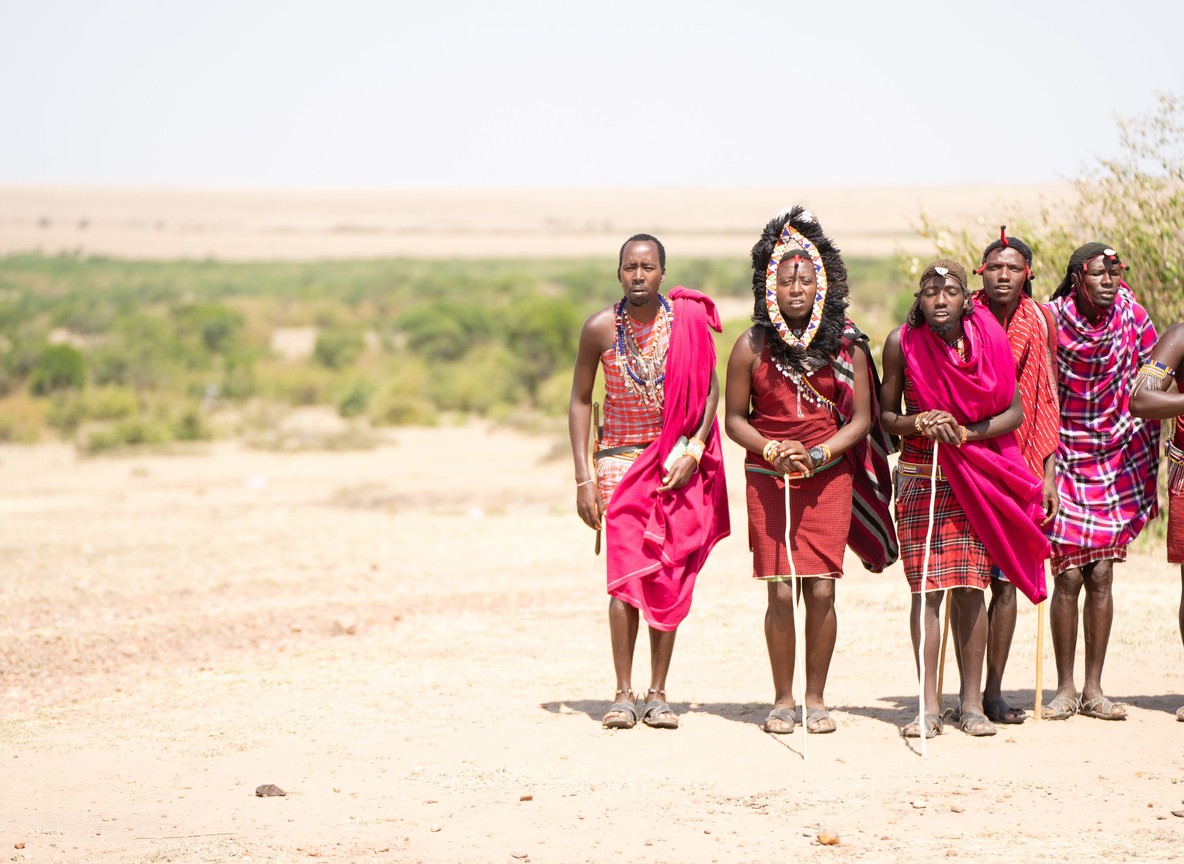
Mara Chui Camp is a budget-tier tented camp situated near Ololaimutiek Village, on the southeastern boundary of the Masai Mara ecosystem. The camp’s position outside the national reserve boundary has direct implications for what activities are available and what kind of safari experience guests can expect.
This guide covers the camp’s location, access to the reserve, what the outside-reserve position means in practice, the wildlife available, and who this type of property suits.
Location: Ololaimutiek and the Southeastern Mara Boundary
Ololaimutiek Village sits near the Ololaimutiek Gate, one of the eastern entry points into the Masai Mara National Reserve. The southeastern Mara boundary is a busy access corridor — several camps and lodges of varying tiers are concentrated in this area due to proximity to Nairobi (approximately 5 to 6 hours by road via Narok) and access to the reserve’s eastern game circuits.
Mara Chui Camp is positioned outside the reserve boundary on community or agricultural land in the Ololaimutiek area. This is a common configuration for budget and mid-range camps in the eastern Mara — the location allows lower operating costs while still offering practical access to the reserve for game drives.
The eastern boundary area of the reserve covers the Talek region, which includes the Talek River, the Talek Gate entry point, and the mixed woodland and grassland habitat of the eastern Mara that holds good resident wildlife populations year-round.
What the Outside-Reserve Position Means
Camps located outside the Masai Mara National Reserve operate under different rules from conservancy camps and from camps positioned inside the reserve.
Night drives are not available. The national reserve prohibits game drives after dark. Camps positioned outside the reserve on community land (but not in a formal private conservancy) generally do not have night drive permits either. Evening activity typically ends at the reserve gate closing time.
Off-road driving is not permitted. The national reserve requires vehicles to stay on designated tracks. No off-road access is available to camps using the reserve’s standard vehicle game drive circuits.
Walking safaris are limited. Without the armed ranger infrastructure and land management agreements of a private conservancy, organized walking safaris are not typically available from outside-reserve budget camps.
Game drives require daily reserve entry fees. Guests pay the national reserve conservation fee on each day of game driving. For international visitors in 2025, this was USD 80 per adult per day. This fee is usually included in camp packages but worth confirming.
What the outside-reserve position does offer: lower overall camp rates, making this type of property accessible to budget-conscious travelers, families managing cost across a multi-park itinerary, or visitors for whom morning and afternoon vehicle game drives in the reserve are the primary goal.
Access and the Reserve Experience
From Ololaimutiek, game drives enter the eastern reserve through the Ololaimutiek or Talek Gates. The eastern Mara circuit covers the Talek River area, the southeastern plains, and connections to the central reserve near the Mara River.
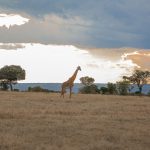
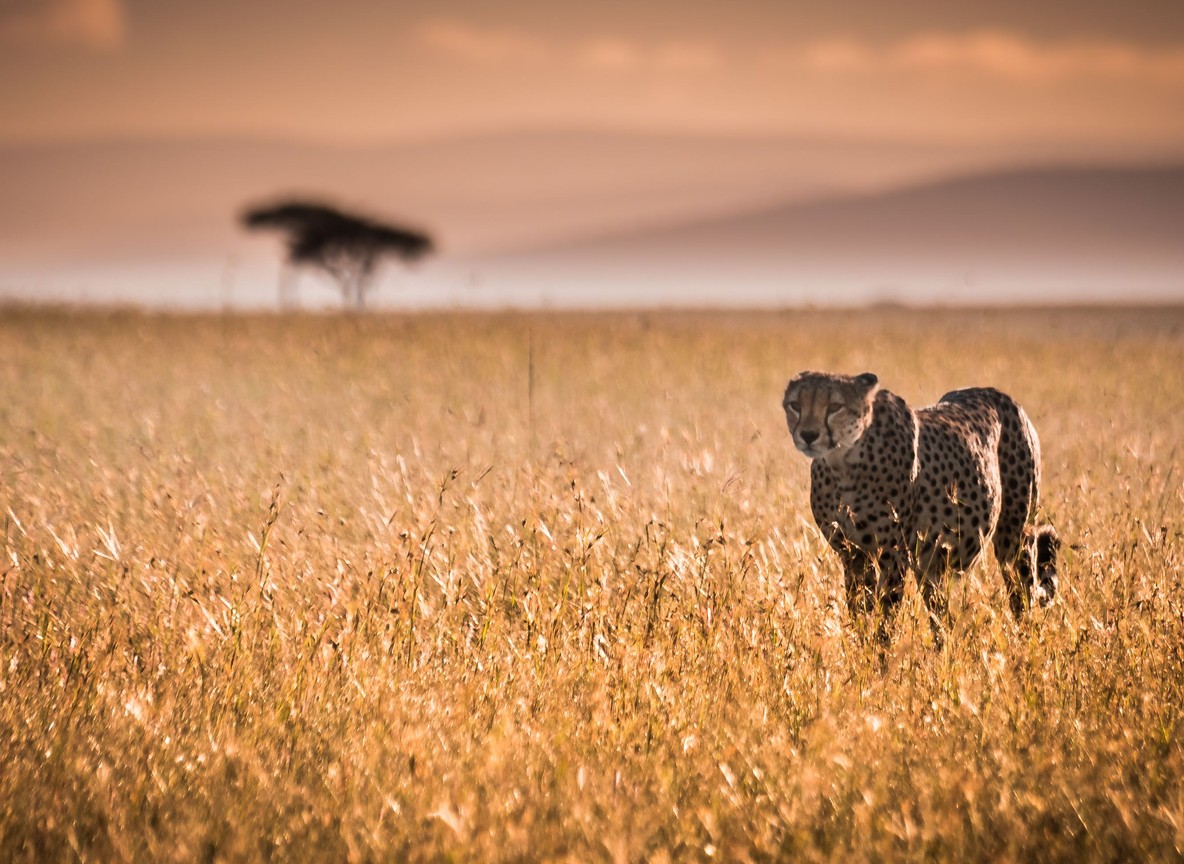
The eastern Mara is productive wildlife territory. Lion prides hold territories in this area year-round. Cheetah are encountered on the open southeastern plains, particularly in the area known as the Musiara and Aitong areas accessible from the eastern entry. Leopard sightings along the Talek River are possible with patient searching.
During the Great Migration (July to October), wildebeest and zebra move through the eastern Mara as part of the broader circuit. The eastern entry does not give direct access to the Mara River crossing sites on the western reserve boundary without a longer drive through the reserve, but the migration presence in the eastern sections is still substantial.
Camp Style and What to Expect
Budget camp tented properties in the Ololaimutiek area are typically smaller operations with basic to modest tented accommodation. Expect:
- Permanent or semi-permanent canvas tents with beds, basic furniture, and en suite or shared bathroom facilities
- Communal dining area with standard safari meals (breakfast, lunch, dinner)
- Limited or no on-site facilities beyond the basic camp infrastructure
- Simpler vehicles than luxury camp operations — typically older Land Cruisers that are still functional but may not carry the upgrades of premium safari vehicles
The ratio of staff to guests is lower than at luxury operations. Service is functional rather than personalised. The atmosphere is communal — shared dining tables, group game drives, and less private access than conservancy camps.
Wildlife Summary
The eastern Mara and the Talek River area are known for:
- Resident lion prides with established territories in the eastern circuits
- Cheetah on the southeastern open plains
- Leopard along the Talek River and associated drainages
- Large elephant herds in the woodland sections
- Hippo and crocodile in the Talek River
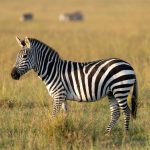
- Strong plains game populations including wildebeest (resident and seasonal migration), zebra, topi, hartebeest, impala, and gazelle
- Good birding, particularly in the riverine woodland
Who Mara Chui Camp Suits
Budget travelers: The combination of outside-reserve positioning and basic infrastructure allows pricing significantly below conservancy or inside-reserve luxury camps. For travelers whose priority is wildlife access and who are comfortable with simpler surroundings, this type of camp makes a Masai Mara safari accessible at lower overall cost.
Overland or multi-park travelers: Visitors doing a Kenya circuit (Nairobi, Nakuru, Masai Mara, Amboseli) on a tight budget often use budget camps in the eastern Mara as a cost-efficient Mara base.
Short-stay visitors: Travelers doing a 2-night Mara add-on to a longer Kenya itinerary who want to tick the Mara wildlife box without investing in a conservancy safari.
Travelers comfortable with shared vehicles: Budget camp game drives typically operate with shared vehicles (up to 8 passengers). For travelers who prefer this format, the social dimension of shared game drives is part of the experience.
What Mara Chui Camp Does Not Suit
Travelers who want night drives, off-road access, or walking safaris will not find these available through this type of outside-reserve camp. For the full range of Mara activities — particularly after-dark wildlife encounters and guided bush walks — a private conservancy camp is the appropriate choice, at higher cost.
For a full breakdown of how outside-reserve, inside-reserve, and conservancy camps compare in terms of activities and experience, see the Masai Mara inside vs outside reserve camps guide.
Have questions about this itinerary or destination? Get answers from a safari specialist before you commit.
Inquire More