Mara Bushtops is an ultra-luxury tented camp situated in the Isaaten Conservancy, a private community conservancy on the northern boundary of the Masai Mara ecosystem. The camp is among the smaller, more exclusive properties in the Mara region and operates under a strict low-density model that gives guests access to a largely private wildlife area.
This guide covers the conservancy context, the camp’s characteristics, activities available, wildlife profile, and who the property suits.
Location: Isaaten Conservancy
Isaaten Conservancy sits in the northern Mara ecosystem, adjacent to Mara North Conservancy and within the broader wildlife corridor that connects the Masai Mara National Reserve to the Laikipia plateau further north. The conservancy is established on Maasai community land under a lease arrangement that provides landowners with direct income from wildlife tourism.
The location is relatively remote by Mara standards — further from the central reserve than properties in Olare Motorogi or the Mara Triangle, but within range of the reserve for day trips. The remoteness means fewer vehicles and a quieter safari experience than camps positioned closer to the reserve’s busiest game drive circuits.
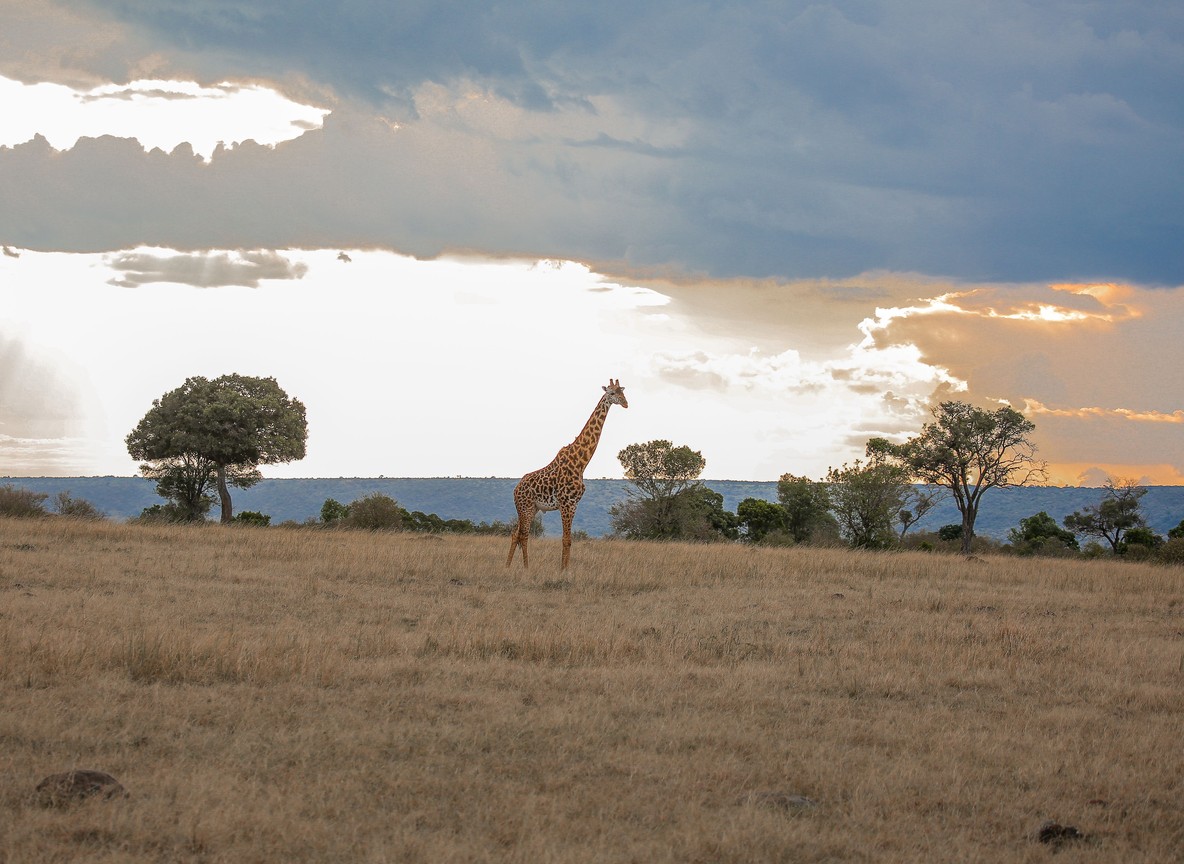
The landscape in this part of the ecosystem includes open rolling plains, seasonal drainage lines (luggas), acacia woodlands, and a series of natural water features that attract wildlife year-round. The northern corridor is particularly associated with African wild dog sightings and large buffalo herds, species that are less reliably encountered in the more trafficked southern Mara.
Camp Style and Structure
Mara Bushtops operates a small number of spacious tented suites — typically nine to twelve — in a configuration that emphasises seclusion and privacy. Each tent is large and well-appointed, with en suite bathroom, outdoor shower, private deck, and extensive bush views. The camp uses a butler system that assigns dedicated personal staff to each guest.
The design is deliberately understated from the exterior while delivering high-specification interiors. The main area — dining, bar, and lounge — is open-sided to take advantage of the views while maintaining a protected environment. Dining is typically communal with a communal table option as well as private dining on request.
The camp includes a swimming pool and spa, distinguishing it from more stripped-back safari camps that prioritise wildlife access over comfort infrastructure.
Activities in Isaaten Conservancy
Private conservancy status gives Mara Bushtops access to a full activity programme that camps inside the national reserve cannot offer:
Night game drives: After-dark drives in the conservancy allow encounters with nocturnal species — leopard, hyena, serval, genet, caracal, porcupine, and aardvark — that disappear from view during daylight hours.
Off-road driving: No track restrictions apply within the conservancy. Guides can follow wildlife off the designated roads, which makes a material difference when tracking predators across open terrain.
Bush walks: Guided walks with armed rangers provide a ground-level dimension to the ecosystem that vehicle drives cannot replicate. The northern conservancy terrain is particularly suited to walking, with good visibility and interesting terrain.
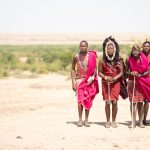
Cultural visits: The Maasai communities that lease land to the conservancy offer cultural visits through camp arrangement, connecting guests to the land management context of the ecosystem.
Day trips to the reserve: The Masai Mara National Reserve is accessible for day game drives, giving guests exposure to the main reserve’s predator circuits and, during migration season, the Mara River crossing sites.
Wildlife Profile
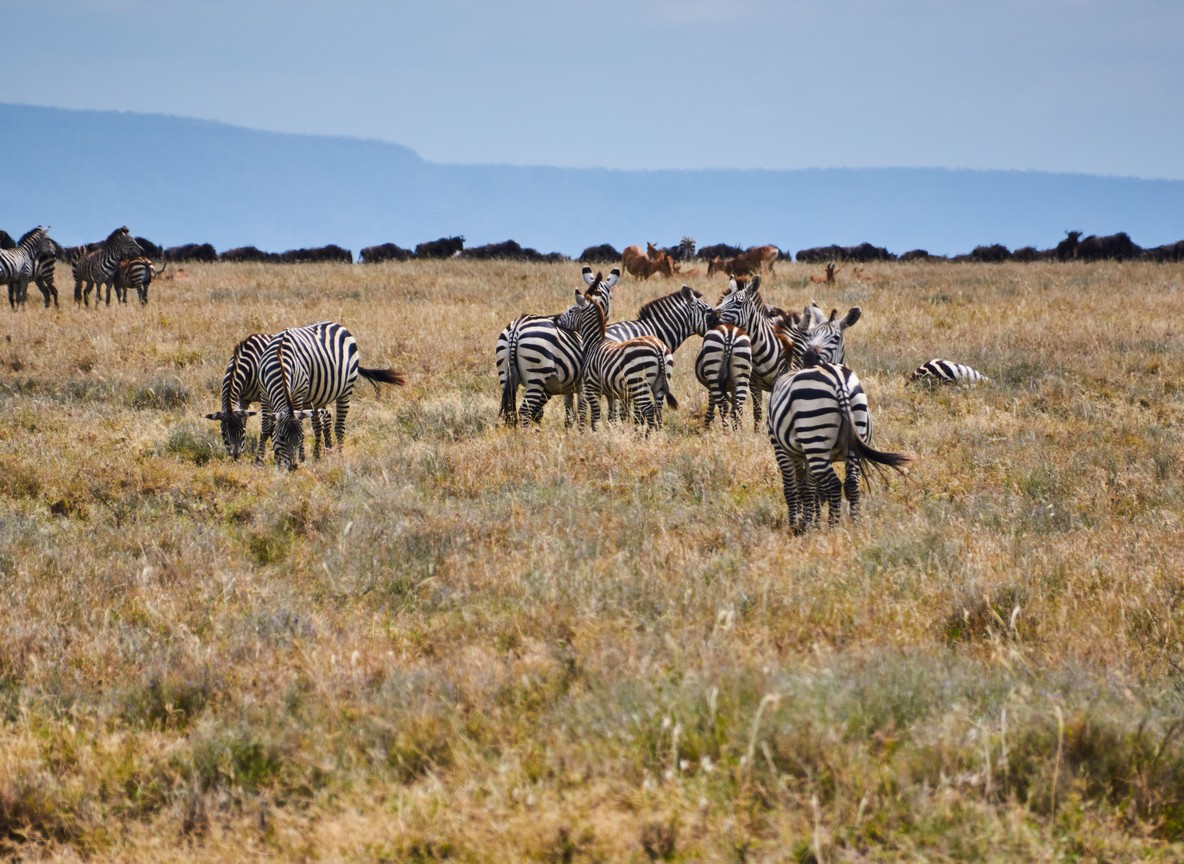
The northern Mara ecosystem that Isaaten Conservancy occupies supports strong resident wildlife populations. Lions, leopards, elephants, and buffalo are reliably present. The conservancy’s position in the northern corridor means seasonal movement between the Mara and the wider ecosystem is observable here in both migration and non-migration months.
African wild dogs are one of the notable species of the northern Mara corridor. While sightings are never guaranteed for any species, the northern conservancies have historically produced some of the most consistent wild dog encounters in the Mara ecosystem, particularly during denning season (typically June through September).
Cheetah use the open plain sections of the conservancy. Hyena clans are resident and active. Bird diversity is high, with the mixed woodland and open grassland habitats supporting species that are less common in the southern reserve.
Who Mara Bushtops Suits
Experienced safari travelers: The remoter location and smaller guest count suit visitors who have done the main Mara circuit and want a less-trafficked wildlife experience with genuine exclusivity.
Privacy-focused visitors: The butler model, small camp size, and northern position create one of the more genuinely private experiences available in the Mara ecosystem.
Wild dog enthusiasts: The northern corridor’s reputation for wild dog sightings makes this a natural choice for visitors specifically seeking this species.
Couples and honeymooners: The level of service and the seclusion of the property suits milestone travel.
Guests combining the Mara with Laikipia: The northern position makes it a logical first or last stop on an itinerary that includes Laikipia (Ol Pejeta, Lewa, Borana) before or after the Mara.
Pricing Tier
Mara Bushtops operates at the upper end of the Masai Mara luxury market. Rates typically fall in the range of USD 1,500 to USD 2,500 per person per night fully inclusive, varying by season and room type. The all-inclusive rate covers accommodation, meals, drinks, and conservancy game drives. Some activities may be priced separately.
Practical Planning Notes
Getting there: Light aircraft charter from Wilson Airport in Nairobi to a private airstrip is the standard approach. Road access from Nairobi or the southern Mara is possible but involves a longer transfer due to the northern position.
Best time to visit: The camp is productive year-round. The July to October migration window delivers peak wildlife density in the southern Mara and the river crossings, accessible via day trips. The green season (November through May) offers lower rates, excellent predator activity, and the northern corridor’s characteristic atmosphere without the vehicle density of peak months.
For context on how conservancy camps and national reserve camps differ in terms of access, activities, and wildlife experience, see the Masai Mara conservancy vs national reserve guide.
If this guide has you ready to travel, a safari specialist can handle the route, camps, and logistics end to end.
Want to Book a Tour With Us?