Mara Crossings Camp sits on the Mara River inside the Masai Mara Game Reserve. If you are building a Maasai Mara itinerary and shortlisting camps by location and logistics, this is a property worth understanding properly before committing.
This guide covers the factors that actually matter when evaluating it: where it sits relative to wildlife zones, what the practical camp experience looks like, who it suits, and what to confirm before you book.
Location and What It Means for Your Safari
Mara River Position
Camp location is the variable that most directly affects daily safari output. Mara Crossings Camp’s position on the Mara River has specific implications for guests depending on the time of year.
During the wildebeest migration corridor months, July through October, a riverside camp is positioned near one of the most dramatic wildlife spectacles the ecosystem produces. River crossings happen unpredictably: herds mass on the Serengeti side, assess the crossing point, retreat, then surge. A camp near the river means shorter drives to the crossing zones and the ability to spend longer waiting without burning drive time on transfers.
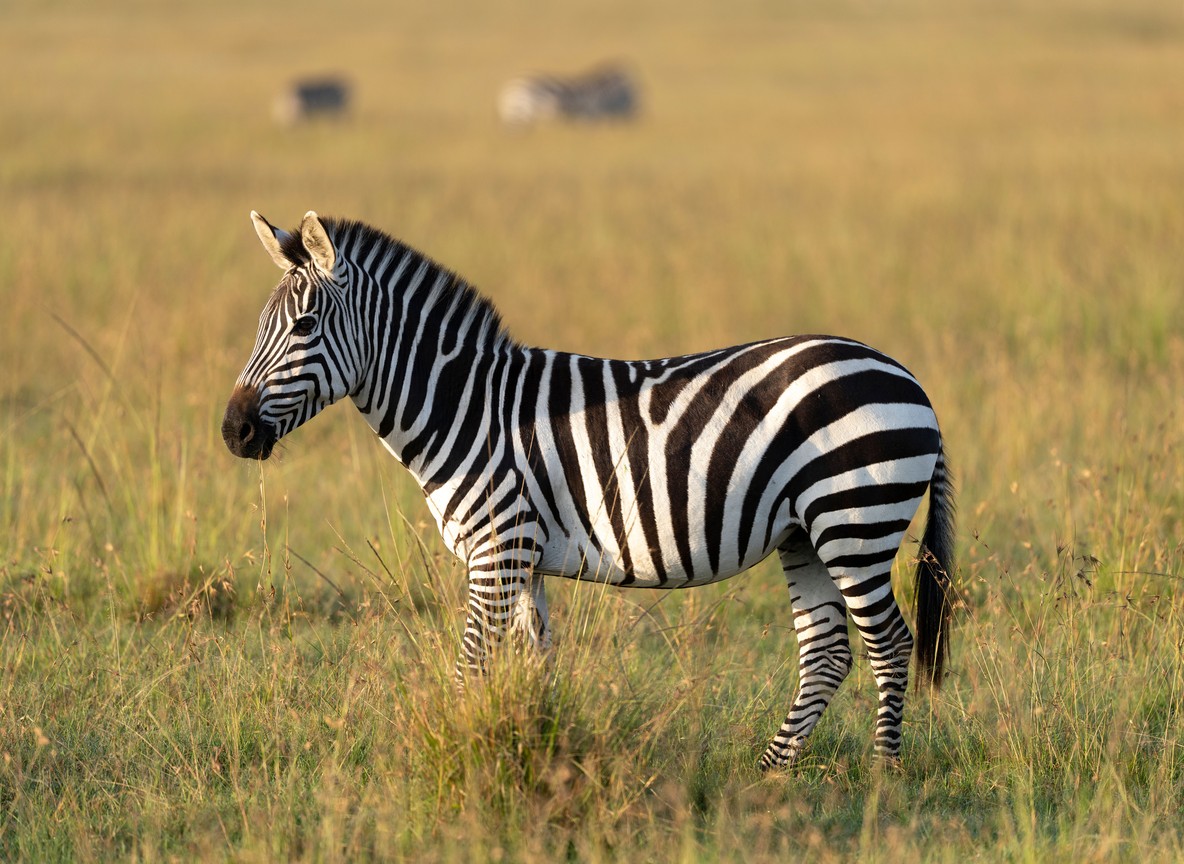
Outside migration season, Mara River camps still benefit from year-round predator and prey concentration along the riverine corridor. Hippos, crocodiles, and resident elephant herds use the river daily. Large cats follow prey to water. The corridor is active regardless of calendar month.
For official reserve planning context, the Kenya Wildlife Service Maasai Mara page provides background on zone structure and entry requirements.
Drive Timing Efficiency
For a camp located inside or immediately adjacent to the reserve, the biggest practical gain is the reduction in dead transfer time each morning. Camps farther from the reserve boundary can spend 30 to 45 minutes just reaching the park gate before the drive properly begins. A riverside camp inside the reserve means you are in productive wildlife country from the moment the vehicle leaves camp.
This matters most on migration season mornings when the goal is to be positioned near a crossing point before first light.
Accommodation and Practical Comfort
What to Confirm Before Booking
Safari camps in Maasai Mara vary considerably in how they handle practical guest logistics. Before booking Mara Crossings Camp, it is worth verifying directly:
- Room type and bed configuration, including whether family or group rooms are available
- Bathroom setup and hot-water schedule, which at remote camps is sometimes solar-heated and available at specific hours
- Power supply and device charging windows
- Meal inclusions and whether bush breakfasts or packed lunches are part of the standard program
The best way to establish this is to ask the camp or your booking agent directly before payment. Expectations set clearly before arrival produce better trips than those corrected on-site.
Meal Timing and Safari Rhythm
Meals at safari camps are structured around game drive schedules. Breakfast goes out early enough for a 6am departure. Lunch may be packed for full-day routes or served at camp between the morning and afternoon drives. Dinner typically runs after the evening drive returns at sunset.
This rhythm means practical camp comfort and reliable operations matter more than aesthetic details for most guests. If the early breakfast is cold or late, the morning drive suffers.
Wildlife Access and What to Expect
Game Drive Planning
A skilled guide combined with a well-located camp is the combination that produces consistent sightings. The guide reads current animal behavior, uses radio contact with other vehicles in the field, and times the morning departure against known predator movement patterns.
Key planning factors for game drives from a Mara River camp include:
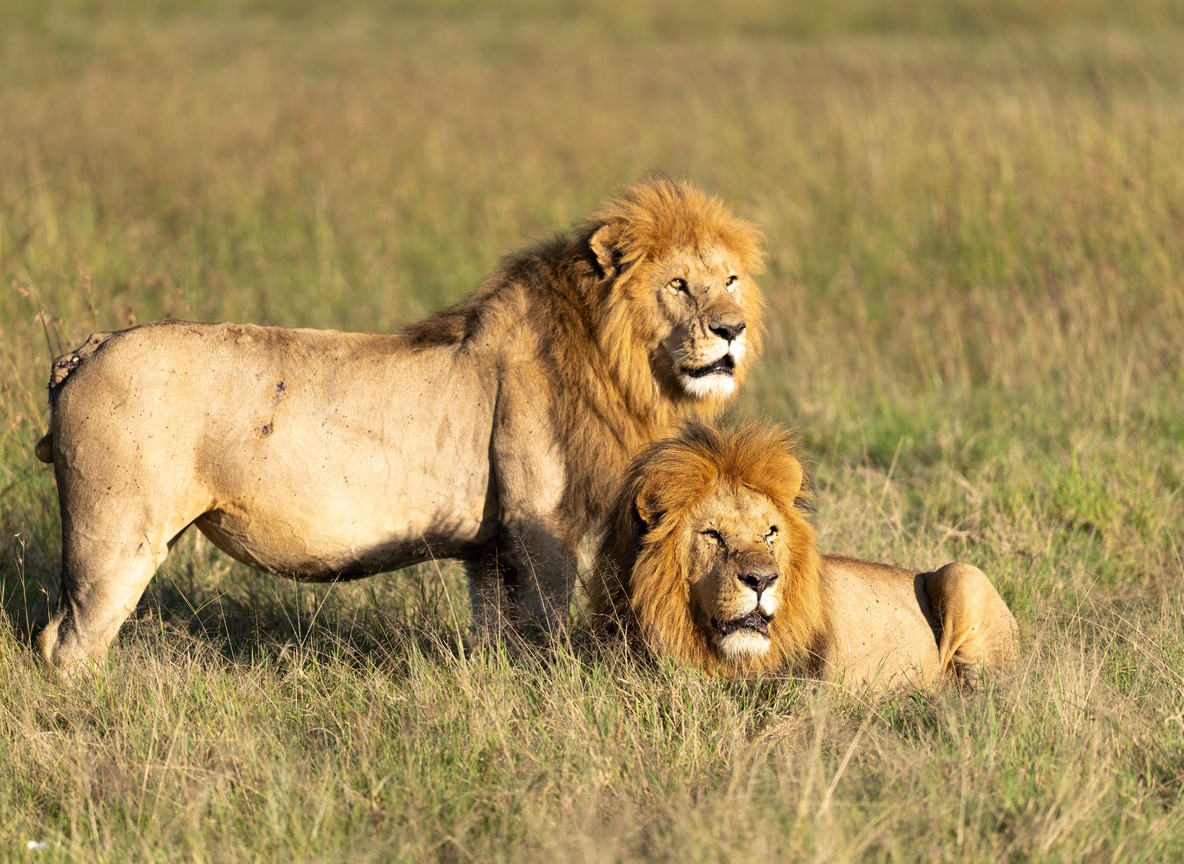
- Morning predator movement windows when lions and cheetahs are most active
- River and plains activity zones and how they shift by season
- Wildebeest herd patterns during migration months
- Current conditions intelligence from other guides operating in the same circuits
Seasonal Adjustments
The Mara changes substantially between dry season (July to October), the short rains (November to December), the long rains (March to May), and the green season (January to February). Wildlife is present year-round, but distribution and density shift.
During migration peak, riverside camps command premium rates and fill fast. In green season, the same camps often offer better pricing with significantly fewer vehicles in the field. The wildlife is different, not absent.
How to Evaluate Mara Crossings Camp Against Other Options
When comparing any Masai Mara camp, the evaluation framework is consistent:
- Location relative to the wildlife zones you most want to access
- Comfort level and room setup versus your actual needs
- What is included in the rate versus what is charged as an extra
- Transfer time from Nairobi or the nearest airstrip
- Overall value against your trip goals
Mara Crossings Camp suits travelers who want to be close to the river corridor year-round and particularly those prioritizing migration season crossings. If your goals are different, a conservancy camp on the western or northern boundary may serve you better.
Practical Planning Notes
Book riverside camp slots for July through October well in advance: six months is not too early for peak migration dates. Green season rates (January, February, and November) are often significantly lower with minimal sacrifice to wildlife quality.
Confirm whether park fees are included in your quoted rate or charged separately at the gate. This varies between camps and can meaningfully affect total cost.
Fly-in access from Nairobi Wilson Airport via Ol Kiombo or Keekorok airstrip is the fastest route. Road transfer from Nairobi takes approximately five to six hours depending on the route and road conditions.
Keep Exploring
For a broader view of where Mara Crossings fits in the Maasai Mara accommodation landscape, it is worth reading through a comparison of camps by location zone before finalizing your booking.
Prefer a different route, budget, or travel style? This plan can be adapted to fit.
Customise Your TripFurther reading
More safari planning resources
- Nairobi to Maasai Mara route guide from Valley Safaris
- Great Migration safari collection on FindMySafari
- Wildebeest migration route map from Valley Safaris
- Best time to visit Kenya month-by-month map from Valley Safaris
Related guides: Ashnil Mara Camp: What to Know Before You Book, Mara River Crossings Have Started: A Week-by-Week Plan to Catch the 2026 Peak.