Before a young Maasai man becomes a warrior, he spends years in the bush — no town, no phone, just cattle, open grassland, and the company of his age-mates.
That period, known as the Moran phase, is the most formative chapter of a Maasai man’s life. It shapes his body, his discipline, his loyalty to his peers, and his sense of purpose. Maasai warriors — the Moran — are not simply fighters. They are the living expression of a culture’s deepest values: courage, endurance, sacrifice, and pride.
This guide explains everything about Maasai warriors: what they are, how the age grade system works, what training involves, and why the warrior tradition remains alive today.
Who Are the Maasai Warriors?
Maasai warriors, called Moran in the Maa language, are young men between approximately 14 and 30 years old who occupy the warrior age grade in Maasai society. The Moran are the protectors of the community — historically responsible for guarding cattle against raiders and predators, and for defending the village.
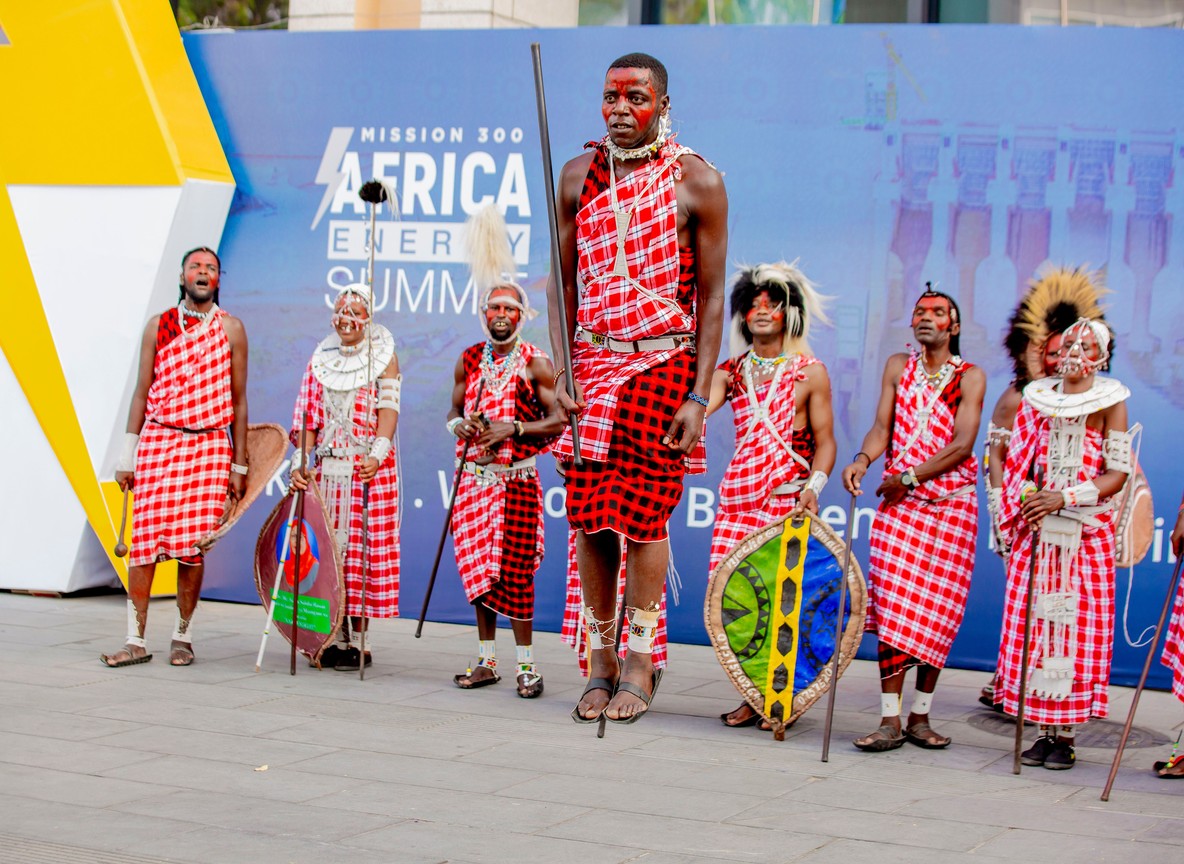
Today, the threat landscape has changed, but the Moran tradition has not. Young men still undergo initiation, still live in warrior camps, still carry the Maasai warrior spear (the alami), and still perform the Adumu jumping ceremony that has become the most globally recognised element of Maasai culture.
The warrior grade is not primarily about combat. It is about the transmission of knowledge. The years a young man spends in the warrior phase — living in the bush, herding cattle over long distances, reading weather and animal behaviour — accumulate into the kind of ecological intelligence that no formal education system produces.
The Maasai Age Grade System
Understanding Maasai warriors requires understanding the age grade system — one of the most sophisticated social structures in East Africa. The Maasai organise society by age, not by family wealth or formal credentials.
Every Maasai male moves through a defined sequence of grades, advancing with his peers as a group. This creates bonds of loyalty between age-mates that last a lifetime and a system through which knowledge, values, and social obligations are transmitted across generations.
The Four Main Male Age Grades
Boys (Layiok): Herding calves and goats close to the village. The observation and responsibility phase.
Junior Warriors (Moran / Il-Murran): Entered after circumcision. This is the most celebrated and intensive period of a Maasai man’s life. Junior warriors live in separate warrior camps, grow their hair long, paint it with red ochre, and focus on physical conditioning, cattle herding over long distances, and cultural ceremony.
Senior Warriors: After the Eunoto ceremony, Moran shave their long hair and transition to senior warriors. They begin taking on leadership roles in the community and become eligible to marry.
Junior and Senior Elders (Il-Kiama): Elders manage community affairs, settle disputes, advise on land and cattle, and make decisions through a council. Senior elders hold the highest authority in matters of tradition and governance.
The Eunoto Ceremony: The End of the Warrior Phase
The Eunoto is one of the most important events in the Maasai lifecycle. It marks the transition from junior Moran to senior warrior.
At the Eunoto, mothers shave their sons’ long ochre-dyed hair — a deeply emotional ritual. The young man moves from the warrior phase he has lived in for years to the beginning of elder responsibility. He is then eligible to marry and start accumulating cattle.
The Eunoto is not performed for tourists. It happens according to the age-grade calendar and the readiness of the cohort. Witnessing one as a visitor is a rare privilege, not a scheduled activity.
Maasai Warrior Training: What It Involves
The training of a Maasai warrior is less a formal programme and more a total immersion in physical and cultural discipline.
Living in the bush: After circumcision and initiation, young warriors leave the village and live in a separate warrior camp. They live with their age-mates for extended periods, herding cattle over vast distances across the savannah.
Physical conditioning: Walking 30 to 50 kilometres daily behind cattle herds is routine. Warriors must be capable of running fast, enduring heat and cold, going without food, and remaining calm under pressure. The Adumu jumping practice — competitive leaping from a standing position — builds explosive leg strength and social status simultaneously.
The lion hunt (historical): Historically, participating in a lion hunt (olamayio) was the definitive warrior achievement. A group of warriors killed a lion using only spears. Today, lion hunting is illegal and most Maasai communities have moved away from the practice, partly due to conservation programs and partly because living lions generate tourism income that benefits the community. Several Maasai-led lion monitoring programs in the Mara now employ former warriors as paid community wildlife monitors.
Maasai Warrior Dress and Weapons
Maasai warrior dress is a total visual statement. Every element is deliberate.
The alami (spear): A long-bladed spear for hunting and protection. Carried vertically when walking, horizontal when stalking.
The rungu (club): A short, heavy wooden club used in close combat and cattle herding.
The simi (short sword): Worn on the belt.
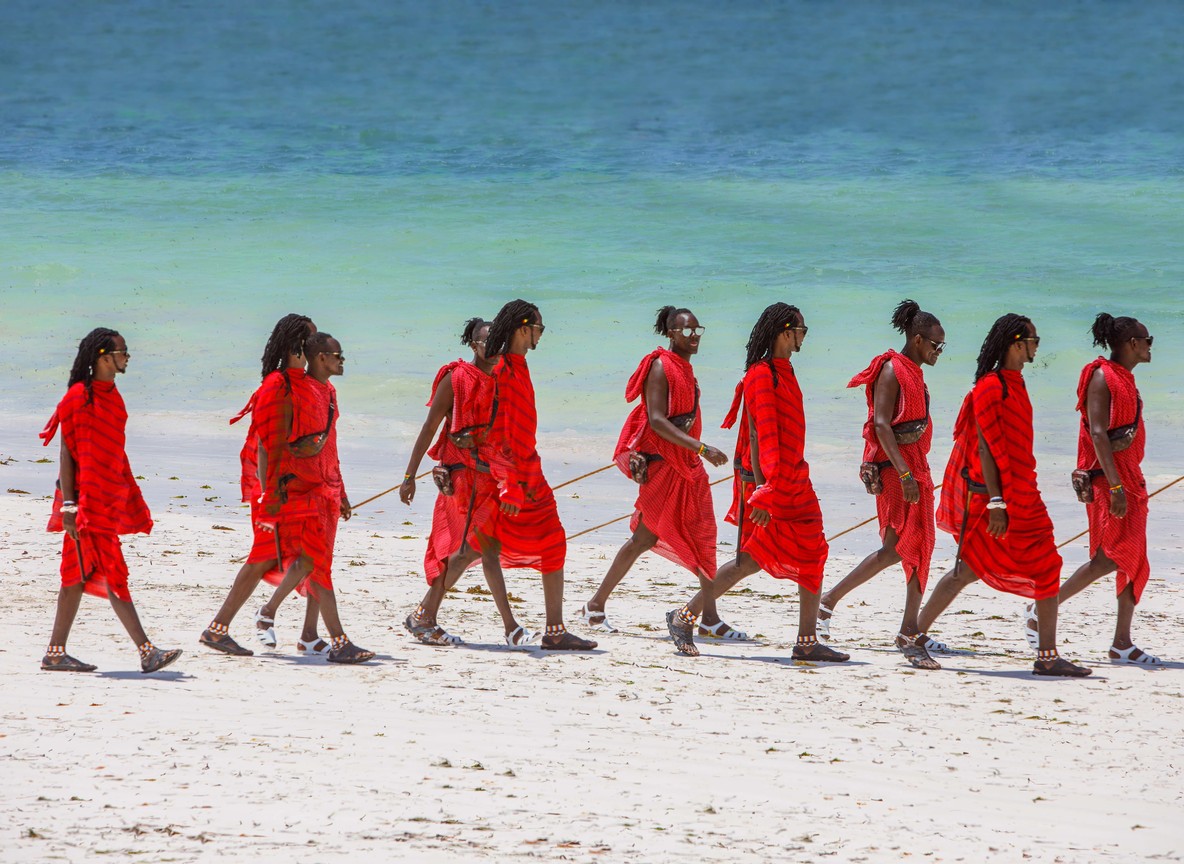
Red ochre: Mixed with animal fat and applied to hair and skin. The red shuka draped over one shoulder, the ochre-red hair, the beaded jewellery — together they say: I am here, I am the warrior, I am watching.
Beaded jewellery: Earrings, necklaces, and bracelets crafted by mothers and girlfriends. Each piece carries personal meaning and marks the relationship between the warrior and the woman who made it.
Maasai Warriors Today: Tradition and Change
The Moran tradition is alive but exists alongside significant social change. Many young Moran today attend school, carry mobile phones, and are navigating tradition and modernity simultaneously — not as contradiction but as adaptation.
Several significant current developments:
- A growing number of Maasai warriors are becoming trained wildlife guides, safari rangers, and conservation advocates. Their bush knowledge — accumulated over years of living in the same landscape — is directly monetised in the safari industry.
- The Eunoto ceremony remains non-negotiable in most communities, even when the young men involved have spent years in Nairobi or Narok for school.
- Maasai warriors who have joined lion monitoring programs — where tracking skills are used to protect lions rather than kill them — report that the conservation role provides a meaningful equivalent to the status that the lion hunt formerly conferred.
When you visit a Maasai community on safari and see the warriors, you are not looking at a museum piece. You are seeing a social institution that is actively negotiating its relationship with the 21st century on its own terms.
Conclusion
Maasai warriors — the Moran — represent one of the most remarkable cultural institutions in Africa. The age grade system that creates them is sophisticated, intentional, and deeply human. The courage it demands is real. The bonds it forges between men last decades.
For any visitor to Kenya, understanding the Moran adds an entire dimension of meaning to the Masai Mara landscape. These are not simply dramatic young men in red shukas. They are the product of a philosophy about how people should grow, contribute, and belong to one another and to the land.
For context on the full Maasai social structure, the Maasai people culture guide covers the age grade system, women’s roles, cattle culture, and the relationship between Maasai communities and wildlife conservation.
Turn this reading into a real itinerary with help from a Kenya-based safari team.
Start Planning Your Safari