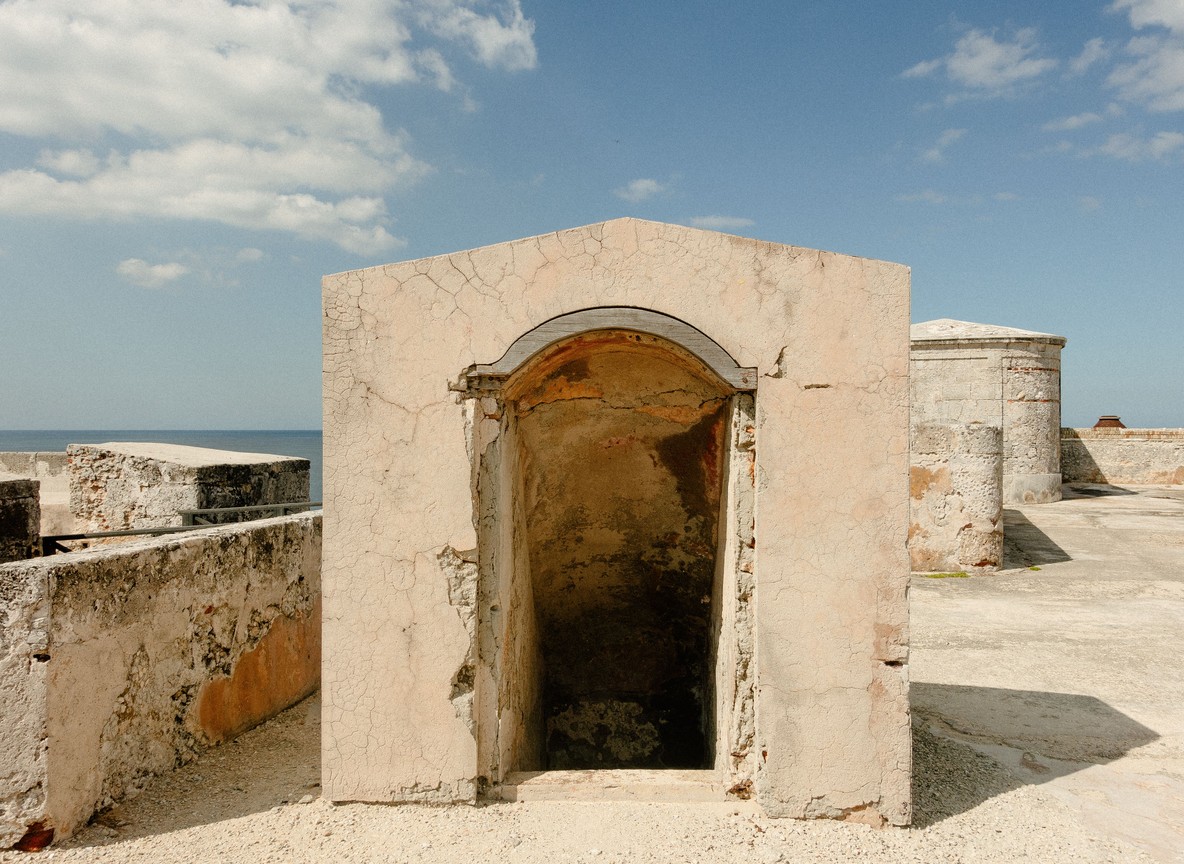
Most travelers who come to Kenya’s coast come for the beach. But Mombasa — specifically the Old Town district and Fort Jesus at its edge — is a destination in its own right, one that rewards curiosity and stands well apart from anything else in the country.
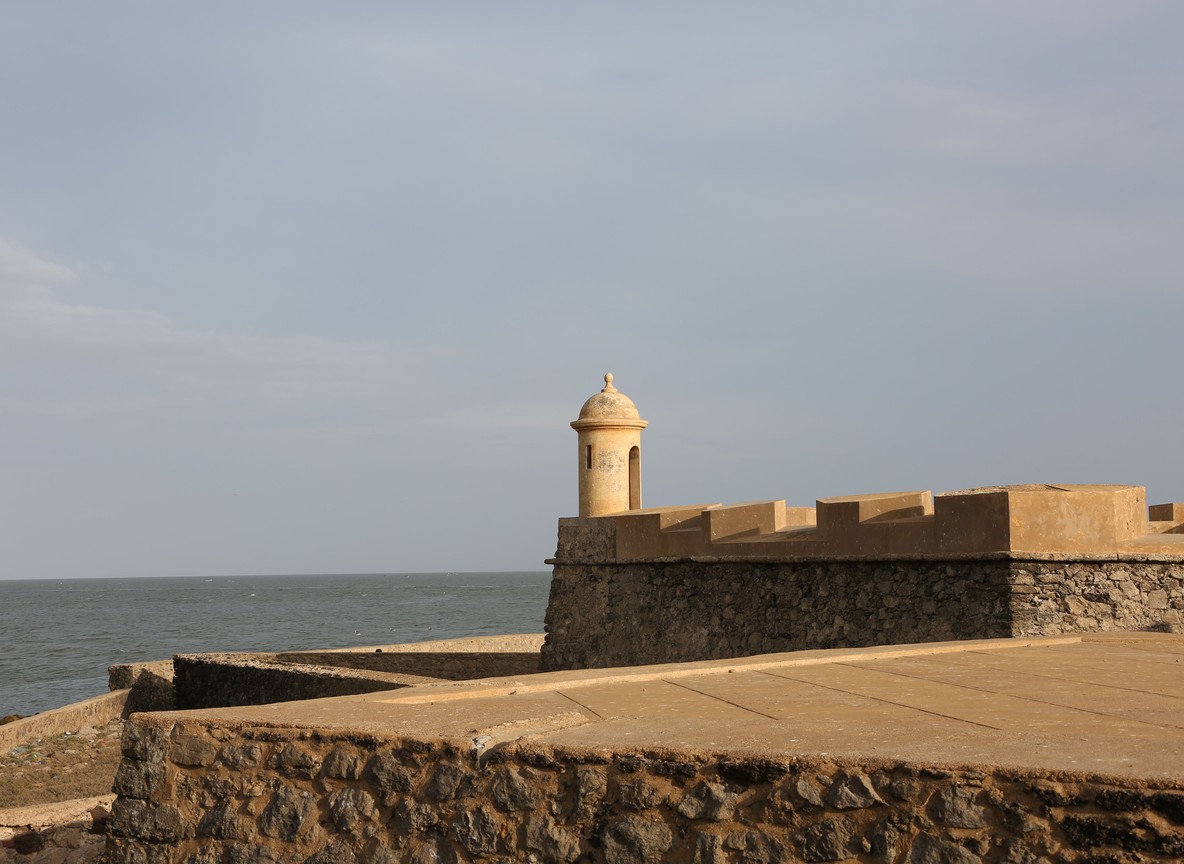
Fort Jesus is a UNESCO World Heritage Site, built by the Portuguese in 1593 on a coral promontory overlooking Mombasa Harbour. Over the four centuries that followed, it changed hands nine times between the Portuguese, Omanis, British, and Mazrui — a possession fought over with gunfire, siege, plague, and diplomacy. What you walk through today is not a reconstruction. The actual walls, the cannon emplacements, the carved house inscriptions, and the graffiti left by Portuguese sailors still exist inside. It is one of the most genuinely layered historical sites in East Africa.
The History: Who Built It and Why
The Portuguese established their first East African base at Malindi in the 1490s, using the Swahili coast as a waypoint on their trade route to India. Mombasa’s natural deep-water harbour became the strategic priority. Fort Jesus was designed by the Italian military architect Giovanni Battista Cairati and built between 1593 and 1596 on the Mvita island on which Mombasa stands.
The fort’s design was innovative for its era. Angular bastions were positioned to cover all approach angles, eliminating the blind spots that earlier Portuguese fortifications had exposed. The Augustinian bastion to the south, the St Matthew bastion to the north, and the Captain’s house in the interior survive largely intact.
The nine changes of control (1593-1958):
| Date | Victors | Method |
|---|---|---|
| 1593 | Portuguese | Construction and initial occupation |
| 1631 | Mombasa Swahili uprising | Massacre of Portuguese garrison |
| 1632 | Portuguese recapture | Naval assault |
| 1698 | Omanis (Sultan of Oman) | 33-month siege; Portuguese garrison killed by plague |
| 1728 | Portuguese recapture | Brief return before final withdrawal |
| 1729 | Omanis (Mazrui clan) | Final Portuguese withdrawal from Kenya |
| 1837 | Busaidi Omanis (Zanzibar Sultanate) | Civil war within Omani factions |
| 1895 | British East Africa Protectorate | Colonial administration transfer |
| 1958 | Kenyan Heritage | Gazetted as national monument |
The 33-month Omani siege of 1696 to 1698 is one of the most dramatic events in East African history. A Portuguese garrison of 2,500 — soldiers, civilians, and local allies — was reduced to 11 survivors by plague and starvation before the fort fell. A Portuguese relief fleet arrived three days too late.
What to See Inside Fort Jesus
The fort is managed by the National Museums of Kenya and is open daily. Key sections:
The Omani House: A late 17th-century house built inside the fort by Omani garrison commanders, decorated with carved plasterwork and stucco patterns. One of the best-preserved examples of Omani domestic architecture outside Oman itself.
The Port Augustine Bastion: The original Portuguese command centre with cannon emplacements covering the harbour mouth. The view from the bastion looks directly over Mombasa Harbour and the creek — unchanged from the 16th century.
The Portuguese Chapel: A simple whitewashed chapel, now roofless, where the Portuguese garrison held mass. The floor tiles remain.
The Museum: A well-curated collection including Chinese porcelain recovered from shipwrecks in the harbour (Mombasa was a stop on the Indian Ocean arm of the Silk Road), Portuguese ceramics, Swahili gold jewellery, and weapons from each period of occupation.
The Graffiti: On the interior walls of the Captain’s House, Portuguese sailors scratched ship drawings and text during the 16th and 17th centuries. These survive intact. This is not interpretation panels and reproductions — it is the original inscriptions in the original stone.
Mombasa Old Town: The Living Swahili City
Fort Jesus sits at the edge of Mombasa’s Old Town, a 40-hectare district of carved wooden doors, narrow alleys, Swahili architecture, Indian merchant buildings, and mosques that has been continuously inhabited for 600 years. This is the second half of the visit, and in many ways the more alive one.
Walking routes through Old Town cover:
- Ndia Kuu (Old Main Road): The original commercial street with 19th-century Indian merchant warehouses now converted to ground-floor shops. The architecture mixes Omani carved doorways with Goan-influenced decorative stonework.
- Leven House: A 19th-century Omani merchant house used briefly by British explorers — including David Livingstone in 1872 during recovery after his last African expedition — before the town came under British administration.
- Old Harbour: The working dhow harbour, still active. Traditional dhow builders work here; the smell of fresh timber and marine tar is unchanged from centuries of use. Morning is the best time to watch boat-building activity.
- Mandhry Mosque: One of the oldest mosques on the coast, built in the 16th century, with an active congregation. Visitors dressed modestly are generally welcomed outside prayer times.
Practical note for Old Town: The district is navigable on foot and safe for solo travelers and couples during daylight hours. Guided walking tours of two to three hours are available through the National Museums of Kenya at the fort entrance. A guide adds context — linguistic, historical, architectural — that self-guided walking cannot provide.
How to Get to Fort Jesus
From Nairobi by air: Moi International Airport at Mombasa receives domestic flights from Wilson Airport via Safarilink and AirKenya (55 to 60 minutes). The airport is on the mainland; a 20-minute taxi or Uber transfer crosses the Nyali Bridge to Mombasa island.
By road from Nairobi: The Nairobi-Mombasa highway is 485 km and generally good quality. The drive takes six to seven hours.
From Diani Beach: Fort Jesus is 35 to 40 minutes from the Diani resort strip via the Likoni Ferry crossing. The ferry runs continuously, takes 10 minutes across the creek, and is cheap for vehicles (free for pedestrians). Combined Diani-plus-Mombasa day trips are very manageable.
How to Combine Fort Jesus with a Kenya Safari
The most natural circuit for a cultural and wildlife itinerary that includes Fort Jesus:
- Nairobi arrival
- Tsavo East or Amboseli safari (three to four nights)
- Internal flight or road transfer to Mombasa or Diani (three to four nights coast)
- A half-day Fort Jesus and Old Town excursion from the coast base
Alternatively, Mombasa can anchor the beginning of a trip: arrive at Moi Airport, spend a half-day in Old Town before transferring to Diani, then fly north to Nairobi for the safari leg. The Swahili coast section adds a distinct cultural layer that has nothing in common with the Nairobi or Mara experience — layered history, Indian Ocean seafood culture, coral architecture, and a maritime identity built across six centuries of trade and occupation.
Practical Visit Information for 2026
| Detail | Info |
|---|---|
| Opening hours | Daily 0830-1800 |
| Entry fee | KES 1,200 adult / KES 600 children (approx USD 9 / USD 5) |
| Guided tours | Available at entrance, approx KES 1,500 per person |
| Photography | Permitted throughout, including museum collections |
| Best visit time | Morning (cooler, fewer tour groups) |
| Time needed | 2-3 hours for the fort, 1-2 hours for Old Town |
| Nearest restaurant | Old Town restaurants on Ndia Kuu; Tamarind on the waterfront for lunch |
Explorer Notes
- Allow at least two hours inside the fort to move through the museum and the bastions without feeling rushed. The graffiti in the Captain’s House is easy to miss if you are moving quickly.
- The Old Town is denser and more rewarding with a guide than without. The National Museums guide service at the fort entrance is the most reliable source of knowledgeable walking tour guides.
- Morning visits are cooler and quieter. Large tour groups from cruise ships tend to arrive mid-morning; being there by 0900 gives you calmer conditions.
- The Tamarind restaurant on the waterfront, a 10-minute walk from the fort, is consistently the best lunch option near Old Town.
- Fort Jesus is not mentioned in most Kenya safari itineraries. That is part of why it is worth your time — it is not performing for a tourist circuit, it just exists, intact and layered, on the edge of a working Swahili city.
What to Read Next
The Swahili coast from Mombasa to Lamu is one of the most historically dense coastlines on the continent. Fort Jesus and Mombasa Old Town are the most accessible entry point. Gedi Ruins north of Malindi and the Lamu Old Town (a UNESCO site in its own right) extend the same cultural thread considerably further north for travelers who want to follow it.
Every trip described here can be tailored: dates, budget, camps, and pace built around you.
Get a Personalised Safari