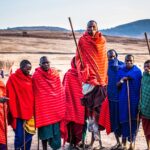
The first thing to understand about where the Maasai live is that their territory does not follow a dotted line on a political map.
The Maasai are pastoralists. They move their cattle with the rains, the grass, and the seasons, following the rhythms of a landscape that stretches from the rift valley floors of Kenya to the volcanic highlands of northern Tanzania. Their homeland predates the national borders that now divide it. Confining Maasai life to a single province, county, or coordinate is almost the opposite of how Maasai life actually works.
That said, where do the Maasai live has a precise geographical answer. Understanding that geography changes how you read a map of East Africa’s most iconic wildlife areas and how you make sense of the safari destinations that sit inside Maasai territory.
Maasailand: A Region, Not a Point
Maasai territory spans approximately 160,000 square kilometres across southern Kenya and northern Tanzania. This region, sometimes called Maasailand, is one of the largest and most intact semi-arid savanna ecosystems on the continent.
The boundaries of historical Maasailand were established long before British colonial rule and covered a far larger area than the Maasai occupy today. Colonial land alienation, national park creation, and post-independence settlement schemes compressed Maasai communities onto smaller, more fragmented territories over the course of the twentieth century.
Significant Maasai land remains in community hands, particularly in Kenya. The community conservancy model has given Maasai landholders a direct economic reason to protect wildlife habitat. That means the Maasai are not a cultural backdrop to the landscape. They are active stewards of it, and the health of the savanna is directly linked to the continuation of their land management.
Where Do the Maasai Live in Kenya?
Kenya is home to the majority of the global Maasai population. Their territory covers large parts of the Rift Valley, the southern grasslands, and the border regions with Tanzania.
Narok County: Heart of Maasai Kenya
Narok County is the centre of Maasai cultural and political life in Kenya. It encompasses the Masai Mara National Reserve and the surrounding community conservancies, including Mara North, Olare Motorogi, Ol Kinyei, and Naboisho. Together, these conservancies protect more wildlife habitat than the national reserve itself.
The Mara River gave the reserve its name and flows through Maasai community land both inside and outside the reserve boundaries. Maasai families in Narok County earn income directly from wildlife tourism through conservancy fees and village visit payments. The Great Migration crossing points along the Mara River sit squarely within Maasai community land, which means the single most-photographed wildlife event in the world happens on Maasai-owned territory.
Kajiado County: Amboseli and the Tanzanian Border
Kajiado County stretches from the outskirts of Nairobi down to the Tanzania border. This is Maasai land, and it includes the communities surrounding Amboseli National Park, where Maasai herders share the landscape with the largest free-roaming elephant herds in Kenya.
The Amboseli ecosystem, framed by Kilimanjaro’s peak, is one of the best places in East Africa to see Maasai community life and wildlife in direct proximity. Herders move cattle through the same corridors elephants use to reach water. The coexistence is not always easy, but it is remarkably enduring. Kajiado also contains the Chyulu Hills corridor and several conservancies that connect Amboseli to Tsavo.
Laikipia Plateau: Rhino Country
The Laikipia Plateau in central Kenya has a significant Maasai presence, alongside other communities and several large private conservancies. This region offers some of Kenya’s best black and white rhino, wild dog, and lion habitat. Maasai guide and ranger employment is high here, and several Maasai-led conservancies have become models for community-based wildlife management across the continent.
Transmara, Naivasha, and the Rift Valley
Maasai communities are also found in Transmara, west of the Mara, around Lake Naivasha in the Rift Valley, and in parts of Samburu County in the north. The Rift Valley territory includes some of the most dramatic landscapes in Kenya, where escarpment walls drop hundreds of metres into the valley floor.
Where Do the Maasai Live in Tanzania?
Tanzania’s Maasai communities concentrate in the north and east of the country, in the regions most closely associated with iconic safari destinations.
Arusha Region: Gateway to Tanzania’s Maasai Heartland
Arusha is the safari capital of Tanzania and the base for access to two of the most significant Maasai territories on the continent.
Ngorongoro Conservation Area is one of the world’s most extraordinary wildlife habitats, where Maasai communities hold legal rights to live and graze cattle alongside lions, elephants, and the highest concentration of predators on Earth. The Maasai were granted these rights explicitly because they were the original occupants of the area before it became a conservation zone. Their continued presence is part of the conservation agreement, not incidental to it.
Serengeti National Park takes its name from the Maa word siringet, meaning endless plain. The Maasai were the original inhabitants of the Serengeti before being displaced when the park was created. Many communities in the buffer zones surrounding the Serengeti remain Maasai, and they maintain cultural and seasonal connections to the land across the boundary.
Longido, on the Kenyan border, is traditional Maasai grazing territory. Communities here move cattle seasonally between the dry lowlands and the better-watered highland areas near Kilimanjaro.
Manyara and Monduli Districts
These areas near Lake Manyara and the Rift Valley escarpment hold significant Maasai populations. Monduli is an important cultural centre for Tanzanian Maasai communities. These districts are often overlooked on standard safari itineraries, but they offer some of the most straightforward cultural encounters in the region without the volume of visitors that the flagship parks attract.
Maasai Regions at a Glance
| Region | Country | Key Landmarks | Land Status |
|---|---|---|---|
| Narok County | Kenya | Masai Mara NR, Mara River | Community conservancies |
| Kajiado County | Kenya | Amboseli NP, Chyulu Hills | Conservancy and community |
| Laikipia Plateau | Kenya | Ol Pejeta, Lewa | Private and community |
| Transmara | Kenya | West Mara corridor | Community land |
| Rift Valley / Naivasha | Kenya | Lake Naivasha, Hell’s Gate | Mixed tenure |
| Ngorongoro | Tanzania | Ngorongoro Crater | Conservation Area with Maasai rights |
| Arusha / Serengeti buffer | Tanzania | Serengeti NP, Monduli | Buffer zone community land |
| Longido / Kilimanjaro | Tanzania | Kilimanjaro foothills | Seasonal grazing territory |
How the Maasai Use Their Land
Understanding where the Maasai live requires understanding how they use land, which operates on entirely different principles from sedentary agricultural societies.
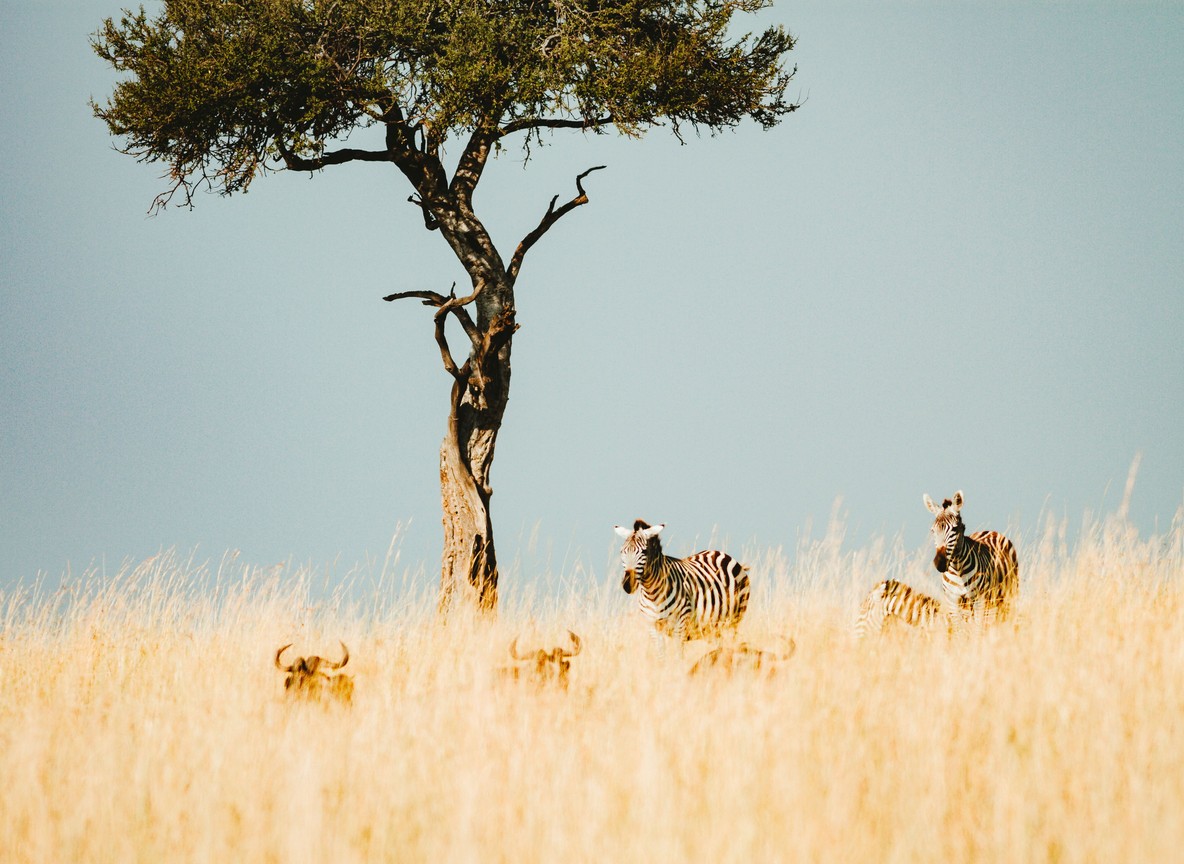
Seasonal mobility: Maasai cattle herds follow the rains. In the wet season, herders move to lower grasslands. During the dry season, they shift to higher, better-watered areas. This pattern, called transhumance, has shaped the savanna ecosystem for centuries. Without it, the grasslands degrade. The short-grass habitats that wildebeest, zebra, and gazelle depend on are a direct product of Maasai grazing management.
Communal land tenure: Traditional Maasai land is communally held. No individual owns a specific plot. Families have usufruct rights, the right to use the land, but not ownership in the Western legal sense. This communal model has come under enormous pressure from freehold titling programmes that treat individual private ownership as the only legitimate form of tenure.
Conservation as land use: In many parts of Kenya, Maasai communities have converted their land rights into conservation leases. Conservancy fees paid by safari camps go directly to community members. A live lion generates more income per year than a dead one. This is not idealism. It is straightforward economics, and it has driven some of the most significant conservation gains in East Africa over the past two decades.
Explorer Notes
- The overlap between Maasai land and East Africa’s most famous wildlife areas is not a coincidence. Maasai herding patterns kept the savanna intact for centuries before any national park boundaries were drawn.
- When you travel through the Masai Mara, Amboseli, or Ngorongoro, you are moving through Maasai territory. The landscape you are looking at reflects their management of it.
- Community conservancies in Narok County have created a model that wildlife organisations now study and replicate. Revenue from safari tourism funds schools, water projects, and healthcare directly.
- The best cultural encounters in both Kenya and Tanzania happen in communities that have genuine ongoing relationships with the travellers who visit them. Ask your operator how the entrance fee from a village visit reaches the community.
- For broader safari planning across these regions, touringinsights.com covers conservancy options, seasonal timing, and camp selection across both Kenya and Tanzania. For destination-specific detail, see our guides to Amboseli’s elephant herds and the Masai Mara reserve versus its private conservancies, both squarely within Maasai territory.
Conclusion
The Maasai do not live on the edge of Kenya’s and Tanzania’s wildlife areas. They live at the heart of them. The Mara, Amboseli, Ngorongoro, Laikipia: these are all Maasai landscapes, shaped by Maasai land management over generations. The national parks and game reserves were drawn around territory the Maasai had already maintained for centuries.
Understanding that makes every game drive richer and every cultural encounter more meaningful. You are not visiting a wilderness that happens to have people nearby. You are visiting a managed landscape whose wildness was preserved, in large part, by the community who lived in it.
Next Steps
Plan a visit to Maasai territory with a proper cultural component. A Maasai village visit in the Mara ecosystem or around Amboseli does not need to be a rushed stop between game drives. With the right operator and enough time, it becomes one of the most memorable parts of the trip.
For wildlife-focused itineraries that include Maasai community visits, trunktrailssafaris.com operates throughout the Mara, Amboseli, and northern Tanzania. Use touringinsights.com to research conservancy options, camp positions, and seasonal access across all major Maasai regions before you book.
If this guide has you ready to travel, a safari specialist can handle the route, camps, and logistics end to end.
Want to Book a Tour With Us?Further reading
More safari planning resources
- Rift Valley lakes map from Valley Safaris
- Amboseli destination guide on FindMySafari
- Map of Amboseli from Valley Safaris
- Kenya national parks map from Valley Safaris
Related guides: Wildebeest Migration Tracker Kenya: How to Read Live Updates and Use Them Well.