The singing reaches you before the village does.
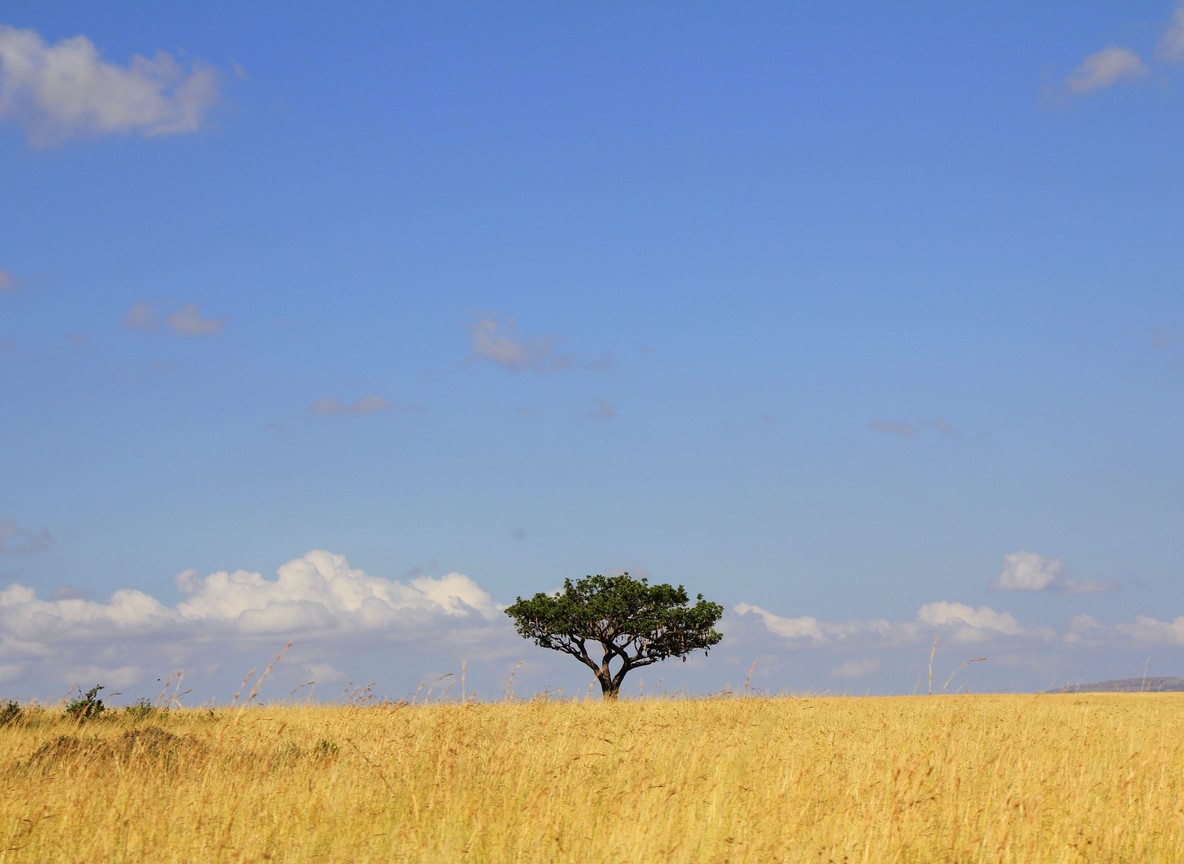
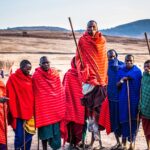
A deep, rhythmic chant rising from the savannah – voices layered and unhurried. Then the warriors come into view: tall, lean, in bright red shukas, jumping with extraordinary height against the open sky. This is a Maasai village visit, and it is unlike anything else on a Kenya safari.
A Maasai community visit is one of the most requested additions to any Masai Mara itinerary. It offers something no game drive can: a direct human connection to the land, to the people who have managed it for centuries, and to a culture that is genuinely alive rather than curated for visitors.
This guide explains what a village visit actually involves, how to engage respectfully, what separates a meaningful experience from a staged one, and what you should know before you go.
What Is a Maasai Village Visit?
A Maasai village visit – sometimes called a manyatta tour – is a guided experience inside an active Maasai homestead (boma). At genuine visits, you are walking into a real community, meeting real families, and observing traditions that are practised daily rather than arranged for tourism.
During a typical visit, expect to:
- Witness the Adumu – the Maasai jumping dance performed by Moran warriors, where height signals strength and social prestige. Moran is the Maasai term for young men in the warrior age-grade, a stage entered through circumcision and left years later at the Eunoto ceremony. Traditionally responsible for defending cattle and community against predators and rival groups, Morans occupy a distinct social role recognisable by their long ochre-tinted hair, red shukas, and the beaded jewellery they wear as unmarried men; the dancers performing the Adumu for visitors are the same warriors whose daily lives once revolved around herding and protection. This is a genuine competitive display, not a performance invented for visitors.
- Tour the boma – the circular homestead enclosed by a thorn-branch fence (enkiama), with houses (inkajijik) arranged inside. The houses are built entirely by women from mud, cattle dung, and wooden frames.
- Meet the women – who are the master craftswomen of the community. The beadwork jewellery they create is a sophisticated communication system indicating age, marital status, and clan.
- Watch fire-starting – elders demonstrate lighting fire using the traditional drill-and-board method, a skill transmitted across generations.
- Learn about cattle – the Maasai measure wealth, social standing, and spiritual connection through their herds. The cattle discussion is central, not peripheral, to understanding any Maasai community.
The visit typically lasts 60 to 90 minutes. Conversations that develop naturally can run longer.
Where to Do a Maasai Village Visit Near the Masai Mara
The best village visits are found in communities adjacent to the Masai Mara National Reserve and the surrounding conservancies. The Mara region is the ancestral heartland of the Maasai people, and communities on the edges of the reserve have maintained their lifestyle with remarkable continuity.
Several communities along the Mara’s boundaries welcome visitors through responsible tourism arrangements. Community-approved visits direct the entrance fee to the village – funding schools, water projects, and healthcare.
The quality of the experience varies significantly by operator and community relationship. Ask your camp or operator:
- Which specific community are we visiting?
- How is the entrance fee distributed?
- Will the guide speak Maa and provide cultural context, or just translate?
- Is this a community that has agreed to receive visitors, or a commercial tourism enterprise?
Good operators have established relationships. The answer to these questions reveals a great deal.
What a Genuine Visit Looks Like vs a Staged One
Maasai village visits range from deeply meaningful to entirely performative. The markers of each are identifiable before you arrive.
Signs of a genuine visit:
- You are visiting a family’s actual homestead, not a purpose-built tourist facility
- The entrance fee goes directly to the household or a community fund, not to a third-party tourism operator
- The guide is Maasai and can speak Maa, facilitating real conversation with community members
- Women are working on beadwork for their own use and for sale, not performing a demonstration
- The Adumu jumping dance happens because the warriors want to do it, not because a timer went off
- You are invited to stay, ask questions, and linger – not herded through a 20-minute circuit
Signs of a staged commercial operation:
- The visit feels structured around a fixed sequence ending at a craft market
- The entrance fee goes to a company or middleman
- The guide cannot communicate with community members except in English
- Women display pre-arranged items for sale in a grid, market-stall style
- The jumping dance lasts exactly four minutes and then everyone disperses
Both types exist around the Mara. Knowing the difference helps you choose the right operator.
How to Engage Respectfully
Ask before photographing. The Maa word “Suwa?” means “May I?” It is short, easy to learn, and produces an immediate and genuine response. Ask this before pointing a camera at anyone, including children and elders.
Bring Kenyan shillings for the craft market. Prices asked at community craft markets are fair and support household income directly. Aggressive bargaining on beadwork that takes a woman days to make is not appropriate here.
Go with curiosity. The most memorable village visits happen when visitors ask genuine questions about age grades, cattle herding routes, what young Maasai want for their futures, and what the elder is saying when he gestures at the horizon. The conversations that emerge from real curiosity are not scripted and are rarely forgotten.
Dress modestly. No shorts or sleeveless tops. Neutral or earth-tone clothing fits better in this setting than bright colours or heavily branded sportswear.
Leave the village as you found it. Carry out any waste. Do not give children sweets, pens, or money directly – if you want to support the community, buy beadwork, pay the community fee, or contribute to a school or water project through an established organization.
Why a Village Visit Matters to the Safari Experience
Most Kenya safaris are built around wildlife. The game drives, the predators, the migration crossings – these are extraordinary on their own terms. But a safari without cultural context misses something essential.
The Maasai have lived alongside the wildlife of the Mara for centuries. They are not incidental to the landscape. Understanding how Maasai herders manage cattle alongside lions, how elders read rainfall and seasonal grass growth, how the community’s relationship with the land determines the conservation outcomes that make the safari possible – this knowledge transforms a game drive from spectacular to comprehensible.
When you sit with a Maasai elder and listen to what they know about the land, the animals, and the way life should be lived, you come away understanding something that no wildlife documentary captures. The animals and the people are part of the same story. Seeing only one half of it leaves the other half unexplained.
For background on Maasai culture before your visit, the Maasai culture Masai Mara guide covers the age grade system, the significance of beadwork, and the relationship between Maasai communities and wildlife conservation.
Have questions about this itinerary or destination? Get answers from a safari specialist before you commit.
Inquire MoreFurther reading
More safari planning resources
- Interactive Maasai Mara map from Valley Safaris
- Masai Mara destination guide on FindMySafari
- Kenya tour packages from Valley Safaris
- Family safari collection on FindMySafari