

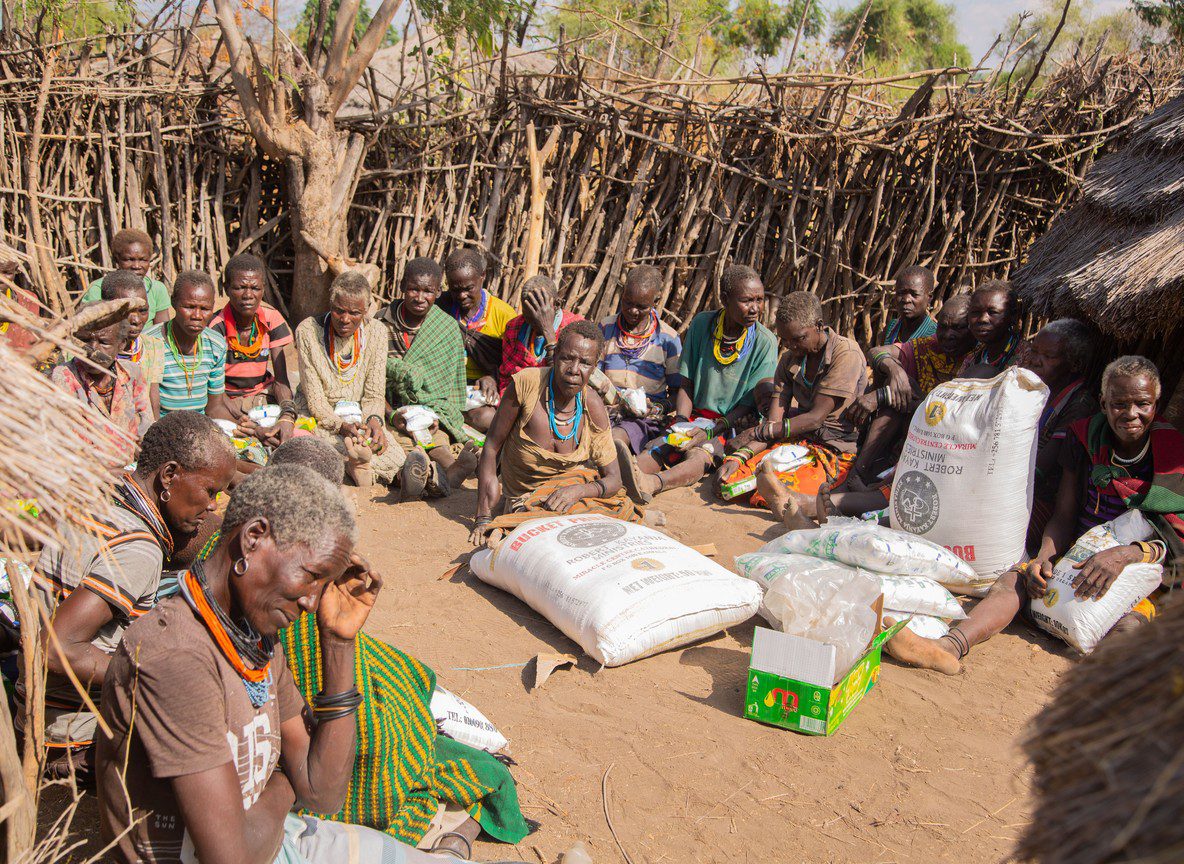
The Masai Mara is named after its people. The Maasai — a Nilotic people who have managed the grasslands of southern Kenya and northern Tanzania for several centuries — gave the reserve its name, and their ongoing presence on the community land surrounding the reserve is the reason the ecosystem exists in its current condition.
This guide is for travellers and planners who want to understand Maasai culture before arriving, who want to know what a village visit actually involves, and who want to engage with this aspect of Kenya thoughtfully rather than superficially.
Who Are the Maasai?
The Maasai are a semi-nomadic pastoralist people whose ancestral territory stretches from Laikipia in north-central Kenya south through the Mara ecosystem and into the Serengeti plains of northern Tanzania. Current population estimates run from 1.5 to 2 million people, split roughly between the two countries.
Their traditional economy is built around cattle. Cattle are not simply livestock — they are the measure of wealth, the currency of bride price, the substance of ceremony, and the theological centre of Maasai identity. Maasai oral tradition holds that Enkai (their god) gave all the cattle in the world to the Maasai at the beginning of time. This belief is encoded in language, ceremony, and the entire structure of social life.
What distinguishes the Maasai from many East African communities is the degree to which their culture and social structure have persisted into the twenty-first century. The core elements — the age-grade system, the language Maa, the ceremonial calendar, the beadwork tradition — remain active and genuinely observed in communities around the Masai Mara, not as performance but as living practice.
The Age-Grade System: How Maasai Society Is Organised
Maasai society is structured around a formal age-grade system through which every male passes over the course of his life. Each grade carries specific rights, responsibilities, and social obligations.
Junior warriors (Ilayiok): Boys undergo circumcision, typically between 14 and 18, and enter the warrior phase. Junior warriors live together in a separate camp, wear their hair long and dyed with red ochre, and train in tracking, cattle protection, and the physical skills of the warrior role. They are forbidden from certain foods and behaviors and are expected to demonstrate discipline and courage consistently.
Senior warriors (Imurran/Moran): The fully realized warriors of popular imagination — tall, lean, carrying spears and draped in red shuka, moving through the bush with practised ease. Senior warriors are the community’s defense force, its herders in remote areas, and the primary transmitters of ecological knowledge to the next generation. Their years in this grade are when detailed knowledge of land, animal movement, weather, and plant medicine is accumulated.
Junior elders: When warriors pass the Eunoto ceremony — marked by their mothers shaving their ochre-dyed hair — they transition from physical protection to governance. Junior elders participate in land decisions, dispute resolution, and community resource management.
Senior elders: The highest grade, holders of the community’s oral history and deepest authority. Their decisions on land access, ceremony timing, and major disputes carry binding weight.
This system creates an intergenerational structure that has transmitted knowledge, values, and social norms across centuries without a written language.
Maasai Warriors Today
Maasai warriors in the Mara today occupy a complex position. The traditional warrior role — protecting cattle from predators, including lions — has been transformed by wildlife conservation law and the growth of the tourism economy.
Killing a lion, which was historically the definitive warrior achievement, is now illegal under Kenyan law and increasingly rare in Mara communities as conservation programs have demonstrated the economic value of living lions. Programs like Lion Guardians have recruited former warriors as paid community wildlife monitors — tracking lions, managing human-wildlife conflict, protecting both livestock and the predators that previously threatened it.
Many warriors also work as tracker-guides in conservancy camps. Their knowledge of individual animal territories, accumulated from years of protecting cattle, represents a type of expertise that formal guide training cannot replicate. Some of the finest wildlife trackers in the Olare Motorogi and Mara North conservancies are former warriors whose childhood on the land is directly expressed in their professional work.
Maasai Dress and Beadwork
The visual language of Maasai dress is one of the most immediately recognisable in East Africa — and one of the most layered in meaning.
The shuka — the brightly coloured cloth worn by both men and women — is the most iconic element. Warriors wear red shukas draped across the shoulder; red represents blood, bravery, and warrior status. Elders wear more subdued tones. Women wear a range of colours that communicate age and marital status.
Maasai beadwork is the domain of women. Elaborate necklaces, earrings, bracelets, and head ornaments are created using seed beads in colour combinations that carry specific meaning. Red represents bravery; white represents peace and health; blue represents the sky; green represents the land. The pattern, the colour combination, and the weight of a woman’s jewellery communicate her marital status, her clan, and where she is in her life cycle.
Beadwork is not decorative in the Western sense. It is a language. A Maasai woman wearing her full jewellery to a water source or a village gathering is dressed in her identity, not her accessories.
The Maasai Boma: Inside a Traditional Village
The Maasai homestead — the boma or enkiama — is a circular compound of low houses built by women from cattle dung, mud, sticks, and grass, surrounded by a thornbush fence that keeps livestock inside and predators out at night.
A standard boma in the Mara area houses an extended family: a husband, his wives (each with her own house), their children, and the family livestock penned inside the fence overnight. The architecture is deliberately impermanent — a boma can be dismantled and relocated in days when grazing conditions require movement, though many bomas near the reserve are now semi-permanent.
Inside a boma, the day begins before dawn. Cattle are driven to grazing before first light. Women milk the cows, prepare food, and maintain the homestead. Older women bead jewellery and manage the household economy. Young boys learn tracking and cattle management from elder brothers and warriors.
Cultural Visits: What to Expect
A well-structured Maasai community visit in the Masai Mara area includes several elements:
- A welcome and briefing on protocol from a community liaison or elder
- A tour of the boma interior, including the house construction and layout
- Observation of fire-making using traditional drill-and-board methods
- A demonstration of the Adumu jumping dance by young warriors — a competitive display of physical strength and skill that is entirely genuine, even when performed for visitors
- An opportunity to buy beadwork directly from Maasai women who made it
What a responsible visit does not include: aggressive bargaining on craft prices (the prices asked are fair and support individual household income), photographing without asking, or treating the community as a backdrop for content creation.
A respectful visitor asks before photographing anyone. The Maa word “Suwa?” means “May I?” — it is brief, easy to remember, and immediately appreciated.
The Maasai and Wildlife Conservation
The relationship between Maasai communities and wildlife conservation is the least understood and most important dimension of the Masai Mara ecosystem.
The wildlife that draws visitors from around the world exists on Maasai land. The Masai Mara National Reserve is surrounded on three sides by community conservancies — Olare Motorogi, Naboisho, Mara North, Ol Kinyei, Olderkesi — where Maasai landowners lease their grazing land to conservation organizations in exchange for regular payments, employment, and community development. These conservancies keep wildlife corridors open, prevent fencing, and fund schools and clinics.
Without this ongoing Maasai decision to manage land for wildlife rather than agriculture, the community land surrounding the reserve would likely be converted within a generation. The lions, cheetahs, and elephants that define the Mara experience exist partly because Maasai communities continue to find conservation economically viable. That is a fragile, negotiated arrangement — not a given.
Understanding this changes how you engage with everything on a Mara safari: the game drives, the conservancy camp you stay in, the village visit, and the beadwork you buy.
Practical Planning Notes
Village visits: Ask your camp or operator who they work with and how the community fee is distributed. Well-run visits direct the fee to the specific household being visited, not to a third-party operator. The quality of the experience is determined far more by the guide and the community relationship than by any formal program.
Photography at cultural sites: Always ask permission. At community visits arranged by reputable operators, guides will brief you on protocol. In informal encounters — passing a warrior on the road, meeting community members at a market — the same principle applies: ask, respect the answer.
Buying beadwork: Buy directly from the maker wherever possible. Items sold at roadside stalls near the reserve gates are often not made by local Maasai women. Buying at a community visit ensures your money reaches the household.
For context on how Maasai community conservancies relate to the broader Masai Mara ecosystem, the Masai Mara conservancy vs national reserve guide explains how the land is organized and why it matters for wildlife.