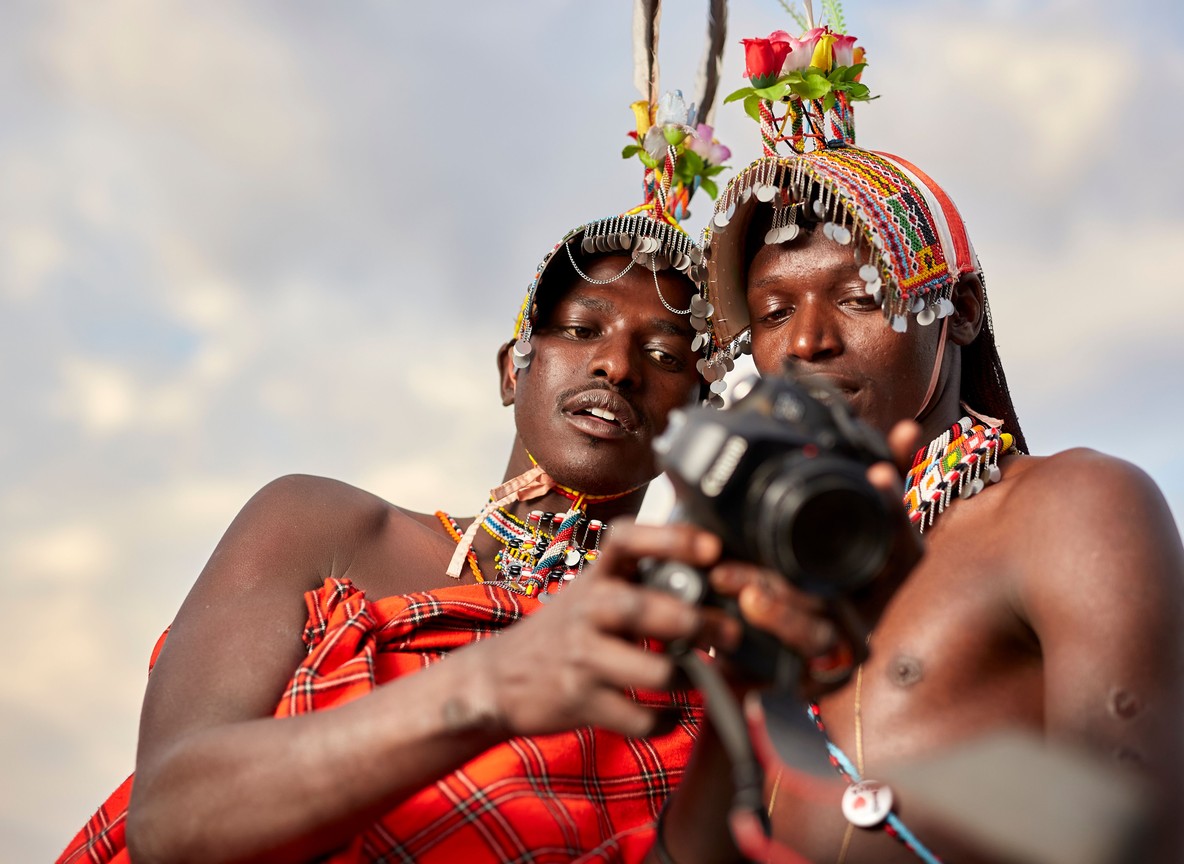
The Maasai arrived in what is now Kenya and Tanzania as conquerors.
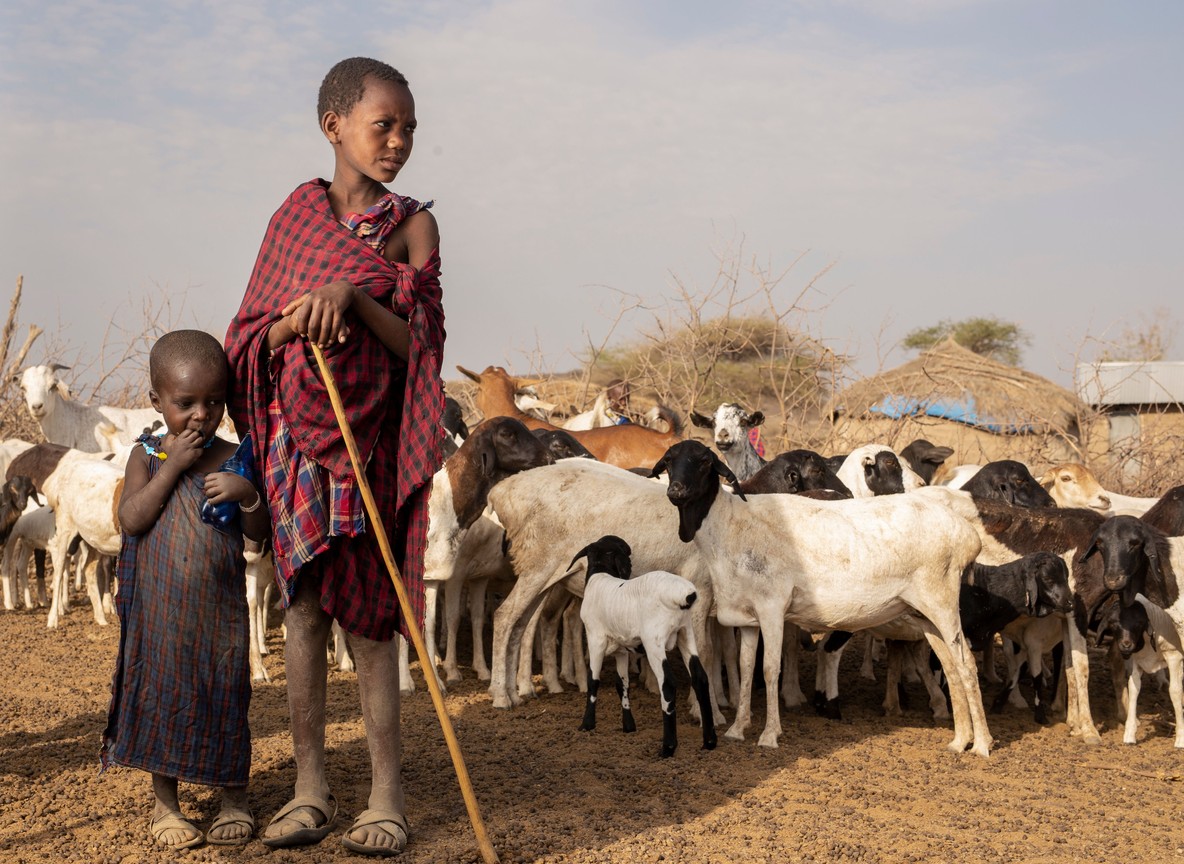
They came from the north — from the Nile Valley region that is now South Sudan and Ethiopia — bringing their cattle, their language, their age-grade social system, and a fierce territorial ambition. By the 18th century, they controlled some of the most productive grasslands in East Africa. By the early 19th century, the Maasai were at the peak of their geographic reach.
Then came the disasters: civil wars, cattle plague, smallpox, drought, and finally the British. The Maasai history of the late 19th century is one of the most dramatic reversals of fortune in African history — a dominant, expansionist people reduced in two decades to a fraction of their former territory.
Understanding this history is essential context for everything about the Maasai today: their land rights battles, their relationship with wildlife conservation, their complicated negotiation between tradition and modernity.
Maasai Origins: The Nilotic Migration
The Maasai origins story begins in the lower Nile Valley — modern South Sudan and the Ethiopia-Sudan border region. The Maasai are a Nilotic people, part of a large family of East African communities that share common linguistic and cultural ancestry tracing back to a proto-Nilotic language and social tradition.
Maasai ancestors began migrating southward sometime in the 15th century CE, moving in waves through the Great Rift Valley into the highlands and savannah of what would become Kenya and Tanzania. This migration was not a single event but a gradual southward expansion over centuries, following good cattle grazing and displacing or absorbing the communities they encountered.
By the 17th century, Maasai-speaking communities occupied a vast corridor running from Lake Turkana in northern Kenya through the Rift Valley to the Serengeti plains of northern Tanzania.
The Maasai Expansion: 17th to 19th Century
The period from the 17th to early 19th century represents the era of maximum Maasai territorial reach and cultural dominance.
During this period, the Maasai:
- Displaced the Gumba (hunter-gatherers) and agricultural communities from the Rift Valley highlands
- Raided and absorbed smaller forest-dwelling communities along the Rift escarpment
- Established dominance over vast grazing territories from Lake Turkana in the north to Kilimanjaro in the south
- Became known by neighbouring communities as formidable warriors conducting cattle raids across wide areas
European explorers arriving in East Africa in the mid-19th century reported that the Maasai dominated the interior of East Africa and were widely feared by other communities.
The Iloikop Wars: Internal Fracture
The first catastrophic chapter in Maasai history was not external. It was internal.
The Iloikop Wars (approximately 1830 to 1875) were a series of devastating civil conflicts between different Maasai sections. The Iloikop — an umbrella term for several Maasai sub-groups that had adopted limited agricultural practices — and the Ilmaasai (the pure pastoralist sections) fought repeatedly and brutally over cattle, territory, and cultural identity.
The Iloikop wars weakened the Maasai significantly, dispersed several sub-groups, and set the stage for the even greater disasters of the 1890s.
The Great Disasters of the 1890s
The Maasai history timeline of the 1890s reads as a list of every possible calamity arriving simultaneously.
1890 to 1892 — Rinderpest epidemic: A cattle plague swept down the Rift Valley from Ethiopia, killing up to 90 percent of Maasai cattle in some areas. The loss was catastrophic. Cattle were not just food and wealth — they were social identity, spiritual currency, and the foundation of the entire Maasai social system. Losing 90 percent of the herd meant losing 90 percent of everything.
1891 to 1892 — Smallpox: While the cattle died, smallpox swept through communities already weakened by famine. Estimates suggest the Maasai population fell by up to one-third during this period.
1897 to 1900 — Severe drought: The rains failed for several consecutive years, preventing livestock recovery and extending the famine.
By 1900, the Maasai had lost perhaps half their population and most of their cattle. They were drastically weakened. And then the British arrived.
Maasai and British Colonialism
Maasai colonial history is a story of land loss through legal instruments the Maasai did not fully understand, imposed on a community simultaneously trying to recover from its worst demographic collapse in living memory.
The Maasai Agreements of 1904 and 1911
The British colonial administration in Kenya signed two treaties with Maasai leaders that resulted in the Maasai being moved from their prime grazing territories in the Rift Valley to two reserves — one in Laikipia in the north and one in the south.
The 1911 agreement then cancelled the northern reserve and moved all Maasai to a single southern reserve — the Maasai Mara region and the southern grasslands bordering Tanzania.
This removal was one of the most significant Maasai land loss events in history. Several Maasai leaders challenged the 1911 agreement in British courts — one of the earliest recorded indigenous land rights legal cases in Africa — but the challenge failed.
The Creation of National Parks
Post-independence Kenya inherited the colonial model of wildlife conservation based on excluding human habitation from protected areas. The creation of national parks in the 1950s and 1960s resulted in further Maasai displacement from traditional territories.
The Masai Mara National Reserve was created in 1961, carved from community grazing lands. The communities surrounding the reserve, however, retained their land — a detail that would later become the foundation of the community conservancy model.
The Maasai After Independence
Key developments in modern Maasai land and social history:
Group ranch titling (1960s to 1980s): Maasai community lands in Kenya were formally titled under group ranch legislation, giving communities legal tenure over their land.
Group ranch subdivision (1990s to 2000s): Many Maasai group ranches were subdivided into individual plots, fundamentally changing the land tenure system and creating new land alienation risks as individual plots could be sold more easily than communal lands.
Community conservancies (2000s to present): The most significant recent development. Maasai landholders lease their land for wildlife conservation and tourism, earning direct income while maintaining ownership. The Mara ecosystem is now surrounded by more than 500,000 acres of Maasai community conservancies — Olare Motorogi, Naboisho, Mara North, Ol Kinyei, Olderkesi, and others.
The Maasai Today
The Maasai tribe history is not over. Maasai communities today are engaged in active legal and advocacy battles over land rights in both Kenya and Tanzania, running some of the most successful community-based conservation areas in Africa, navigating the tension between traditional pastoralism and modern Kenya, and producing artists, politicians, lawyers, academics, and guides whose work is shaped by both their warrior heritage and their formal education.
The community conservancy model is the most important development in recent Maasai history — a structure that compensates Maasai landowners for keeping their land in wildlife habitat rather than converting it to agriculture. The wildlife you see on any Masai Mara game drive exists partly because Maasai communities continue to find conservation economically viable. That balance requires ongoing attention and investment from the tourism industry that benefits from it.
For more on how the conservancy system works in practice, the Olare Motorogi Conservancy guide explains the structure of community lease conservation and what it means for wildlife and community income.
Have questions about this itinerary or destination? Get answers from a safari specialist before you commit.
Inquire More