The first time you pull back the canvas flap and step into a room at a top Kenyan camp, you stop and look around twice. There is a king-size bed with high-thread-count sheets. There is a claw-foot bathtub facing the window. There is a private veranda with a plunge pool, and beyond it, elephants moving through golden grass fifty metres away.
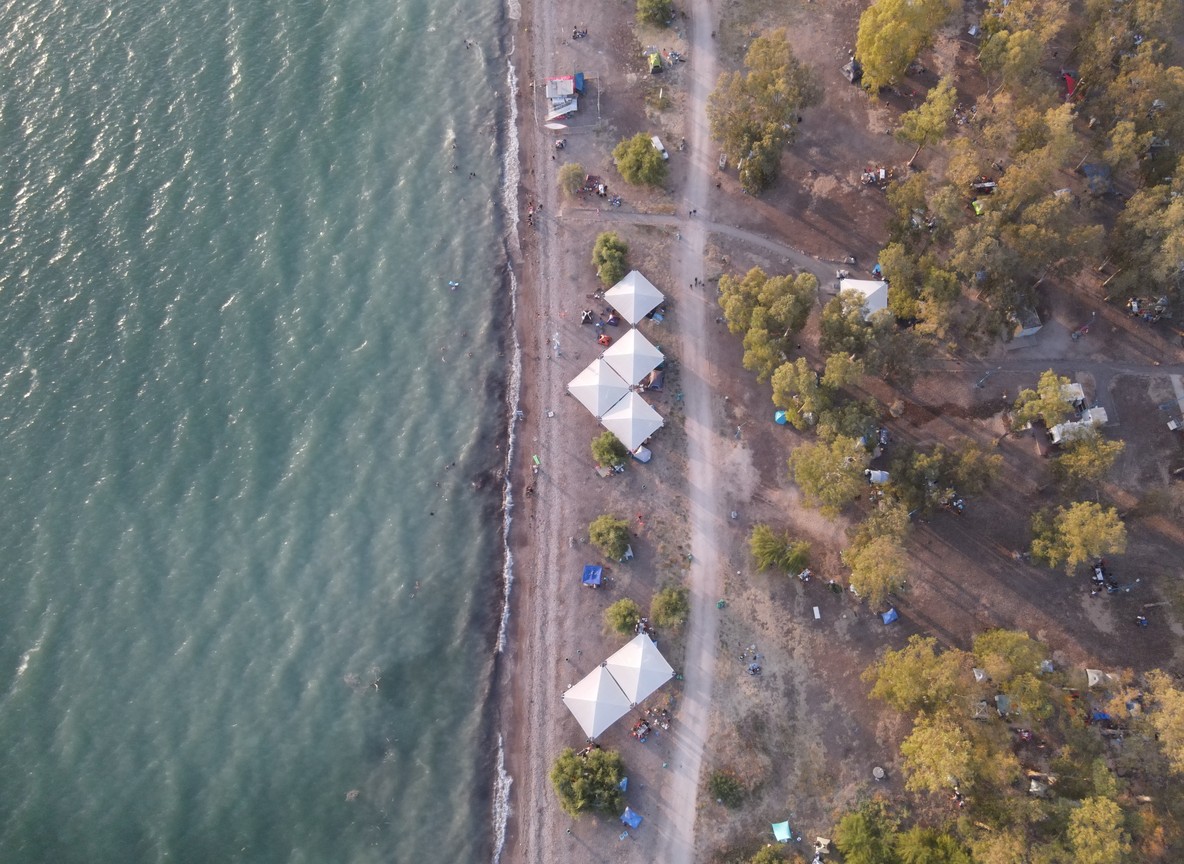
This is a luxury tented camp in Kenya, and the word “tented” does not mean what most people expect.
Why Canvas Dominates Kenya’s High-End Safari Market
This surprises people who assume the finest accommodation is solid-walled. But luxury tented camps dominate Kenya’s top-end safari market for reasons that connect directly to your experience.
A canvas structure sits lightly on the land. A permanent building needs concrete foundations and a fixed footprint that cannot be undone. A well-designed tented camp uses raised timber platforms and materials that can be removed entirely. That footprint discipline means camps can be positioned where the wildlife actually is, not where construction was easiest.
Canvas also breathes. The sound of rain at three in the morning, or a lion’s distant call carrying through the fabric walls, is something no brick room can replicate. The sensory connection is the point of being there.
What Luxury Tented Actually Includes
The confusion around the word tented comes from the enormous range it covers. A basic safari tent is canvas over a metal frame with camp beds. A luxury tented suite is something else entirely.
At a genuine high-end Kenya tented camp, the tent is typically 60 to 100 square metres of living space on a hardwood deck. Standard features at this tier include:
- Ensuite bathroom with flush toilet, hot shower, and often a freestanding bath
- Solid hardwood or teak floors throughout
- King-size or twin beds with high-thread-count linen
- Climate control via ceiling fans and ventilation panels, sometimes standalone heaters at highland camps
- Private veranda with canvas chairs, a table, and direct bush or waterhole views
- In-room amenities including filtered water, charging points, and a writing desk
- Dedicated camp staff, and at the ultra-luxury tier, a personal butler
The outer walls are canvas. Everything inside is built to a standard many five-star hotels do not reach.
The Four Tiers of Tented Accommodation
| Tier | Nightly Rate (approx.) | Key Features | Example Camps |
|---|---|---|---|
| Budget tented | $80-$180 pp | Canvas over frame, basic ensuite, camp beds | Various public-park campsites |
| Mid-range tented | $250-$450 pp | Ensuite, decent linen, dining tent, game drives included | Fig Tree Camp, Mara Serena Tented |
| Luxury tented | $500-$900 pp | Hardwood floors, king beds, private veranda, fine dining | Angama Mara, Cottars 1920s Camp |
| Ultra-luxury tented | $1,000-$2,500+ pp | Plunge pool, butler, private guide, bespoke scheduling | Mahali Mzuri, Segera Retreat, Sirikoi |
At the ultra-luxury end, guest numbers are capped at 6 to 16. Game drives are private. Meals are timed to your schedule. The guide learns what you want to see and builds each day around it.
Luxury Tented Camps by Region
Masai Mara
The Mara has the highest concentration of high-end tented camps in Kenya. The real differentiator is location: camps inside private conservancies – Naboisho, Olare Motorogi, Mara North, Ol Kinyei – have exclusive traversing rights. A guide can follow a leopard off-road rather than watch it disappear from a shared track.
Amboseli
Luxury tented camps in Amboseli offer something the Mara cannot: Africa’s largest elephant herds with Kilimanjaro as the backdrop. The best camps position your veranda so elephants cross in front of the mountain at dawn. For context on what to expect in the park, the Tourinsights Amboseli guide covers timing and camp positioning in detail.
Laikipia Plateau
Laikipia hosts some of the most private luxury tented camps in Kenya. The plateau north of Mount Kenya is a patchwork of conservancies – Ol Pejeta, Lewa, Ol Jogi, Segera – with deliberately tiny guest numbers. Wildlife includes black rhino, Grevy’s zebra, and reticulated giraffe, species absent from the Mara.
Samburu
Samburu, Buffalo Springs, and Shaba in northern Kenya offer the most remote atmosphere on the circuit. Camps sit on the Ewaso Nyiro River banks with crocodiles visible from the dining area. The Samburu Special Five are the wildlife draw and can be found nowhere south of the Ewaso Ng’iro. The Tourinsights Samburu guide covers the species in detail.
The Arrival Experience at a Top Camp
At a well-run high-end camp, you are met at the airstrip by your guide. No check-in queue, no forms. You are driven to camp, walked to your tent with a cold towel and a drink, and given a private orientation. The camp manager knows your name. Dietary preferences sent at booking have already shaped the evening menu.
Your tent will have been prepared: bed turned down, lamp lit, a handwritten note about what was spotted that afternoon. These touches only exist when guest-to-staff ratios are kept deliberately low. The nights are the real signature of a tented stay: hippos grunting near the river, hyenas calling across the dark, and nothing but a canvas wall between you and the sound. It is unsettling for a night or two, and then it becomes the thing guests remember most.
Safety at Tented Camps
Most luxury tented camps in Kenya use an electrified perimeter fence or other deterrents, with rangers on night patrol. Your tent locks from inside. The real safety structure is the camp’s ranger presence and how animal behaviour is managed around the property.
Practical rules: do not walk between tents after dark without a camp escort, do not leave food in your tent, follow your guide’s instructions. Beyond that, the risk profile of a well-run licensed camp is very low.
Who Tented Camps Suit Best
Honeymooners and couples: Canvas-and-lantern privacy, a personal butler, and the sound of the bush through the tent walls. Combines intensity of experience with genuine comfort.
Luxury solo travellers: Ultra-luxury camps with 6 to 10 guests are among the most private places to stay in East Africa.
Wildlife photographers: A private guide, flexible hours, and off-road access inside conservancies.
Milestone travellers: An anniversary, significant birthday, or long-deferred trip where adequate is not enough.
Less ideal for: Large groups (most camps cap at 10 to 16 guests), people who need reliable Wi-Fi for work, and young children at ultra-luxury properties that set minimum age requirements of 8 to 12.
Common Questions
What is the difference between a tented camp and a lodge? A tented camp uses canvas walls on raised platforms, keeping guests closer to bush sounds and smells. A lodge uses permanent stone or brick. Interior quality at the luxury end is comparable; canvas wins for sensory immersion.
Do luxury tented camps have electricity and Wi-Fi? Yes to both. Most run on solar with a generator backup. Wi-Fi is available but deliberately limited. Most guests find they stop checking their phones by day two.
What is the minimum age? Most mid-range and luxury camps welcome all ages. Ultra-luxury properties like Mahali Mzuri and Segera often set minimums of 8 to 12 years.
Planning Your Stay
For detailed comparisons of the best-positioned camps in each ecosystem, the Tourinsights guides to Masai Mara, Samburu, and Ol Pejeta / Laikipia give camp-level guidance for each region. For honeymoon-focused planning, the Tourinsights honeymoon safari guide covers the specific considerations for couples at each tier.
If this guide has you ready to travel, a safari specialist can handle the route, camps, and logistics end to end.
Want to Book a Tour With Us?Further reading
More safari planning resources
- Map of Samburu from Valley Safaris
- Luxury safari collection on FindMySafari
- Ol Pejeta and Sweetwaters safari package from Valley Safaris
- Samburu destination guide on FindMySafari