Choosing where to stay in the Masai Mara is one of the most consequential decisions in your Kenya safari planning. The camp you pick determines your game drive timing, your vehicle setup, your guide, how many other vehicles you share sightings with, and whether you can go off-road when an animal moves off the track.
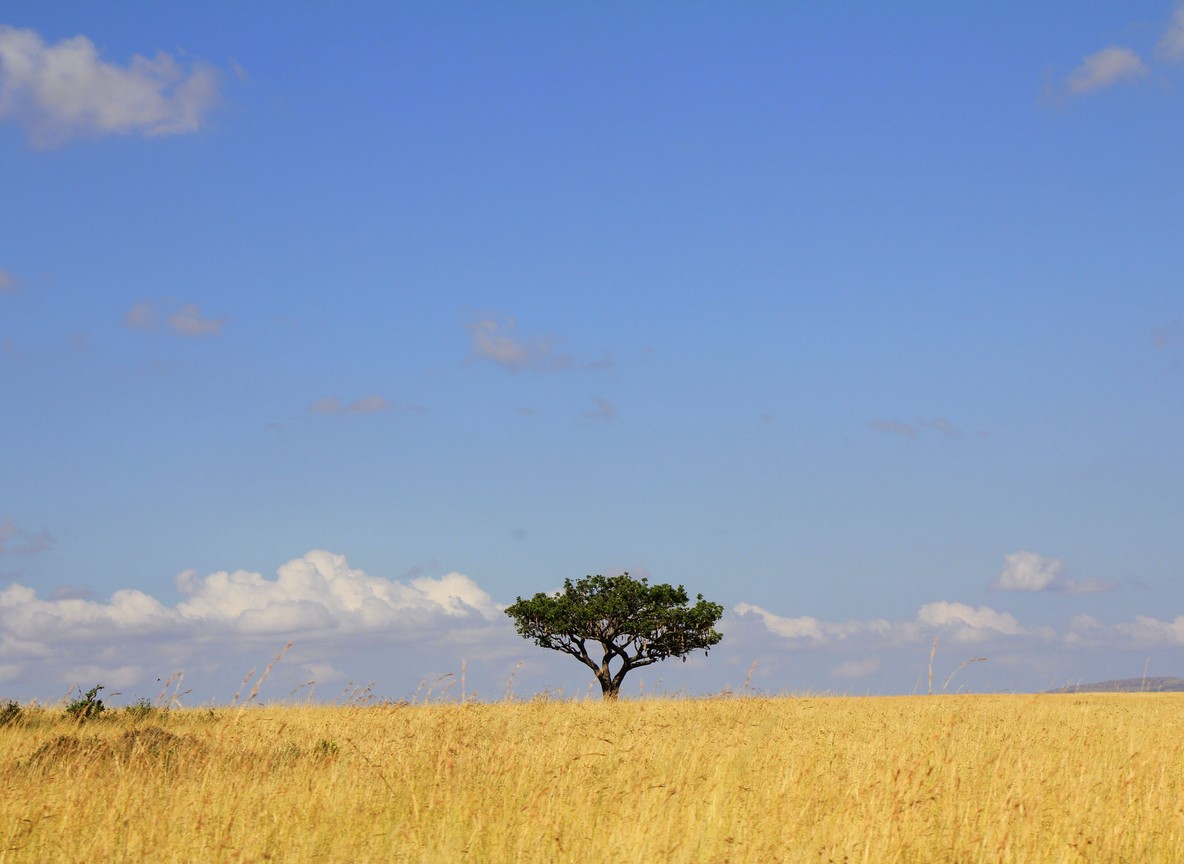
Loyk Mara Camp sits at Olare Orok Conservancy — one of the private conservancies bordering the Masai Mara National Reserve. That positioning is important to understand before you commit.
What Is Olare Orok Conservancy?
Olare Orok is a private conservancy on the northeastern boundary of the Masai Mara National Reserve. Like the other conservancies in the Mara ecosystem — Naboisho, Mara North, Ol Kinyei, Olare Motorogi — it operates on leased Maasai community land. Landowners receive regular payments in exchange for keeping the land available for wildlife use rather than agriculture.
What this structure produces for safari travelers:
- Night game drives are permitted (illegal in the national reserve)
- Off-road driving is permitted when following an animal
- Visitor numbers are strictly capped at a much lower level than the reserve
- Fewer vehicles share any given sighting
- Walking safaris with armed rangers are possible
These are not small differences. They are structural advantages that change the quality of the game drive experience in ways that the main reserve cannot replicate regardless of which camp you choose there.
Olare Orok specifically sits adjacent to some of the best predator territory in the Mara ecosystem. Lion territories cross between the conservancy and the reserve. Leopard, cheetah, and spotted hyena are all resident. The conservancy’s northeastern position also means guests get early-morning access to areas that are productive in the golden hour before the reserve crowds build.
Location and Access
Loyk Mara Camp is reached from Nairobi via two main routes. The fly-in option is fastest: flights from Nairobi Wilson Airport to the Olare Orok or Mara North airstrips, then a short camp transfer. Flight time is roughly 45 minutes. Most of the conservancy airstrips are served by Safarilink and Air Kenya.
The road drive from Nairobi takes approximately five to six hours depending on conditions and route. The road from Nairobi via Mai Mahiu and Narok is the standard approach. The last section into the conservancy is unpaved and requires a 4×4.
Most guests staying at Loyk Mara Camp arrive by air for the time savings. The road option works well for travelers who want to see more of the Kenyan landscape en route or who are combining the Mara with an Amboseli drive-in circuit.
Wildlife at Loyk Mara Camp
The Olare Orok Conservancy holds a strong resident wildlife population throughout the year, with seasonal changes driven by the broader Mara ecosystem’s cycles.
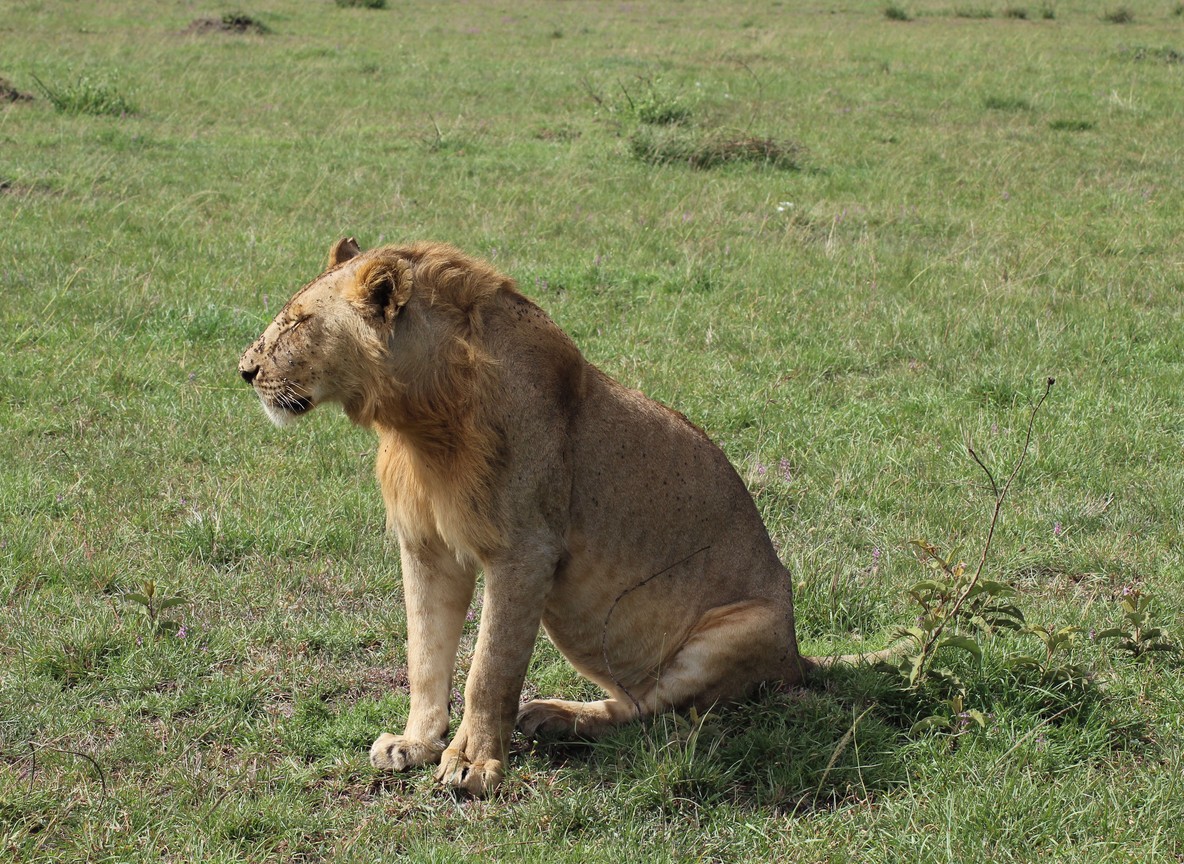
Predators: Lion prides with established territories use the conservancy regularly. Leopard sightings are consistent, particularly in the fig tree and riverine thicket areas. Cheetah are more likely on the open grassland sections. The conservancy’s off-road access is a significant factor here — following a leopard that moves into the bush is possible in a way it is not in the reserve.
Elephants: Family groups move through the conservancy, particularly in the morning and evening hours. The northeastern Mara tends to have slightly smaller herds than the southern sections, but sightings are regular.
The wildebeest migration: Olare Orok sits north of the main Serengeti-to-Mara crossing points. During peak migration months (July to October), the herds move through and around the conservancy before concentrating near the river crossing points further south and west. The conservancy’s position gives guests good access to dispersed migration herds without the vehicle concentration that builds at the major crossing sites.
Year-round viewing: Outside migration season, Olare Orok produces reliable wildlife viewing. The resident predator population does not disappear when the wildebeest move through — the ecosystem’s year-round biodiversity is one of the Mara’s underrated qualities.
What a Game Drive From Loyk Mara Camp Looks Like
The practical game drive experience from Loyk Mara Camp is shaped by the conservancy’s rules and the camp’s position within it.
Morning drives typically depart before dawn and run until mid-morning. The golden-hour light window in the first hour after sunrise is the most productive for both photography and predator activity. The conservancy’s lower vehicle density means the light at a sighting is not immediately filled by six other safari vehicles pulling up.
Night drives depart in the late afternoon and continue after dark. Nocturnal species — bush babies, aardvark, serval, and the occasional honey badger — are the specific draw, but predator activity after dark adds a different dimension to the experience. Spotlights are used from the vehicle.
Off-road access means guides can follow animals that move away from the tracks. This is how the best big cat sightings unfold — not from a track fifty metres away, but from a position that allows you to watch behavior develop without the angle and distance that track restrictions impose.
Who Loyk Mara Camp Works Well For
The conservancy model suits travelers who want a more exclusive game drive experience than the national reserve’s shared infrastructure provides. If you care about vehicle numbers at sightings, off-road capability, and night drives, the conservancy format is the right choice.
Loyk Mara Camp specifically works well for:
- Couples or small groups wanting a quieter, less crowded Mara experience
- First-time safari travelers who want the best possible access to the full range of predator activity
- Photographers who need off-road positioning and good light without competing vehicles
- Travelers with limited time who want the highest daily wildlife encounter quality possible
- Anyone interested in making night drives a regular part of the itinerary
It is less suited to large groups (conservancy accommodation is by definition small-scale) or travelers for whom the budget premium of conservancy stays over national reserve camps does not match their priorities.
Comparing Olare Orok Against the National Reserve
| Factor | Olare Orok Conservancy (Loyk Mara Camp) | Masai Mara National Reserve |
|---|---|---|
| Night drives | Yes | No |
| Off-road driving | Yes | No |
| Visitor cap | Low | No formal cap |
| Vehicle numbers at sightings | Fewer | More |
| Walking safaris | Yes | No |
| Park fees structure | Conservancy fee model | Standard KWS fees |
| Price point | Higher | Range of options |
| Migration access | Very good during peak months | Excellent at crossing points |
The reserve has its own advantages — a wider geographic area to cover and more dramatic concentration during peak migration crossings near the Mara River. For travelers visiting for the first time in August, a few drives inside the reserve specifically to access the river crossing action makes sense alongside a conservancy base.
Practical Planning Notes
Booking lead time: Olare Orok conservancy camps have limited beds. During July to October, availability closes months in advance. Planning at least six months out for peak migration season is realistic. Shoulder seasons (June, November) require less lead time but benefit from early confirmation.
Season: The Masai Mara and surrounding conservancies are excellent year-round. Peak season brings the migration but also the highest prices and most competition for airstrip space. Green season (April to June) offers dramatically lower rates and a different visual character — lush and atmospheric with fewer vehicles. November is a strong shoulder-season month.
Pairing with other parks: Most travelers combine the Mara with another Kenya destination. Amboseli to the south and Samburu to the north are the most common pairings, covering elephant with Kilimanjaro views and the northern Kenya dry-country species respectively. The Mara works well as either the first or last stop on a multi-park circuit.
Explorer Notes
Olare Orok is not the largest or most famous of the Mara conservancies, but it is consistently strong on predator activity and guide quality. The northeastern position gives it slightly different wildlife traffic than Mara North or Naboisho, and that variation can be interesting if you are building a multi-conservancy visit or comparing options.
If you are undecided between several Mara conservancies, the guide to best camps in the Masai Mara on this site covers the main options and their specific strengths. For broader Mara planning — timing, routing, and what to expect across the ecosystem — touringinsights.com covers the full decision set.
Trunktrails Safaris (trunktrailssafaris.com) has direct relationships with the Olare Orok conservancy camps and can provide current seasonal advice if you want ground-level input from a Nairobi-based operator.
Conclusion
Loyk Mara Camp at Olare Orok Conservancy is a strong base for travelers who want the full Masai Mara experience, including the access advantages that the private conservancy model provides over the national reserve. Night drives, off-road capability, and low vehicle density at sightings are not minor improvements — they are the difference between watching a lion from a distance on a track and being positioned to follow what happens next.
The camp suits travelers willing to pay the conservancy premium for that quality of access. For that audience, Olare Orok delivers consistently.
Next Steps
For planning a Masai Mara conservancy safari, the key decisions are which conservancy matches your priorities, how many nights to allocate, and how to combine the Mara with other Kenya parks. The 3-night vs 5-night Masai Mara guide and the 5-day migration itinerary on this site are useful starting points for the itinerary side of the planning.
If this guide has you ready to travel, a safari specialist can handle the route, camps, and logistics end to end.
Want to Book a Tour With Us?