Most people land in Nairobi and immediately think about getting out of the city. The Masai Mara, Amboseli, Tsavo — they are all calling. What surprises nearly every first-time visitor is that the best wildlife experience within 45 minutes of their hotel is on the city’s southern edge.
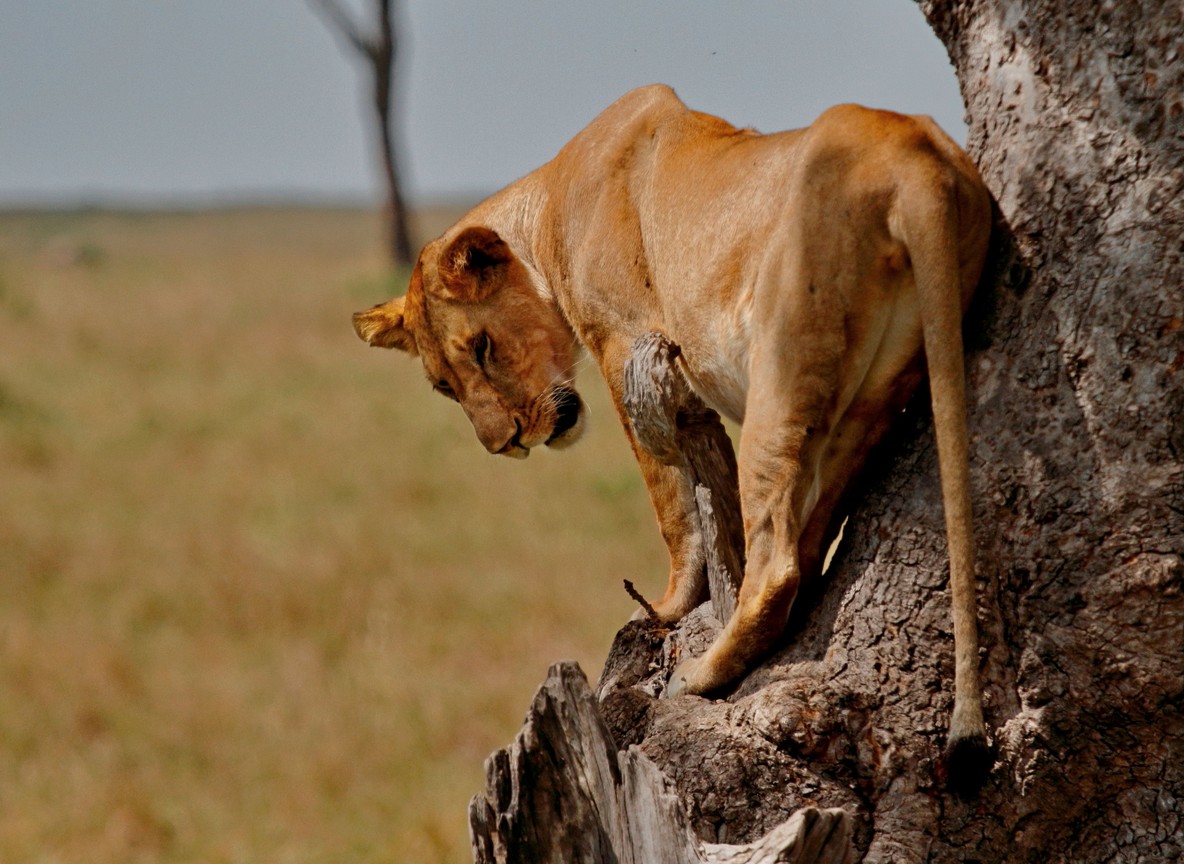
Nairobi National Park is the only national park in the world that shares a fence line with a capital city. Lions rest in the shade of acacia trees with a skyline behind them. Black rhinos graze within sight of apartment blocks. Giraffes cross the plains while jets climb out of Wilson Airport overhead.
For families, stopover travellers, or anyone arriving with a day to spare, a morning game drive here is one of the most efficient, genuinely wild experiences on the continent.
What Makes Nairobi National Park Different
The park covers 117 square kilometres — small by Kenya standards, but large enough to hold real wilderness. The southern boundary is an open corridor that connects to the Kitengela plains, allowing wildlife to migrate freely in and out. That corridor is the reason the park still functions as a living ecosystem.
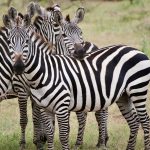
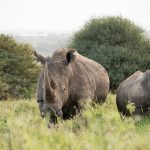
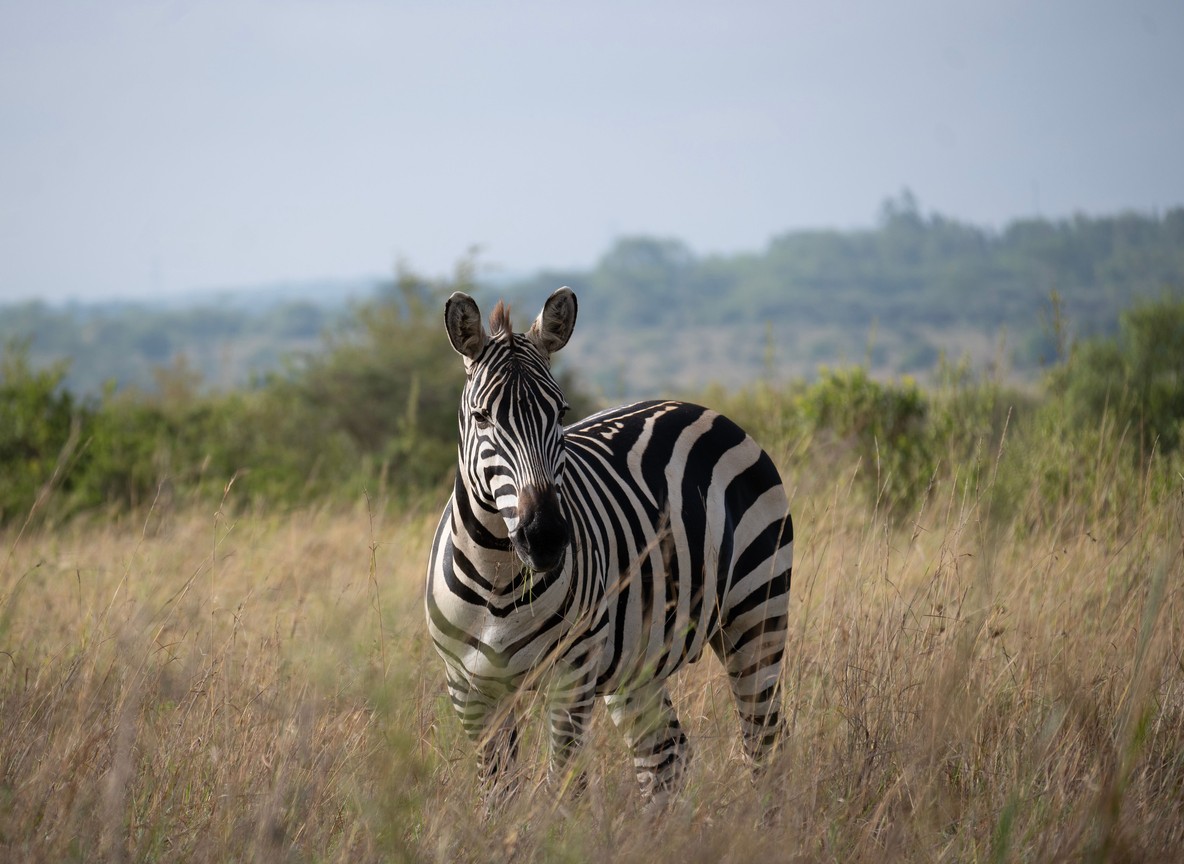
Inside the park: lions (one of the most reliably-viewable prides in Kenya), leopard, cheetah, black rhino (one of the highest densities per square kilometre in Africa), buffalo, hippo, over 400 bird species, and every plains ungulate from zebra to eland to kongoni. What you will not find: elephant. The park is too small to support a permanent herd, though individuals wander through occasionally.
The black rhino population is the park’s headline achievement. Kenya Wildlife Service has managed Nairobi National Park as a rhino sanctuary for decades. If seeing black rhino in the wild is a priority, this is one of the most reliable places on the continent to do it.
Entry Fees (2026)
| Visitor Category | Daily Fee |
|---|---|
| Non-resident adults | USD 60 |
| Non-resident children (3-18 yrs) | USD 35 |
| East African residents (adults) | KES 600 |
| East African residents (children) | KES 300 |
| Kenya citizens (adults) | KES 215 |
Fees are paid via the eCitizen portal, M-Pesa, or cash at the main Langata Gate. Vehicle entry adds a small conservation fee for private non-resident vehicles.
The park opens at 06:00 and closes at 18:00 daily. Main entry points are Langata Gate (most common) and East Gate (faster from the airport side).
Game Drive: How to Structure Your Visit
A morning game drive — gate entry by 07:00 — is the most productive option. Predators are still moving from overnight hunts, the light is excellent for photography, and the open grassland with the city skyline in the background produces images that are genuinely unlike anything else in Kenya.
The main game circuit runs approximately 28 kilometres of well-graded murram road. Most vehicles complete the full loop in 3-3.5 hours with reasonable stops. The southern grassland area around Hyena Dam and the Hippo Pools is consistently productive for rhino and predator sightings. The Mokoyeti Gorge section holds leopard and is worth a slow pass.
Self-drive vs guided: Self-drive is permitted. A guide, however, adds significant value — in a compact park, knowing where to stop and wait is the difference between a productive drive and covering the circuit without meaningful encounters. KWS ranger guides are available at the gate.
What a full day looks like:
- 06:30 — Gate entry, start southern circuit
- 07:00-10:00 — Grassland game drive; rhino, lion, cheetah habitat
- 10:30 — Hippo Pools viewing platform
- 11:00 — David Sheldrick Wildlife Trust elephant orphanage (11:00 public session, pre-booked)
- 12:30 — Lunch in Karen or Langata
- 14:00 — Afternoon at leisure or Karen Blixen Museum
Wildlife by Habitat
Open grassland (south and central sections): Lions, cheetah, zebra, wildebeest, kongoni, eland, Grant’s gazelle. The open terrain means good visibility for predator hunting behaviour in the early morning.
Athi and Mbagathi riverine forest: Leopard (present but rarely seen), black-and-white colobus monkey, hippo pools, baboon, and a high concentration of forest bird species. The Mokoyeti Gorge area holds leopard and is the most rewarding section to drive slowly.
Rocky outcrops and scrub: Klipspringer, dik-dik, Egyptian mongoose, and monitor lizard. The Impala Observation Hill area — a raised viewpoint inside the park — offers wide views over the grassland and the Nairobi skyline simultaneously.
Birdlife: Over 400 species recorded, including ostriches on open grassland, augur buzzard overhead, and European migrants present November-April.
Best Time to Visit
Dry season (June-October): Prime game viewing. Vegetation thins, watercourses shrink, and animals concentrate around permanent water. Lion sightings most frequent. Migrating herbivores from the Kitengela corridor return to the park as the athi plains dry out — large herds of wildebeest on the open southern grassland are not unusual.
Green season (November-May): Lush, vivid landscape. Calving season for zebra, wildebeest, and kongoni — young animals attract predators and create dynamic activity. Bird count peaks with northern migrants present. Photography light during the overcast green hours can be excellent. Entry fees and visitor numbers are lower.
The Kitengela Corridor: Conservation Context
Nairobi National Park’s southern boundary has always been unfenced, connecting to the Kitengela plains that extend south toward the Athi-Kapiti ecosystem. For decades this corridor allowed wildebeest, zebra, and other species to migrate freely between the park and the wider plains according to seasonal rainfall.
That corridor is now under pressure from residential development, fencing, and road construction. Kenya Wildlife Service and several conservation NGOs are working to maintain access points and negotiate community agreements to keep wildlife movement possible. The long-term ecological viability of the park depends on it.
A visit to Nairobi National Park is simultaneously a wildlife experience and a front-row view of one of conservation’s most contested urban challenges.
Combining With the Elephant Orphanage
The David Sheldrick Wildlife Trust elephant orphanage operates adjacent to the park’s main gate at Langata. The daily public visiting session runs 11:00-12:00. Infant elephants rescued from the wild — orphaned by poaching or drought across Kenya — interact with keepers and visitors in an open, unfenced space.
Entry is by donation (approximately USD 8 per adult). Book online at sheldrickwildlifetrust.org at least 2-3 days in advance — the public session fills quickly.
The most natural combination: morning game drive (07:00-10:30) followed by a break, then the 11:00 elephant orphanage session. Lunch in Karen and the Karen Blixen Museum in the afternoon makes a complete Nairobi wildlife day.
Practical Tips
- Layers: Nairobi sits at 1,660 metres. Early morning game drives at this altitude are cool, even in the dry season. A light fleece is worth packing.
- Binoculars: The open grassland rewards spotting from a distance. Essential, not optional.
- Black rhino locations: Most reliably found in the western park sections near Impala Observation Hill and the Rongai Forest block. Confirm with your guide at the gate.
- Parking and facilities: The main gate has a cafe, clean toilets, and supervised parking. The KWS Safari Walk boardwalk (adjacent, separate entry fee) is a worthwhile 45-minute addition for visitors with extra time.
- JKIA connections: The park gate is approximately 10 kilometres from Jomo Kenyatta International Airport — 15-20 minutes in light traffic, 30-40 minutes in peak hours. A morning game drive before an afternoon departure flight is genuinely feasible.
Have questions about this itinerary or destination? Get answers from a safari specialist before you commit.
Inquire More