Little Governors’ Camp holds a particular place in Masai Mara history. Part of the Governors’ Camp Collection – the same family that has been operating camps in the Mara since 1972 – it sits inside the national reserve on the western bank of the Mara River, accessible only by boat. That detail alone sets it apart from almost every other camp in the ecosystem.
This guide covers what the camp is, where it sits, who it suits, what the wildlife access looks like, and where it sits in the pricing landscape. It is written for travellers and planners researching Masai Mara accommodation options, not for people already committed to booking.
Location and Setting
Little Governors’ Camp is located inside the Masai Mara National Reserve, on the western side of the Mara River in the area between the main reserve and the Mara Triangle. This position is important in several ways.
First, the camp is fully inside the national reserve boundary. Unlike conservancy camps that sit on community land adjacent to the reserve, Little Governors’ guests are already within the park from the moment they step out of their tent. Drive times to productive wildlife areas are minimal, and the camp is surrounded by reserve-quality habitat with no buffer zone to cross.
Second, access requires a boat crossing. Guests are ferried across the Mara River from the eastern vehicle track. The crossing is short – a few minutes – but it creates a genuine sense of arrival and naturally reduces casual visitor traffic. No one stumbles into this camp by accident.
The riverine setting means hippos are heard at night (and seen from camp during the day) and the Mara River crossing action during migration is very close at hand.
Conservancy Context
This is an inside-the-reserve camp, not a conservancy camp. The distinction matters for planning.
Inside the national reserve, rules set by the Narok County Government and Kenya Wildlife Service apply. Night game drives are not permitted in the national reserve. Off-road driving is officially restricted, though enforcement varies by zone and season. Park fees apply per person per day (currently USD 200 for non-resident adults in peak season).
What the reserve does offer: some of the highest wildlife densities in Kenya, a well-maintained road network, and proximity to the Mara River for watching migration crossings if you are visiting between July and October. The camp’s position in the western reserve also gives reasonable access to the Mara Triangle via the Serena Bridge, and the Triangle’s roads are managed by the Mara Conservancy (a separate management body from the county) to a consistently higher standard.
Camp Style and Layout
Little Governors’ Camp has 17 tents, making it one of the more intimate options within the national reserve itself (as opposed to the large lodges at Keekorok, Sopa, or Serena). The tent design follows the classic East African tented camp formula – wooden platform, canvas walls, en-suite bathroom – in a style that has changed relatively little since the camp was first established.
The aesthetic is deliberately nostalgic. The camp does not pursue the ultra-contemporary look of newer luxury camps like Mahali Mzuri or Angama. It values continuity with the classic Mara safari tradition: canvas, dark wood, kerosene lanterns at night, the sound of the river. Guests who respond to that aesthetic – and who prioritise wildlife access over design novelty – find it deeply satisfying.
The main dining area overlooks the Mara River, which provides the most consistent entertainment in camp: hippos below, occasional crocodiles, kingfishers and fish eagles along the banks, and in the right weeks, wildebeest visible on the opposite bank preparing to cross.
Activities
Game drives in the reserve are the primary activity. The camp uses vehicles and guides from the Governors’ Camp network, which has one of the strongest guiding reputations in the Mara. Morning and afternoon drives are standard; full-day drives with a bush picnic lunch are also available.
Balloon safaris operate from a launch site not far from camp. The Governors’ Camp balloon operation is one of the longest-established in the Mara and uses the morning flight window to cover the river and surrounding plains before game drive traffic builds up.
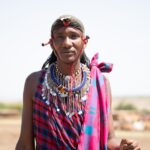
Maasai village visits are arranged from camp to communities adjacent to the reserve. These are standard cultural extensions to the game drive program.
Night drives: not available in the national reserve. Guests who want night drive access need to either supplement with a conservancy stay or choose a conservancy-based camp from the outset.
Walking safaris: limited in the reserve itself. Short walks from camp are sometimes possible with a ranger escort, but the national reserve is not the right destination for guests whose primary goal is immersive walking.
Wildlife Access
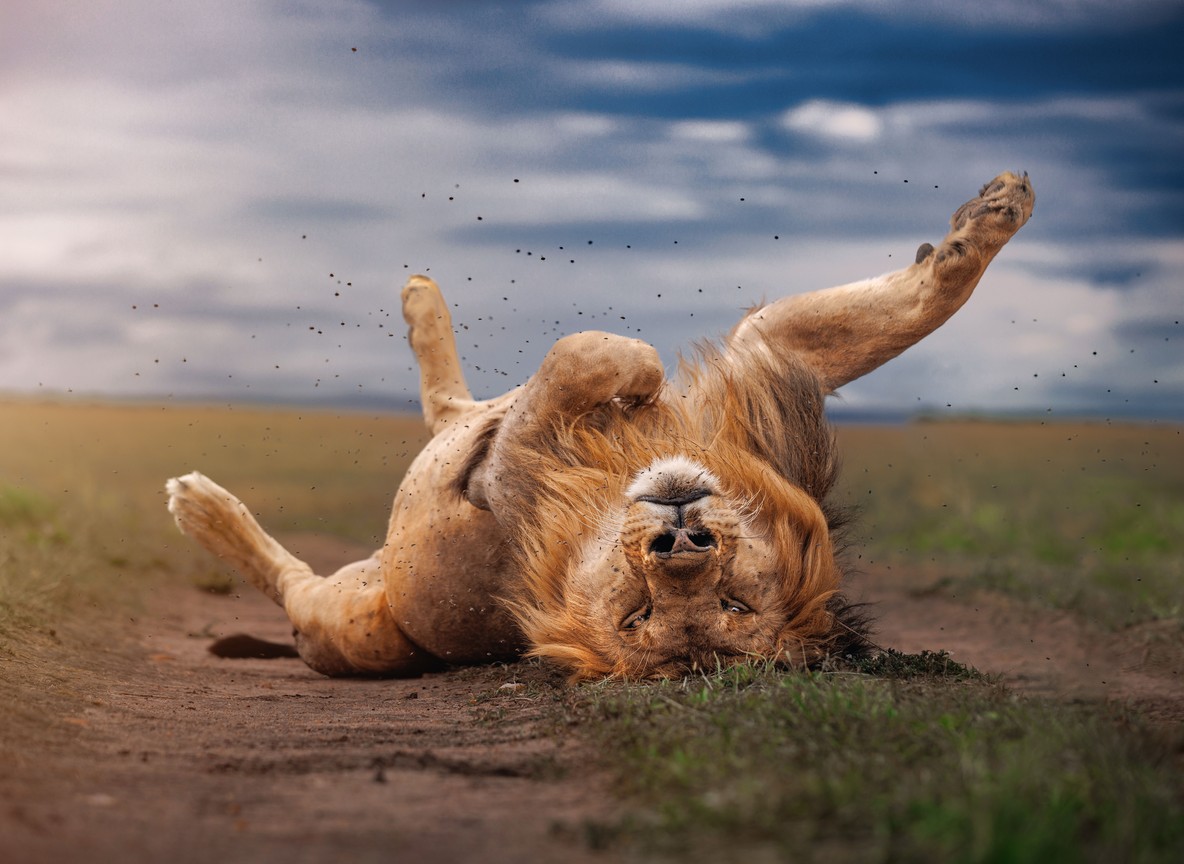
The western reserve and the approaches to the Mara River produce excellent year-round wildlife. Lion prides with well-known territories are regularly sighted in this zone. Cheetahs use the open grassland between the river and the central plains. Leopards are harder to find in the reserve than in conservancies (fewer off-road vehicle movements means less individual tracking) but resident populations exist along the riverine forest.
Elephants are common throughout the reserve, and large bachelor herds move through the western zone regularly. Hippo pods in the Mara River are visible from camp.
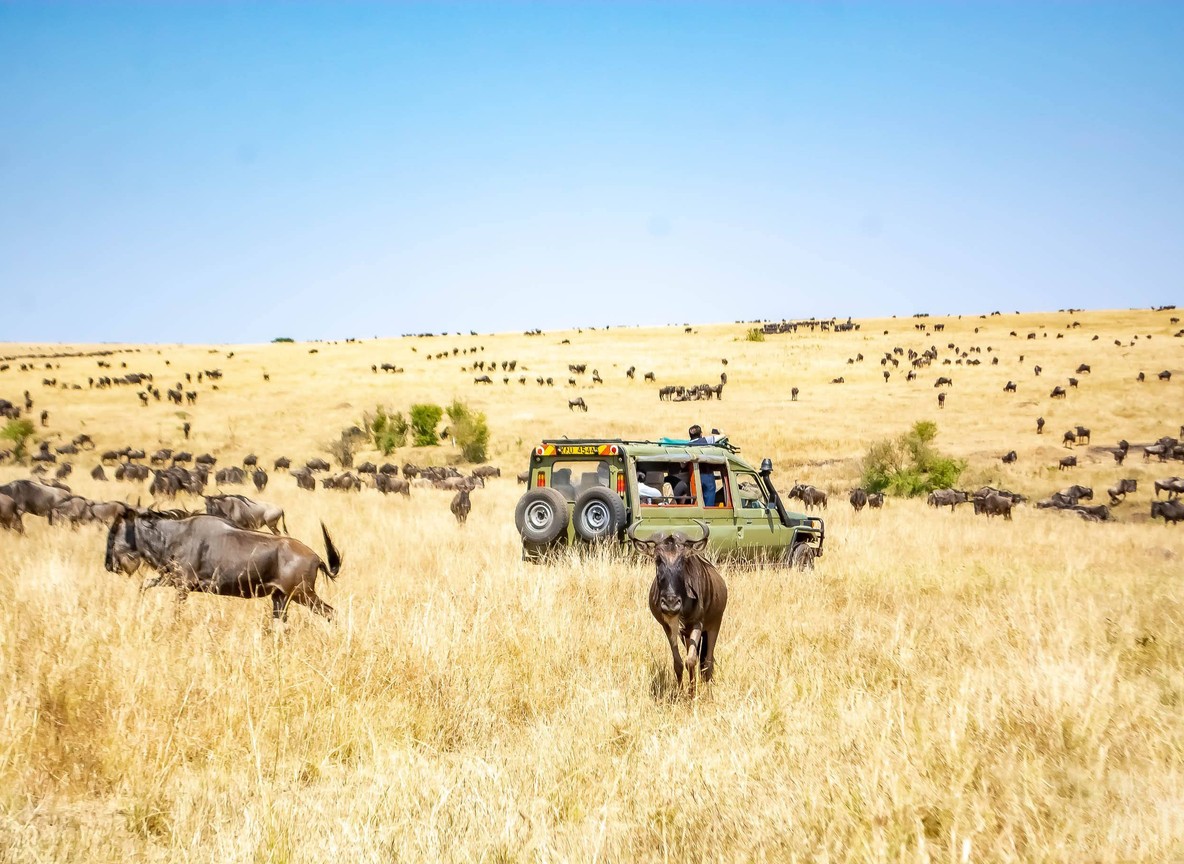
During migration season (July through October), the Mara River crossings happen within striking distance of the camp. The Governors’ guide network and radio communication across the wider camp family means crossing intelligence is usually current and reliable. This is one of the camp’s strongest arguments during peak season.
The reserve’s limitation versus conservancies: vehicle density at major sightings is higher, particularly during August and September when tourism peaks. Multi-vehicle congestion at river crossings and big cat sightings is a real factor to manage expectations around.
Who Little Governors’ Camp Suits
Migration travellers visiting specifically in July through October who want close proximity to the river action and an established operator with strong crossing intelligence. The camp’s position and guide network make it a reliable choice for this specific objective.
Classic Mara enthusiasts who value the heritage feel of a traditional tented camp over contemporary design. If the aesthetic of early East African safari camps appeals, Governors’ delivers it authentically.
First-time safari travellers who want a well-structured program, reliable logistics, and an operator with decades of in-reserve experience. The Governors’ brand represents consistency in a sector where quality varies widely.
Guests who are not prioritising night drives or walking safaris – if these activities are important, a conservancy camp is the better choice. Little Governors’ delivers an excellent reserve-based program but cannot offer the additional conservancy activities.
Families and couples both work well here. The smaller camp size (17 tents) means it rarely feels crowded, and the river setting provides constant background entertainment for non-drive hours.
Pricing Tier
Little Governors’ Camp sits in the upper-mid to luxury tier – broadly comparable to Fig Tree Camp, Mara Intrepids, and Entim Camp in terms of positioning, rather than the ultra-luxury tier occupied by Mahali Mzuri, Angama, or the Sanctuary camps.
Indicative pricing runs from approximately USD 450 to USD 800 per person per night all-inclusive (accommodation, meals, park fees, game drives), with significant variation between green season (April to June) and peak migration season (August to September). Green season rates can drop substantially and represent the best value window for experienced safari travellers comfortable with occasional rain.
Park fees for the Masai Mara National Reserve are additional in some package structures but are typically bundled into all-inclusive rates at camps of this tier.
Balloon safari costs are not included in standard rates and are charged separately (approximately USD 450 to USD 500 per person as of 2025/26). The flight itself runs about an hour, with a pre-dawn pickup from camp so the balloon can launch as first light breaks over the plains. Landing is followed by the tradition most guests remember best: a full champagne bush breakfast set up wherever the balloon happens to touch down, cooked and served in the open by the ground crew that has been tracking the flight from below.
Practical Planning Notes
Access: Most guests fly into Ol Kiombo or Mara North airstrips and transfer by road plus the short boat crossing to camp. Flying is strongly recommended over driving from Nairobi (roughly 5-6 hours on a combination of tarmac and rough murram roads).
Best months for migration: August and September for peak crossing activity on the Mara River itself. July and October are shoulder migration months with fewer crowds and competitive rates.
Best months for non-migration visitors: January and February (excellent predator activity, short grass, calving wildebeest on the short grass plains to the south), and June (start of dry season, vegetation opening up, migration approaching).
Connectivity: Mobile signal is limited at camp. WiFi is available in the main area. Satellite communication is used for emergencies. This is an asset, not a problem – the Mara’s relative disconnection is part of what guests come for.
For comparison with other inside-reserve options, the Masai Mara inside vs outside reserve camps guide provides a structured breakdown of how different camp positions affect the daily safari experience.
If this guide has you ready to travel, a safari specialist can handle the route, camps, and logistics end to end.
Want to Book a Tour With Us?Further reading
More safari planning resources
- Wildebeest migration route map from Valley Safaris
- Great Migration safari collection on FindMySafari
- Kenya national parks map from Valley Safaris
- Best time to visit Kenya month-by-month map from Valley Safaris
Related guides: Masai Mara Inside vs Outside the Reserve: How Camp Location Shapes Your Safari, Tented Camp vs Lodge in the Masai Mara: Choosing the Right Base for Your Safari, Wilderness Mara (fmr. Little Governors’ Camp): What the Rebuild Means and What to Expect.