Kicheche Mara Camp sits inside Mara North Conservancy — the largest of the private conservancies that surround the Masai Mara National Reserve and one of the least crowded wildlife areas in the Mara ecosystem. For travellers who want the full breadth of the Mara experience without the vehicle concentrations of peak season inside the reserve, Mara North and Kicheche Mara Camp represent one of the most compelling combinations in Kenya safari.
Mara North Conservancy: The Setting
Mara North Conservancy covers approximately 75,000 acres of open grassland, riverine forest, and seasonal wetland on the northwestern edge of the Masai Mara National Reserve. It is the largest of the private Mara conservancies, bordering the Mara River to the south and the Siria Escarpment to the west.
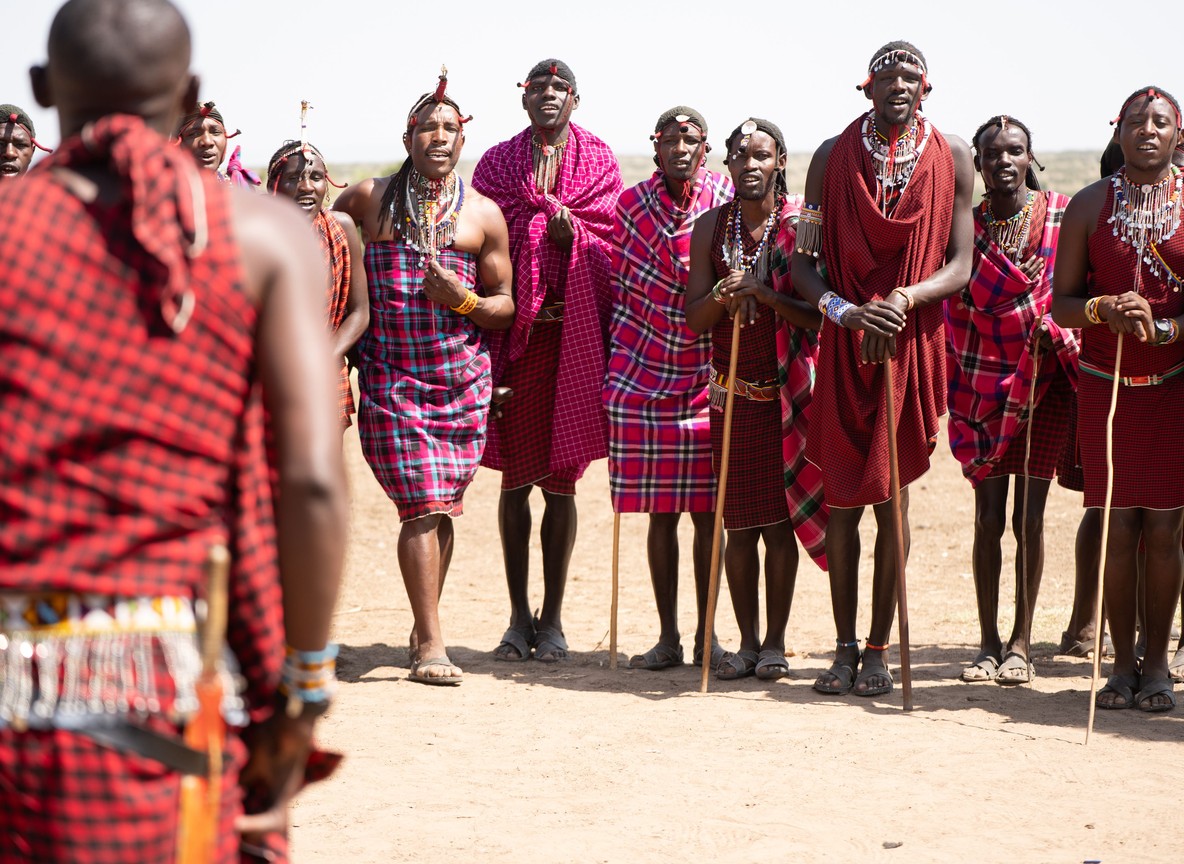
The conservancy operates on the same community-lease model as other Mara private areas: Maasai landowners lease their grazing land to the conservancy in exchange for annual payments, maintaining the land under wildlife-only use. The lease fees and conservancy camp charges fund both the landowner payments and community development programmes in the surrounding area.
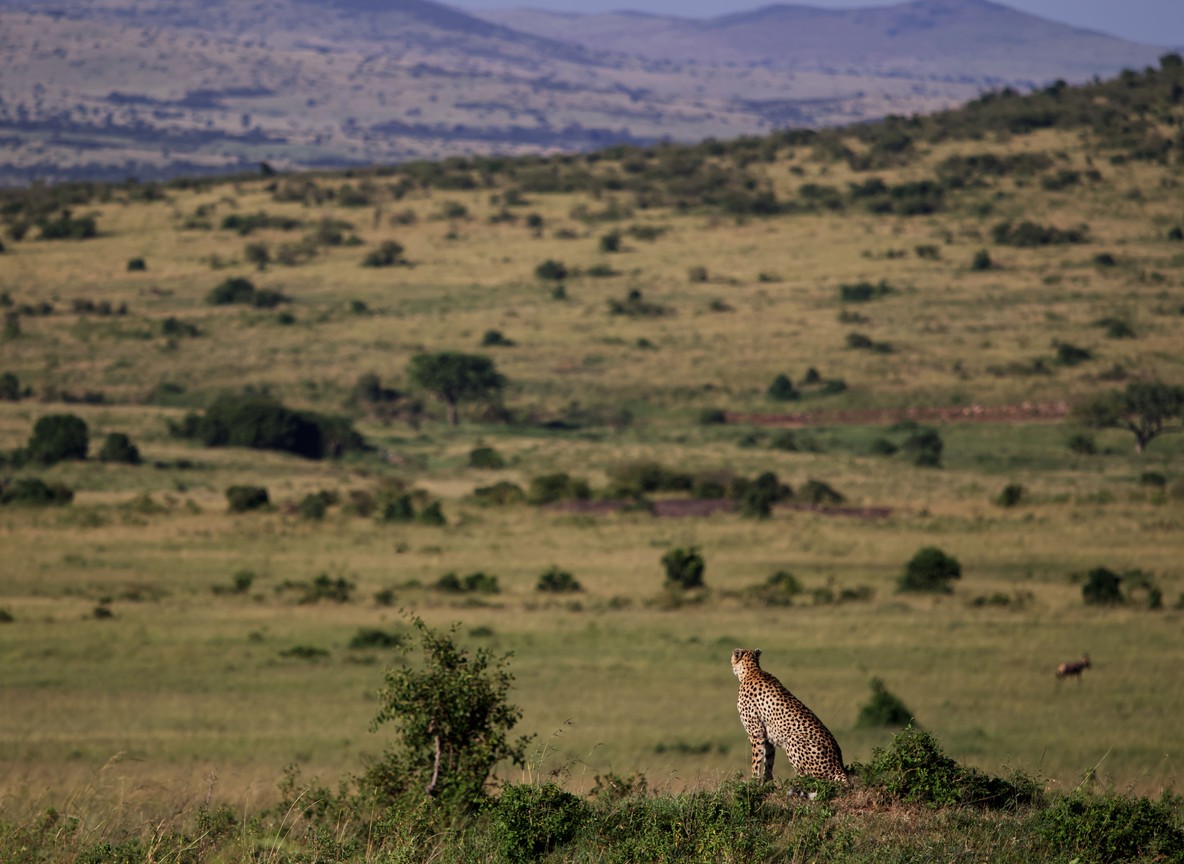
Mara North’s size is its most distinctive characteristic. The conservancy is vast enough that game drives can cover entirely different terrain across multiple days — open plains, seasonal watercourses, dense croton thickets, and the Mara River corridor all fall within the conservancy’s boundaries. Wildlife density is high: resident elephant herds, multiple lion prides, leopard, cheetah, African wild dog (occasional), and the full supporting cast of plains game inhabit the conservancy year-round.
Kicheche Mara Camp: Camp Character
Kicheche Mara Camp is the largest of Kicheche’s three Mara properties, with twelve tents arranged along a seasonal river course in the northern section of the conservancy. The camp’s position is specifically chosen for proximity to multiple game areas — the river corridor for leopard and elephant, the open plains for cheetah and lion, and the conservancy’s internal waterholes for general wildlife access.
The camp operates on Kicheche’s characteristic model: owner-operated, guide-focused, and deliberately unshowy. Tents are large, comfortable canvas structures with private bathrooms, solar power, and verandas positioned to face the bush. The central mess tent and lounge area serves as the social hub, with meals structured around early morning departures and late afternoon returns from game drives.
What distinguishes Kicheche Mara Camp from many Mara North properties is the guide quality. Kicheche guides are trained in-house through a multi-year programme and are known across the Kenya safari industry for their species knowledge and track awareness. In a conservancy where the vegetation can be dense and animal movements require active interpretation rather than simply following herds, guide quality makes a material difference to the quality of sightings.
Wildlife Access in Mara North
Mara North Conservancy is permanently inhabited by all the Mara’s major predator species. Lion prides with established territories have been monitored across multiple generations by researchers affiliated with the Mara Predator Conservation Programme. Leopard concentrate in the riverine sections along the Mara River and its tributaries. Cheetah, which prefer open grassland, favour the northern sections of the conservancy.
African wild dog sightings, while not guaranteed, occur with sufficient frequency in Mara North to make it one of the better areas in Kenya for this species. The conservancy’s size and the relative absence of tourism pressure create conditions where the dogs’ denning and hunting patterns are not significantly disrupted.
During the Great Wildebeest Migration (July through October), Mara North receives significant herds crossing from Tanzania via the Mara River. The Mara River in the conservancy section has multiple well-established crossing points, and Kicheche guides know the current crossing activity through daily radio communication with other guides across the ecosystem.
Game drives in Mara North can also include day entries into the Masai Mara National Reserve — guests at Kicheche Mara Camp pay the reserve fees and access the reserve for targeted wildlife viewing, particularly during the migration when river crossing activity is concentrated in the Triangle.
Activities at Kicheche Mara Camp
Morning and afternoon game drives cover the conservancy’s diverse terrain. A full day in the field, combining an early morning drive with an afternoon drive separated by lunch at camp, is the standard structure at Kicheche Mara Camp. Drives extend to cover the full conservancy area depending on where wildlife activity is concentrated.
Night game drives are a significant draw at Mara North. The conservancy’s darkness — remote from any urban light source — creates conditions for genuinely atmospheric night game drives. Nocturnal species encountered include aardvark, porcupine, small-spotted genet, African civet, and caracal. Lion activity is also commonly monitored on night drives as prides begin their nocturnal hunting movements.
Guided bush walks take guests on foot through sections of the conservancy with an armed KWS ranger and a Kicheche guide. Bush walking in Mara North covers terrain that cannot be reached by vehicle and delivers close encounters with plains game, birdlife, and the landscape itself at a scale that vehicle drives do not replicate.
Fly camping is available for guests who want to spend a night in the conservancy away from the main camp. This is an advanced activity for travellers with prior safari experience who want an immersive bush overnight.
Who Kicheche Mara Camp Suits
Kicheche Mara Camp is positioned at the upper end of the Mara conservancy market. All-inclusive per-person per-night rates typically fall between $850 and $1,300 depending on season, covering accommodation, all meals, twice-daily game drives, night drives, guided walks, and conservancy/park fees. Migration season (July through October) commands the higher end of this range.
The camp is best suited to:
- Experienced safari travellers who have already done the standard national reserve experience and want the full suite of conservancy activities
- Wildlife photographers and filmmakers who need off-road access, extended time with sightings, and the low vehicle density that comes with conservancy access
- Travellers interested in predator behaviour — Mara North’s lion and leopard populations are among the most studied in Kenya and guides can provide deep context on individual animals
- Small groups who want to book the camp exclusively or nearly exclusively for a private experience across multiple nights
- Travellers targeting African wild dog sightings — while not guaranteed, Mara North is one of the more reliable locations in Kenya for this species
Kicheche Mara Camp is not ideal for travellers on mid-range budgets, first-time safari visitors without prior wilderness experience (better suited to more accessible camps closer to the reserve boundary), or guests with very young children.
Practical Planning
Getting there: The nearest airstrip for Mara North is Ol Seki or Mara North Conservancy airstrip. Scheduled bush flights from Wilson Airport in Nairobi operate on Safari Link and Air Kenya. Drive from Nairobi covers approximately 5 to 6 hours on a combination of tarmac (to Narok) and murram roads through Mara North.
Best time to visit: The conservancy is excellent year-round. Peak season (July to October) brings the migration. January and February are outstanding for predators with calving prey. April and May (green season) offer the lowest rates and fewest vehicles across the entire ecosystem.
Minimum stay: Three nights is the standard recommendation. Mara North’s size means the first drive is partly orientation — the subsequent days produce progressively better results as guides learn guests’ interests and start targeting specific animals.
Combining with other camps: Kicheche guests sometimes split time between Mara Camp (Mara North) and Bush Camp (Olare Motorogi) for different terrain types and wildlife concentrations. Both camps share the same booking management and transfer coordination.
For context on how Mara North compares to other Mara conservancies and the national reserve, see touringinsights.com/masai-mara-conservancy-vs-national-reserve-guide.
The Mara North Conservation Framework
The financial model underpinning Mara North Conservancy is worth understanding for travellers interested in the conservation economics of their trip. Maasai landowners who lease land to the conservancy receive annual payments that exceed what they could earn from livestock grazing on the same land. This creates a viable economic alternative to agriculture, which would permanently destroy the wildlife habitat.
The conservancy also employs community members as rangers, camp staff, and guides. Kicheche’s guide training programme includes Maasai staff who have gone through multi-year field training and now operate as fully qualified safari guides — a meaningful pathway that is not available to community members through the national reserve system.
Camp fees paid by guests flow partly to the landowner lease fund and partly to the conservancy’s management budget, which covers anti-poaching patrols, wildlife monitoring, and community development. The ratio of revenue returned to the Maasai community from Mara North is considered one of the higher percentages in the Mara ecosystem.
For travellers interested in how the conservancy model compares to national park accommodation, touringinsights.com/masai-mara-inside-vs-outside-reserve-camps-guide covers the trade-offs in practical detail.
Every trip described here can be tailored: dates, budget, camps, and pace built around you.
Get a Personalised Safari