Most visitors to the Masai Mara see the same 1,510 square kilometres of national reserve that every other vehicle is crossing. Kicheche Bush Camp operates somewhere different. It sits inside two private conservancies totalling 150,000 acres, runs with just six tents, and channels guest fees directly into anti-poaching ranger salaries. Before the sun clears the horizon, your vehicle is already moving through grassland no minibus can enter.
This guide covers what the conservancy model actually delivers, which activities are available, what current rates look like, and who this camp is the right fit for.
Why the Conservancy Model Changes Everything
The Masai Mara has hundreds of lodges and camps. Most of them sit outside the reserve boundary or operate inside the public park, where vehicle limits are rarely enforced. Kicheche Bush Camp operates inside two private conservancies, which is a fundamentally different proposition.
The conservancy model means:
- No vehicle density issues, because you are not in the national reserve
- Night game drives are permitted (banned inside the reserve)
- Off-road driving is permitted so guides can follow tracks and position precisely
- Walking safaris are permitted with armed KWS rangers
- Foot traffic from other camps is minimal because conservancy access requires paid membership
These are not marginal upgrades. They change what kind of safari you can actually have. A pride hunting at dusk is a 20-minute sighting when you can stay parked off-road without a 6pm curfew. That same event inside the national reserve ends with a convoy of vehicles and a hard departure time.
Kicheche has operated in the Masai Mara for over 15 years with a deliberate philosophy: stay very small, charge honestly, and put a meaningful portion of revenue into the land.
150,000 Acres: Olare Motorogi and Mara North Conservancies
Kicheche Bush Camp operates within Olare Motorogi Conservancy, a 35,000-acre private wildlife area bordering the national reserve to the northeast. It runs in partnership with Mara North Conservancy, which adds another 75,000 acres to the west.
Together these two conservancies protect approximately 150,000 acres of Masai Mara ecosystem outside the national reserve boundary. Both are run as landowner conservancies: Maasai families lease their land to conservation-focused operators, receive monthly payments from conservancy fees, and retain ownership of their ancestral grazing grounds.
Wildlife in these areas is exceptional for a practical reason: no vehicle limits, combined with genuine landowner motivation to protect rather than overstock. You encounter resident lion prides that have never been pressured by tour van harassment, cheetahs habituated to vehicles but not to crowds, and occasionally wild dogs, which are rare in the Mara but seen in Olare Motorogi. Elephants, buffalo, and hippo are present at permanent water sources. Big cat density during the July-to-October Great Migration peak is exceptional.
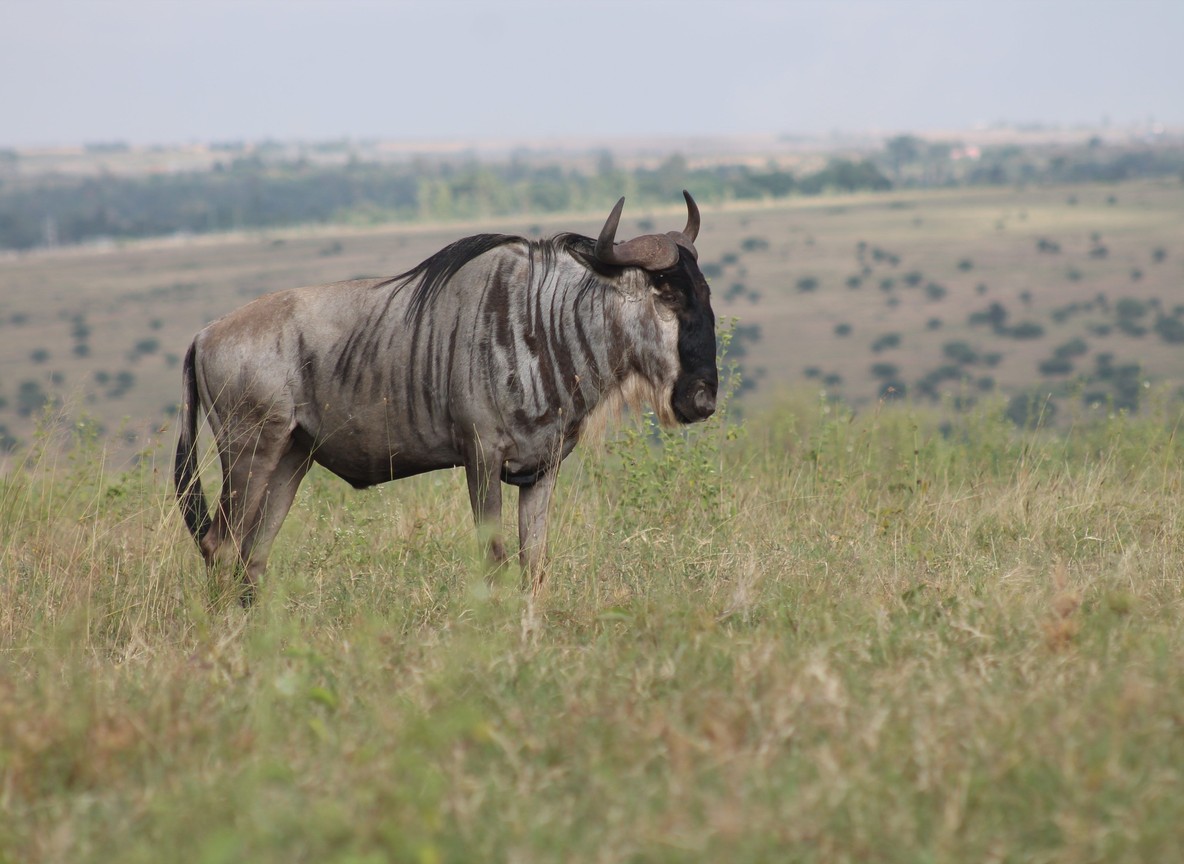
The conservancies also form a contiguous wildlife corridor with the main Masai Mara National Reserve, so migration wildebeest move through freely. Staying outside the park does not mean missing the migration. It means experiencing it with far less competition.
What the $1.5M Per Year Conservation Model Delivers
The funding relationship between Kicheche and its conservancies is structural, not aspirational. The camp network contributes approximately $1.5 million per year to wildlife conservation across its Masai Mara properties through conservancy fees charged per guest per night.
Those fees do specific things:
- Ranger salaries: Olare Motorogi and Mara North employ anti-poaching rangers whose wages come directly from conservancy income. Higher occupancy at Kicheche means more rangers funded.
- Landowner payments: Maasai families receive guaranteed monthly income in exchange for keeping livestock off conservancy land, reducing human-wildlife conflict at the boundary.
- Wildlife monitoring: Camera trap networks and lion identification programmes are maintained with conservancy budgets.
- Community development: Schools and water projects in adjacent Maasai villages receive funding from conservancy income.
This is not a percentage-of-profits promise. The economics are structural: the camp cannot operate without the conservancy, the conservancy cannot pay rangers without the camp. Your nightly rate is the mechanism, not a donation added on top.
The Olare Motorogi Conservancy publishes ranger employment numbers and landowner payment records. The African Wildlife Foundation supports conservancy monitoring independently, adding a third-party accountability layer.
Six Tents, Night Drives, and Walking Safaris: What the Experience Delivers
Kicheche Bush Camp has six tents. That is a hard maximum, not a quiet season occupancy. At full capacity, 12 guests share two open safari vehicles. Most departures go out with six to eight guests across both vehicles, so game drive ratios remain exceptional throughout.
Included in every stay:
- All meals including breakfast, lunch, dinner, and packed game drive lunches
- Unlimited game drives, morning and afternoon
- Night game drives (exclusive to conservancy camps, banned in the national reserve)
- Guided walking safaris with armed KWS ranger escort
- All park and conservancy fees
- Laundry
- Return airstrip transfers from the Olare Motorogi or Mara North airstrips
Not included:
- International and domestic flights
- Premium wines and spirits
- Personal items
The night game drive component deserves specific attention. This is the activity that separates conservancy-based camps from any national reserve property. Leopards, servals, genets, hyenas, aardvarks, and bushbabies are active after dark. Guides use red-filter spotlights (low disturbance to wildlife) and knowledge of resident animal territories to find these species reliably.
Walking safaris in the Masai Mara conservancy give you a perspective game drives cannot: the scale of the landscape on foot, the ability to read tracks and dung with a guide, and the quality of conversation that only happens when the engine is off. These are not walks to the camp perimeter. They cover 3 to 6 kilometres through working wildlife habitat.
The combination of night drives, walking safaris, and full conservancy access in a six-tent camp is rare in East Africa. Properties in Mara North and Olare Motorogi that match this footprint are countable on one hand.
Rates and What Is Included (2025/2026)
Kicheche Bush Camp rates run approximately $900 to $1,200 per person per night all-inclusive, depending on season and availability:
| Season | Rate (PPPN) | Notes |
|---|---|---|
| Low season (April to May) | ~$900 | Green season, excellent predator activity |
| Shoulder (June, November) | ~$1,050 | Pre-migration, fewer crowds |
| Peak (July to October) | ~$1,200 | Great Migration period, maximum wildlife |
| Festive (December 20 to January 5) | Premium supplement | Confirm at booking |
These rates are full board and include all conservancy fees, game drives, night drives, and walking safaris. Flying packages from Nairobi Wilson Airport typically add $300 to $500 per person return depending on routing.
Most seasons require a minimum 2 to 3 night stay. Three nights is the recommended minimum to experience the night drive and walking safari programmes alongside standard game drives.
Who Should Choose Kicheche Bush Camp
This camp is right for travellers who are comfortable with a genuine bush camp setting: no swimming pool, limited connectivity, no air conditioning. The tradeoff is wildlife access and intimacy that no resort property can offer.
Kicheche is for travellers who want the land to be the point of the trip.
If you are travelling for the first time and ticking a bucket list, it works well. If you are a repeat visitor who has found the standard Mara experience overcrowded, it works even better. Conservation-motivated travellers who want to see where their money actually goes will find the Kicheche model among the most transparent in the Mara.
If you want a pool, a multi-treatment spa, and an extensive wine cellar, the Masai Mara has those options. Kicheche is not competing for that guest.
Explorer Notes
Kicheche’s six tents sell out months in advance for peak season, July to October. If your dates fall in the Great Migration window, availability is the first thing to check, not the last. The camp is small enough that a single group booking can close out the whole property.
The three-night minimum recommendation is genuine, not a sales strategy. A one-night stay at a conservancy camp is technically possible, but you will spend your only evening arriving, your only morning leaving, and your only full day calibrating to the pace and rhythm of the place. The night drive and the walking safari both deserve a rested, settled guest. Night two and night three are where the camp pays off most fully.
Next Steps
Further reading at Touring Insights:
- Olare Motorogi Conservancy guide: what makes it different from the national reserve
- Masai Mara reserve vs conservancy: the decision that shapes your whole safari
- Night game drives in Kenya: what you can see after dark in the Mara
For availability and Kicheche Bush Camp itinerary planning, trunktrailssafaris.com holds direct operator relationships with the camp.
Every trip described here can be tailored: dates, budget, camps, and pace built around you.
Get a Personalised SafariFurther reading
More safari planning resources
- Interactive Maasai Mara map from Valley Safaris
- Masai Mara destination guide on FindMySafari
- Kenya national parks map from Valley Safaris
- Wildebeest migration route map from Valley Safaris
Related guides: Bush Breakfast vs Camp Dining in the Masai Mara: What Each Delivers.