Kicheche Bush Camp occupies one of the most coveted positions in the Masai Mara ecosystem — deep inside Olare Motorogi Conservancy, a private wildlife area that sits directly on the northeastern boundary of the Masai Mara National Reserve. The camp is small, deliberately low-impact, and built around maximising wildlife access in a conservancy that consistently produces some of the most documented predator sightings in East Africa.
For travellers weighing their options across the Mara’s many conservancies and camps, understanding what Kicheche Bush Camp actually offers — and what kind of traveller it is built for — is the starting point.
Olare Motorogi Conservancy: The Setting
Olare Motorogi Conservancy covers roughly 33,000 acres of open savannah, riverine bush, and rolling grassland running along the northeastern edge of the Masai Mara National Reserve. It is one of six private conservancies that surround the reserve, and it operates under a lease model that pays Maasai landowners directly in exchange for wildlife-only land use.
The conservancy shares unfenced boundaries with the Masai Mara National Reserve to the south and with Naboisho Conservancy to the north. This means wildlife moves freely across all three areas. The wildebeest migration routes from Tanzania pass through the conservancy during peak season, and lion, leopard, cheetah, and elephant are permanent residents year-round.
The key operational difference between the national reserve and Olare Motorogi is the rules. Inside the national reserve, game drives follow park regulations: no off-road driving, no night drives, no walking. Inside Olare Motorogi, guests at registered conservancy camps can drive off-road to follow wildlife, do guided walks, and run night game drives. The vehicle:wildlife ratio is also dramatically lower — the conservancy limits the number of camps and beds, which reduces the congestion that characterises peak-season game viewing inside the reserve boundary.
Kicheche Bush Camp: Camp Style and Philosophy
Kicheche is a Kenya-owned, owner-operated safari company that runs three camps across the Mara ecosystem — Bush Camp in Olare Motorogi, Mara Camp in Mara North Conservancy, and Valley Camp in Naboisho. The company’s approach is deliberately classic: small tent counts, high guide-to-guest ratios, and an emphasis on time in the field over camp amenities.
Kicheche Bush Camp has eight tents. The tent count is important because it determines guide availability and the exclusivity of the game-viewing experience. With eight tents and one or two vehicles per guide, sightings are not shared across a large guest roster, and guides can take time over wildlife encounters rather than rotating quickly to accommodate a full lodge.
The tents at Bush Camp are spacious canvas-and-frame units with private verandas, en-suite bathrooms, and solar-powered lighting. The camp’s aesthetic is clean and uncluttered — quality kit without resort-style ornamentation. The focus is clearly on the experience outside the tent rather than the fittings inside it.
A central dining and lounge area serves as the camp’s communal hub. Meals at Kicheche are a notable strength — the kitchen produces quality food on the kind of schedule that keeps guests energised across long game drive days. Bush breakfasts and sundowner stops in the field are common.
Wildlife and Game Drive Access
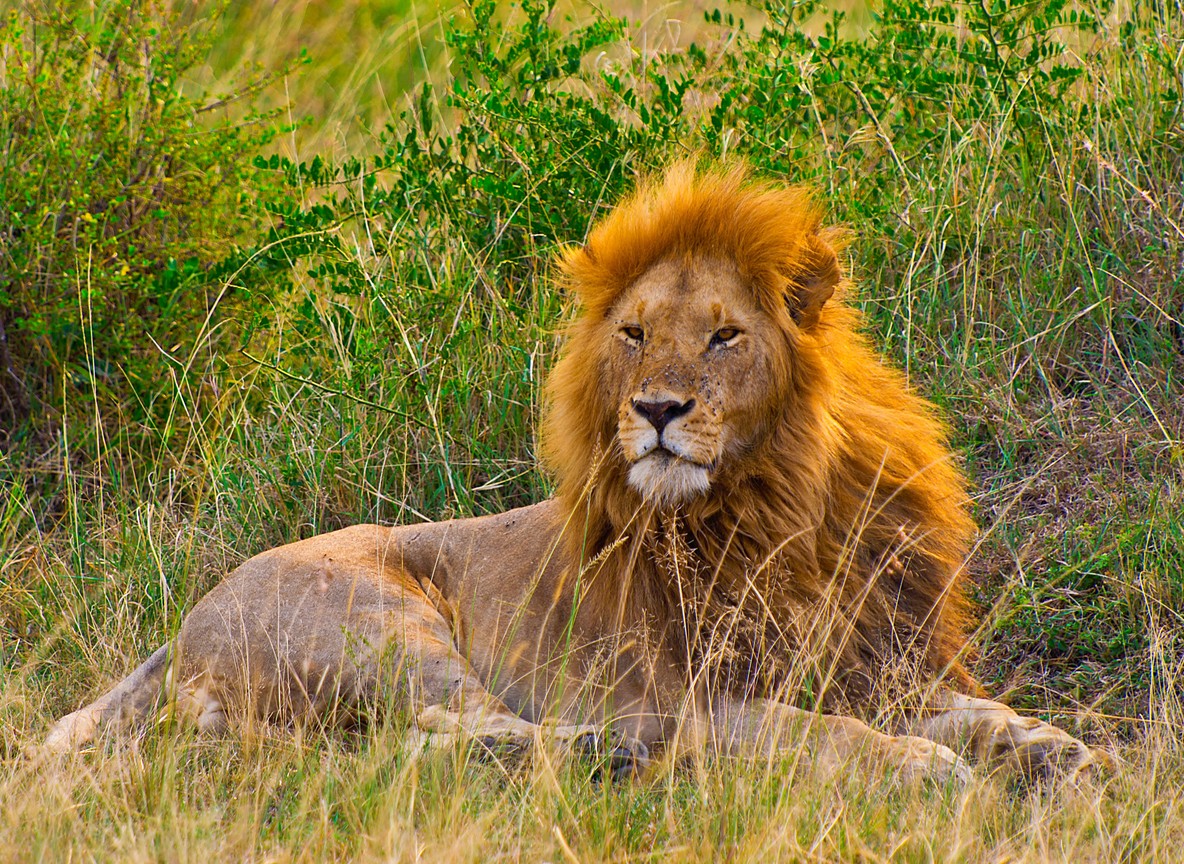
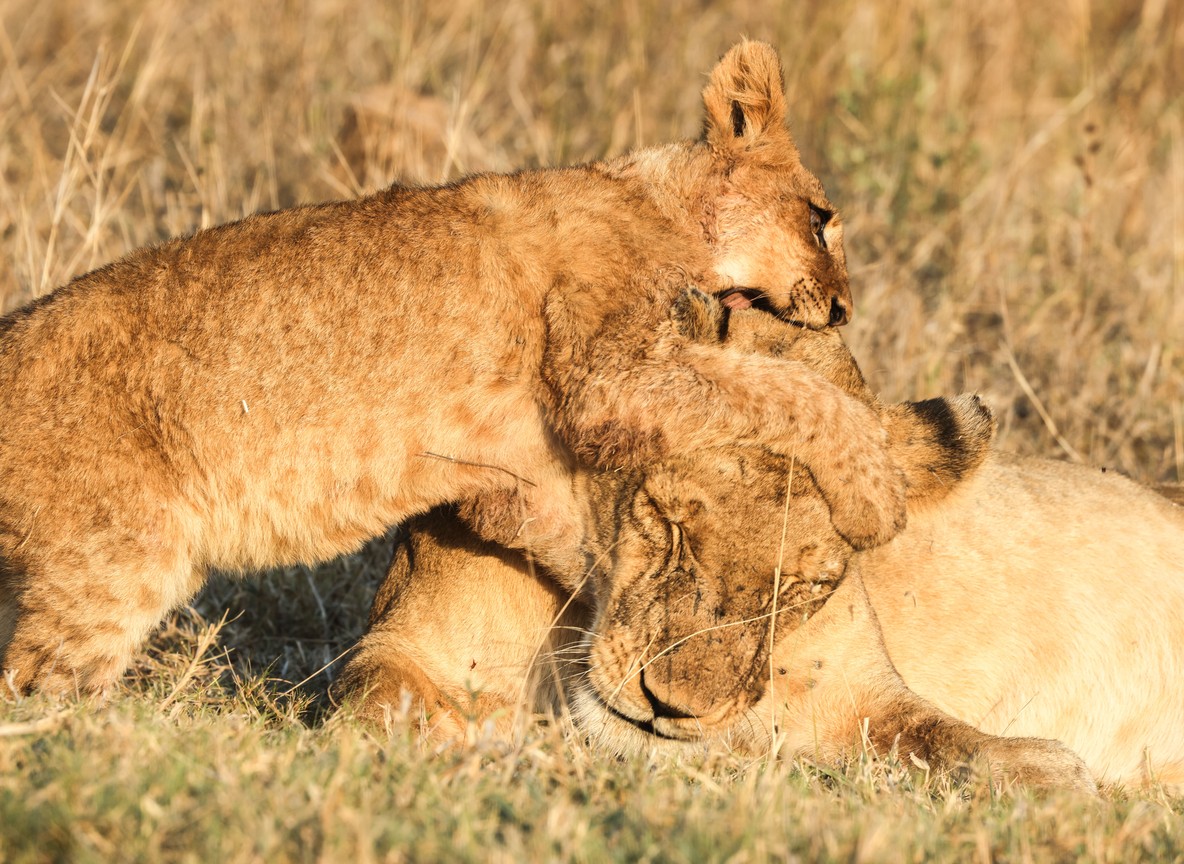
Olare Motorogi Conservancy’s predator density is genuinely exceptional. The conservancy is home to multiple resident lion prides with well-documented ranges, several leopard individuals with established territories in the riverine corridors, and cheetah families on the open plains. Because guides in the conservancy know these animals’ home ranges and movement patterns — and because they communicate constantly with each other by radio — sighting rates for these species are among the highest in the Mara ecosystem.
During the Great Wildebeest Migration (typically July through October for peak crossings), Olare Motorogi receives migrating herds that push north from Tanzania. The conservancy’s position means guests can access both conservancy game drives and day entries into the national reserve, covering the river crossing zones as well as the conservancy plains.
Off-peak months are equally strong for resident species. January through February sees excellent big cat activity around calving prey. March through May brings green season conditions — fewer vehicles, extraordinary birding, and lush landscape photography without the migration crowds.
Night game drives reveal a completely different side of the ecosystem. Serval cats, aardvarks, honey badgers, civets, and hyena movements are consistently encountered on night drives in the conservancy — animals that are invisible during daylight hours.
Activities at Kicheche Bush Camp
The activity programme at Kicheche Bush Camp takes advantage of the conservancy’s full permissions:
Morning and afternoon game drives are the core of the programme. Drives in Olare Motorogi typically run longer than park drives because there is no fixed closing time — guides stay with sightings as long as the wildlife is active.
Night game drives run after dinner and cover the conservancy’s plains and bush corridors. These are among the most requested activities for returning safari travellers who have already done standard daytime game drives elsewhere.
Guided bush walks take guests on foot into the conservancy with an armed guide. Walking safari gives a completely different scale of experience — tracking skills, plant and insect identification, and the particular alertness that comes from moving through wild country without a vehicle as a barrier.
Bush breakfasts and sundowners in the field are standard at Kicheche and add texture to the game drive day beyond the vehicle-based wildlife encounters.
Who Kicheche Bush Camp Suits
Kicheche Bush Camp is positioned at the upper end of the Mara conservancy market. All-inclusive rates typically fall in the $800 to $1,200 per person per night range depending on season, covering accommodation, meals, game drives, park fees, and laundry. Rates at peak migration season (July to October) are at the higher end of that range; green season (April to June) often comes with significant rate reductions.
The camp works particularly well for:
- Experienced safari travellers returning to Kenya who want smaller camps, better guides, and the conservancy activities that are not available in the national reserve
- Wildlife photographers who benefit from the off-road driving permissions and the ability to stay with sightings for extended periods
- Couples and honeymooners who want a genuinely remote, intimate camp with high service standards
- Travellers combining Olare Motorogi with other Kenya destinations — the conservancy is a strong anchor for multi-park itineraries that include Amboseli or Samburu
Kicheche Bush Camp is not the right fit for travellers on mid-range budgets, families with young children (under 7 is generally not recommended for this style of camp), or guests who prioritise elaborate facilities over time in the field.
Practical Planning
Getting there: The nearest airstrip is Ol Kiombo, approximately 15 to 20 minutes from camp. Scheduled bush flights from Nairobi’s Wilson Airport run daily on Safari Link, Air Kenya, and other operators. Drive from Nairobi takes 5 to 6 hours on tarmac and murram roads.
Best time to visit: The camp operates year-round. July through October covers the Great Migration. January through February is excellent for big cats and calving prey. Green season (April through June) offers the lowest rates and fewest vehicles.
Minimum stay: Kicheche generally recommends a minimum of three nights to get the full rhythm of the conservancy. Two nights is possible but leaves little time to explore different zones of the 33,000-acre property.
What is included: All meals, twice-daily game drives, night drives, guided walks, and park/conservancy fees are typically included. Flights, transfers, and alcohol are generally charged separately.
For broader context on the Olare Motorogi Conservancy and how it compares to other Mara areas, see touringinsights.com/masai-mara-conservancy-vs-national-reserve-guide.
How Kicheche Bush Camp Compares to Other Kicheche Camps
Kicheche operates three camps across different conservancies. Each has a distinct character based on its location:
Kicheche Bush Camp (Olare Motorogi) — classic savannah and riverine setting, highest predator density, closest to the national reserve border for day access. The most traditionally “Mara” experience of the three.
Kicheche Mara Camp (Mara North Conservancy) — further north and west, in the vast Mara North Conservancy on the Mara River corridor. Fewer visitors, longer drives from Nairobi, exceptional riverine wildlife.
Kicheche Valley Camp (Naboisho Conservancy) — in the rolling hills of Naboisho, a conservancy with the highest lion density per kilometre of any wildlife area in Kenya according to published research.
Travellers planning extended Mara stays sometimes split their time between two or three of the camps to experience different terrain and wildlife profiles within the same ecosystem.
The Olare Motorogi Model: What It Means for Conservation
The private conservancy model that Olare Motorogi operates under is worth understanding. Maasai landowners lease their land to the conservancy rather than converting it to agriculture or livestock grazing. The lease payments go directly to community members, creating a direct financial incentive to maintain the land for wildlife.
The conservancy also runs community programmes — bursaries for local students, health outreach, and income diversification for families living on the conservancy boundary. Camps like Kicheche pay conservancy fees per guest per night that fund both the lease payments and the community programmes.
This model has been replicated across the Mara ecosystem, and Olare Motorogi is considered one of its more successful examples. For travellers interested in the economics of conservation travel in Kenya, the conservancy framework is worth researching before choosing between a national reserve camp and a conservancy camp. See touringinsights.com/masai-mara-inside-vs-outside-reserve-camps-guide for a full comparison.
Have questions about this itinerary or destination? Get answers from a safari specialist before you commit.
Inquire MoreFurther reading
More safari planning resources
- Kenya national parks map from Valley Safaris
- Great Migration safari collection on FindMySafari
- Wildebeest migration route map from Valley Safaris
- Best time to visit Kenya month-by-month map from Valley Safaris
Related guides: Olare Motorogi vs Naboisho vs Mara North: Choosing Your Maasai Mara Conservancy.