July sits in an underrated position on the Masai Mara calendar. The peak-migration crowds have not arrived yet, the landscape is carrying green from the long rains, and the wildebeest vanguard is already crossing the Sand River from the Serengeti. A Kenya safari in July 2026 puts you on the ground at exactly the right moment: the drama is building, the camps are not yet full, and wildlife concentrations are climbing through the month.
If you have been weighing July against August, this guide covers what the Mara looks like on the ground in July, which crossing points are active, how to choose between the national reserve and the private conservancies, and what to book before the best options close.
Is July Good for a Kenya Safari?
Short answer: yes, for most travelers. The longer answer depends on what you value most.
July falls in Kenya’s long dry season, which runs from June through October. Vegetation thins steadily through the month. Water sources shrink to known points, and game concentrations climb toward the full dry-season peak. At the same time, the Mara ecosystem is still carrying grass from the April to May rains, which creates a visual contrast that both photographers and first-time visitors respond to well.
What July delivers that no other month quite matches:
- The first wildebeest columns crossing from the Serengeti into the Mara, with vanguard zebras leading the way at the Sand River
- Full predator activity, with lion and leopard hunting in open, trackable terrain
- Noticeably fewer vehicles at key game-drive sites, typically 30 to 50 percent below August density
- Green photographic backgrounds rather than the dusty ochre of late September
- Availability at conservancy camps that will be completely sold out for August by mid-July
For families with school-age children, July combines school-holiday timing with genuinely exceptional game viewing. For photographers, the lush foreground grass and clear skies at elevation produce better light than the dusty late dry-season peak.
What the Masai Mara Actually Looks Like in July
Forget the dusty plains that appear in September photographs. In July, the Mara is vividly green in the north and west. The Mara River runs strong and brown, crocodiles are positioned and waiting, and the fig trees along the banks are in full leaf.
The wildlife picture on the ground in July 2026:
Wildebeest: The Serengeti herds build on the Tanzania side through May and June. By early July, the vanguard, mostly zebras mixed with the first wildebeest columns, is crossing the Sand River at Mara North and pushing into the conservancy grasslands. By mid-July, main herds stretch from the Sand River across to the Mara Triangle.
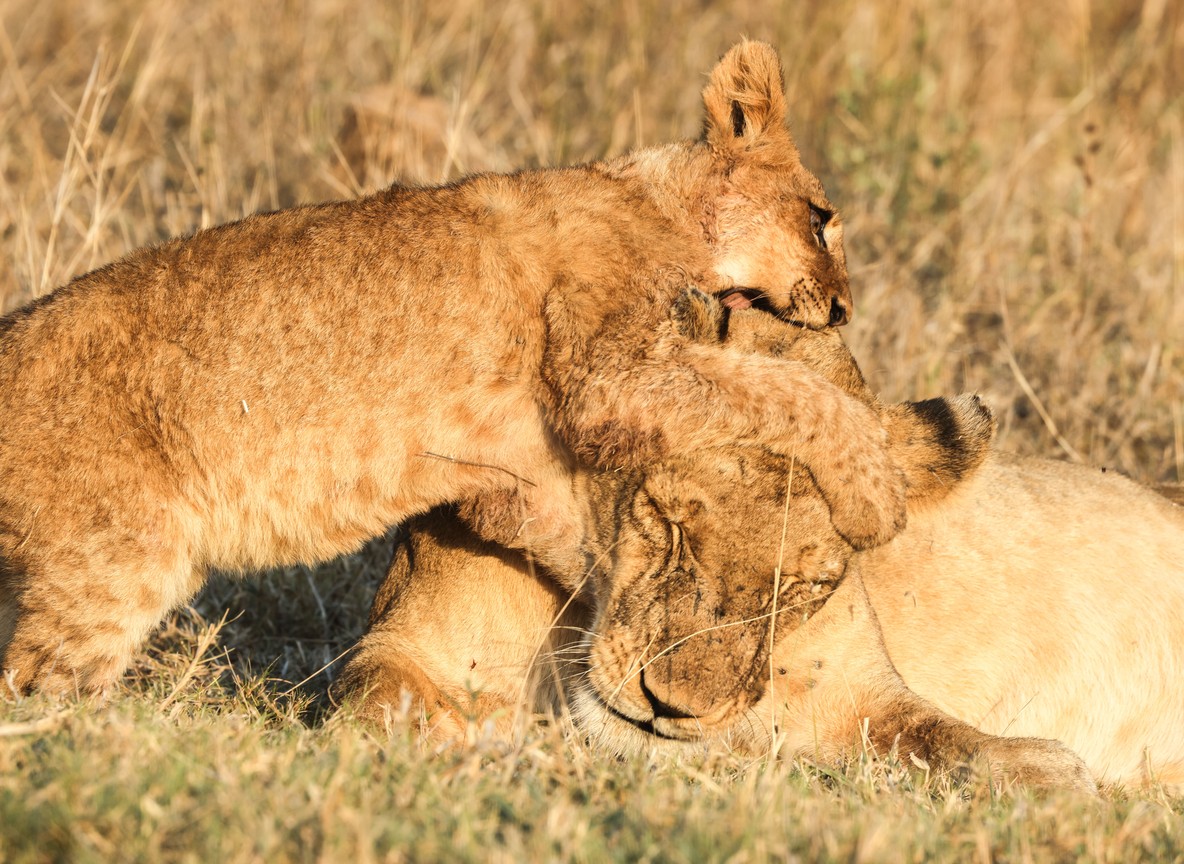
Predators: Lion prides are in peak hunting condition following months of calves and wildebeest on the move. The Mara North pride territories and Olare Motorogi lion families are particularly active through July. Leopards use the tall grass remaining in July as cover, working rocky outcrops and riverine forest edges along the Talek River and in the Mara Triangle.
Elephants: Amboseli elephants move toward the Mara ecosystem as the dry season deepens. July afternoon game drives regularly pick up elephant families at waterholes.
Birds: The Mara’s 570 resident and migratory species include northern migrants moving south through East Africa in July. Single-morning species counts of 80-plus are achievable for dedicated birders.
Sand River vs. Mara River Crossings: What July Gives You
This is the question every July traveler asks.
| Crossing Point | July Conditions | August to September |
|---|---|---|
| Sand River | Active vanguard crossings, moderate vehicle numbers | Herds already north |
| Mara River | Building crossings, manageable crowds | Peak crossings, maximum vehicles |
| Mara Triangle | Herds consolidating | Very high density |
| Olare Motorogi | Early resident herds, excellent predator activity | Packed |
The Sand River marks the Kenya-Tanzania border on the reserve’s southern edge and sees the first major crossings of the season. In July, this is where experienced guides position their clients. The crocodile ambushes here are as dramatic as anything on the main Mara River. Vehicle count is a fraction of August. The atmosphere is genuinely wild rather than stadium-like.
What you give up: the single largest wildebeest column crossings, sometimes 10,000 animals at once, are a late-August to early-September phenomenon. The 2026 expert forecast puts peak Mara River crossings between August 22 and September 7. If maximum spectacle is the only goal, August is the answer. But for real game viewing, strong predator sightings, and a trip you can actually book without competing for the last tent, July is the more rewarding choice for most travelers.
Private Conservancies vs. the National Reserve in July
The Masai Mara is not one place. It is a mosaic of the main National Reserve and a ring of private conservancies that surround it. In July, the distinction matters considerably.
Mara North Conservancy: One of the best positions for July. The wildebeest vanguard enters through the northern corridor, and Mara North camps sit directly in the migration path. Vehicle density is controlled, off-road driving is permitted, and night drives are allowed (none of these apply in the National Reserve).
Olare Motorogi Conservancy: Premium territory. The resident lion prides here are among the most well-documented in Africa. July’s pre-peak timing means you are watching the drama build without the August crowd pressure. The conservancy limits the number of licensed camps. Book early.
Mara Triangle: The westernmost section of the National Reserve, managed independently by the Mara Conservancy. Mara River crossings in the Triangle are accessible and dramatic. Vehicle numbers here are managed better than in the main reserve’s central areas.
Main National Reserve (Sekenani, Talek gates): Higher vehicle density, road-based game drives only, no night drives. Valid for day visitors and budget-level itineraries. For any July 2026 booking where wildlife is the priority, a conservancy upgrade is worth the additional cost.
Temperature and Weather in the Masai Mara in July
July is among the most comfortable months in the Mara. The rains have stopped, humidity is low, and the Mara sits at 1,600 metres elevation.
| Time of Day | Temperature Range |
|---|---|
| Dawn game drive | 12-16 degrees C |
| Midday | 22-26 degrees C |
| Afternoon game drive | 18-24 degrees C |
| Evening | 12-15 degrees C |
Pack a fleece or light down jacket for dawn drives. Open-top vehicles at 6am are cold at altitude. Bring neutral colours, binoculars, a waterproof layer for the occasional quick shower, and SPF 50. The Mara at elevation is deceptively strong on sun even in the dry season.
Practical Planning for July 2026
Availability: July 2026 still has openings at most conservancy camps. August is at or near capacity for Mara North and Olare Motorogi. Booking July now secures the best camp positions before demand shifts from August back to July.
Pricing: July falls inside the high-season rate card but below the August peak surcharge at most properties. You get high-season wildlife at slightly lower-than-August rates.
Getting there: Fly into Nairobi Jomo Kenyatta International, then connect to a Mara airstrip on a 45-minute domestic flight. Most safari operators coordinate both transfers as part of the package.
Recommended durations:
| Trip Type | Minimum Nights | Recommended Option |
|---|---|---|
| Migration focus | 3 nights Mara | 4 nights Mara + 2 nights Amboseli |
| Family safari | 4 nights Mara | 3 Mara + 2 Samburu + 1 Nairobi |
| Photography focus | 4 nights minimum | 3 Mara Triangle + 2 Olare Motorogi |
| Couple or honeymoon | 3 nights Mara | 2 Mara North + 2 Olare Motorogi + 2 Lake Nakuru |
Frequently Asked Questions
Is July too early for the Great Migration in Kenya? No. The Sand River vanguard crossings, predator action on fresh herds, and early herd concentrations make July genuinely exciting. The peak Mara River crossings come in late August, but July delivers migration viewing without the crowd pressure.
How crowded is the Masai Mara in July? Noticeably less crowded than August and September. In private conservancies, vehicle limits are strictly enforced regardless of the month. In the main National Reserve, July sees moderate vehicle density at crossing points. Positioning in conservancy areas avoids the worst of the main reserve congestion.
What should I budget for a Kenya safari in July 2026? For a mid-range conservancy safari, plan on $1,450 to $2,100 per person for five days including camp, game drives, and domestic flights. Premium conservancy packages run $2,300 to $3,500 per person for seven days.
What is the weather like in the Masai Mara in July? Dry and cool. Daytime temperatures reach 22 to 26 degrees C. Dawn drives require a warm layer. Clear skies make for excellent photography.
Is the Sand River better than the main Mara River for crossings in July? In July, yes. The main Mara River crossings are still building, so the Sand River vanguard activity is the more reliable show. By mid-July, both crossing points are active.
Planning Your July 2026 Kenya Safari
The conservancy camps that work best in July are filling now. Once August inventory closes, demand shifts back to July and remaining availability tightens quickly. For itinerary planning that covers conservancy camp selection, domestic flights, and guide coordination in the Mara ecosystem, Trunktrails Safaris is a Kenya-owned operator working exclusively with conservancy-access camps.
For related planning reading, see the Masai Mara Balloon Safari Guide for adding a sunrise flight to your July trip, and the Kenya Birding Safari Guide for a birder’s perspective on the Mara in July.
Have questions about this itinerary or destination? Get answers from a safari specialist before you commit.
Inquire MoreFurther reading
More safari planning resources
- Best time to visit Kenya month-by-month map from Valley Safaris
- Great Migration safari collection on FindMySafari
- Wildebeest migration route map from Valley Safaris
- Interactive Maasai Mara map from Valley Safaris
Related guides: The Serengeti Migration: What Most Guides Leave Out, What to Expect on a Migration Safari in Kenya.