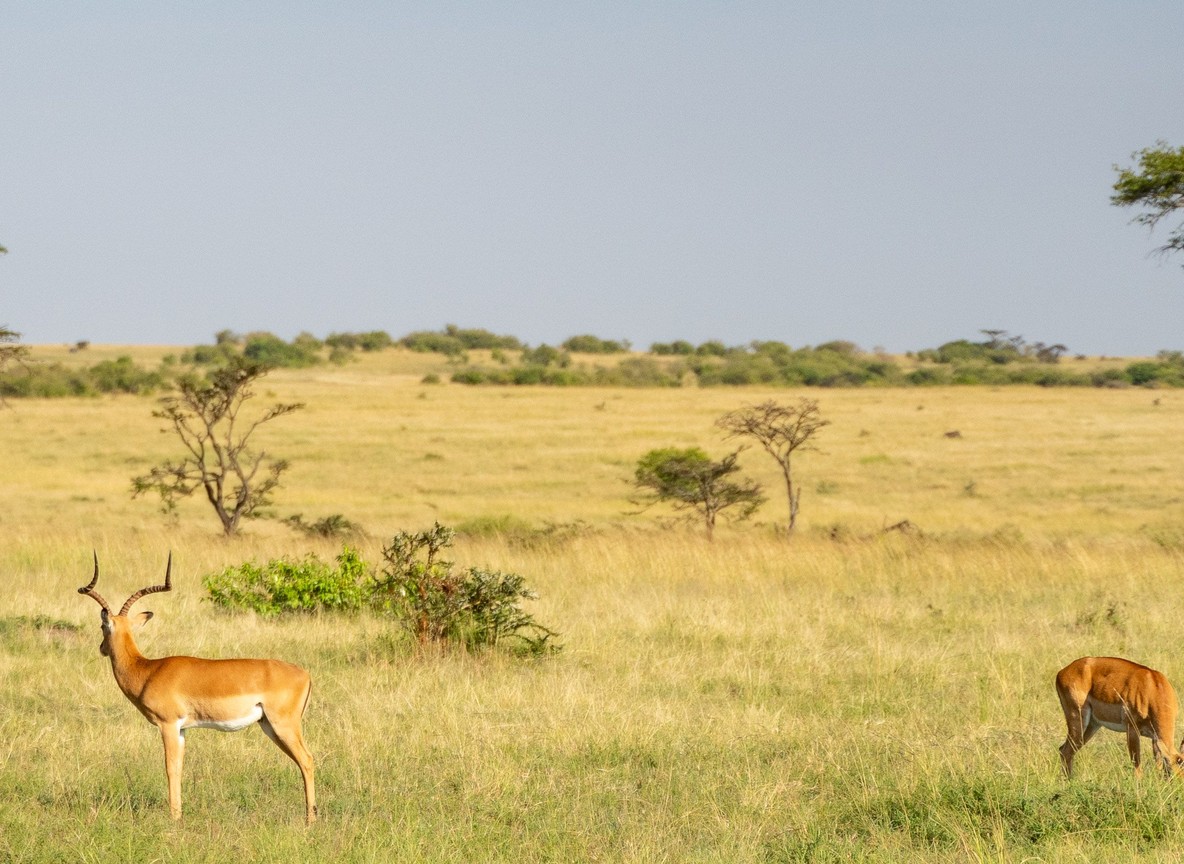
Mara North Conservancy covers roughly 31,000 hectares of rolling grassland, riverine forest, and seasonal wetland that connect seamlessly with the Maasai Mara National Reserve. Kandili Camp sits inside this private conservancy, which means the moment you step into a vehicle at first light, you are already in productive wildlife country. No gate queues, no park-timing restrictions, and crucially, far fewer vehicles than the reserve itself.
If you are shortlisting accommodation for a Maasai Mara trip and Kandili Camp has come up in your research, this guide covers what the location actually means for your daily experience, what to look for when comparing conservancy camps, and how to think about the overall value equation.
What Mara North Conservancy Means for Daily Game Drives
Location Advantage
The Maasai Mara ecosystem spans both the national reserve and a ring of private conservancies on its northern and western flanks. Mara North is the largest of these conservancies and shares an open, unfenced boundary with the reserve. Wildlife moves freely between the two zones.
Staying inside Mara North gives you a meaningful practical advantage: you can start game drives before the national reserve opens and continue after it closes. Predator activity is concentrated in the early morning and late afternoon, so those extra hours translate directly into better sighting quality.
The Kenya Wildlife Service maintains official park information at kws.go.ke, which is worth reading for context on the reserve boundaries and seasonal dynamics.
Daily wildlife access from a conservancy camp typically works like this:
- Early departures (sometimes 05:30) to catch predator movement in the low light
- Direct access to circuits in the conservancy without driving through the gate rush
- Return to camp for mid-morning meals and rest during the heat of the day
- Afternoon drives from around 15:30, often running until after sunset in the conservancy
Who This Location Suits
Mara North is a strong fit for travelers who care more about wildlife quality than amenity extras. The conservancy model keeps vehicle numbers low, which matters enormously when you find a cheetah with cubs or a leopard in a tree. In the national reserve, a good sighting can attract twelve to twenty vehicles within minutes. In Mara North, vehicle limits per sighting are typically enforced by the conservancy itself.
Couples, solo travelers, small groups, and families with older children all work well in this setting. If very young children are part of your group, confirm minimum age policies with the property before committing.
Accommodation and Camp Logistics
How Camp Rhythm Works
Safari camp routines are structured around wildlife, not comfort maximization. Most guests are up before dawn, out on drive during the best light, back for a late breakfast and rest during midday, then out again from mid-afternoon. Sleep quality and room practicality matter more than decorative finishes because you spend most of your alert time outside.
Before confirming any Mara North camp, it is worth verifying:
- Room type and bed configuration (twin, double, family unit)
- Bathroom setup and whether hot water runs on schedule or by request
- Power availability and charging windows for cameras and devices
- Whether the camp offers private or shared game drive vehicles, and the ratio of guests to vehicle seats
Meals and Camp Timing
Camps in the conservancy zone typically align their meal schedule tightly with drive times. Early breakfast before the morning departure, a hot lunch or brunch when vehicles return, and dinner after the evening drive. Many camps also offer packed lunches for full-day drives when guests want to stay out through midday.
This rhythm is different from a standard hotel and it is worth arriving knowing this is how the days will run. The structure is part of what makes the experience work.
Wildlife Access and What to Expect from the Mara
What Mara North Produces
The Mara North corridor holds permanent populations of lion, leopard, elephant, buffalo, and hyena year-round. Cheetah sightings are reliable on the open grass flats, particularly in the dry season months. Hippo and crocodile occupy the Mara River and its tributaries that cross the conservancy.
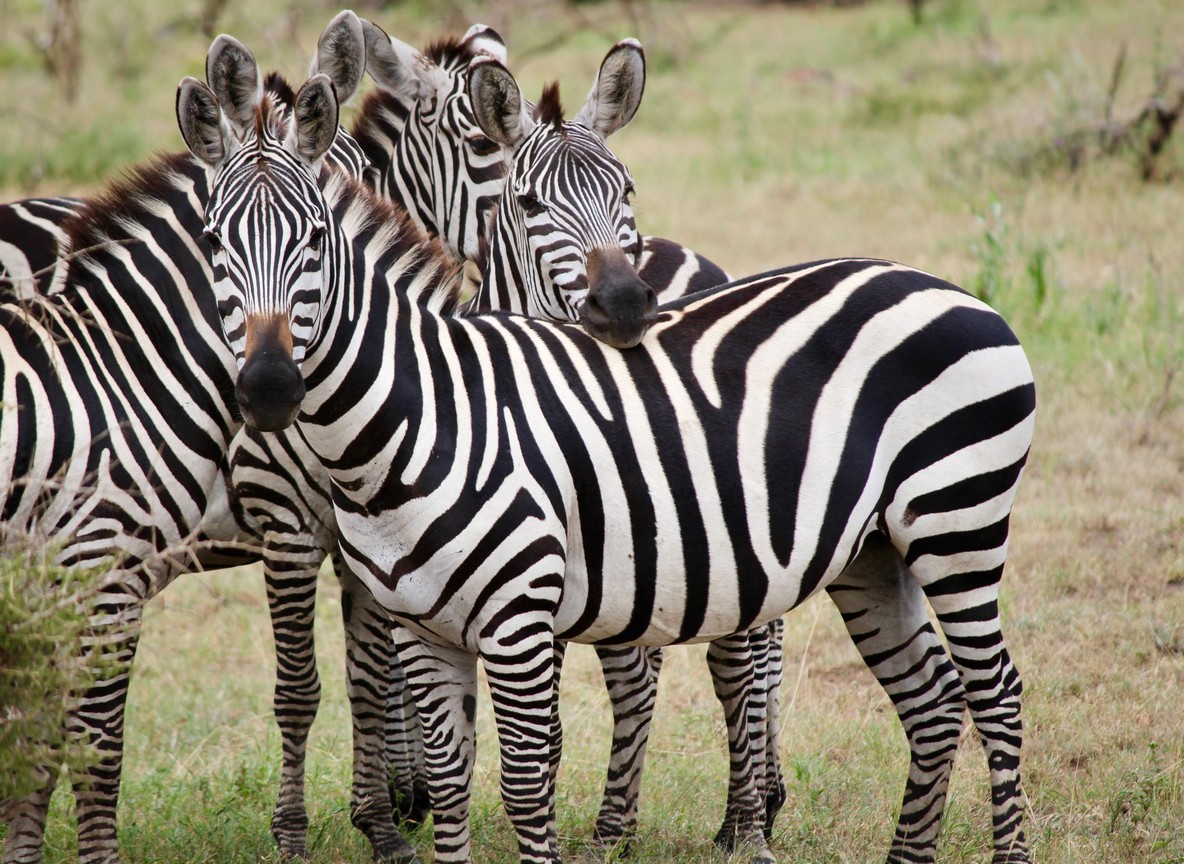
During the Great Migration (broadly July through October for river crossing season), the conservancy sits in the path of wildebeest and zebra moving between the Serengeti system and the Mara grasslands. River crossings in Mara North are less crowded than the famous crossings at the Mara Triangle, which is one reason photographers with serious ambitions often prefer the conservancy.
Outside migration season, the resident wildlife is dense enough to produce strong game drives year-round. The green season (November through April) brings lower rates, fewer visitors, and exceptional predator activity as territorial boundaries shift.
Guide Quality is the Variable That Matters Most
The camp you stay in sets the context. The guide you drive with determines the outcome. A knowledgeable driver-guide who understands predator territory, maintains good relationships with other guides via radio communication, and knows how to read animal behavior will consistently outperform someone simply following GPS waypoints to known sighting spots.
When comparing camps, ask directly about guide experience and whether your guide is assigned permanently to the camp or rotates in from a pool.
Explorer Notes: Comparing Mara North Camp Options
The Conservancy Camp Comparison Framework
When you are choosing between camps in Mara North, the comparison is less about headline amenity differences and more about:
- Wildlife access zone: where in the conservancy is the camp positioned, and which circuits does it run?
- Vehicle type and capacity: six-person open vehicles allow more flexibility and better photography angles than closed minivans
- Package inclusions: are conservancy fees, game drives, and meals included or itemized separately?
- Guide-to-guest ratio: smaller guest numbers per guide means more flexible routing
- Camp size: boutique camps with six to twelve guests feel different from larger lodges with thirty-plus
For broader context on how Mara North camps sit within the wider Maasai Mara accommodation landscape, the comparison guide at touringinsights.com covers multiple conservancy options side by side.
Seasonal Timing
Peak season in the Mara runs from July through October and again from January through March. These windows overlap with the migration and with the dry season when grass is short and wildlife is easier to spot. Camp rates are highest in these months and availability moves fast.
The green season from November through June offers genuinely good value, particularly November and December when the rains have eased and the landscape is vivid without being muddy. If migration is not your primary goal, the green season in Mara North is underrated.
Frequently Asked Questions
Is Mara North Conservancy better than staying inside the national reserve?
For most travelers, yes. Vehicle limits, flexible drive timing, and the private wilderness feel generally outweigh the slight distance from the most famous crossing points on the Mara River. That said, for travelers whose sole focus is migration river crossings, staying on the Mara Triangle side may give better positioning in peak crossing months.
How do I get to Mara North?
The most practical route is a scheduled flight from Wilson Airport in Nairobi to one of the Mara North airstrips (Ol Kiombo, Kichwa Tembo, or Mara North itself depending on the camp). Flight time is roughly 45 minutes. Road transfer from Nairobi takes five to six hours.
What wildlife can I expect year-round in Mara North?
Resident elephant herds, lion prides, leopard, cheetah, buffalo, hippo, crocodile, and extensive plains game are present year-round. Birdlife is exceptional throughout, with over 450 species recorded across the Mara ecosystem.
Are conservancy fees included in camp rates?
Usually yes, but verify this when you receive a quotation. Some camps quote accommodation only and add conservancy levies separately. A full comparison of inclusions across camps is more useful than comparing headline nightly rates.
What is the minimum stay recommended?
Two nights is the practical minimum to settle into the rhythm and cover meaningful drive time. Three nights gives you a substantially better wildlife experience by allowing routes to be varied across days.
Conclusion
Kandili Camp’s position inside Mara North Conservancy is its defining characteristic. Private wilderness access, manageable vehicle numbers, and flexible drive timing are the real advantages of this kind of location over national reserve camps. Whether it is the right fit for your specific trip depends on your dates, travel group, budget tier, and what you want from your time in the Mara ecosystem.
Next Steps
- Compare conservancy camp options by package inclusions, not just nightly rate
- Confirm whether your dates overlap with migration season or shoulder season and adjust expectations accordingly
- Check the Kenya Wildlife Service Maasai Mara overview at kws.go.ke for reserve and conservancy boundary context
- Read the broader camp comparison guide at touringinsights.com to position Kandili within the wider Mara North field
Prefer a different route, budget, or travel style? This plan can be adapted to fit.
Customise Your TripFurther reading
More safari planning resources
- Best time to visit Kenya month-by-month map from Valley Safaris
- Great Migration safari collection on FindMySafari
- Nairobi to Maasai Mara route guide from Valley Safaris
- Wildebeest migration route map from Valley Safaris
Related guides: What to Wear in Mara North Conservancy: Clothing Guide for a Private Safari.