Karen Blixen Camp takes its name from the Danish author whose 1937 memoir shaped how most of the world first imagined Kenya. The camp itself is positioned along the Mara River inside Mara North Conservancy, a placement that puts it in one of the most productive wildlife corridors in East Africa. The river draws elephant, hippo, and crocodile on a daily basis. The conservancy’s private land surrounds the camp on all sides, which keeps vehicle numbers low and drive timing flexible.
If you are researching Maasai Mara accommodation and Karen Blixen Camp is on your shortlist, this guide works through what the location gives you in practice, what kind of traveler it suits, and how to evaluate whether it fits your trip.
The Mara River Position: Practical Wildlife Advantages
Why River Location Matters
A camp on the Mara River operates differently from camps set back in open grassland. The river draws permanent wildlife that grassland camps only see seasonally. Elephant family groups cross the Mara River at particular points daily; once you learn those points with a good guide, reliable close encounters become part of the morning routine rather than a lucky bonus.
The river also anchors predator activity. Leopard territories frequently overlap with riverine woodland. Lion prides use the dense thickets for denning. Hippo pools create concentrated congregation points for hippos, crocodiles, and the yellow-billed oxpeckers that work alongside them.
During the Great Migration (July through October primarily, though the timing varies year to year), the Mara River is where the wildebeest crossings happen. A camp positioned on the river can reach crossing points quickly when guides get radio calls. Distances that take twenty minutes from deeper in the conservancy can be covered in five from a riverside camp.
Official reserve and ecosystem information from Kenya Wildlife Service is at kws.go.ke.
From a riverside camp, daily wildlife access typically looks like:
- Dawn drives starting before 06:00 when hippos are returning to water and predators are finishing night hunts
- River monitoring sessions that do not require driving far from camp
- Midday downtime with ambient wildlife activity visible from the camp itself
- Evening drives from mid-afternoon that often combine open plains with a return to the river at dusk
Who This Location Suits
Karen Blixen Camp’s Mara River position makes it a strong choice for travelers who want variety without covering vast distances. The river corridor gives you a different experience than an open-plains camp, and the proximity to the Mara North grasslands means both habitats are accessible on the same drive.
The camp is also frequently cited by families as an option worth examining. Family tents are available and the flexible meal service (a practical necessity for children who do not naturally eat dinner at 20:00) reportedly works reasonably well here. Confirm the current family setup directly with the property before committing, as configurations change.
Honeymoon couples, small groups, and solo travelers also appear regularly in the guest mix. The conservancy model keeps the atmosphere intimate rather than lodge-scale.
Accommodation and Camp Practicalities
Sleeping Arrangements
Tented camp rooms in Mara North are designed to support the safari rhythm rather than maximize in-room luxury. Guests spend most of their waking hours outside, so what matters most is that sleep is comfortable and practical functions work reliably.
At Karen Blixen Camp specifically, the 22 tents sit on raised wooden platforms with a private verandah facing the river, and each is en-suite, with twin wash basins and an open-air outdoor shower.
Before any booking confirmation, it is worth establishing:
- Whether you need a twin, double, or family interconnecting configuration
- Hot water hours (request-based or continuous supply)
- Power for camera and device charging and when the windows are reliable
- Vehicle arrangements: private vehicle or shared, and at what guest ratio
Camp Atmosphere and Setting
The Mara River fronting this camp creates a genuinely atmospheric quality at dusk and dawn. Hippo calls carry across the water in the early morning. Elephants sometimes cross within sight of the dining area. The combination of the river sounds, the tent lanterns, and the absence of road noise after dark is one of the experiential pleasures that camp-style accommodation in the conservancies delivers that lodge accommodation does not.
Meals follow game-drive timing: early breakfast before drives, mid-morning brunch on return, packed lunch for full-day circuits if requested, dinner after the evening drive. This is standard Mara camp operating rhythm.
What to Expect from Game Drives in Mara North
The Conservation Zone Advantage
Mara North Conservancy enforces vehicle limits per sighting. This is meaningful. In the national reserve, a lion sighting or cheetah hunt can attract fifteen or more vehicles, which disrupts the animals, restricts photography angles, and degrades the experience. In the conservancy, most sightings have a hard ceiling of around six vehicles, and serious properties are stricter than that.
The conservancy also allows off-road driving in specific zones, which is prohibited in the national reserve. This matters for photography (vehicle positioning relative to light and subject) and for accessing areas that vehicles cannot reach on defined tracks.
Karen Blixen Camp uses this conservancy privilege for two experiences the national reserve does not permit: one night game drive is included as part of the standard package, and guided walking safaris are available for guests who want a slower, on-foot read of the terrain between vehicle-based drives.
Resident Wildlife Year-Round
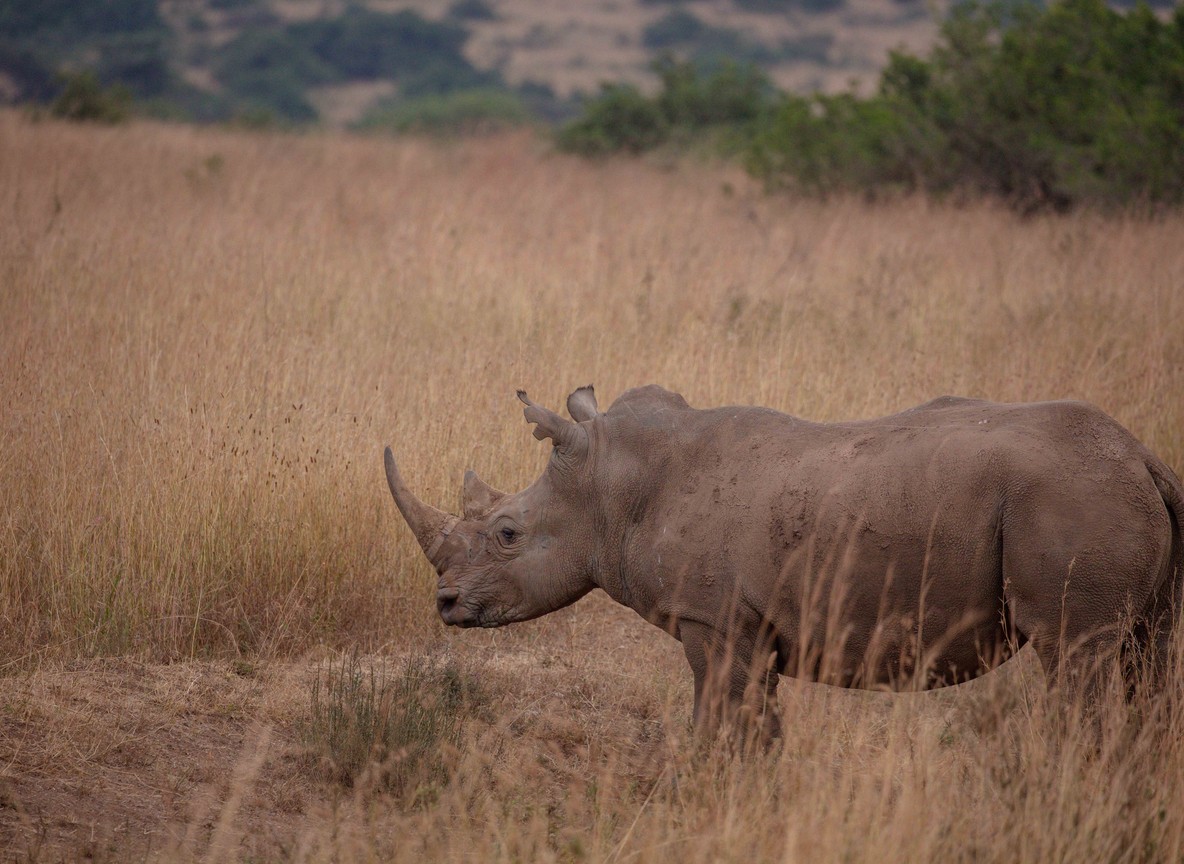
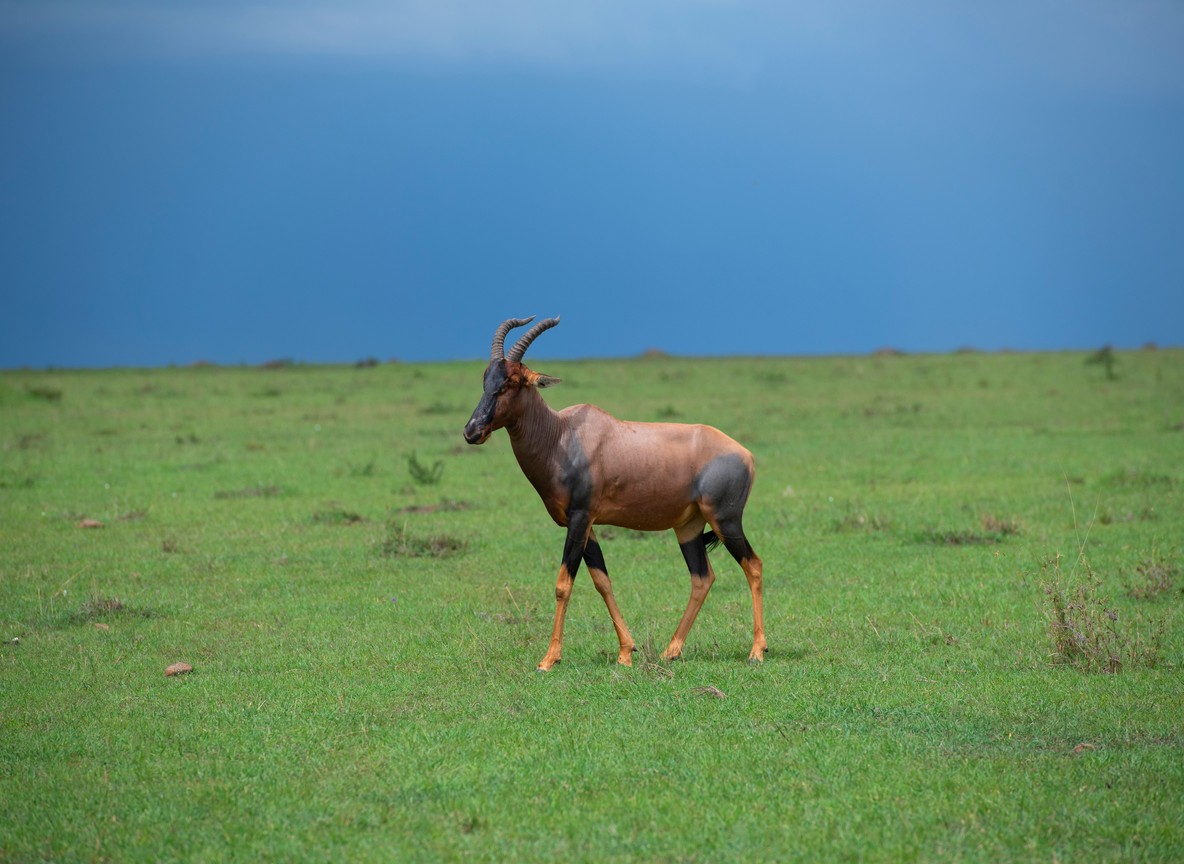
Mara North’s permanent wildlife roster includes lion, leopard, cheetah, elephant, buffalo, hippo, crocodile, and virtually the full suite of East African ungulates. Giraffe, zebra, warthog, impala, topi, and kongoni are daily sightings. The birding is exceptional throughout the year, with over 450 species recorded across the Mara ecosystem.
Migration wildebeest arrive in the conservancy’s northern grasslands from around July each year, with the famous Mara River crossings typically peaking in August and September. Outside migration months, the resident wildlife produces excellent game drives without the peak-season crowd levels.
Explorer Notes: Comparing Karen Blixen to Other Mara North Options
What Sets Camps Apart in Mara North
When comparing multiple camps inside Mara North, the functional differences matter more than visual differentiation in marketing materials. The factors that actually affect your experience are:
- Position in the conservancy: river-adjacent, open plains, or bush interior each deliver a different daily game-drive character
- Vehicle type and size: open-sided six-seater Land Cruisers give better photography options and more flexible positioning than minivans
- Package structure: whether conservancy fees, park fees for days in the national reserve, and all drives and meals are included or billed separately
- Guide permanence: guides who work exclusively at one camp develop better local knowledge than those rotating between properties
- Camp scale: smaller camps (six to twelve guests) allow more flexible scheduling than larger operations
For a wider comparison of Mara North camp options, including positioning and package structure, see touringinsights.com.
Seasonal Booking Considerations
Peak season (July to October, January to March) sees high demand and fast-moving availability for the best camps and room configurations. If you are planning a migration trip, it is genuinely not possible to be “too early” with a booking inquiry. Some properties take family tent and honeymoon suite reservations more than a year out for August.
Green season (November through June, with April and May being the wettest weeks) offers substantially lower rates, excellent predator activity, and lush landscapes. November and December are particularly good for travelers who want the Mara experience without the peak pricing.
Frequently Asked Questions
How does Karen Blixen Camp compare to camps deeper in Mara North?
The river position gives it a specific character: more ambient wildlife activity at camp level, stronger hippo and crocodile viewing, and faster access to crossing points during migration. Camps set further back in the grasslands have a more open, expansive feel with longer game-drive circuits. Neither is objectively better; they suit different preferences.
What is the standard game-drive setup?
Most Mara North camps include two drives daily: a morning drive from around dawn and an afternoon drive from mid-afternoon to after sunset. Full-day drives are available on request. Private vehicles give the most flexibility for timing and routing.
Is Karen Blixen Camp a good choice during the wildebeest migration?
The Mara River position is a genuine advantage during migration months, as crossing-point access is faster. Book early (many guests make migration-season reservations 9 to 12 months ahead) and confirm with the camp which crossing areas they monitor regularly.
What age do camps in Mara North accept for children?
Minimum ages vary by property and are often six or seven years, sometimes higher for bush walks. Karen Blixen Camp has a family program, but confirm current minimum age policies directly with the property as these can change.
What is the airport transfer arrangement?
Wilson Airport in Nairobi connects to Mara North via scheduled Safarilink and AirKenya flights to the Ol Kiombo or Kichwa Tembo airstrips. Flight time is approximately 45 minutes. Camp transfers from the airstrip take 15 to 45 minutes depending on position in the conservancy.
Conclusion
Karen Blixen Camp’s riverside position inside Mara North Conservancy gives it a wildlife-rich setting with practical game-drive advantages that go beyond standard plains-based camps. Whether it is the right match for your trip comes down to what you prioritize: migration access, family logistics, photography flexibility, or simply the atmosphere of waking up fifty metres from the Mara River.
Next Steps
- Compare the riverside versus interior camp experience across Mara North properties before finalizing a choice
- Check migration timing forecasts if July to October travel is your plan, and start your booking inquiry early
- Review the Kenya Wildlife Service Mara ecosystem overview at kws.go.ke
- Read the wider camp comparison at touringinsights.com to see how Karen Blixen Camp sits relative to alternatives in the same conservancy zone
Turn this reading into a real itinerary with help from a Kenya-based safari team.
Start Planning Your SafariFurther reading
More safari planning resources
- Wildebeest migration route map from Valley Safaris
- Great Migration safari collection on FindMySafari
- Nairobi to Maasai Mara route guide from Valley Safaris
- Family safari collection on FindMySafari
Related guides: Karen Blixen Museum Nairobi: A Reader’s Visitor Guide.