Kenya’s newest significant luxury safari opening sits on a 45,000-acre private rhino reserve in the Solio-Laikipia corridor, at the foot of Mount Kenya. The JW Marriott brand announced the development in February 2025 and opened in early 2026. It is the most consequential luxury safari property to open in Kenya in several years, and it asks questions worth answering carefully: what exactly does this property offer, how does it sit against the established Laikipia landscape, and is it the right choice for a serious safari visitor?
The Location: Solio Ranch and Laikipia
Solio Ranch has one of the most significant histories in Kenyan rhino conservation. The Carnelley family converted the ranch from cattle farming to a private rhino sanctuary in the 1970s, and over the following decades Solio became the primary source population for black rhino reintroductions across Kenya. When you see black rhino at Ol Pejeta, Lewa, or in any of the national parks where the population has been rebuilt, the lineage traces in many cases back to Solio.
White rhino were also established at Solio and have thrived. The 45,000-acre reserve where the JW Marriott sits carries a genuine rhino population — not a token presence but a functioning breeding group.
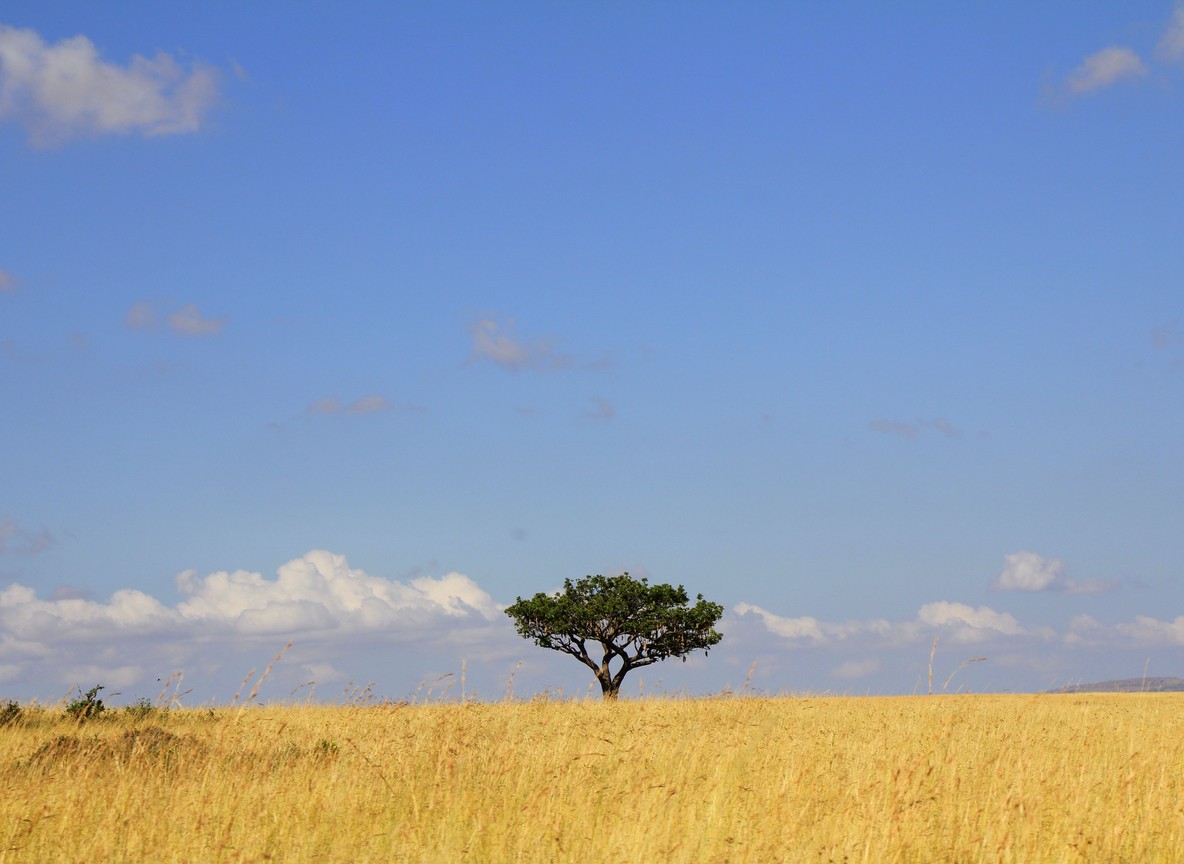
Mount Kenya dominates the southern horizon from this location. Snow-capped volcanic peaks visible above savannah grassland is a combination that exists almost nowhere else on the African continent. At 1,900 to 2,100 metres above sea level, the altitude produces cool nights, clear air, and a quality of morning light that is distinct from the warmer, lower-elevation ecosystems of the Mara or Amboseli.
The Laikipia plateau is Kenya’s second-largest wildlife zone. It holds critical populations of elephant, black and white rhino, Grevy’s zebra, reticulated giraffe, wild dog, and lion. The ecosystem is more complex and less widely known than the Mara, which is part of what makes it genuinely interesting to experienced safari visitors.
What the Property Offers
Marriott International has positioned this as JW Marriott’s African safari flagship. The property format is a permanent lodge rather than a mobile or tented camp, which sets up a specific aesthetic that differs from the canvas-and-poles tradition of East African safari architecture.
| Feature | Detail |
|---|---|
| Property type | Permanent lodge |
| Reserve size | 45,000 acres (private) |
| Primary wildlife | Black rhino, white rhino, elephant, lion |
| Location | Solio/Laikipia, approximately 200km north of Nairobi |
| Altitude | 1,900-2,100m above sea level |
| Available activities | Game drives, walking safaris, rhino tracking |
| Nearest airstrip | Solio or Nanyuki (35-45 minutes by charter from Nairobi) |
| Opening | Early 2026 |
The permanent lodge structure means the design language leans contemporary rather than traditional. Guests who are comfortable in a five-star hotel environment will find the transition to this property more intuitive than the transition to a classic East African tented camp.
Rhino Tracking: Why It Matters Here
On a private reserve with a genuine rhino population, guided rhino tracking on foot is not just an activity — it is one of the clearest differentiators between this property and almost anything else in Kenya.
The difference between tracked rhino encounters on private land and standard rhino viewing in a national park is significant. In most parks, rhino are spotted from vehicles at distance, glimpsed through bush, or found at waterholes during routine drives. On a managed private reserve where individual animals are known, tracked by rangers familiar with their movements, and habituated to responsible human presence on foot, the encounter is fundamentally different in quality and proximity.
Black rhino specifically reward this kind of access. They are solitary, strongly territorial, and prefer dense woodland habitat. They are also reactively defensive when surprised — an animal that is habitually startled by vehicles behaves very differently from an animal that has been quietly habituated to foot traffic on familiar ground over years.
The walking rhino encounter on a private reserve with known individuals is one of the most genuinely exclusive wildlife experiences available in Kenya. It is not available in the Maasai Mara, not reliably available in Amboseli, and is available in only a handful of protected and managed landscapes in the country.
How It Compares to Established Laikipia Camps
The JW Marriott is not entering an empty market. Laikipia has some of Kenya’s most respected safari camps, with deep conservation credentials and wildlife access built over decades.
| Camp | Style | Primary Wildlife | Conservation Model |
|---|---|---|---|
| JW Marriott Mount Kenya Rhino Reserve | Permanent luxury lodge | Rhino, elephant | Corporate hotel brand; conservancy terms warrant direct inquiry |
| Lewa Safari Camp / Sirikoi | Tented luxury | Rhino, Grevy’s zebra | Lewa Wildlife Conservancy (charity); published conservation levy per bed-night |
| Borana Lodge | Colonial-style lodge | All of above plus lion | Private family conservancy; active conservation programme |
| Ol Pejeta Bush Camp / Sweetwaters | Tented, range of tiers | Rhino, cheetah, wild dog | Ol Pejeta Conservancy (registered charity); full conservation disclosure |
| Ol Donyo Lodge (south of Laikipia) | Luxury lodge | Big Five plus more | Group Ranch model with community benefit |
The key variable for a conservation-focused visitor is the community and conservation model. Established Laikipia camps like Lewa and Ol Pejeta publish their conservation contributions in detail: bed-night levies, species monitoring budgets, community revenue distributions, anti-poaching infrastructure investment. The JW Marriott’s conservation partnership terms were not fully disclosed in available public documentation at the time of writing. This is worth confirming directly with the property before booking, particularly for travellers for whom conservation accountability is part of the value proposition.
Getting There From Nairobi
The Solio and Nanyuki area has multiple access options, and the choice between them shapes the trip in both cost and experience terms.
Charter flight from Wilson Airport: 35 to 45 minutes to Nanyuki or Solio airstrip. Safarilink and AirKenya both serve Nanyuki on scheduled domestic routes. A charter direct to Solio cuts ground transfer time further. This is the practical choice for most luxury visitors.
Road transfer: 3.5 to 4 hours from Nairobi via Thika and Karatina, or via the Nyeri-Nyahururu route. The road offers genuinely scenic views of Mount Kenya’s slopes in good weather. For guests with the time and inclination, it is not an unpleasant journey. For a luxury safari where time is the constraint, flying is usually preferable.
Helicopter: Charter from Wilson Airport, 45 to 60 minutes depending on routing. More expensive than fixed-wing, but useful for guests combining Laikipia with other locations in a single day.
Building a Laikipia Circuit Around the JW Marriott
The JW Marriott is most compelling as part of a broader Laikipia circuit rather than as a standalone destination. The northern Kenya landscape rewards time and variety — two nights at one property followed by two nights at another gives access to different wildlife, different terrain, and a more complete picture of the ecosystem.
A well-designed Laikipia circuit might look like:
| Nights | Location | Primary Experience |
|---|---|---|
| 1-2 | JW Marriott Mount Kenya Rhino Reserve | Rhino tracking, Mount Kenya backdrop, lodge standard |
| 2-3 | Ol Pejeta Bush Camp or Sweetwaters | Largest black rhino population in Kenya; cheetah; wild dog |
| 2 | Lewa Wildlife Conservancy | Grevy’s zebra, rhino, horse or camel options |
| 1-2 | Samburu National Reserve | Reticulated giraffe, Grevy’s zebra, northern specialist species |
That is a 6 to 9 night northern Kenya circuit covering the full range of Laikipia and Samburu wildlife without repetition. It is one of the most content-rich Kenya safari options available — and it is almost entirely distinct from the typical first-visit itinerary that defaults to the Mara and Amboseli.
For clients combining north and south Kenya, a Laikipia circuit pairs naturally with a Maasai Mara leg during migration season, or with a Mombasa coast extension for a beach-and-bush contrast.
Explorer Notes
The altitude at Solio means packing is different from Mara or Amboseli. Evenings can drop to single-digit temperatures, even in the dry season. Layers matter, including a proper fleece or light down jacket for early-morning game drives and evening bush walks. Midday temperatures are comfortable at this altitude but rarely hot.
The Mount Kenya backdrop is most spectacular from roughly 30 minutes before sunrise until about 90 minutes after, before the mountain’s own weather system builds cloud around the upper slopes. If there is one thing worth setting an early alarm for at Solio, it is the pre-dawn mountain light over the reserve.
Rhino tracking on foot requires a reasonable level of fitness and the ability to follow a ranger quietly and at pace across variable terrain. It is not a technical walk, but guests with significant mobility limitations should confirm suitability with the property before booking.
The broader Laikipia ecosystem has one of Kenya’s higher densities of wildlife outside the Mara. Wild dog are present but difficult to predict; Grevy’s zebra are more reliably encountered in the Lewa and Samburu zone than in the Solio area; and the elephant population that uses the Laikipia plateau is part of a cross-ecosystem population that moves between here, Samburu, and the forests of the Aberdares.
For destination planning resources covering the full Laikipia circuit, camp comparisons, and seasonal timing, touringinsights.com covers northern Kenya in detail.
Questions Worth Asking Before Booking
- What is the specific conservation contribution model for the 45,000-acre reserve, and what percentage of bed-night revenue goes to conservation and community programmes?
- What are the activity options for guests with limited walking ability?
- Is the rhino tracking conducted in the context of a formal conservation programme with population monitoring?
- What guide qualifications and experience does the property operate with?
- Are activities (walking, drives) included in the lodge rate or quoted separately?
Conclusion
The JW Marriott Mount Kenya Rhino Reserve is a genuinely interesting opening in a landscape that was already interesting before it arrived. The Solio rhino population, the Mount Kenya setting, and the walking access to individually known rhino on private land are real differentiators. For the right visitor — someone who wants international luxury hotel standards in one of Kenya’s most dramatic private conservation settings — this property is compelling.
For visitors whose primary interest is the deepest possible conservation accountability alongside their wildlife experience, the established Laikipia camps with longer track records and published conservation metrics may still have the edge. The two propositions are not mutually exclusive, and a Laikipia circuit that combines the JW Marriott with a conservancy-model camp like Lewa or Ol Pejeta gives access to both.
Next Steps
If you are planning a northern Kenya or Laikipia circuit, the best starting point is deciding how many nights you have for the region and which combination of experiences matters most to you: rhino, wild dog, Grevy’s zebra, cultural engagement, or the Mount Kenya landscape. From there, the right camp sequence becomes straightforward. For full planning resources covering Laikipia, Samburu, and northern Kenya, visit touringinsights.com. For the JW Marriott property specifically, see trunktrailssafaris.com for Laikipia itinerary options.
Every trip described here can be tailored: dates, budget, camps, and pace built around you.
Get a Personalised Safari