Governors’ Camp is one of the most established names in Masai Mara safari accommodation. It sits on the Mara River, in a location that directly shapes what your game drives look like and what wildlife you can access without long transit times.
This guide covers what the property is, why location matters as much as room quality for a Mara camp, what to evaluate before booking, and how to think about whether Governors’ Camp fits your specific trip.
Location and What It Means for Your Safari
Governors’ Camp is positioned on the banks of the Mara River in the Masai Mara Game Reserve. River location is one of the most consequential variables in Mara camp selection, and it matters for reasons that go beyond the view from your tent.
Migration season relevance. The Mara River is where the wildebeest crossings happen between approximately July and October. A camp on the river means you are positioned near the action. When crossings develop, you can reach key crossing points without covering significant ground first, which matters enormously when crossings can start or stop within minutes. For guests visiting specifically during migration season, river-adjacent positioning is a meaningful advantage.
Year-round wildlife. The river is also a permanent magnet for resident wildlife. Hippo pools along the Mara River are active year-round. Elephants use the riverine forest throughout the day. Leopards favour the dense vegetation along the banks. Crocodiles are permanent residents. A camp on the river means consistent wildlife activity within close range even outside migration season.
Drive efficiency. Location affects how quickly your guide can put you in front of wildlife in the morning. Camps positioned well relative to known wildlife zones mean you spend more time observing and less time transiting. This is worth asking about when comparing camps: where are you relative to the areas your guide wants to work in the first two hours?
The Governors’ Camp Property
Governors’ Camp has been operating in the Mara since 1972 and is one of the original permanent safari camps in the ecosystem. It sits in a grove of acacia trees on the northern bank of the Mara River, within the National Reserve boundary.
The camp runs on a traditional tented camp model, with individual tents on raised platforms, a shared dining area and bar, and access to the river frontage. The property has maintained a reputation for strong guide quality, which matters as much as room comfort in determining the quality of your game drives.
Accommodation is organized around safari rhythm: early departure, return for brunch, midday rest period, afternoon drive, dinner. The schedule is calibrated to wildlife activity windows rather than guest convenience, which is as it should be.
What to Evaluate Before Booking
Inclusions. Confirm exactly what your package covers. Some packages include park fees and game drives; others price these separately. The total cost of a safari stay is often significantly different from the headline accommodation rate.
Guide arrangement. Ask whether guides are camp-based or whether your guide comes with a package organized through a specialist. Guide quality is the most significant variable in sighting frequency and quality. A camp with excellent guides in a mediocre location will outperform a well-positioned camp with weak guides every time.
Season and availability. Peak season (July to October for migration, December to January for holiday travel) books well in advance and commands premium rates. Green season (April through June, November) offers significantly better rates, lower vehicle density at sightings, and strong resident wildlife. If river crossings are not your primary goal, the non-migration season is often the better value proposition.
Room type and configuration. Confirm bed configuration, bathroom setup, power availability, and family or group suitability before committing. Safari properties vary significantly in practical logistics like hot water scheduling and charging windows for devices.
Wildlife Access from Governors’ Camp
The Mara River location gives Governors’ Camp access to several of the ecosystem’s most productive wildlife zones.
Predators. The Masai Mara holds some of the highest lion density in Africa. Multiple resident prides range across the plains in the area surrounding the camp. Leopards are regularly sighted in the riverine vegetation. Cheetahs work the open plains to the south and east. Year-round predator sightings at the Mara are genuinely reliable, not seasonal.
River wildlife. The Mara River hippo pools are among the most accessible in Kenya. Hippos are present all day. Nile crocodiles of considerable size are permanent residents and visible from the bank.
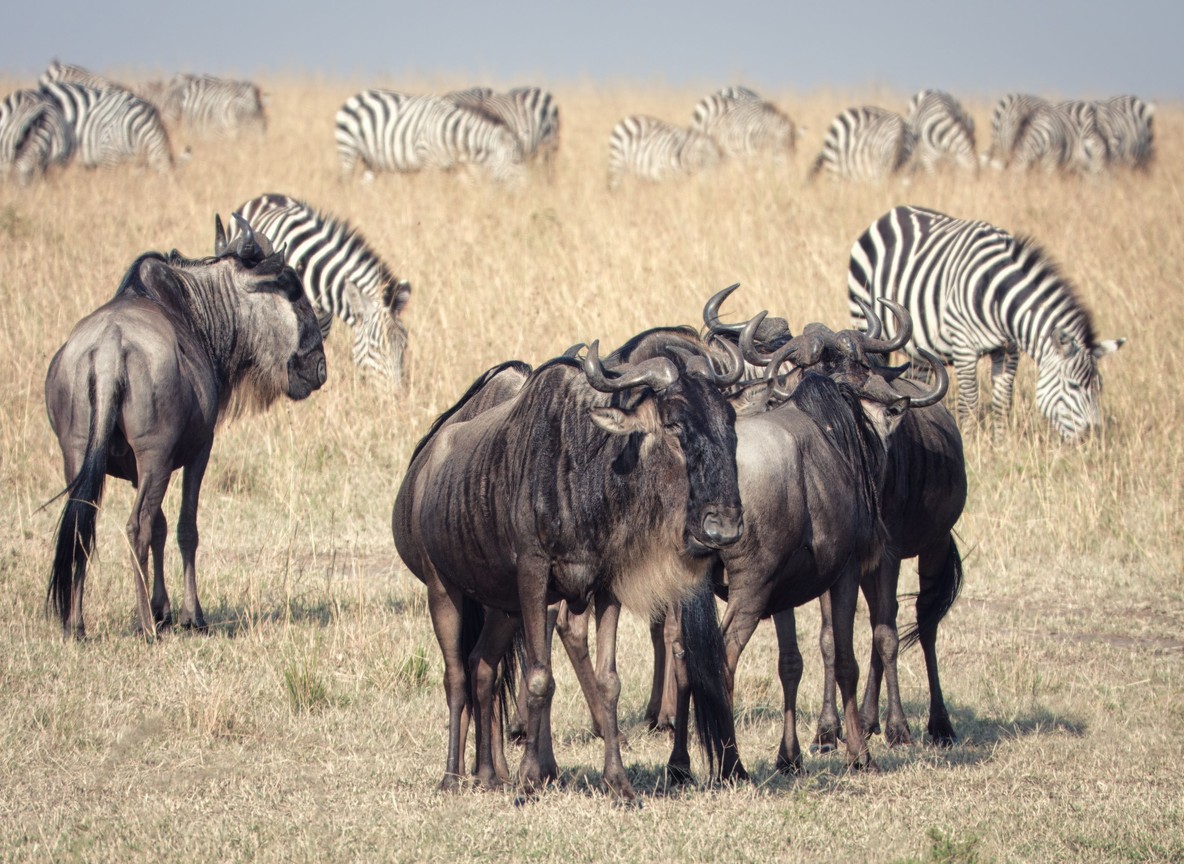
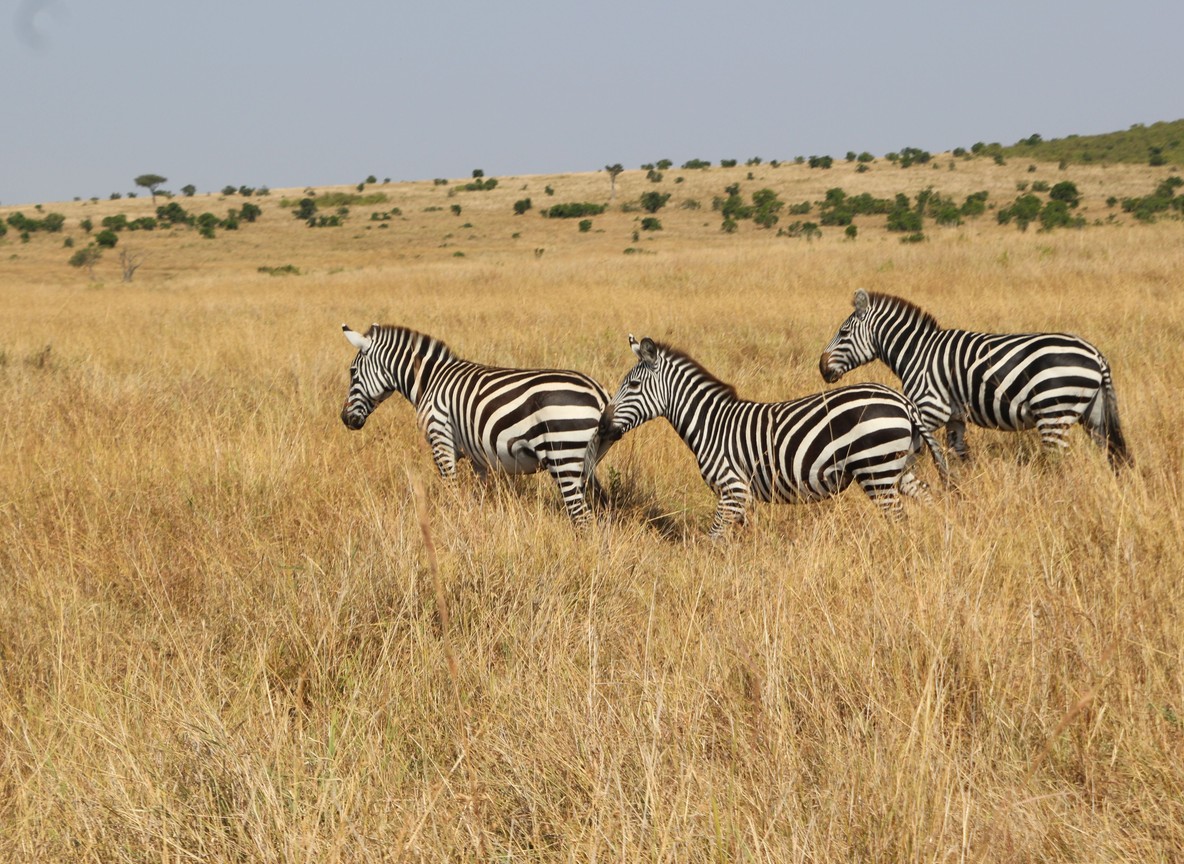
Migration season. July through October, the wildebeest and zebra herds from Tanzania pour into the Mara ecosystem. River crossings, where herds plunge through crocodile-filled water, happen at predictable crossing points along the river. The proximity of Governors’ Camp to the river means guides can position at crossing points efficiently and wait for herd behaviour to develop.
Elephants and buffalo. Large elephant herds use the Mara River forest year-round. Buffalo herds of several hundred animals are common on the central plains. Both are reliable sightings from any base in this part of the reserve.
How Governors’ Camp Compares to Other Mara Options
When shortlisting Mara camps, the comparison framework should work through several layers:
Reserve vs conservancy. Governors’ Camp is within the National Reserve. The main Mara Reserve prohibits night drives and limits off-road driving. Private conservancies adjoining the reserve permit night drives, walking safaris, and complete off-road flexibility. If night drives and walking are priorities, a conservancy camp may suit you better regardless of which reserve camp you might otherwise prefer.
Position in the ecosystem. Different parts of the Mara suit different wildlife goals. The Mara Triangle (west of the river) and the central plains offer different game drive experiences from the northern sector. Ask your guide or outfitter where they expect your target wildlife to be active during your specific dates.
Group size and intimacy. Governors’ Camp is a mid-sized property by Mara standards. Guests seeking a more intimate setting with fewer other guests at sightings may prefer one of the smaller conservancy camps or the exclusive-use properties in the northern sector.
Budget range. The Mara offers accommodation from budget tented camps at under $200 per person per night to ultra-luxury private camps above $1,500. Governors’ Camp sits in the upper-mid to premium range. Confirm full package costs rather than room rate alone.
Explorer Notes: Practical Planning Points
When to book. For migration season travel (July to October), begin enquiries 6 to 9 months ahead. Migration season Mara accommodation fills significantly faster than most travellers expect. The most in-demand camps and specific tent positions can be unavailable well before peak dates.
Transfer options. The Mara is accessible by scheduled or charter flight from Nairobi’s Wilson Airport (45 to 60 minutes), which is the most practical option for most visitors. Road transfer from Nairobi takes approximately 4 to 6 hours depending on traffic and route. For a 3-night or shorter stay, flying in is strongly preferable.
River crossing unpredictability. Wildebeest crossings cannot be predicted with precision. Guides monitor herd movements using radio communication and experience with individual crossing points. On some days, crossings happen multiple times. On others, herds approach and retreat without crossing. A minimum of 4 to 5 nights during migration season gives you enough opportunities across different days.
Park fees. Masai Mara National Reserve park fees for non-residents are a significant additional cost, currently in the range of $80 to $200 per person per day depending on season. Confirm whether these are included in your package or are additional.
Conclusion
Governors’ Camp’s location on the Mara River is its primary asset, and for guests visiting in migration season or with a specific interest in river wildlife, it is a meaningful advantage. The camp’s long history in the ecosystem means guides have accumulated deep knowledge of the terrain.
Whether it is the right camp for your trip depends on your dates, your budget, your wildlife priorities, and how much the reserve-versus-conservancy question matters to your planned activity mix. A Mara camp decision is best made with a clear understanding of what you want to do every day, not just where you want to sleep.
Next Steps
For broader context on Masai Mara camp selection and the reserve-versus-conservancy decision, the Touring Insights Masai Mara planning guide covers the full ecosystem in detail. Official park information including current fees is available via the Kenya Wildlife Service. For migration season timing and what to expect month by month, the Touring Insights wildebeest migration guide covers the full seasonal calendar.
Further reading
More safari planning resources
- Wildebeest migration route map from Valley Safaris
- Great Migration safari collection on FindMySafari
- Best time to visit Kenya month-by-month map from Valley Safaris
- Compare Kenya safari packages on FindMySafari
Related guides: Masai Mara Accommodation Near Sekenani Gate: What to Know Before Booking.