The best time to visit northern Kenya is not a single answer. It depends on what you want from the trip: reliable wildlife visibility, softer rates, atmospheric green landscapes, or roads that hold up under a fully loaded 4×4. Northern Kenya covers an enormous geographic range, from the riverine woodlands of Samburu to the volcanic highlands of Marsabit, the jade waters of Lake Turkana, and the open salt-pan expanse of the Chalbi Desert. Each zone responds differently to the same rainfall event, which means your timing choice carries more weight here than it does in Kenya’s better-trafficked southern circuits.
This guide breaks down conditions month by month and then groups those months into planning windows that match specific traveler priorities.
Understanding Northern Kenya’s Two Dry Seasons
Kenya operates on a dual-season rhythm rather than a single summer-winter cycle. The long rains, called the masika, run through April and May. The short rains, the vuli, arrive in October and November. Between these two wet periods sit two distinct dry windows: January through March, and June through September. These dry stretches are the foundation of most northern safari planning.
What makes northern Kenya different from the Masai Mara or Amboseli is that the north is significantly more arid to begin with. Even in the wet months, rainfall patterns are inconsistent across zones. The Chalbi and Turkana corridor can stay bone-dry when Marsabit gets a proper soaking. Samburu generally stays game-drive friendly even when the Laikipia plateau gets temporarily soft. Knowing which zone you are heading into shapes which month matters most.
Month-by-Month Breakdown
January
January is one of the most dependable months across the northern circuit. The dry season is well established, daytime temperatures in Samburu and the lowlands climb into the mid-30s Celsius, and wildlife concentrates around the Ewaso Nyiro River and other permanent water sources. Road conditions are generally solid across most access routes. Photographers get long golden-hour windows and clear skies. Demand picks up after the festive holiday period but has usually dropped from December peaks by mid-month.
February
February sits at the peak of the first dry season. Animal sightings in Samburu tend to be strong, with Grevy’s zebra, reticulated giraffe, Beisa oryx, gerenuk, and Somali ostrich all conspicuous in open scrub. Elephant herds move along the river with predictable regularity. Bush is sparse and dry, which works in favor of sightline quality. This is a strong month for photography-focused itineraries and for travelers who want maximum time in activity rather than transit recovery.
March
March is still workable across most northern routes, though the first transitional weather signals can appear toward the end of the month. Some years March holds perfectly dry; others show early cloud build-up and isolated showers that soften tracks into less-visited sectors. For travelers flexible enough to adjust activity timing day by day, March remains a solid choice. Rates begin to ease compared to peak January and February.
April
Long-rain influence arrives in April and changes the calculus considerably. Some roads into remote northern zones can become difficult, and operators serving the Chalbi or deep Turkana corridor will often add buffer days to itineraries. Camps that rely on solar power manage well; those dependent on aircraft supply runs may experience minor disruptions. The landscape turns green quickly, which creates genuinely beautiful scenery, but wildlife disperses from waterholes as moisture becomes available across a wider area. Sighting quality can drop, though concentrated herds sometimes remain along permanent rivers.
Travelers who choose April should build in genuine flexibility, both in terms of route and activity scheduling.
May
May is the height of the long rains. Access to some northern routes is limited, and a handful of camps in the more remote corridors close for the season. For travelers who accept these constraints, May offers meaningfully lower rates, far fewer other visitors on the road, and a northern Kenya that looks genuinely different from the dusty dry-season version. Lush green backdrops, dramatic storm light in the late afternoon, and unhurried camp experiences are real compensations. The trip needs tighter planning discipline and more flexibility than any other month.
June
June marks the turn back toward dry conditions. Rain eases across most zones, and roads begin to recover. Camps that closed in May reopen, and the circuit starts moving again. Dust has not yet returned in full force, vegetation is still greener than deep dry-season, and wildlife begins concentrating back around water sources. June is a transition month that tends to reward travelers willing to arrive slightly before the crowd.
Demand for top camps and specialist guides starts climbing in late June.
July
July is one of the most consistently productive months across the northern circuit. The second dry season is firmly established, conditions are reliable, and the cooler temperatures make long game-drive days more comfortable than in peak January heat. Samburu and Buffalo Springs are at their most active, with predator sightings strong in the river corridor. Demand is high, and availability at the better camps requires early booking.
August
August carries similar quality to July with slightly higher overall visitor numbers. The northern circuit benefits from the same dry-season reliability that draws crowds to the Mara in the south, though northern zones feel considerably less trafficked by comparison. This is a strong month for families, first-time safari travelers, and anyone who values operational predictability over budget optimization.
September
September is frequently cited as the single best all-round month for northern Kenya. Dry-season conditions persist, daytime temperatures moderate slightly from the peak heat of July and August, and visibility in dry bush is excellent. September also tends to show stronger predator activity across Samburu and the surrounding conservancies. Elephant herds are large and well-distributed along the river. Wildlife photographers often prefer September for its combination of clear light and active animal behavior.
Travelers choosing a single month who want the highest probability of strong sightings across multiple species should look at September first.
October
October is still strong in the early weeks, with dry conditions holding across most zones. Toward the end of the month, the short rains can begin, typically as afternoon thunderstorms that clear by evening. Even during the transition, game-drive quality remains good. Some travelers specifically target early October for the combination of dry-season sightings and emerging green landscape, which can produce striking photographic results.
November
November is the short-rain month. The dynamic is similar to April but generally milder in intensity and duration. Road access to most primary northern destinations holds well, and camps rarely close. Rates soften, visitor numbers drop, and the bush takes on texture and color that the dry season cannot provide. For photographers willing to work around afternoon rain, November offers distinctive light and greenery that make images look unlike anything shot in the dry months.
December
Early December is often excellent, sitting in the post-rain window before festive demand drives rates sharply upward. By mid-December, the popular camps book out and rates reflect peak-season pricing. Travelers with date flexibility who can arrive in the first two weeks of December often get strong conditions at transitional rates. From late December through the New Year, expect premium pricing and advance booking requirements at the better properties.
Season Blocks for Practical Planning
Breaking the year into four usable windows simplifies the decision for most travelers:
January to March covers the first dry season. Broad usability, reliable road conditions, and strong wildlife activity. The warmest months of the year, with February as the peak. Well suited to first-time northern Kenya visitors.
April to May is the long-rain period. Lower rates, green scenery, and fewer visitors. Best approached with genuine flexibility built into the itinerary and conservative pacing on remote routes.
June to October spans the second dry season and is the most popular planning window overall. July through September represent the sweet spot for combining reliable conditions with active wildlife behavior. Advance booking is important for the best camps.
November to early December offers a green transition window with moderate rates and lower crowds. Short rains can add logistical complexity but rarely derail well-planned trips.
Wildlife Viewing by Season
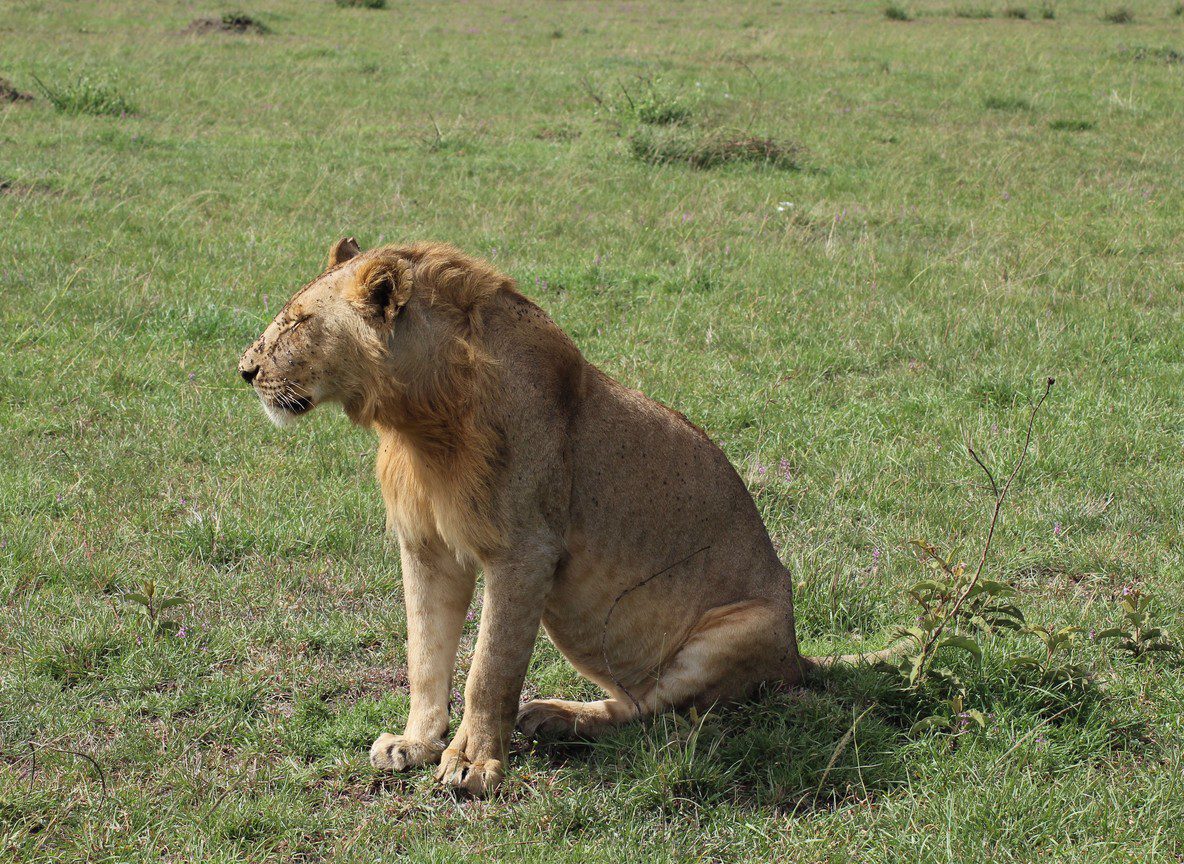
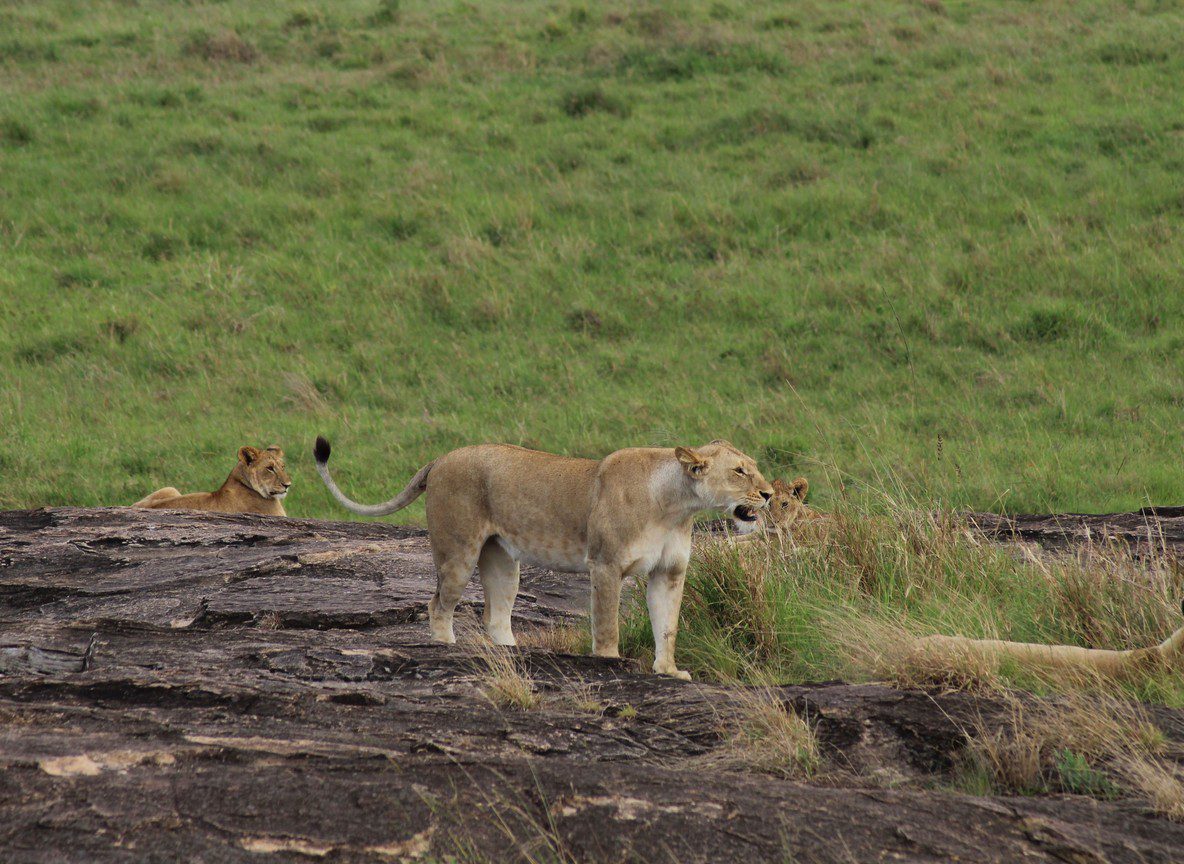
Dry-season months concentrate animals predictably around permanent water, which makes sightings more consistent but sometimes more densely gathered at a handful of reliable spots. Predators follow prey, so lion and leopard sightings along the Ewaso Nyiro river tend to be strongest when herds are compressed in the dry months.
Green-season months offer a different quality of observation. Herds disperse more widely, individual sightings require more patience, but the behavior on display is more varied. Calving activity increases in the green season, which draws predator attention and can produce remarkable sequences for patient observers.
Samburu’s special five species, Grevy’s zebra, reticulated giraffe, Beisa oryx, gerenuk, and Somali ostrich, are present year-round. Their visibility tracks directly with vegetation density. In open dry-season bush, all five are easy to locate. In green-season cover, gerenuk and oryx require slower, more deliberate searching.
Pricing and Availability Patterns
Peak rates apply across most top-tier northern properties from July through October, and again over the festive period in December and early January. The sharpest value windows are April through early June, and November through early December.
Travelers who prioritize specific properties over date flexibility should book six to nine months ahead for the July to September window. Those with genuinely flexible dates can often find excellent value by targeting late June or early October, which sit at the shoulder of the peak period with conditions nearly as strong.
Who Should Travel When
First-time northern Kenya visitors generally do best in January through March or July through September. Conditions are predictable, logistics are uncomplicated, and wildlife activity is strong.
Families with children benefit from the dry-season reliability of June through September, when long drive days are possible without weather uncertainty and activity timing is easier to manage around meal and rest schedules.
Photographers looking for visual diversity often split the difference by including at least one green-season day or choosing a shoulder month, either early June or early October, that can deliver both dry-season sightlines and atmospheric cloud or post-rain light.
Value-focused travelers who have flexibility in their dates will find the best overall balance of conditions and rate in late June or the first half of November.
Practical Notes Before You Book
Northern Kenya’s remoteness means that the cost of poor timing compounds faster than it does in circuit destinations closer to Nairobi. A washed-out road in Marsabit or a flooded Chalbi salt pan is not a minor inconvenience; it can change the shape of several itinerary days. Conservative planning for the wet and transition months is not pessimism, it is the difference between a trip that adapts well and one that accumulates frustration.
Travelers planning lake Turkana or Chalbi Desert segments should add at least one buffer day per four days of remote movement during April, May, and November. For Samburu-only itineraries, this buffer is far less critical.
Conclusion
Northern Kenya rewards travelers who match their timing to their actual priorities. There is no universally best month, but there are clearly better months for specific goals. September stands out as the strongest single-month option across most traveler types. January and February are nearly as strong and marginally less crowded. November offers a genuinely different experience at softer rates. And for travelers who embrace the variable conditions of the long-rain period, May can deliver something that peak-season northern Kenya simply does not: a landscape and an experience with no one else in the frame.
Reader Next Steps
For more on the specific destinations within the northern circuit, see the Tourinsights guide to Marsabit National Park and the Lake Turkana safari planning guide. Travelers deciding between road and air access will find the fly-in vs overland northern Kenya comparison a useful next read. For operator-specific trip planning resources, Trunktrails Safaris covers northern Kenya circuits in detail.
Have questions about this itinerary or destination? Get answers from a safari specialist before you commit.
Inquire More