

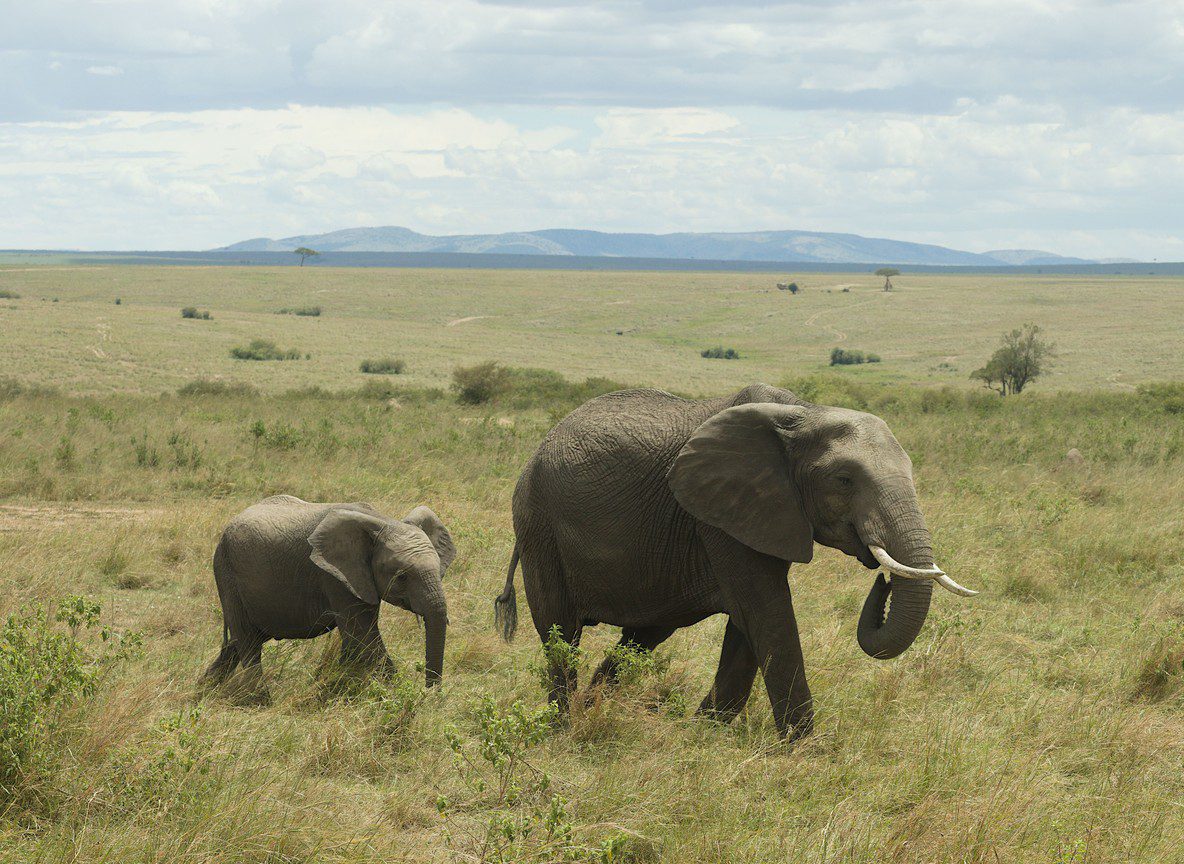
There is no wrong time to visit the Masai Mara. The Big Five are resident year-round. But if the wildebeest migration is the specific reason you are going — if you want to stand at the edge of the Mara River and watch the spectacle that has made this ecosystem famous — then timing changes everything.
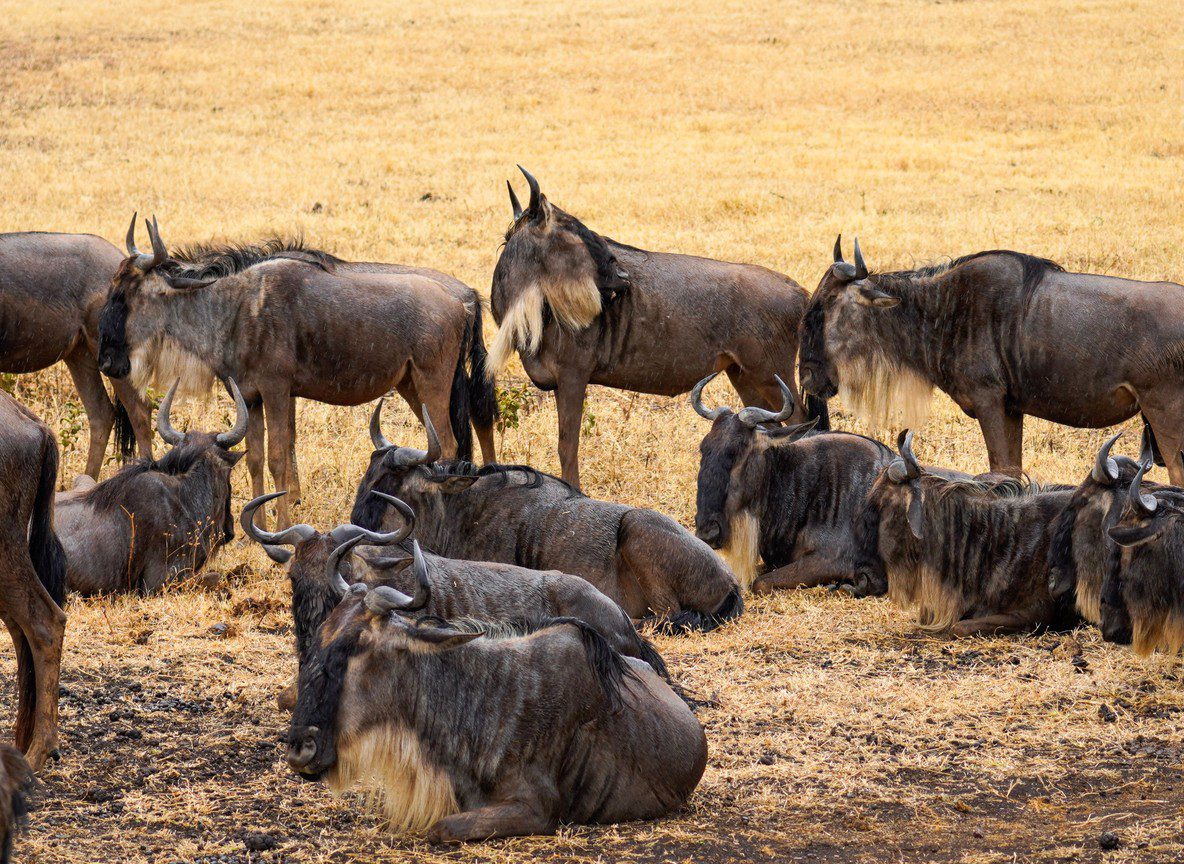
When do the river crossings happen? What is the difference between visiting in September versus January? Which month gives you the best chance of witnessing a crossing without paying August peak prices? This guide answers all of it, month by month, with honest assessments of each window and practical notes for planning a 2026 trip.
How the Migration Works
Before the month-by-month breakdown, one essential context point: the great migration is circular and continuous. The wildebeest do not stop for a season and restart. They move year-round, following rainfall and the new grass it produces, in a clockwise loop across the Serengeti-Mara ecosystem that spans Tanzania and Kenya.
The wildebeest migration route:
- January through March: Calving in southern Serengeti, Tanzania — herds are relatively stationary during calving season
- April through May: Moving northward through central Serengeti as the long rains begin
- June: Reaching northern Serengeti, beginning to approach Kenya
- July through October: In Kenya’s Masai Mara — this is the river crossings window
- November through December: Returning south as short rains bring fresh grass in Tanzania
The Masai Mara migration season — July to October — is the Kenya window. Everything below focuses on that period, with notes on shoulder months for travellers with different priorities or budgets.
Month-by-Month Guide
January
Where are the wildebeest? Southern Serengeti and Ndutu plains, Tanzania. In the Masai Mara: Resident wildlife only — no migration herds.
January in the Masai Mara is what locals call the green season. Grass is lush and tall after the short rains, visibility is slightly lower than peak dry season, but the Mara’s resident Big Five are active and the landscape is at its most dramatic. Bird life peaks. Fewer tourists means lower prices and a genuine sense of exclusivity.
Should you visit for the migration? No. But if the Mara itself is your destination rather than specifically the crossings, January offers excellent value and a very different kind of beauty.
February
Where are the wildebeest? Southern Serengeti, Tanzania — peak calving. In the Masai Mara: No migration herds.
February is peak calving in Tanzania — approximately 500,000 wildebeest calves are born within a six-week window. If calving season interests you, this is the Tanzania window and worth combining with a Kenya visit. In Kenya, the Mara is quiet for migration purposes but active with resident wildlife.
March
Where are the wildebeest? Central Serengeti, beginning to move north. In the Masai Mara: No migration herds, long rains beginning.
The long rains start in March. Herds have begun their northward movement through the Serengeti. Not yet in Kenya. March is the transition month — the first half often delivers good conditions at lower prices before the rains take hold.
April and May
Where are the wildebeest? Moving through central to northern Serengeti. In the Masai Mara: Wet season — green, beautiful, quietest period of the year.
The long rains bring the lowest visitor numbers and the lowest prices. Game viewing is still strong — lions hunt, elephants move, predator-prey interactions continue regardless of rain. A small number of premium camps remain open and offer exceptional value for the right traveller. This is not a migration window but a genuinely different kind of safari experience.
June: The Build-Up
Where are the wildebeest? Northern Serengeti and beginning to cross into Kenya. In the Masai Mara: Early arrivals, tension building.
June is the transitional month. The rains ease, the grass dries, and the first scout herds begin crossing the Kenya border. By late June, large numbers are in the northern Mara ecosystem, primarily in the conservancies north of the national reserve.
River crossings in June are possible from mid-June onward, though not guaranteed. Crowds are building but not yet at peak. Pricing is ramping toward peak season rates.
For travellers who want early-migration atmosphere without August intensity and prices, June is worth considering — but requires advance booking.
July: Migration Arrives in Full
Where are the wildebeest? Masai Mara — large herds crossing the Mara River. In the Masai Mara: The main event begins.
July is when the Kenya migration experience properly starts. Herds arrive in enormous numbers, sometimes covering the Mara plains as far as you can see. Multiple Mara River crossing points become active. Predators follow the herds. The drama is extraordinary and sustained.
River crossings in July are regular at multiple crossing points. Weather is dry season — clear skies, excellent light, cool mornings. Crowds are high but not yet at August peak. This is often recommended for first-time migration visitors who want the full experience at slightly lower intensity than August.
Booking requirement: six to nine months in advance for the better conservancy camps.
August: Peak Migration Season
Where are the wildebeest? Maximum concentration in the Masai Mara. In the Masai Mara: The highest-intensity migration window of the year.
August is peak migration month. The largest wildebeest concentrations are in Kenya. Crossings happen multiple times daily at some crossing points. Predator activity following the herds is at its highest. The drama is relentless — even when you are not at a crossing, the Mara in August is saturated with wildlife.
The catch: August is also peak tourist season. Inside the national reserve, vehicle concentration at crossings can be high. The conservation areas — Mara North, Olare Motorogi, Naboisho, Mara Triangle — provide significantly better viewing experiences with fewer vehicles competing for the same scenes.
River crossings in August are the most reliable of the year. Weather is dry, clear, and warm by day with cool nights. Pricing is the highest of the year. Booking requirement: nine to twelve months in advance. Do not wait.
September: The Sweet Spot
Where are the wildebeest? Large herds still in the Mara, beginning gradual southward drift. In the Masai Mara: Peak experience with shoulder-season calm.
Guides who spend the full year in the Mara consistently rate September as the single best month for a wildebeest migration safari in Kenya. Here is why:
- The herds are still in the Mara in large numbers
- River crossings are still happening at multiple crossing points
- The peak August crowds have thinned noticeably
- September has the best light of any migration month — golden, crisp, and exceptional for photography
- Prices ease 10-20% from August peaks
- Conservancy camps are slightly easier to book
September delivers everything August offers with a more intimate atmosphere and better photographic conditions. If you have any flexibility between the two months, September is the better practical choice.
River crossings remain active through mid-September and decrease in frequency from late September. Booking requirement: six to nine months in advance.
October: The Return Journey
Where are the wildebeest? Beginning to move south as short rains approach. In the Masai Mara: Tapering migration, but still significant in early October.
Early October continues the migration experience — herds are still present, crossings still occur, though with decreasing frequency as the month progresses. By mid-October, numbers in the Mara are noticeably lower. By late October, the short rains begin and most herds have crossed back south into Tanzania.
Early October is worth considering for budget-conscious travellers for whom late September was unavailable. Late October is a different and quieter experience than the peak migration months.
November and December
Where are the wildebeest? Back in Tanzania, moving south. In the Masai Mara: No migration herds. Green season beginning.
November and December are again the green season. Excellent for birding, beautiful scenery, low prices. Not a migration window. The Mara in November has a moody, lush beauty that is genuinely photogenic but completely different from the July-September spectacle.
Wildebeest Migration 2026: What to Expect
The 2026 migration will follow the same broad annual pattern — governed by rainfall, not a fixed calendar. Based on historical patterns:
| Period | What to Expect |
|---|---|
| Late January through March 2026 | Calving in southern Serengeti, Tanzania |
| April through May 2026 | Northward movement through central Serengeti |
| Mid-June 2026 | First herds crossing into Kenya |
| July 2026 | Full migration in Masai Mara, crossings begin at multiple points |
| August 2026 | Peak crossing season, maximum herd density |
| September 2026 | Continued crossings, the recommended window for most travellers |
| October 2026 | Gradual southward return, crossings tapering |
Important 2026 note: Climate variability can shift these windows by two to four weeks in either direction. East African rainfall in 2025 will influence 2026 migration timing. Monitor updates from operators or guides with ground presence in the weeks approaching your travel dates.
When to Go: The Decision Framework
| Priority | Best Months |
|---|---|
| See a Mara River crossing | July, August, September |
| Best photography light | September |
| Largest herd numbers | August |
| Fewer vehicles at crossings | September, early July |
| Best value during migration | September, early July |
| Budget travel (non-migration) | January, April, May |
| Family with school-age children | July, August (school holidays) |
| Honeymoon or romantic safari | September (light quality, exclusivity) |
| First-time Kenya safari | July or September |
Frequently Asked Questions
Can anyone predict the exact date of wildebeest crossings?
No. The crossings are driven by animal behaviour, not a fixed schedule. Experienced guides can read the signs — herd stacking, animal restlessness, time of day — and position you at the right crossing point at the right time. What good guides deliver is not a guarantee of crossings on a specific day but a much higher probability of being in the right place when they happen.
Is there a wildebeest migration tracker to follow?
Several online resources track general herd positions, including the Mara Conservancy’s social media channels and specialist safari tracker sites. These are useful for general timing. For day-to-day conditions, nothing replaces real-time ground intelligence from guides working the area.
What is the best time to see the migration in Tanzania versus Kenya?
Tanzania’s Serengeti is the destination for calving season (January through March) and the early northward movement through dramatic landscapes. Kenya’s Masai Mara is the destination for the Mara River crossings (July through October). For a single trip focused on the crossings, Kenya is the answer.
How many wildebeest actually cross the Mara River?
The annual crossing population is approximately 1.5 million wildebeest. They do not all cross at the same point or on the same day. Individual crossings involve hundreds to tens of thousands of animals. The largest single-crossing events can involve 50,000 animals or more and last several hours.
Should I stay in the national reserve or in a conservancy?
The conservancies surrounding the national reserve — Mara North, Olare Motorogi, Naboisho, Mara Triangle — offer the same migration experience as the reserve with significantly fewer vehicles. For most travellers, particularly during July and August when reserve vehicle density is highest, a conservancy camp is the better practical choice.
Explorer Notes
September is the underused gem. Most first-time migration visitors default to August without realizing that September offers nearly identical conditions with less competition and better light. If your dates allow any flexibility, compare both months seriously.
Position matters as much as month. The difference between a conservancy camp and a standard reserve camp on a popular crossing day is the difference between an intimate experience and a traffic jam. Research camp location, not just camp quality.
Three nights minimum. Migration crossings are unpredictable in their timing. A two-night trip gives you one full day at a crossing point. A three-night trip gives you two full days and a much better probability of witnessing an actual crossing.
For current migration tracking and detailed camp positioning advice, see the migration guides at touringinsights.com. For on-the-ground updates from guides in the Mara, trunktrailssafaris.com publishes regular field reports throughout the migration season.
Reader Next Steps
- Read the detailed Masai Mara season guide at touringinsights.com
- Compare conservancy versus national reserve camps for migration viewing at touringinsights.com
- Explore combining Tanzania calving season with Kenya crossings at touringinsights.com
- Check 2026 camp availability for July-September at trunktrailssafaris.com
Further reading
- Maasai Mara Wildlife Conservancies Association
- Magical Kenya (Kenya Tourism Board)
- Kenya Wildlife Service