

For many travelers, safari begins as a general idea and then becomes specific the moment wildlife enters the picture. A lion on a termite mound, elephants crossing open ground, a leopard disappearing into shade, wildebeest massing at a river crossing: these are the images that turn a destination into a serious travel plan. That is why understanding African safari animals matters before a trip ever starts.
This guide focuses on the species that shape wildlife travel in East Africa. It starts with the Big Five, then moves beyond them to animals that often become just as memorable in the field. The goal is not only to provide a safari animals list, but to help readers understand what makes these species compelling, where they are often seen, and why some sightings stay with people longer than others. Readers planning around wildlife variety rather than only destinations can pair this with the broader Kenya safari overview.
The Big Five African Animals
The phrase “Big Five” came from the language of big-game hunting, but in modern safari travel it has been fully repurposed. Today it works as a shorthand for five of the continent’s most sought-after wildlife sightings: lion, elephant, buffalo, leopard, and rhino.
The term can be useful, but it also flattens the experience if readers stop there. Each of these species matters for different reasons, and each behaves differently in the landscapes where travelers encounter them.
Lion
The lion remains the animal many first-time travelers most want to see. Part of that is symbolism, but part of it is behavior. Lions are often visible in ways other big predators are not. They rest socially, move in recognizable family groups, and can often be watched in open terrain where behavior is easy to interpret.
That visibility is one reason lions dominate so much African safari wildlife photography. They are powerful, but also readable. A pride spread out on grassland tells a clear story even to someone with no prior safari experience.
Elephant
Elephants often leave the deepest emotional impression. Their size is obvious, but what tends to stay with travelers is their social behavior: matriarch-led movement, the closeness of family groups, the calm force of their presence, and the way younger animals interact within the herd.
In East Africa, elephant viewing is often strongest in parks and conservancies where water and open terrain combine to make movement visible. For many readers, elephants become the species that changes safari from spectacle into something more reflective. That is especially true in destinations like Tsavo National Park and Ol Pejeta Conservancy, where animal identity is tied strongly to place.
Buffalo
Buffalo rarely dominate travel marketing in the same way as lions or elephants, but they matter more in the field than many first-time travelers expect. Large herds carry real visual weight, and solitary bulls can give a landscape a more serious, guarded feeling.
They are also a reminder that safari is not only about charismatic favorites. Buffalo contribute to the sense that these ecosystems are full, functional, and not designed around tourist preference.
Leopard
Leopard sightings are often the most prized because they are not guaranteed. Leopards are solitary, frequently concealed, and deeply adapted to partial cover and low-visibility environments. That makes the moment of finding one feel earned.
For many repeat travelers, the leopard becomes the species that measures the quality of a game drive, not because it matters more ecologically than others, but because the sighting is so dependent on patience, fieldcraft, and luck.
Rhino
Rhino sightings carry a different kind of weight. They are not only wildlife experiences, but encounters shaped by conservation history. Because populations have been heavily pressured by poaching, seeing a rhino often feels charged with the knowledge that the species has survived intense human threat.
For readers building an African wildlife guide in their minds, rhino belong in a slightly different category from the other Big Five. They are not just iconic. They are symbolic of the stakes surrounding modern wildlife protection.
Beyond the Big Five
The Big Five are important, but they are not the full story. Some of the best animals to see on safari are memorable precisely because they sit outside that famous category.
Cheetah
Cheetah sightings feel different from lion sightings. Cheetahs are leaner, more exposed, and often associated with daylight movement and visible hunting behavior. Their speed dominates the popular imagination, but what often matters more in the field is their alertness and fragility compared with larger predators.
They often become a favorite species for travelers who enjoy watching tension build rather than simply admiring presence.
Giraffe
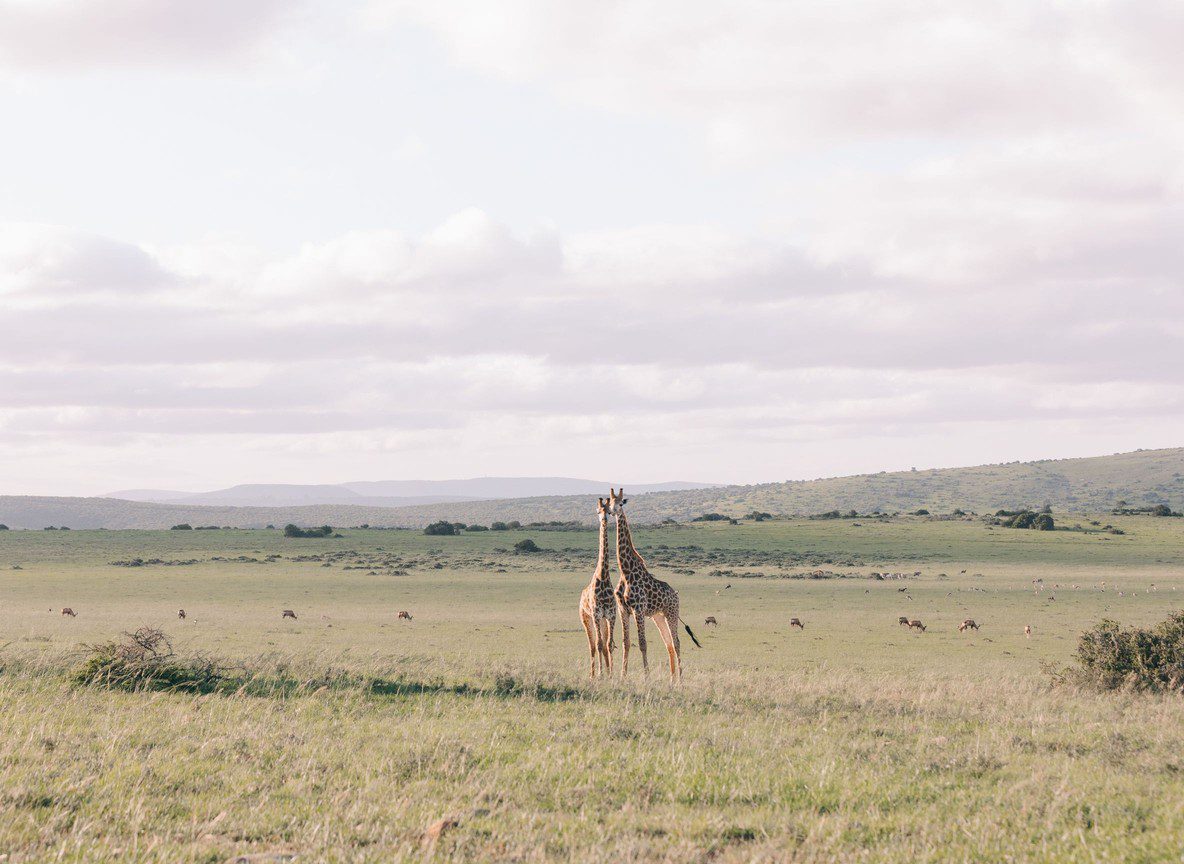
Giraffes can seem visually familiar before a trip, but in the field they often become unexpectedly compelling. Their movement is slow, their scale distorts perspective, and even simple actions like drinking or browsing create memorable scenes.
Because they are so visually distinct, giraffes often become one of the species that define the atmosphere of an East Africa safari animals experience.
Hippo
Hippos are often underestimated. During the day they may appear static, crowded into water with little visible movement, but their ecological presence is substantial and their behavioral reputation is serious. They are a reminder that safari is not only about predators or large herbivores on plains. Rivers and water systems have their own dominant forces.
Zebra
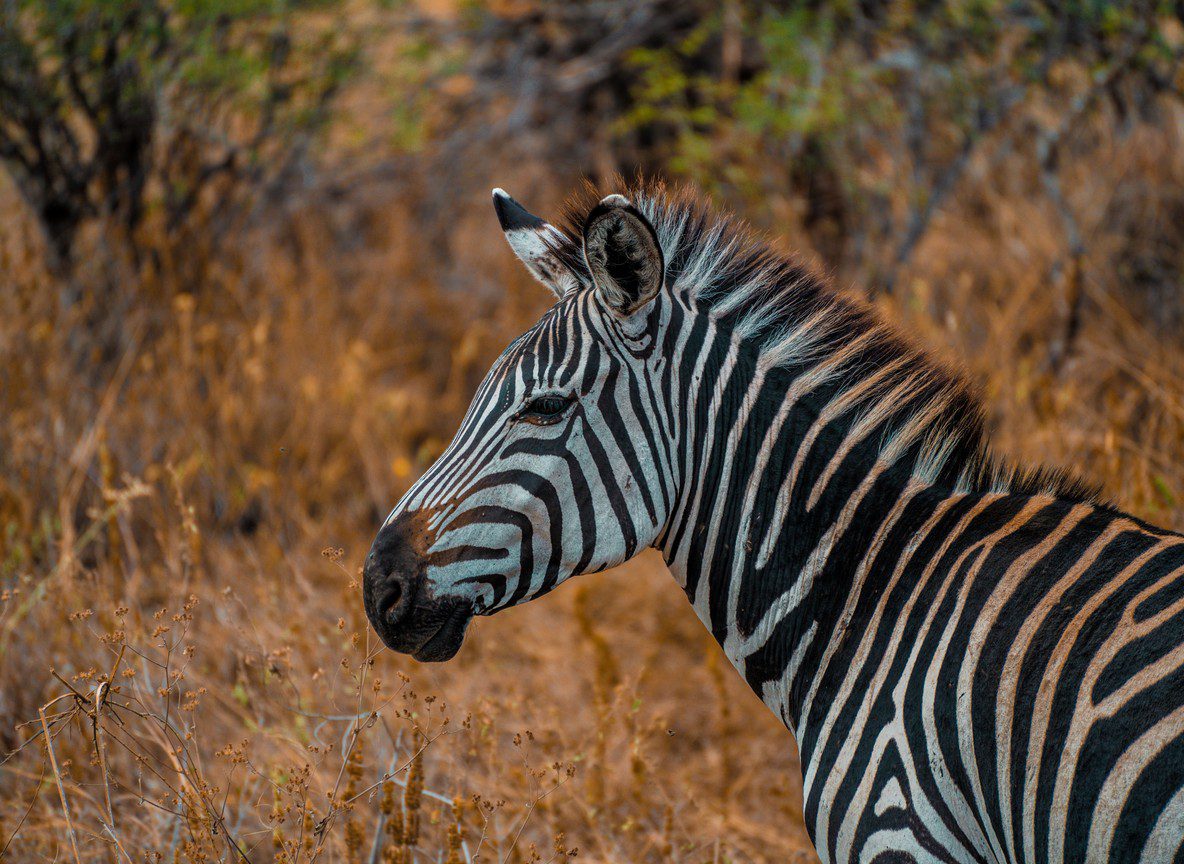
Zebra are sometimes treated as visual background in wildlife writing, which misses the point. They are one of the species that make East African landscapes feel alive at scale. Their striped movement across open country contributes hugely to the visual texture of safari.
They also matter because they are often encountered in large numbers, helping readers understand how grazers shape the ecosystems that predators and other herbivores depend on.
Wildebeest
Wildebeest become central whenever migration enters the discussion. On their own, they may not strike every traveler as elegant animals, but in motion and in mass they become one of the most extraordinary wildlife phenomena in the world. Readers who want that story in its most concentrated form should continue to the Mara River crossing guide.
This is why they belong in any serious African safari animals guide. No East African wildlife overview is complete without them.
Where These Animals Are Often Seen
Readers planning safari usually ask not only what animals matter, but where sightings make the most sense. Exact wildlife patterns shift with season, weather, and local conditions, but some regional associations remain useful.
- Open savanna systems are often strong for lion, cheetah, zebra, wildebeest, and giraffe.
- Elephant viewing is often strongest where water access and open movement corridors combine.
- Leopard viewing improves in areas with riverine cover, woodland edges, and experienced guiding.
- Rhino sightings are usually strongest in managed landscapes where conservation protection is especially focused.
- Hippo and crocodile become more central around large rivers, swamps, and lakes.
These broad patterns matter because they help travelers think beyond the Big Five checklist and start matching species expectations to actual landscapes.
Best Time to See Wildlife
There is no single perfect safari month for every species. Timing depends on what readers care about most.
Dry periods usually make wildlife easier to spot because vegetation is lower and animals concentrate more predictably around water. Green periods can be visually richer, with dramatic skies, younger animals, and migratory birdlife, but visibility can be more variable.
Migration timing matters especially for wildebeest and the predators associated with them. Big cat viewing can also shift with prey movement, calving periods, and habitat conditions. Readers looking for the best animals to see on safari should not treat timing as a minor detail. It is one of the biggest variables in the experience.
What Makes a Sighting Memorable
One useful shift in thinking is to stop asking only which animal is most famous and start asking which sightings create the strongest memory.
Memorable sightings often involve:
- visible behavior rather than static presence
- context, such as a river crossing or family interaction
- landscape drama
- good light
- enough time to observe rather than rush past
That is why travelers often return from safari talking not only about species, but about scenes: a lioness watching from grass, elephants crossing with calves, a leopard in a tree, hippos at dusk, cheetahs scanning from a termite mound, or zebra and wildebeest moving together across open ground.
Explorer Notes
- Do not let the Big Five become the whole measure of a safari.
- Elephant and leopard sightings often leave very different kinds of memories.
- Wildebeest matter most when readers understand migration as a system, not just a single crossing scene.
- Hippos and buffalo are often more significant in the field than they seem in pre-trip planning.
- Landscape context changes how every species feels when seen in person.
Frequently Asked Questions
What are the Big Five African animals?
Lion, elephant, buffalo, leopard, and rhino.
Which animal is hardest to see?
Leopard is often the hardest of the Big Five because it is solitary, elusive, and well camouflaged.
Are the Big Five the best animals to see on safari?
They are the most famous, but not necessarily the most memorable for every traveler. Cheetah, giraffe, hippo, zebra, and wildebeest can be just as significant.
Why are wildebeest so important in East Africa?
Because their migration shapes one of the most dramatic wildlife systems on the continent and affects predators, river crossings, and grazing dynamics.
Is safari only about seeing rare animals?
No. Commonly seen species often define the atmosphere of safari just as strongly as rare sightings do.
Conclusion
The best way to approach African safari animals is to think in layers. The Big Five matter, but they sit inside a much broader wildlife story that includes grazers, predators, river species, migratory herds, and the landscapes that make those encounters possible. Readers who want a more specialist wildlife angle can also move from here to the Birding in Kenya guide.
For readers planning an East African safari, the most useful preparation is not memorizing a checklist. It is learning how different animals shape the experience in different ways. Once that becomes clear, the trip starts to feel richer even before it begins.