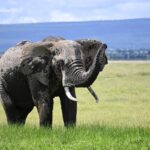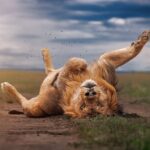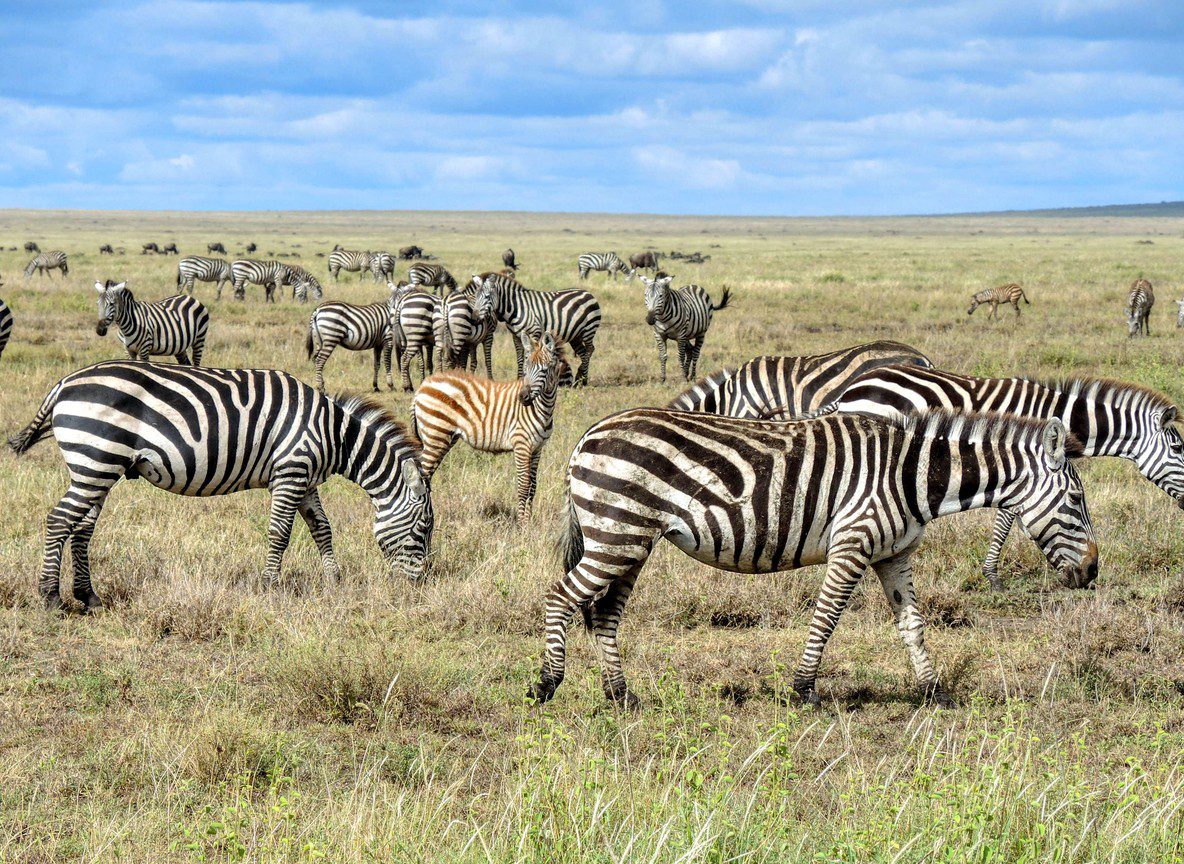
Amboseli is one of Kenya’s most reliable wildlife destinations, but “reliable” does not mean static. The park offers meaningfully different experiences depending on when you visit. Elephant herds concentrate differently in dry and wet months. Birds species shift by season. Big-cat visibility changes with vegetation height. Kilimanjaro views depend heavily on time of year and time of day.
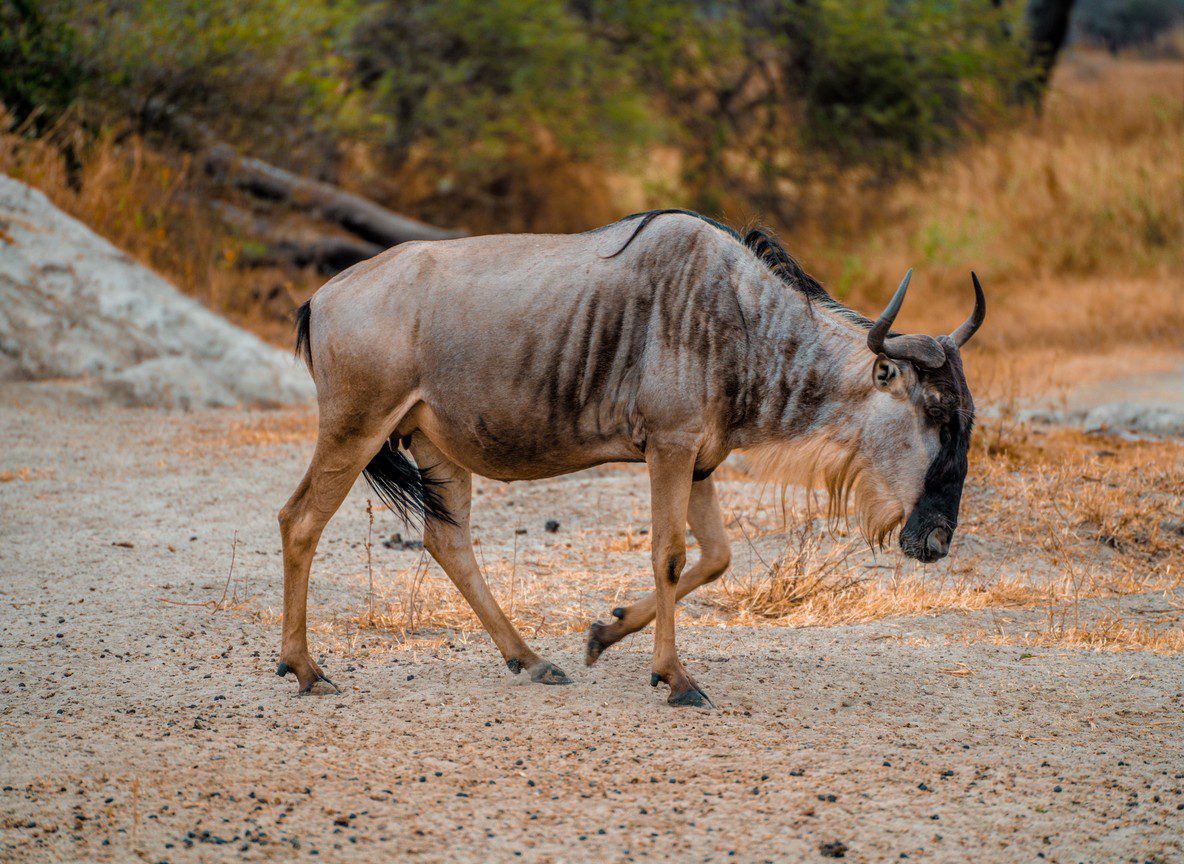
The park covers approximately 392 square kilometres of varied habitat — permanent swamps, open plains, acacia woodland, and dried lakebed. That habitat mix drives distinct seasonal patterns. Kenya Wildlife Service records more than 400 bird species in the park, while the Amboseli Elephant Research Project — operating continuously since 1972 — has made the elephant population among the most thoroughly documented in Africa.
Here is how each month plays out for wildlife.
January
January is one of the most consistently satisfying months to visit Amboseli. The short rains typically end in December, and by January the ecosystem carries freshness from recent rainfall without the heavier cloud cover or road challenges of the main rainy seasons.
Wildlife highlights:
- Elephant herds are active around the permanent swamps, with good dispersal across the plains
- Zebra, wildebeest, buffalo, and giraffe are visible across open areas
- Birdlife remains strong around wetland zones
- Kilimanjaro is often visible in the early mornings, especially in the first half of the month
For first-time visitors, January combines reliable wildlife with manageable conditions and makes a strong introduction to the park.
February
February is arguably Amboseli’s best month for photography and pure wildlife observation. Conditions are dry, vegetation is short, and the mountain is often visible.
Why February stands out:
- Short grass means animals are easier to spot and photograph
- Elephant encounters are frequently excellent near the swamps
- Lions and cheetahs are more visible on open terrain than in greener months
- Early-morning clarity often produces the best Kilimanjaro backdrops
For travellers focused on elephant photography against mountain scenery, February is among the strongest options in the calendar.
March
March begins as a good shoulder month and becomes more variable as the long rains build toward April. The first two to three weeks often retain dry-season character, while late March can see increasing cloud and occasional rain.
Wildlife pattern:
- Elephants remain highly reliable throughout the month
- Lions and cheetahs still possible on open plains in the early part of March
- Wetland bird activity begins building as conditions soften
- Herbivores start dispersing slightly as vegetation freshens
March is often underrated. Travellers who visit in the first half frequently find conditions close to peak dry season without the higher prices of July to August.
April
April is deep in the long rains. The park is greener, the skies are more dramatic, and crowd levels drop substantially. Game drives can be more challenging on some tracks but the wildlife experience has its own character.
April highlights:
- Elephants remain the most reliable species regardless of rainfall, as the swamps are permanent habitat
- Birdlife improves significantly — April is one of the better months for wetland and resident bird species
- Herbivores spread more widely across greener pasture
- Dramatic cloudscapes and softer light can make for compelling photography
April suits travellers who are comfortable with less predictable conditions in exchange for a quieter, more atmospheric park experience and lower accommodation rates.
May
May continues the green season pattern. Rainfall can be significant and some access tracks may be muddy. The wildlife is there but scattered, and photographic conditions are more varied.
Best May wildlife angles:
- Serious birdwatching, with the wetland zones particularly active
- Elephant behaviour around green swamp edges and marsh margins
- Wider landscape photography with green foreground and occasional mountain views through cloud breaks
May is the least visited month in Amboseli and offers the lowest accommodation rates of the year. For specialist bird and photography travellers, it has genuine appeal.
June
June marks the transition back to dry season and is when Amboseli starts feeling noticeably easier for wildlife observation.
What improves in June:
- Vegetation dries and shortens progressively through the month
- Animal sightings become clearer and more predictable
- Road conditions improve
- Elephant herds begin concentrating more clearly around the permanent water sources
June is a good month for travellers who want strong wildlife viewing before the July-August peak, often at slightly lower rates. By late June the park has largely recovered from the rains.
July
July is one of Amboseli’s two peak wildlife months. Dry conditions, concentrated animals, and reliable game drives make it a consistent first choice for visitors.
Why July works so well:
- Elephant herds concentrate strongly around Enkongo Narok and Longinye swamps, creating some of the most densely populated wildlife scenes in the park
- Short, dry grass makes spotting lions and cheetahs far easier than in wetter months
- Dust and open plains create classic Amboseli imagery
- Mountain views are reliable in the early mornings
This is also the month when Amboseli delivers closest to the image most people have in mind when they book it.
August
August maintains the quality of July with slight variations. The ecosystem is at its driest, which drives further wildlife concentration around the permanent swamps.
August wildlife strengths:
- Elephant sightings remain outstanding and groups are large
- Buffalo and zebra stay active around the swamp systems
- Visibility is high across the open plains
- Lion and cheetah searches are productive
Accommodation rates are typically at their highest in August and advance booking is important for the more popular camps.
September
September is a strong wildlife month that extends the dry-season quality while seeing the first hints of transition as the ecosystem moves toward the short rains.
Best September viewing:
- Elephants remain highly concentrated near water
- Giraffe and zebra are active on open plains
- Buffalo move in large herds near the swamp margins
- Lion and cheetah searches have good sight lines throughout the month
September is often a good choice for travellers who want reliable dry-season wildlife but prefer slightly lower crowd levels than July and August.
October
October is transitional. Dry-season character often holds through the first half of the month before the short rains begin, typically in late October or November.
October characteristics:
- Elephant sightings remain strong through most of the month
- Dry-season quality holds in the first two to three weeks
- Vegetation begins softening as rains approach
- The transition can create visually interesting conditions with some green returning
October can offer a good combination of wildlife quality and lower pressure than the peak months, particularly in the first half of the month.
November
November brings the short rains back into the ecosystem. The park greens quickly, crowd levels are low, and the atmosphere is noticeably different from the dry months.
November wildlife focus:
- Elephant herds remain reliable because the swamps are permanent habitat and not affected by rain
- Birdlife improves significantly again — migratory species add to the resident count
- Landscapes are photogenic in a different way, with green foreground and dramatic skies
- Herbivores spread widely across the plains in response to new grass
For travellers who prefer a quieter experience and are comfortable with occasional rain, November has a strong case.
December
December starts green and wet, then typically dries out in the second half of the month as the short rains ease. Wildlife is present throughout, but conditions vary considerably depending on where the rains fall.
December wildlife highlights:
- Elephants dependable year-round, especially near the permanent swamps
- Birdlife remains active in the wet early part of the month
- Late December, from the 20th onward, often sees improving conditions and stronger game-drive quality
- A useful month for family safaris during school holidays if you time it for late December
Quick Reference: Amboseli Wildlife by Month
| Month | Best For | Conditions | Crowd Level |
|---|---|---|---|
| January | Balanced wildlife and photography | Good | Moderate |
| February | Elephants, photography, mountain views | Excellent | Moderate |
| March | Shoulder-season value, elephants | Variable | Lower |
| April | Birds, green scenery, atmosphere | Wet | Low |
| May | Birding, quiet, green landscape | Wet | Very low |
| June | Improving conditions, value | Good | Lower |
| July | Peak elephant viewing, clear skies | Excellent | High |
| August | Peak wildlife, dry season | Excellent | High |
| September | Reliable dry-season wildlife | Very good | Moderate-high |
| October | Good mammals, transitional | Variable | Moderate |
| November | Birds, green atmosphere | Wet | Low |
| December | Elephants, late-month value | Variable | Moderate-high (late) |
Which Animals Define Amboseli
Elephants are the park’s signature species. The research tradition here has produced some of the most detailed behavioural science on any wild elephant population. Individual elephants are known by name, family groups are documented across generations, and the overall population is large enough that encounters are virtually guaranteed on every game drive.
Wetland birds are underappreciated by travellers focused primarily on mammals. The permanent swamps and seasonal marshes host a remarkable diversity of species, including saddle-billed storks, African spoonbills, various herons and egrets, African fish eagles, and dozens of wader species during passage periods.
Lions are present in Amboseli but less reliably encountered than in the Masai Mara. Dry-season months give the best chance because shorter grass makes them easier to spot on open ground.
Cheetahs are occasionally seen on the open plains and semi-arid sections of the park, particularly during dry months.
Buffalo, zebra, wildebeest, and giraffe form the backbone of the savanna community and are present throughout the year, with their distribution shifting seasonally in response to vegetation and water availability.
For more on timing your Amboseli visit, see the detailed monthly guides on Touring Insights and the best time to visit Amboseli overview.
If this guide has you ready to travel, a safari specialist can handle the route, camps, and logistics end to end.
Want to Book a Tour With Us?