Four days is a realistic, productive length for a first Masai Mara safari. It gives you three full wildlife days plus an arrival day, enough drives to see the Mara’s signature species with reasonable confidence, and enough time in the ecosystem to move between zones rather than staying in one area the whole trip.
What a 4-day Masai Mara safari is not is forgiving of poor planning. A badly structured four-day itinerary can lose a third of its field time to transit, camp location compromises, and inefficient routing. This guide explains how to structure the days well.
The Standard 4-Day Route and Its Problem
The most common 4-day Kenya safari packages combine the Masai Mara with Lake Nakuru. On paper: two iconic parks in four days. In practice, the math does not work well.
A typical Mara-Nakuru route looks like this:
- Day 1: Six-hour road transfer from Nairobi to the Masai Mara, arriving late afternoon
- Day 2: One full day in the reserve
- Day 3: Seven-hour road transfer from the Mara to Lake Nakuru via the Rift Valley
- Day 4: Short morning drive at Nakuru, three-hour drive back to Nairobi
Count the hours actually watching wildlife across four days: roughly ten to twelve. Count the hours in transit: sixteen to eighteen. The ratio inverts what a safari should be.
The core problem is transit time, which is a direct function of how many destinations you try to cover in a short trip. A better structure keeps you in one ecosystem for all four days.
A Better 4-Day Masai Mara Structure
Spending all four days in the Masai Mara ecosystem, split between the national reserve and a private conservancy, produces a fundamentally different experience.
Sample structure:
- Day 1: Arrive by road (via Narok) or fly in from Wilson Airport. Afternoon game drive to orient and check herd locations.
- Day 2: Full day inside the Masai Mara National Reserve — central plains, Mara River corridor, or morning at an active predator sighting.
- Day 3: Full day in a private conservancy adjacent to the reserve. Walk, or take an early-morning conservancy drive before joining the reserve later.
- Day 4: Final morning game drive before transfer or flight back to Nairobi.
This produces eight to ten game drives across three full days. All of them are in the wildlife-productive Mara ecosystem. None of them require a seven-hour repositioning drive.
Camp Location: The Biggest Variable
On a four-day itinerary, camp location matters more than almost any other planning decision.
Camps outside the reserve boundaries — even those marketed as “one hour from the gate” — lose ninety minutes to three hours of daily game-drive time to the commute. On a four-day trip, that adds up to an entire game drive day lost to transit within the itinerary itself.
The strongest camp locations for a 4-day Masai Mara safari are:
- Inside a private conservancy adjacent to the reserve (Mara North, Naboisho, Olare Motorogi, Ol Kinyei)
- Directly at the Sekenani or Talek gate area, minimising the entry transit
Private conservancy camps have additional advantages. They permit off-road driving, walking safaris, and night drives — all forbidden in the national reserve under Kenya Wildlife Service regulations. A 4-day itinerary with conservancy access is a qualitatively different experience from four days confined to reserve roads.
The Private Conservancy Advantage
The Mara National Reserve is a shared game-viewing area. Vehicle numbers concentrate around the same sightings, particularly for lion and cheetah. Private conservancies — community-owned and managed land surrounding the reserve — operate with significantly fewer vehicles and carry paying guests exclusively.
In a conservancy, a guide can follow a leopard off the track. A walking guide can take you on foot through bush that vehicles cannot access. Dawn and dusk game drives extend past the reserve’s 06:00 to 19:00 operating hours. These experiences are only available in conservancy land.
For a 4-day Masai Mara safari, spending at least one or two nights inside a private conservancy provides a contrast to the reserve that enriches the overall trip rather than duplicating it.
Flying vs Driving
The choice between road and air transfers affects how productive your four days are.
Flying in from Wilson Airport: The flight to a Mara airstrip (Keekorok, Ol Kiombo, or others depending on camp location) takes 45 to 55 minutes. You arrive in time for a proper afternoon game drive on Day 1 with full energy. Flying out on Day 4 means you can take a meaningful morning game drive before boarding.
Driving from Nairobi: The road journey via Narok takes five to six hours. Day 1 arrives late and compromised. Day 4 requires an early departure to return to Nairobi at a reasonable hour. On a four-day trip, road transfers reduce effective wildlife time by roughly a full day.
Flying is the stronger choice for a four-day itinerary if budget allows. The cost difference between road and air (approximately $200 to $400 each way per person) is often worth it purely in terms of how much more field time you recover.
Walking Safaris on a 4-Day Itinerary
One of the best uses of a conservancy day on a four-day trip is a guided walking safari.
Walking resets your perspective from the elevated vehicle viewpoint to ground level. Tracks, insect life, plant identification, and the guide’s field interpretation of the bush read differently on foot. A two-hour morning walk inside a conservancy, followed by a vehicle game drive in the reserve, produces more variety in a single day than spending both halves in the vehicle.
Walking safaris require a qualified guide and are only available in private conservancies or specific community areas, not inside the national reserve.
What to Expect Wildlife-Wise in 4 Days
The Masai Mara has the highest predator density in Kenya. On a well-structured four-day itinerary with a strong guide, you should expect:
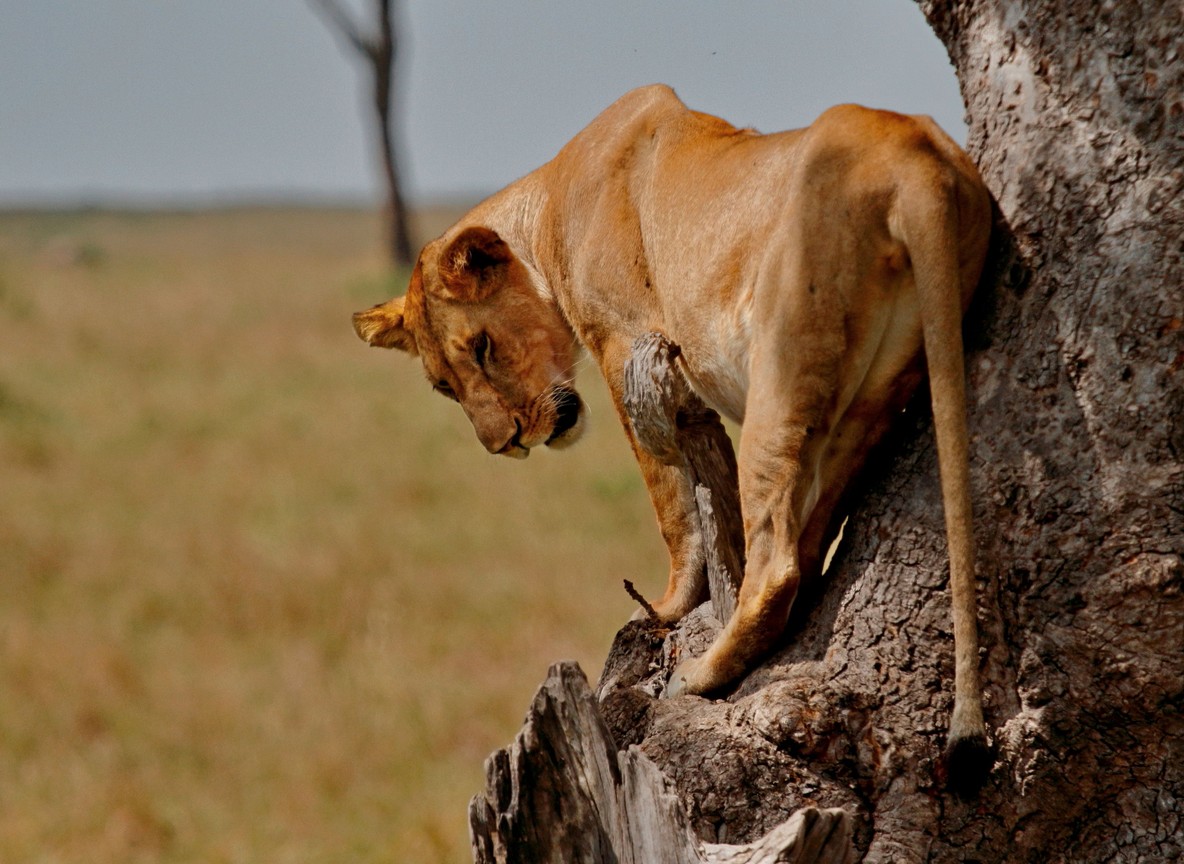
- Multiple lion sightings — prides of 10 to 25 are common on the central plains
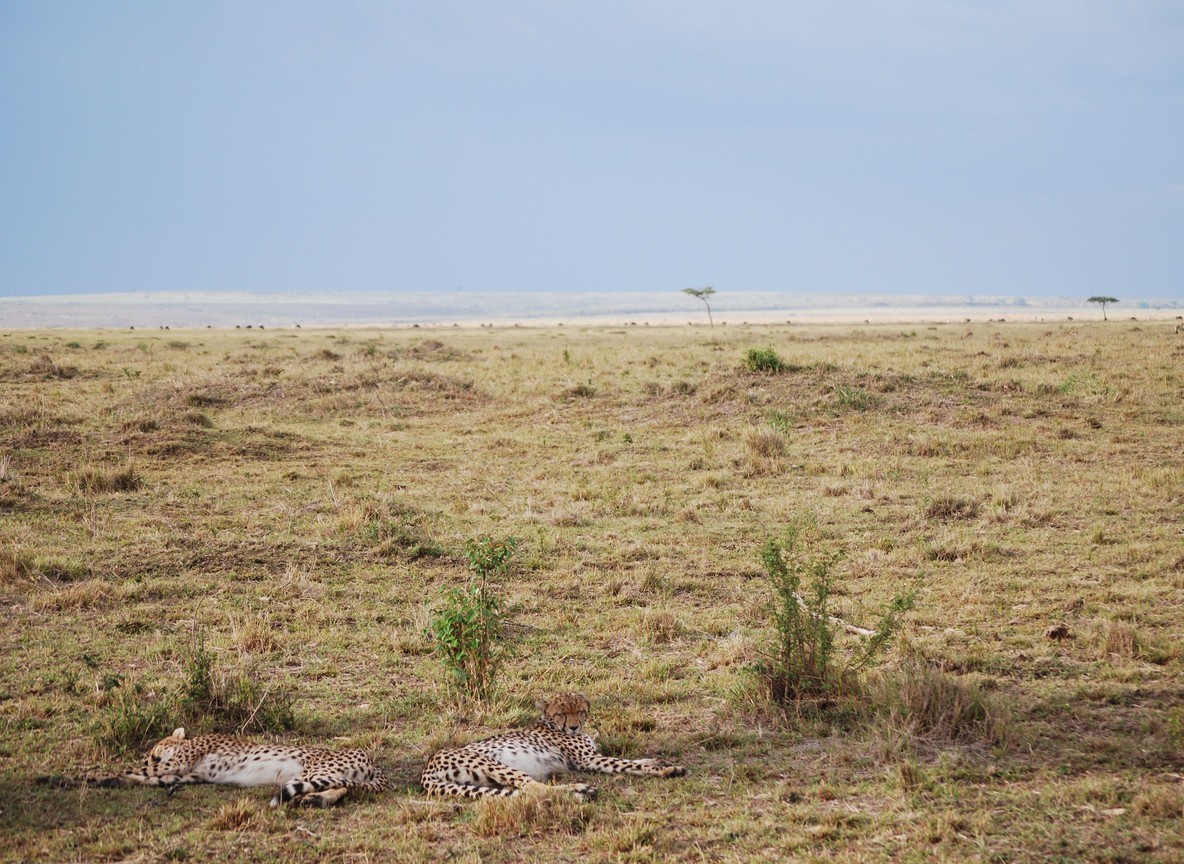
- Cheetah, though hunting success during a single sighting takes patience and multiple drives
- Elephant herds in the Mara Triangle and Talek corridor
- Large resident hippo and crocodile populations along the Mara River
- Buffalo herds, zebra, topi, impala, and warthog consistently
Migration-specific sightings (river crossings) during July to October depend on herd movement and time at the river. Four days gives you more attempts than three, but crossings still require patience and guide positioning.
Frequently Asked Questions
Is 4 days enough for the Masai Mara? Yes. Three full wildlife days with good camp positioning and guide quality is enough to see the Mara’s signature species and experience the ecosystem properly. It is not enough for deep wildlife photography or extended river-crossing strategy, but as a first-time Mara safari length it works well.
Should I include Lake Nakuru on a 4-day safari? In most cases, no. The transit time to Nakuru eliminates a full game-drive day. Unless you have a specific reason to see flamingos or rhino at Nakuru on the same trip, spending all four days in the Mara ecosystem produces a better safari.
What is the best time for a 4-day Masai Mara safari? July to October for the Great Migration. January to March for calving season and strong predator activity. June offers dry conditions and excellent wildlife density before the peak migration crowds arrive.
How far is the Masai Mara from Nairobi by road? Approximately 250 kilometres via Narok, taking five to six hours depending on road and traffic conditions.
Planning Your Trip
For full coverage of the Masai Mara’s zones, camps, and seasonal wildlife, the Tourinsights Masai Mara guide covers what to expect across the ecosystem. For help deciding between 4 nights and a longer stay, the Tourinsights 3 nights vs 5 nights comparison gives the full decision framework. If you want to understand what private conservancies offer beyond the national reserve, the Tourinsights best Masai Mara operators guide covers the conservancy access question in detail.
Every trip described here can be tailored: dates, budget, camps, and pace built around you.
Get a Personalised Safari