Ol Pejeta Conservancy is not a typical safari destination. It is the largest black rhino sanctuary in East Africa, holds the last two northern white rhinos on Earth, and operates as an active conservation institution where your visit directly funds the work happening around you. Understanding what you are visiting before you arrive makes the experience significantly more meaningful.
What Is Ol Pejeta Conservancy?
Ol Pejeta sits on the Laikipia Plateau in central Kenya, 15 kilometres from Nanyuki and 240 kilometres north of Nairobi. The conservancy covers 365 square kilometres of high-altitude savanna, grassland, and acacia woodland at 1,700 to 1,800 metres elevation, creating a cooler ecosystem than the Masai Mara or Samburu.
It is managed by Fauna and Flora International in partnership with a board of Kenyan and international conservation organisations. All tourism revenue — conservancy fees, camp bookings, guided activities — funds conservation operations directly.
Key figures:
- 140+ black rhinos (largest population in East Africa, representing about 2.5% of the world’s remaining population)
- 2 northern white rhinos (Najin and Fatu — the last two individuals of their subspecies alive on Earth)
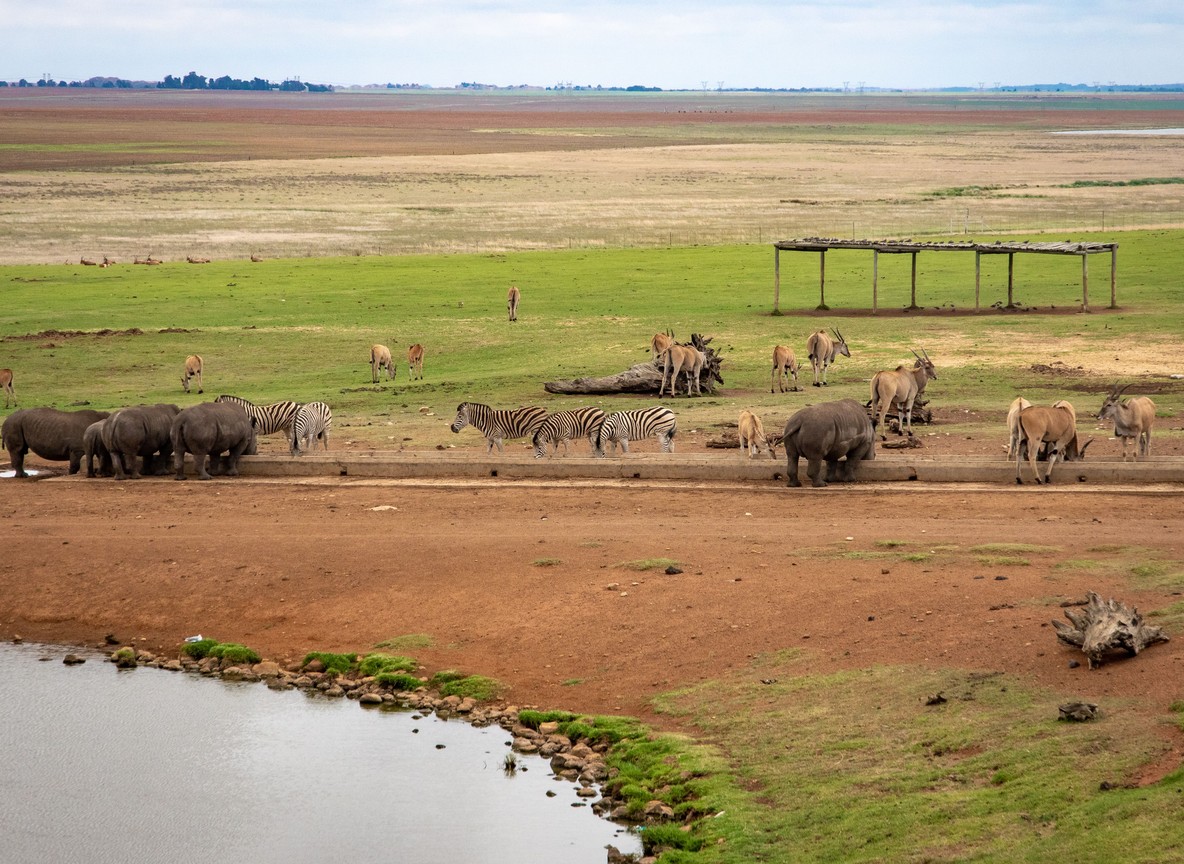
- 13,000+ individual wildlife including Big Five, chimpanzees, wild dogs, and the Laikipia Special Seven
The Rhino Sanctuary: Black Rhino Tracking
Black rhino are highly endangered, with fewer than 6,000 remaining in Africa. Ol Pejeta’s 140+ individuals form one of the most significant populations on the continent, managed inside a fenced sanctuary within the broader conservancy.
Game drive tracking: Guests in vehicles can be positioned near rhino through standard game drive routes and, where available, telemetry-assisted monitoring by Kenya Wildlife Service rangers. Black rhino are solitary and secretive. Sightings require patience and local knowledge. Early morning — before midday heat drives them to cover — gives the best conditions.
Walking safaris: Ol Pejeta offers guided walking experiences with armed KWS rangers inside the rhino sanctuary. Approaching a black rhino on foot to within 50 metres in open grassland is one of the more intense wildlife experiences available in Kenya.
The Northern White Rhinos: Najin and Fatu
Fatu and Najin live in a specific enclosure within the conservancy. They are the focus of an IVF research programme led by international scientists working to preserve the northern white rhino subspecies from extinction. The procedure involves harvesting eggs from both females and fertilising them with stored sperm from deceased males.
Visiting their enclosure is a different kind of wildlife encounter — not a game drive sighting, but a deliberate engagement with a conservation crisis playing out in real time. The conservancy fee you pay funds this research directly.
The Full Wildlife Picture
Beyond rhino, Ol Pejeta holds a diverse wildlife population.
Big Five status:
| Species | Status at Ol Pejeta |
|---|---|
| Rhino | Excellent (both species) |
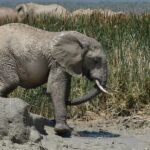
| Elephant | Good (300-400 resident individuals) |
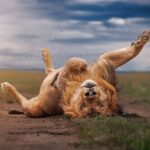
| Lion | Good (established prides, regular sightings) |
| Leopard | Moderate (present in acacia woodland sections) |
| Buffalo | Good (large herds in grassland areas) |
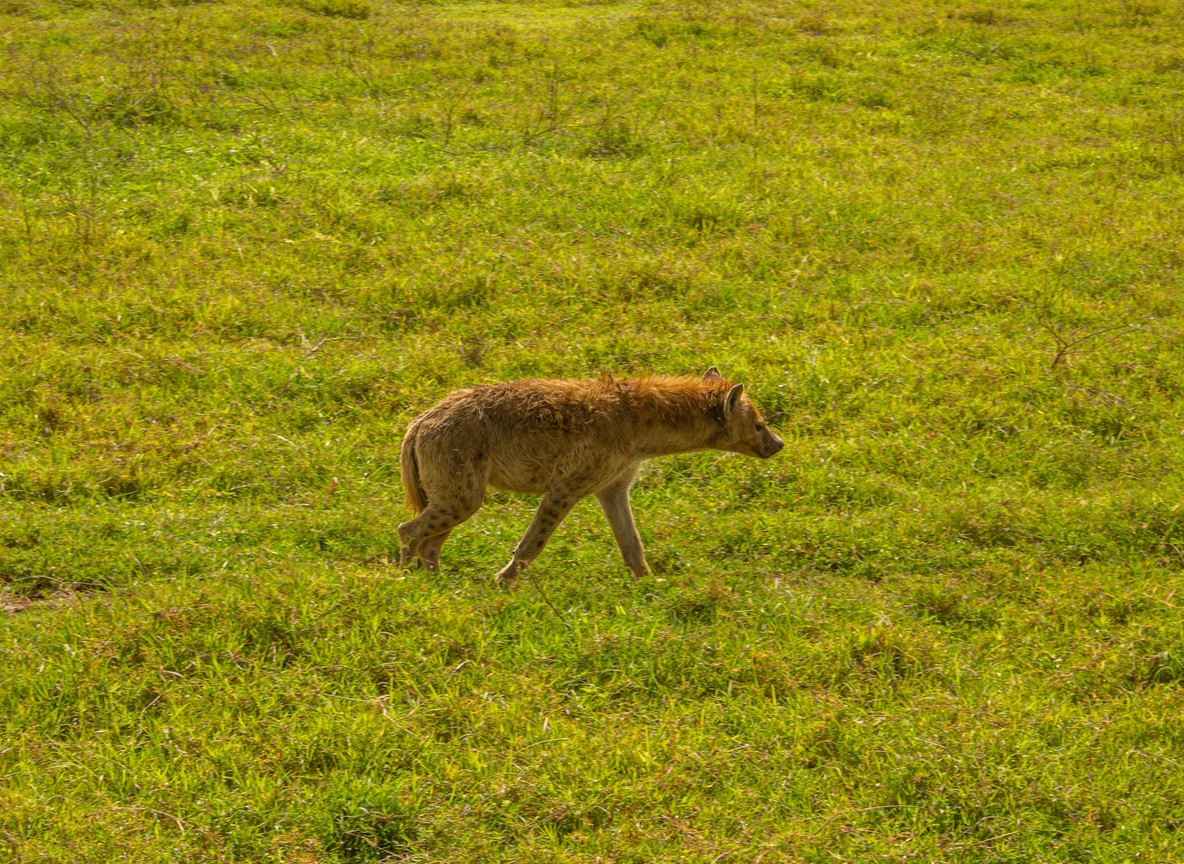
Beyond the Big Five: Cheetah are present and well-monitored. Wild dog — one of Africa’s most endangered predators — has a resident pack at Ol Pejeta, making this one of the most reliable wild dog locations in Kenya.
The Sweetwaters Chimpanzee Sanctuary within Ol Pejeta holds rescued chimps in a managed forest environment. This is the only chimpanzee sanctuary in Kenya. It is not a natural habitat encounter; it is conservation rescue work made accessible to visitors.
Where to Stay at Ol Pejeta
| Camp | Style | Tier | Best For |
|---|---|---|---|
| Sweetwaters Serena Camp | Permanent lodge | Mid-luxury | First-time visitors, comfort-focused |
| Ol Pejeta Bush Camp | Tented | Mid-range | Safari purists, smaller groups |
| Kicheche Bush Camp | Luxury tented | Luxury | Wildlife specialists, photographers |
| Hamerkop House | Exclusive-use villa | Premium | Families, small private groups |
Sweetwaters Serena Camp is the most polished option, positioned near the Ewaso Nyiro riverine section with reliable service and proximity to the chimpanzee sanctuary. Kicheche Bush Camp is the stronger choice for serious wildlife photographers and conservation-focused travellers, with open-sided vehicles and outstanding guide quality.
Activities Beyond Game Drives
Ol Pejeta’s conservancy management allows activities not available in national parks.
Night drives: Officially permitted on the conservancy. Aardvark, porcupine, honey badger, leopard, and hunting lion are regularly encountered after dark.
Horse safaris: Full-day and half-day horse safaris through the conservancy allow closer approaches to wildlife than most vehicle-based game drives.
Walking safaris: Guided ranger walks to rhino and other wildlife. Recommended for travellers who want sensory depth beyond the vehicle.
Mountain biking: Guided cycling through sections of the conservancy. An unusual addition to a Kenya safari itinerary.
Getting There from Nairobi
By air: Wilson Airport, Nairobi to Nanyuki Airport (45 minutes). Nanyuki is 15 minutes from the conservancy gate. Fly Safarilink or AirKenya.
By road: 240 km from Nairobi via Thika and Nanyuki. Three to three and a half hours on tarmac road.
Combined circuit: Ol Pejeta sits in a natural corridor with Lewa Conservancy (adjacent, connected by a conservancy road) and Samburu National Reserve (two hours east of Nanyuki). Many travellers visit both Ol Pejeta and Samburu on a single northern Kenya circuit.
Planning Your Visit
Two to three nights is the minimum to cover Ol Pejeta properly: one morning for rhino tracking, one evening for night drives, one session at the chimpanzee sanctuary, and two or three standard game drives across the different conservancy zones.
For context on how Ol Pejeta compares with the broader Laikipia Plateau, the Tourinsights guide to Ol Pejeta and Laikipia covers the full northern Kenya circuit. For rhino-focused itinerary planning, the Kenya safari overview shows where Ol Pejeta fits alongside other major Kenya wildlife areas.
Prefer a different route, budget, or travel style? This plan can be adapted to fit.
Customise Your Trip