Tsavo National Park Kenya carries a different kind of weight from many of the country’s better-known parks. Readers often reach it through one image first: elephants coated red by iron-rich dust. But Tsavo is larger, stranger, and more layered than that single icon suggests. It is not one neatly contained reserve. It is a vast ecosystem split into east and west, defined by distance, volcanic geology, river corridors, and a wilderness scale that can make other parks feel comparatively compressed.
This guide looks at what Tsavo really is, how Tsavo East and Tsavo West differ, why the red elephants matter, what wildlife readers can realistically expect, and why the park remains one of the clearest places in Kenya to understand safari at continental scale.
Why Tsavo Feels So Large
Tsavo matters because scale shapes everything. Readers do not only see wildlife here. They feel distance. The park’s immensity changes pace, expectation, and the way encounters are processed. This is one reason Tsavo can feel more elemental than parks that deliver denser, more immediately concentrated game viewing.
The experience is defined by:
- long visual horizons
- a stronger sense of wilderness continuity
- lower feeling of crowd pressure in many sections
- landscapes that often matter as much as the sightings themselves
This makes Tsavo especially important for readers who want their safari to feel spatially expansive rather than tightly choreographed.
Tsavo East and Tsavo West
One of the most useful things a reader can learn early is that Tsavo East National Park and Tsavo West National Park should not be treated as interchangeable. They belong to the same greater system, but they produce very different safari moods.
Tsavo East
Tsavo East often feels more open, flatter, and more exposed. It is the side most strongly associated with red-earth plains, larger visual sweep, and the iconic red elephant image that has become tied to the park’s identity.
Readers often associate Tsavo East with:
- broad open-country views
- stronger immediate sense of scale
- the Galana River corridor
- some of the most recognizable elephant imagery in Kenya
That side of the ecosystem is also the focus of the 2-day Tsavo East safari from Diani Beach and the shorter Tsavo East day trip guide.
Tsavo West
Tsavo West is often more topographically varied. Volcanic features, rougher terrain, springs, and hillier sections give it a different rhythm. Readers who want the park to feel more geologically textured often respond strongly to this side.
This distinction matters because understanding east versus west changes how readers interpret the ecosystem rather than flattening it into one generic Tsavo label. Readers comparing the two-park route directly often start with the 3-day Tsavo East and West safari guide.
The Red Elephants
Red elephants Tsavo is one of the most famous wildlife phrases in Kenya, and for good reason. The elephants take on the color of the park’s iron-rich dust through repeated coating and bathing behavior. What matters is not just the visual novelty, but the ecological intimacy of the effect. The soil becomes part of the animal’s visible identity.
Readers often remember this because the red elephants make the park feel inseparable from its terrain. This is not merely a photographic trick of light. It is a direct expression of animal behavior within a specific environment.
The result is one of the strongest examples in Kenya of wildlife and landscape becoming one story.
Wildlife Beyond the Elephants
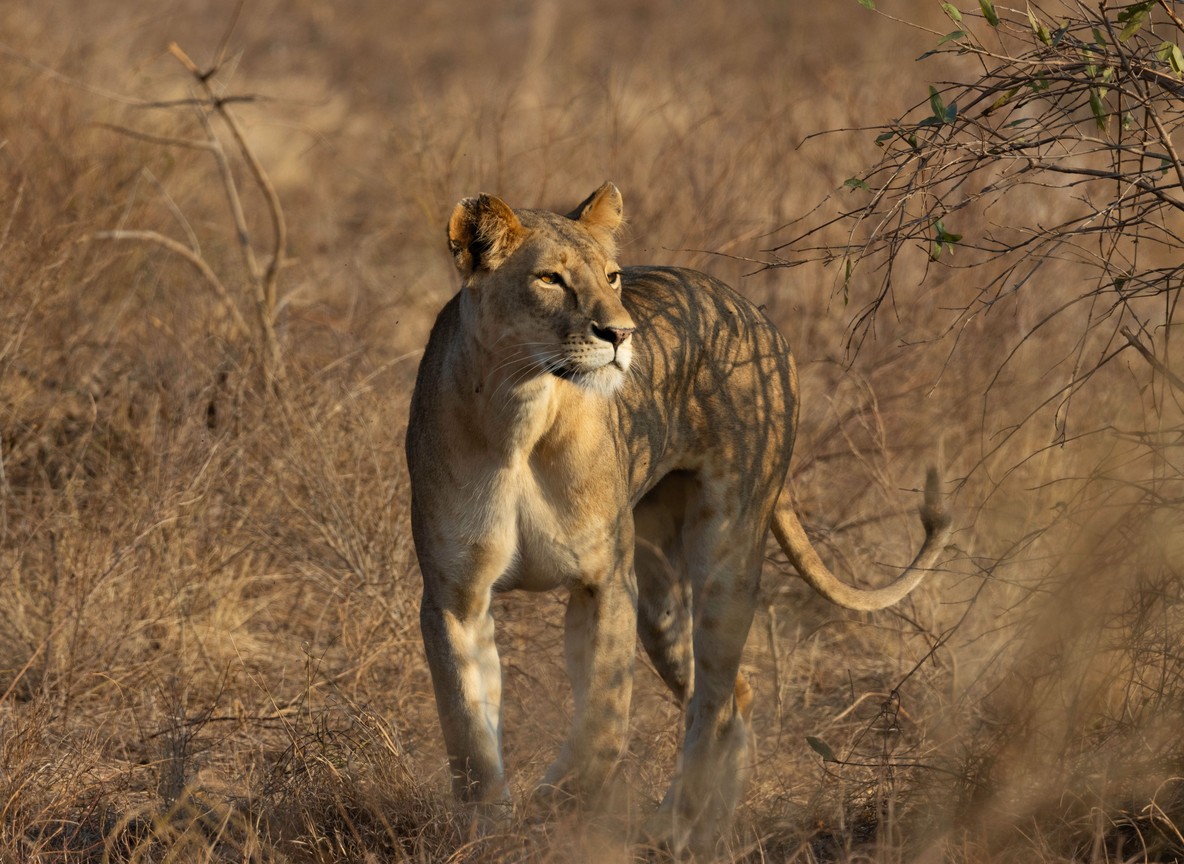
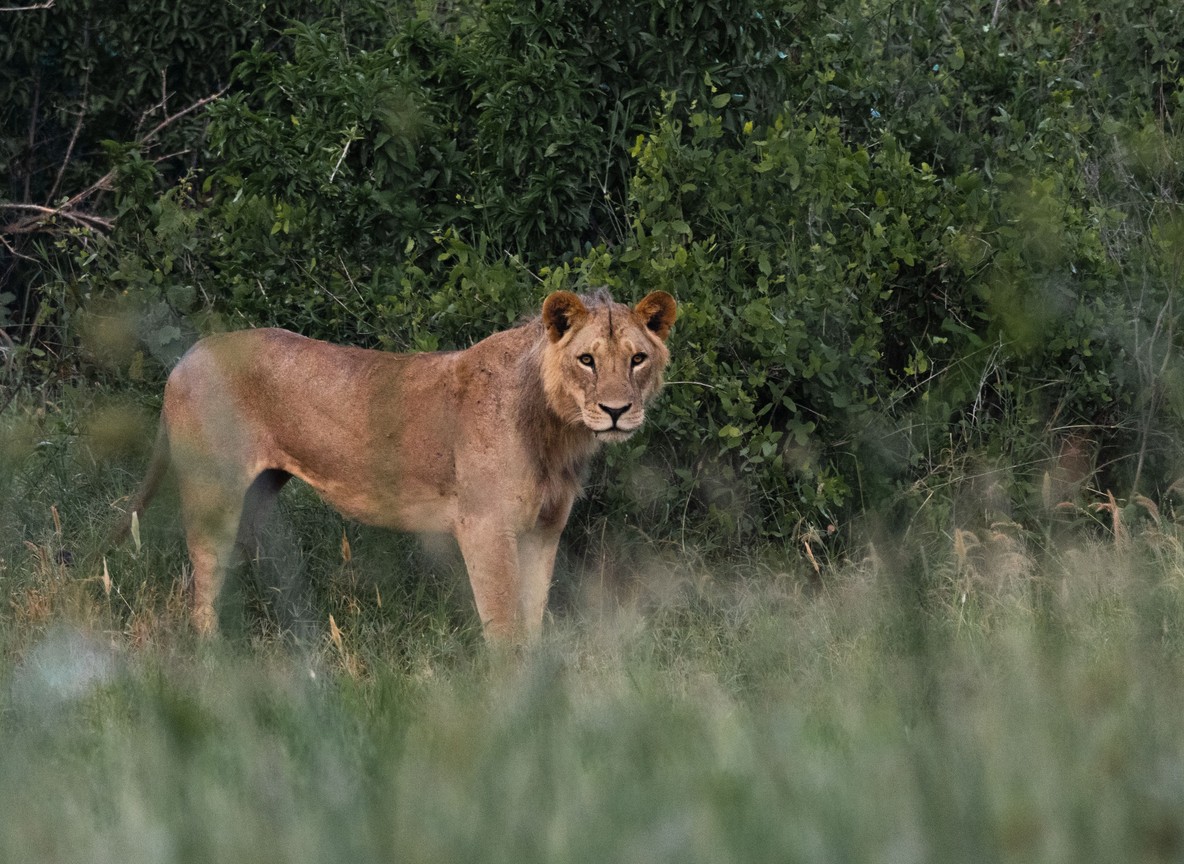
A Tsavo safari is not only about elephants, even if they dominate the visual imagination. The wider wildlife picture includes predators, plains game, birdlife, and the slower observational rewards that come from spending time in a huge ecosystem rather than chasing a single headline sighting.
Readers can expect Tsavo’s appeal to come from:
- elephants as the emotional centerpiece
- predators that feel part of a larger, harsher wilderness
- herbivore movement along water-linked zones
- the sense that wildlife is distributed across a genuine landscape rather than concentrated for easy consumption
This often makes Tsavo feel more spacious and less immediately theatrical than places like the Maasai Mara. That difference is central to its value.
Mzima Springs, Lugard Falls, and Other Defining Features
Part of what makes Tsavo National Park wildlife so compelling is that the ecosystem includes standout landscape features that alter the way readers understand the park.
Mzima Springs
Mzima Springs matters because it inserts clear water, lush vegetation, and concentrated life into a much drier surrounding system. Readers often remember it as a place where Tsavo’s geological and hydrological story becomes tangible very quickly.
Lugard Falls
Lugard Falls contributes a different kind of drama. The rock, water movement, and visual force of the feature make it one of the places where Tsavo shifts from pure safari landscape into something that also feels geologically staged.
Yatta Plateau
The Yatta Plateau further reinforces the sense that Tsavo is not only an animal space. It is a terrain story. Readers who care about geology, scale, and the structure of the land often find these features as memorable as individual wildlife sightings.
Why Tsavo Can Feel Wilder Than More Famous Parks
Some safari destinations become memorable through density and immediacy. Tsavo often becomes memorable through atmosphere and scale. Readers may spend more time scanning, more time feeling the land, and more time understanding how vast systems shape sightings rather than simply waiting for them.
That is why the park can feel “wilder” to many visitors. It is not necessarily that animals are more dramatic. It is that the landscape gives them a bigger, less domesticated frame.
This distinction matters especially for readers deciding between classic high-density predator country and broader wilderness feeling.
The Man-Eaters and Historical Memory
The man eaters of Tsavo story continues to shape how many readers imagine the park. That history has become part of Tsavo’s mythic identity, even for those who arrive knowing only fragments of the tale. What matters here is not only the historical episode itself, but the way it reinforces the park’s longstanding reputation for harshness, scale, and unpredictability.
Readers do not need to treat the story as the whole meaning of Tsavo. But it remains one of the reasons the park enters imagination differently from many other Kenya reserves.
Why Tsavo Matters for Understanding Kenya
Tsavo is one of the places where Kenya becomes harder to reduce to one safari stereotype. It shows readers:
- that the country contains far more than one savannah type
- that geology and hydrology shape wildlife experience profoundly
- that a park can be memorable for scale as much as for headline density
- that different safari ecosystems ask for different forms of attention
This is why Tsavo is so useful in a wider itinerary. It broadens the map of what Kenya means.
How Readers Should Approach the Park
The most useful way to approach Tsavo is with the right expectation frame. Readers usually get more from it when they understand that the park excels in:
- wilderness atmosphere
- elephant identity
- terrain character
- ecological scale
It may not always deliver the same kind of rapid-fire sighting intensity as a smaller, denser park. What it delivers instead is space, mood, and a feeling of inhabiting a much larger wildlife system.
For route context beyond the park itself, readers often compare Tsavo with the broader safari from Diani Beach options and the Amboseli versus Tsavo choice guide.
Explorer Notes
- Tsavo is strongest when understood as a huge ecosystem, not one simplified park name.
- East and West should be read as complementary but different landscapes.
- The red elephants matter because they make animal behavior and terrain visibly inseparable.
- Features like Mzima Springs and Lugard Falls help explain the park beyond wildlife alone.
- Tsavo is one of Kenya’s best parks for readers who value wilderness scale and atmosphere.
Frequently Asked Questions
Is Tsavo one park or two?
It is best understood as one great ecosystem divided into Tsavo East and Tsavo West, which feel different on the ground.
Why are Tsavo elephants red?
Because they coat themselves in the park’s iron-rich dust, which colors their skin and becomes part of the park’s most famous wildlife image.
Does Tsavo feel different from the Maasai Mara?
Yes. It is generally broader, drier, and more atmosphere-driven, with a stronger sense of scale and wilderness distance.
What is Mzima Springs?
It is one of Tsavo’s key water features and one of the clearest examples of how hydrology shapes life inside the park.
Why is Tsavo worth adding to a Kenya trip?
Because it reveals a very different safari character from the country’s more famous southern circuit parks.
Conclusion
Tsavo National Park Kenya matters because it expands the reader’s sense of what safari can be. It is a park of red dust, immense space, elephant identity, volcanic structure, springs, falls, and a scale that changes the whole rhythm of wildlife travel. Tsavo East and Tsavo West together create one of the most important and distinctive protected systems in the country.
That is what gives Tsavo its enduring force. It is not merely a stop between other famous destinations. It is one of Kenya’s clearest wilderness statements in its own right.
Turn this reading into a real itinerary with help from a Kenya-based safari team.
Start Planning Your Safari