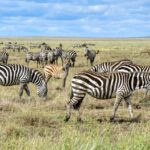
One of the more satisfying decisions in southern Kenya safari planning is also one of the least obvious: Amboseli and Tsavo sit within comfortable road reach of each other, and combining them in a single overland itinerary removes the need to backtrack to Nairobi between parks. The road link is not just logistically convenient. It connects two very different ecosystems into a coherent trip with meaningful contrast.
This guide explains when and how the Amboseli-Tsavo overland connection works best, what each park contributes to the combination, and the planning decisions that determine whether the link feels seamless or rushed.
Why the Road Link Matters
Most Kenya safari itineraries that combine multiple parks face a common inefficiency: the traveller flies or drives back to Nairobi between destinations, burning a half-day in each direction on transfers that add nothing to the wildlife experience. The Amboseli-Tsavo road link bypasses this problem.
Amboseli National Park sits at the base of Kilimanjaro in Kajiado County. Tsavo West National Park begins roughly 80 km to the east, accessible via the Kimana area and Tsavo’s Chyulu Gate. The road between the two parks passes through conservancy and community land and takes approximately two to three hours depending on road conditions and the specific lodges in each park.
This makes Amboseli and Tsavo a natural pairing for overland itineraries of six nights or more. You spend your Amboseli days, transfer directly east into Tsavo without returning to Nairobi, complete your Tsavo days, and then exit either through Mombasa or back to Nairobi depending on your onward travel.
What Each Park Contributes
Amboseli
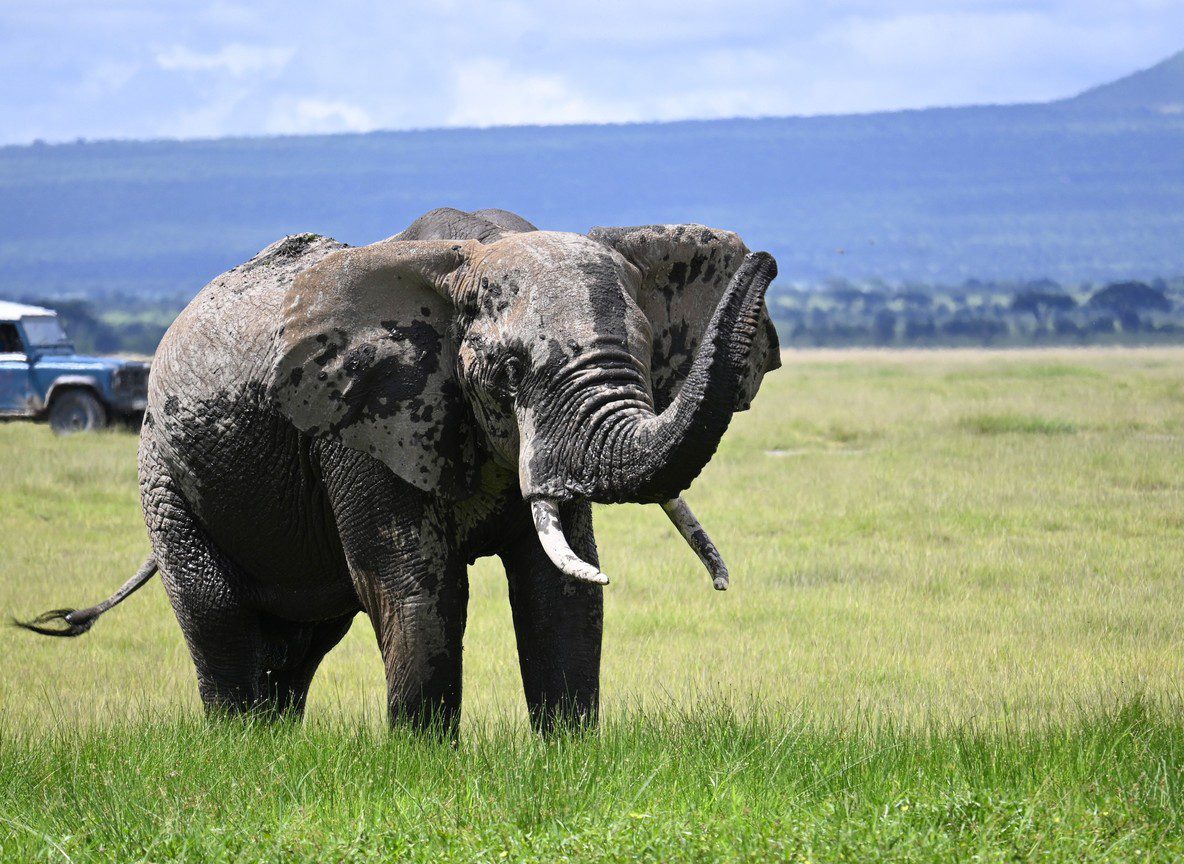
Amboseli is a concentrated, photogenic park with one of the highest elephant densities in Kenya. The permanent swamps — Enkongo Narok and Longinye — anchor the ecosystem and keep large elephant herds reliably visible even in dry conditions. The open plains and dried lakebed create unobstructed sight lines, and the backdrop of Kilimanjaro on clear mornings gives the park its most iconic character.
Amboseli is compact enough that guests cover the core wildlife areas in two to three days without feeling repetitive. That makes it an excellent first stop on a southern Kenya overland circuit.
Tsavo
Tsavo is scale. Split into Tsavo East and Tsavo West by the Nairobi-Mombasa highway, it is collectively one of the largest national parks in the world. Tsavo West, which connects most naturally from Amboseli via the Chyulu corridor, offers volcanic geography, the Mzima Springs (underground rivers emerging as crystal pools in the bush), diverse mammals including large populations of the distinctive red-dusted Tsavo elephants, and dramatic lava field landscapes.
The contrast with Amboseli is genuine and satisfying. Where Amboseli is intimate and elephant-centric with Kilimanjaro as backdrop, Tsavo West is expansive, geologically dramatic, and more varied in its mix of habitats. Wildlife encounters in Tsavo tend to feel more exploratory — you cover more ground, encounter more surprise sightings, and experience the safari at a different pace.
The Tsavo Elephant Difference
One detail that adds depth to the Amboseli-Tsavo pairing is that the elephants in the two parks look and behave differently. Amboseli elephants are among the most studied in the world — the Amboseli Elephant Research Project has followed individual elephants and family groups since 1972, and the animals show relatively high tolerance for vehicles.
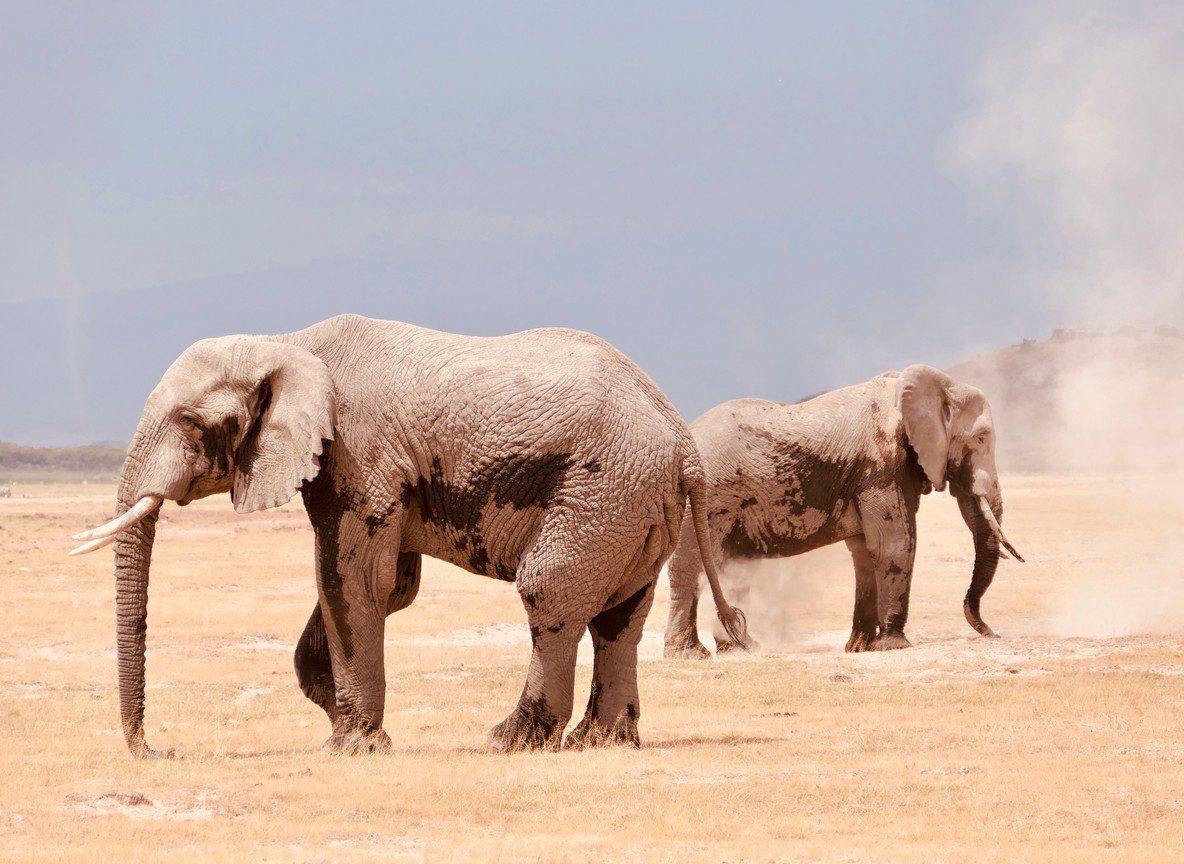
Tsavo elephants are typically red-tinged from the laterite soil, often larger-bodied, and tend to be encountered in different contexts — at waterholes, in dense bush, or moving through lava country. Seeing elephants in both parks on the same itinerary gives a genuine perspective on how habitat shapes both animal appearance and behaviour.
Night Count: How Many Nights Do You Need
The road link works best when neither park feels rushed. A practical minimum:
- 2 nights in Amboseli — gives four game drives and a proper rest day
- 2 nights in Tsavo West — covers the main wildlife areas and Mzima Springs
That is a four-night southern circuit. With accommodation nights in Nairobi at start and finish, you are looking at a six-night trip total. Adding a third night in either park is possible and improves the rhythm further.
Trying to do the link in fewer than two nights at each stop tends to undermine both parks. The morning-arrival, afternoon-drive, one-night, morning-drive-departure format exists but leaves very little margin for slow wildlife periods or logistics delays.
Route Options
From Nairobi to Amboseli: Most overland itineraries use the Emali route (turn off the Nairobi-Mombasa A109 at Emali, then south to Kimana Gate) or the Namanga route (south on the A104 toward the Tanzania border, then east to the main Amboseli gates). Emali is generally faster and better for the Kimana Gate entrance. The drive takes approximately four to five hours from Nairobi.
Amboseli to Tsavo West: Exit Amboseli via Kimana Gate, then travel east through the Kimana Sanctuary area toward Tsavo West’s Chyulu Gate. This route takes approximately two to three hours. Confirm road conditions with your camp in advance — some sections can be affected by rain.
Tsavo West to Mombasa or Nairobi: Tsavo West’s main gates connect to the Nairobi-Mombasa highway, making it straightforward to exit either north toward Nairobi (approximately four hours from Mtito Andei Gate) or south toward Mombasa (approximately two and a half hours from Tsavo Gate).
When the Link Works Well
The Amboseli-Tsavo overland connection is most effective when:
- The itinerary has at least four safari nights total (two per park)
- A private vehicle is being used for the transfer rather than public shuttle connections
- Lodge choices on both ends are positioned to facilitate the transfer route
- The traveller is comfortable with road time as part of the experience
- The goal is genuine contrast — different landscapes, different wildlife moods — rather than covering maximum parks in minimum time
When the Link Works Less Well
The road link is less suitable when:
- The total itinerary is too short to absorb the transfer time without sacrificing safari days
- One or both parks are being added as brief check-boxes rather than as genuine destinations
- Road conditions are expected to be poor (primarily during the long rains, April to May)
- The traveller strongly prefers flying between destinations
In these cases, a focused single-park stay will deliver a more satisfying result than a rushed circuit.
Practical Planning Points
Vehicle choice: The Amboseli-Tsavo transfer road includes some rough sections. A 4WD is essential. Most safari vehicles used for game drives in either park are 4WD, but confirm with your operator that the transfer vehicle is suitable for the connecting road.
Park entry requirements: Both Amboseli and Tsavo West use Kenya Wildlife Service park fees, paid through the e-citizen platform or via your operator. Amboseli fees are currently $100 per person per day for non-residents. Tsavo West fees are $52 per person per day. Confirm current rates and entry requirements before travel.
Conservation areas between parks: The corridor between Amboseli and Tsavo West passes through or near community conservancies including Kimana Sanctuary and Chyulu Hills National Park. The Chyulu Hills — a chain of young volcanoes rising between the two parks — are worth at least a drive-through, and some itineraries include a night or two in the Chyulu Hills as an intermediate stop.
For more on planning a southern Kenya safari, see the Amboseli vs Tsavo comparison and the Tsavo West national park guide on Touring Insights.
Have questions about this itinerary or destination? Get answers from a safari specialist before you commit.
Inquire More