Amboseli is marketed as an elephant destination, and that reputation is well earned. But the park holds all five Big Five species, and travellers who arrive knowing where to look — and when — find a richer safari than those who simply follow the herds. Each species occupies a different zone, is most active at different times, and requires a different approach to find consistently.
This guide covers specific locations, behavioural patterns, and honest sighting probabilities for elephants, lions, leopards, buffalo, and rhino inside Amboseli National Park.
Elephants: The Signature Species
Amboseli is the world’s best location for long-term elephant research. The Amboseli Elephant Research Project, running since 1972, has individually identified over 1,600 elephants across multiple generations. This means a knowledgeable guide can tell you the name, family group, rank, and life history of specific individuals — a depth of wildlife interpretation available nowhere else in Africa.
Where to find them: The main swamp zones — Enkiama and Ol Okenya — are the primary concentration points. Elephants use these wetlands for drinking, mud bathing, and cooling throughout the day. Early mornings and late afternoons see the largest herds at the swamp edge. Large breeding herds also move across the short-grass plains south and east of Observation Hill, particularly in the dry season when food is most concentrated.
Best timing: Dawn (6 AM to 8 AM) for golden light photography with Kilimanjaro as a backdrop. Late afternoon (4 PM to 6 PM) for socialising and bathing behaviour.
The elephants in Amboseli are completely habituated to vehicles. You can observe natural herd behaviour from very close range without causing disturbance.
Lions: Present but Not Guaranteed
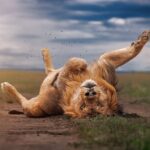
Amboseli holds an estimated 30 to 50 lions across several resident prides. This is not a park where lions appear on every game drive. A lion sighting here is earned rather than routine.
Where to find them: The Enkiama swamp fringe and open plains south of Observation Hill are the primary hunting grounds. Lions follow buffalo and wildebeest movements across the short-grass areas. The eastern edge of Longinye swamp is also productive in the early morning when light lifts the grass shadows.
Hunting patterns: Amboseli lions hunt primarily at night and in the very early morning. Arriving at the swamp edge before sunrise puts you in position for post-hunt sightings.
Behavioural note: Amboseli lions are not as vehicle-habituated as Mara lions and move away from vehicles more readily. A guide who positions downwind and waits consistently delivers better results than one who approaches directly.
Leopards: The Hardest of the Five
Leopard sightings in Amboseli are genuine highlights because they are rare. The park’s open habitat is not ideal leopard terrain — they prefer broken ground and woodland edges — but several resident leopards use the acacia thickets along the northern and western boundaries.
Where to find them: The Kitirua Conservancy buffer zone north of the park and the acacia woodland along the Amboseli-Tsavo corridor are the most productive areas. Some experienced guides consistently find leopard in specific tree clusters near the western boundary.
Best strategy: Early morning drives in the woodland edges before 8 AM. Leopard presence is often signalled by impala alarm calls or baboon disturbance rather than direct sighting.
Honest probability: On a two-night visit with two or three game drives, leopard probability is around 20 to 30%. On a three-night stay with five drives and a specialist guide, probability increases to 50 to 60%.
Buffalo: The Most Reliable Big Five Member
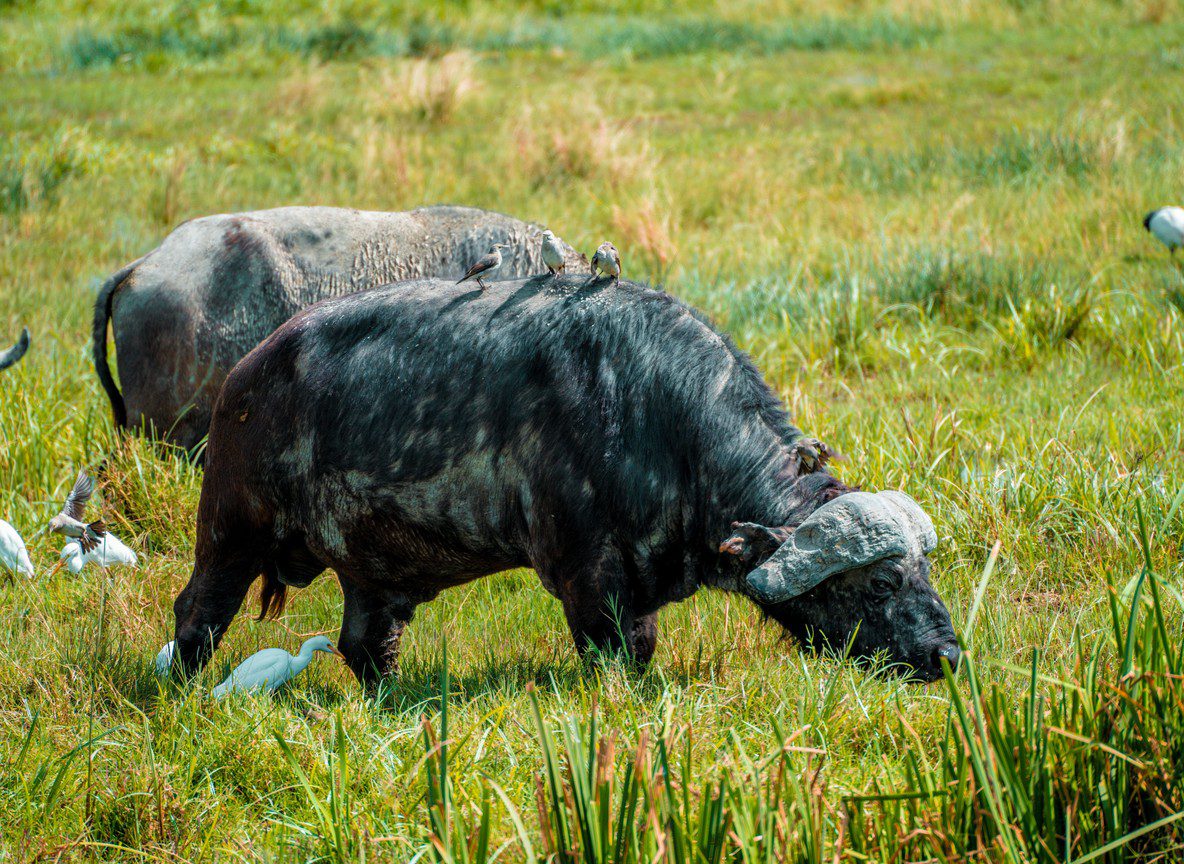
Buffalo are the most consistently seen Big Five species in Amboseli. Herds of 50 to 200 individuals graze the open plains and come to the swamp edges morning and evening.
Where to find them: Around all three main swamp areas (Enkiama, Longinye, Ol Okenya) during early morning and late afternoon. During midday, herds rest in shade at the swamp fringe or under scattered acacia trees across the central plains.
Old cape buffalo bulls, often solitary or in small bachelor groups, are found throughout the park. Their low, wide-swept horns and battle-scarred hides make them distinctive subjects. Look for them near the water’s edge or under lone acacias.
Rhino: Rare but Present
Black rhino are the rarest Big Five member in Amboseli. The park holds a small resident population, but sightings are uncommon on standard game drives.
Where to find them: The northern boundary zone near the Ilkisonko Community Conservancy and the Kitirua buffer area offer the best probability. Rhino are most active from dawn to 9 AM and in the late afternoon.
Managing expectations: A rhino sighting on a two-night visit is unusual. If rhino is a priority, Ol Pejeta Conservancy in Laikipia offers black and white rhino at much higher density and is worth combining with Amboseli on a longer Kenya itinerary. The Tourinsights Ol Pejeta guide covers the rhino experience there in detail.
Big Five Sighting Probabilities Compared
| Species | Amboseli | Masai Mara | Samburu | Tsavo East |
|---|---|---|---|---|
| Elephant | Excellent (daily) | Good | Good | Good |
| Lion | Moderate (50-60% per drive) | Excellent (daily) | Good | Moderate |
| Leopard | Low-moderate | Good | Good | Low |
| Buffalo | Good (daily) | Excellent | Low | Moderate |
| Black Rhino | Low | Very low | Very low | Very low |
For the full complement of all five in one park with high probability, Masai Mara delivers stronger overall numbers. For elephant-specialist wildlife viewing, Amboseli is unmatched globally.
Other Wildlife Worth Noting
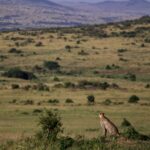
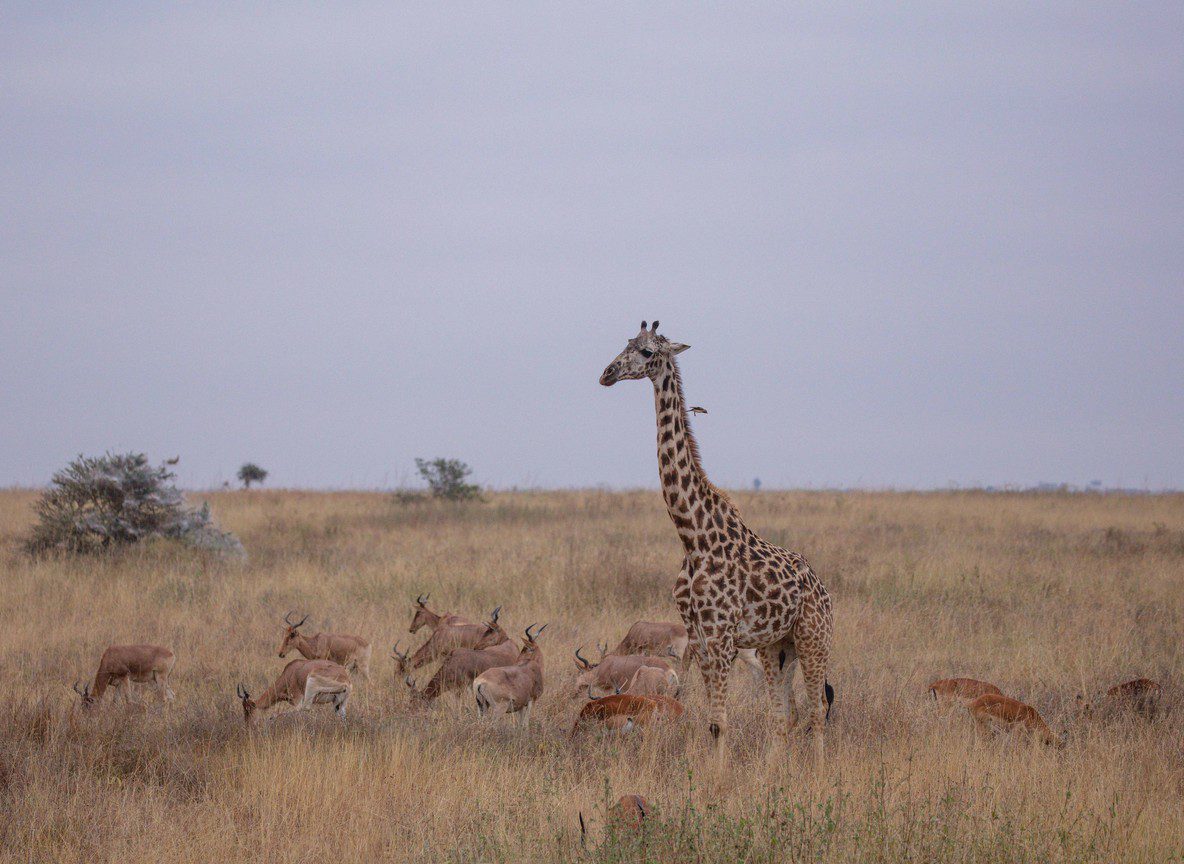
Amboseli holds more than just the Big Five. Cheetah use the open plains and Amboseli ranks well for sightings relative to vehicle numbers. Large wildebeest and zebra herds move through during the dry season and are the primary lion prey base. Masai giraffe browse acacia canopy at the woodland edges. Over 420 bird species have been recorded, including seven species of vulture at carcass sites.
Planning Your Amboseli Wildlife Safari
The Tourinsights Amboseli guide covers timing, camp options, and what to expect across the seasons. For photographers, the Kenya wildlife photography overview includes positioning and lens guidance for the main Amboseli species.
Have questions about this itinerary or destination? Get answers from a safari specialist before you commit.
Inquire More