Amboseli is famous for elephants. That reputation is well-earned and not misleading. But travellers who assume the park has nothing to offer predator-watchers are missing part of the picture. Lions, cheetahs, and leopards are all documented residents of the Amboseli ecosystem, and the park’s open terrain makes big-cat sightings among the most photogenic in Kenya when they happen.
The key is calibrating expectations correctly before you arrive.
The Honest Context
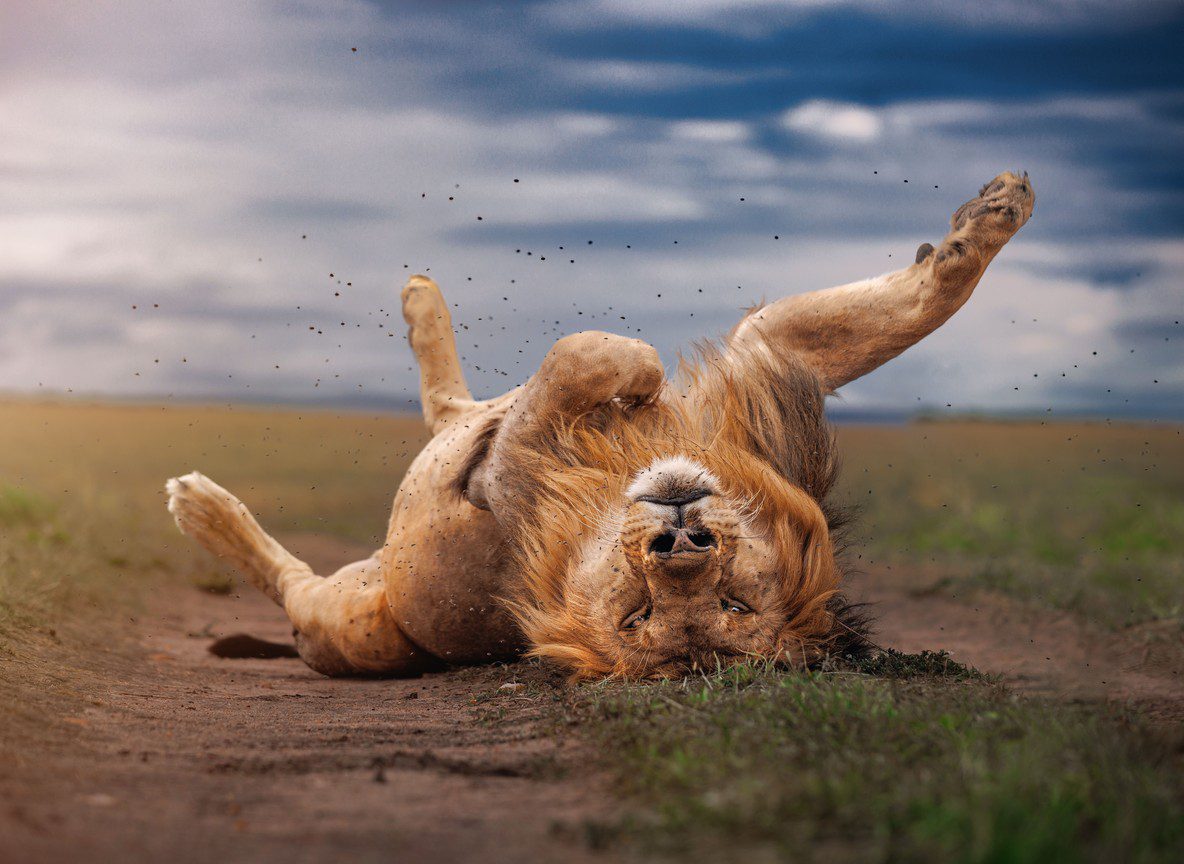
Amboseli is not a cat-first destination in the way the Masai Mara is. The park’s primary identity — its permanent swamps, its enormous elephant herds, its Kilimanjaro backdrop — is not built around predator density. That said, the Amboseli ecosystem supports an estimated 40 to 50 lions according to wildlife monitoring data, which represents the highest recorded population in the area for over a decade. Lions are frequently sighted along swamp edges and open plains where prey is abundant.
Cheetahs are genuine components of the open plains ecosystem and are reliably reported. Leopards are present but harder to find, as they are everywhere.
So: big cats in Amboseli are real, worthwhile, and often very rewarding to observe in the park’s unique landscape. They are a meaningful second layer to a safari already anchored by elephants.
Lions in Amboseli
Lions are the most frequently encountered big cat in Amboseli and the predator most likely to be seen on a standard game drive.
The park’s habitat suits lion ecology well. The permanent swamps attract large concentrations of buffalo, zebra, and wildebeest — ideal lion prey. Open plains allow for clear sightings from game drive vehicles. Amboseli’s lion prides can be smaller and more loosely organised than some savanna ecosystems, but the quality of individual sightings is not diminished by pride size.
Where to focus your search:
- Swamp edges, particularly around Enkongo Narok and Longinye
- Open plains where zebra and wildebeest concentrate
- Acacia margins and lakebed areas where lions rest through the heat of the day
Best timing: dawn drives in the first two hours of light give the highest chance of encountering lions actively moving or completing a hunt. Late afternoon drives are also productive as temperatures drop and lion activity resumes.
Realistic expectation: Lions are sighted on most multi-day Amboseli visits but are not guaranteed on every individual drive. Two nights in the park gives you a reasonable number of chances across four game drives.
Cheetahs in Amboseli
Cheetahs fit Amboseli’s landscape particularly well. The open plains — short grass, wide visibility, unobstructed sight lines — are precisely the habitat in which cheetahs are easiest to spot and most rewarding to watch.
Cheetah sightings in Amboseli tend to be photogenic for a straightforward reason: the background is clean. A cheetah scanning for prey from a termite mound against a grass plain with Kilimanjaro in the distance is an image that is difficult to produce in more densely vegetated safari ecosystems.
Cheetahs are not as consistently encountered as lions in Amboseli. They move across larger ranges, use more open country, and are harder to locate on any given morning. But they are regularly reported throughout the year, and their relative scarcity compared to Masai Mara cheetahs makes an Amboseli cheetah sighting feel particularly satisfying when it happens.
Where to look:
- Open plains in the central and southern areas of the park
- Termite mounds and other elevated points that cheetahs use for scanning
- Edges between open grassland and drier semi-arid zones
Leopards in Amboseli
Leopards are the least reliably encountered of Amboseli’s three big cats. This is not specific to Amboseli — leopards are secretive animals that use cover effectively, and even in parks with high leopard densities they require patience and luck to see.
In Amboseli, leopards tend to use the acacia woodland zones and areas with denser cover at habitat edges. They are genuinely present in the ecosystem but are not a primary target for most safari plans in this park.
If leopard sightings are a significant priority for your trip, the Masai Mara conservancies — particularly the private conservancies bordering the national reserve — or Laikipia are better-calibrated destinations. That said, an Amboseli leopard sighting is a genuine and rare reward, and they should not be dismissed from the park’s wildlife potential.
Best Times of Day for Big Cat Searches
Dawn drives (departing at first light, typically around 6am) are the most productive for finding active predators. Lions are often returning from night hunts, cheetahs are beginning to move, and the temperature is low enough for sustained cat activity.
Late afternoon drives (typically departing around 4pm and running until after sunset) are the second most productive window. As temperatures drop from the midday heat, predators resume movement and positioning for evening hunts.
The middle of the day is significantly less productive for cat activity. Lions rest in shade that can be difficult to penetrate visually. Cheetahs lie up in the heat. This is when most guides focus on other species — birds, smaller mammals, elephant behaviour — before returning to the cat search in the late afternoon.
How Habitat Affects Big Cat Encounters
Amboseli’s different habitat zones produce different predator experiences:
Open plains and dry lakebed — these areas are best for cheetah searches and for following lions on the move. Visibility is excellent, tracking is easier, and photography backgrounds are clean.
Swamp edges — these are the most productive zones for lions because prey concentrations here are highest. Buffalo drinking at swamp margins at dawn are a significant draw for lion activity.
Acacia woodland — the most productive zone for leopard searches, but the least readable habitat for casual observation. Leopard sightings here require slow, careful driving.
Observation Hill and elevated areas — scanning from elevated positions can give a broader read on predator movement across the plains below, which guides sometimes use to identify distant animals before driving toward them.
Is Amboseli a Good Park If You Specifically Want Big Cats
If big cats are the single primary purpose of your Kenya safari, the Masai Mara offers higher predator density and more reliable sightings across a wider species range. Amboseli makes more sense as your main destination if:
- Elephants are your primary target and big cats are a valued secondary hope
- Open-country predator sightings appeal to you more than high-traffic sightings in crowded parks
- You want a quieter, more intimate safari environment
- You are combining Amboseli with a Masai Mara leg and allocating each park to its strengths
As part of a combined Kenya itinerary — Amboseli for elephants and landscapes, Masai Mara for predator density and migration — both parks contribute what they do best.
Quick Reference: Big Cats in Amboseli
| Species | Encounter Likelihood | Best Conditions | Strongest Feature |
|---|---|---|---|
| Lion | Moderate-high | Dawn/dusk, dry months | Swamp-edge and plains viewing |
| Cheetah | Moderate | Dry months, open plains | Clean photographic habitat |
| Leopard | Low-moderate | Patience required, any season | Rare reward, acacia zones |
Planning Tips
Night count matters. Two nights gives you four game drives. On a one-night schedule, you have only two opportunities and little margin for slow starts. For travellers with a genuine interest in predators, two nights is the minimum.
Guide knowledge is critical. In a park where predators are not always predictable, the quality of your guide’s habitat reading and local knowledge makes a measurable difference. Ask about recent cat sightings when you arrive.
Combine with birding. On drives where cats are not cooperating, Amboseli’s 400+ bird species ensure the game drive stays productive. Guides who are skilled at both mammal and bird interpretation consistently produce the most satisfying days in this park.
For more on planning an Amboseli visit, see the Amboseli safari guide and the best time to visit Amboseli on Touring Insights.
Every trip described here can be tailored: dates, budget, camps, and pace built around you.
Get a Personalised Safari