Zebra Plains Mara Camp is positioned on the open plains inside the Masai Mara Game Reserve, the main national reserve that forms the Kenyan section of the greater Serengeti-Mara ecosystem. For travelers comparing accommodation in this area, open plains placement is a specific geographic advantage that affects which wildlife you encounter most frequently and what your daily drives look like.
This guide explains the open plains zone, what Zebra Plains Mara Camp offers travelers at a mid-range comfort level, and the practical planning questions to answer before booking.
Open Plains Position in the Masai Mara: What It Means
The Open Plains Zone Versus Riverine and Bush Areas
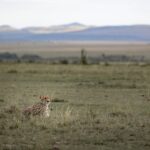
The Masai Mara Game Reserve contains several distinct habitat zones. The open grassland plains that dominate the central reserve are the primary habitat for large herds of plains game, including wildebeest, zebra, topi, impala, Thomson’s gazelle, and Grant’s gazelle. Predators that hunt in open terrain, particularly cheetah and lion, are consistently active in this zone.
Compared to riverine camps positioned along the Mara River, an open-plains camp delivers different game-drive dynamics:
- Cheetah sightings: Open grassland is primary cheetah habitat. Daylight hunts on the plains happen regularly and are more visible than kills in dense bush.
- Large herd movement: Open terrain allows unobstructed views of wildebeest and zebra columns, particularly during migration months.
- Predator-prey dynamics at distance: The open landscape enables guests to watch an entire hunt sequence rather than glimpsing only the conclusion.
- Lion territorial behavior: Plains lions are often more visible than bush-dwelling individuals. The Mara’s famous prides use open terrain extensively.
What open-plains camps trade away in exchange: direct proximity to the Mara River and the wildebeest river crossings. Crossing points are typically reachable from a plains-based camp within 20 to 45 minutes of driving, depending on which section of the river is active.
Location Within the Reserve
Zebra Plains Mara Camp is positioned inside the Masai Mara Game Reserve, which means guests are subject to standard reserve regulations. Key implications:
- Night game drives are prohibited inside the national reserve
- Entry times are governed by reserve gate hours, though camps inside the reserve can sometimes begin drives earlier than those requiring gate transit
- Standard Masai Mara park fees apply and are typically included in camp packages
- Vehicle access is unrestricted by zone beyond the general reserve rules
For context on reserve entry requirements, the Kenya Wildlife Service publishes current regulations and fee structures.
What Zebra Plains Mara Camp Offers
Camp Format and Positioning
Zebra Plains Mara Camp operates at a mid-range comfort level, which in the Mara context means solid, functional accommodation without the ultra-premium price tag of the most exclusive conservancy camps. Mid-range in the Mara still means en-suite tented accommodation, hot showers, proper beds, and guided game drives with qualified driver-guides.
The open plains setting of the camp means the surrounding landscape is immediately visible from the camp itself. Guests at camps in open terrain often see wildlife from their tents and from the dining area, which adds an ambient quality to the stay that enclosed-bush camps do not have.
Room Setup and Practical Comfort
At a camp in this category, accommodation typically consists of canvas tents elevated on wooden platforms or set on concrete bases. Standard tent features in a mid-range Mara camp:
- Double or twin bed configuration with proper mattresses and bedding
- En-suite bathroom with flush toilet and hot-water shower (solar-heated or heated by a small geyser)
- Dressing area with basic furniture
- A verandah or seating area facing the bush
- Solar-powered reading lights and device charging
What to confirm before arrival: bed type (double vs. twin), tent dimensions if you need extra space, and whether family tents or interconnecting units are available if you are traveling with children.
Meals and Daily Camp Timing
Meals at Zebra Plains Mara Camp follow the standard Mara game-drive rhythm. A typical day looks like this:
- 5:30 to 6:00 a.m.: Wake-up call, light snack or coffee
- 6:00 to 6:30 a.m.: Morning game drive departs
- 9:30 to 10:30 a.m.: Bush breakfast in the field or return to camp for a full breakfast
- 12:30 to 1:00 p.m.: Lunch at camp
- 3:00 to 4:00 p.m.: Afternoon game drive departs
- 6:30 to 7:00 p.m.: Return at sunset
- 7:30 to 8:00 p.m.: Dinner
Bush breakfasts, where the guide sets up a table in the field after the morning wildlife period, are one of the genuine pleasures of a Mara plains camp. The drive out of camp at dawn and the morning light on open grassland is the Mara at its most cinematic. Ask the camp whether bush breakfasts are standard or available on request.
Wildlife: What the Open Plains Deliver
Resident Species and Year-Round Activity
The open plains of the Masai Mara Game Reserve support some of the highest mammal density in Africa. Year-round resident species include:
- Multiple lion prides with well-established territories across the plains
- Cheetah coalitions and females with cubs, particularly in the more open sections of the reserve
- Spotted hyena clans and denning sites in earthen banks and short grass areas
- Topi, which are specific to the Mara ecosystem and often seen in large numbers on the plains
- Large elephant herds traversing between the reserve and adjacent conservancy areas
- Bat-eared foxes and black-backed jackals in open grassland sections
Migration Season
From July through October, the Masai Mara plains receive the main wildebeest migration columns from Tanzania. During this period, an open-plains camp position means migration herds are potentially visible from camp itself. Hundreds of thousands of wildebeest and zebra spread across the Mara plains, and the open landscape makes the scale of the movement more comprehensible than it appears from a bush position.
The Mara River crossings during migration are best viewed from a position closer to the river, and a plains-based camp like Zebra Plains requires a drive to reach active crossing sites. Plan approximately 30 to 60 minutes each way, depending on which crossing point is active on a given day.
Outside Migration Season
The Mara’s resident wildlife is genuinely excellent outside the July to October migration window. The green season (November to June) produces a different but highly rewarding experience:
- Calving season for resident wildlife in January and February draws high predator activity
- Green season brings exceptional photographic light: dramatic storm clouds, green grass, and long golden hours
- Bird diversity peaks in the wet months with the arrival of migratory species. Over 470 bird species have been recorded in the Masai Mara ecosystem.
- Visitor numbers drop significantly outside migration, meaning fewer vehicles at sightings
How Zebra Plains Mara Camp Compares to Other Mara Options
The Masai Mara reserve and its surrounding conservancies offer a wide range of accommodation types. Here is how Zebra Plains Mara Camp positions against the main alternatives:
| Camp Type | Location | Night Drives | Vehicle Density | Price Range |
|---|---|---|---|---|
| Zebra Plains Mara Camp (open plains, reserve) | Inside reserve | No | Moderate | Mid-range |
| Mara North/Olare Motorogi conservancy camps | Private conservancy | Yes | Low | Mid to high |
| River/Mara Triangle lodges | Inside reserve, western | No | Low to moderate | Mid to high |
| Budget reserve lodges (Talek gate area) | Inside reserve | No | Higher | Budget |
For open-plains wildlife focused on cheetah, lion, and migration herds, a plains-based reserve camp like Zebra Plains delivers good value. The trade-off against conservancy camps is the absence of night drives. If nocturnal wildlife observation is a priority, a conservancy camp elsewhere in the ecosystem is the appropriate choice.
A broader comparison of Mara accommodation options is available at the Trunktrails Safaris Maasai Mara camp guide.
Practical Planning Notes
Getting There
The Masai Mara Game Reserve is accessible by road from Nairobi in approximately five to six hours via the A104 highway through Narok, or by scheduled light aircraft to several Mara-area airstrips from Wilson Airport (approximately 45 minutes). Safarilink and AirKenya operate multiple daily departures.
The specific airstrip for Zebra Plains Mara Camp will depend on the camp’s exact position inside the reserve. Common options in the open-plains zone include Keekorok or Olare Orok airstrips. Confirm the nearest airstrip with the property before booking domestic flights.
Package Inclusions
Mid-range packages at Masai Mara camps in this price bracket typically include:
- Accommodation and all meals (full board)
- Morning and afternoon game drives in a shared or private vehicle
- National reserve park fees
- Services of a driver-guide
Typically excluded: domestic flights, drinks from the camp bar, tips, laundry, and any activities outside the standard drive schedule. The Maasai Mara planning guide covers current fee structures in context.
Explorer Notes: Practical Checklist
Before booking, get clear answers on the following:
- Is the game-drive vehicle open-sided with elevated seating, or a closed minivan?
- How many guests share a vehicle on standard drives?
- What is the guide’s experience level and how long have they worked this section of the reserve?
- Are bush breakfasts included or charged separately?
- What wildlife specifically has been active in the open plains near camp in the past 30 days?
The last question is practical. A camp that can tell you about specific resident prides or cheetah families currently in the area is a camp with good on-ground intelligence. Generic answers suggest the guiding team may not be tracking individual animals.
Conclusion
Zebra Plains Mara Camp’s position on the open Masai Mara plains is a genuine asset for travelers focused on plains game, cheetah, open-horizon migration viewing, and the wide-sky atmosphere that makes the Mara distinctive. The mid-range price point makes this a practical option for travelers who want a solid in-reserve experience without paying the premium of the most exclusive conservancy camps.
The absence of night drives is the main functional limitation versus conservancy alternatives. For travelers who do not require nocturnal observation and who want to be inside the national reserve for the open plains experience, Zebra Plains Mara Camp is a sound choice.
Related Reading
- Maasai Mara Reserve vs. Private Conservancy: Which Should You Choose?
- Best Camps and Lodges in the Maasai Mara
- Maasai Mara National Reserve Guide
- Great Migration Kenya: When to Go and Where to Stay
- Budget vs. Mid-Range vs. Luxury Safari: What the Price Difference Gets You
Every trip described here can be tailored: dates, budget, camps, and pace built around you.
Get a Personalised Safari