Soroi Mara Bush Camp occupies a riverside position on the Olare Orok River in the broader Masai Mara area. Mid-range in pricing and approach, it suits travellers who want a genuine tented bush camp experience near the Masai Mara ecosystem without the premium costs of the conservancy camps or the largest established lodges.
The Olare Orok River Setting
The Olare Orok (also written Olare Orok or Olare Orok) is one of the river systems feeding into the broader Mara watershed in the Masai Mara area. River frontage is one of the most valued attributes of a Mara camp for several practical reasons: rivers attract wildlife that uses them for drinking and crossing, create natural corridors for animal movement, and provide the ambient soundtrack and visual interest that define the classic tented camp atmosphere.
Hippo are common in the Mara’s river systems and are frequently heard from riverside camps at night — the distinctive honking and splashing that wildlife travellers come to associate with the sounds of an African night. Crocodiles use most of the larger Mara watercourses. Bird diversity along river margins is higher than on open plains: kingfishers, herons, hamerkops, and bee-eaters are typical river-edge species.
The position on the Olare Orok also offers proximity to the wildlife corridors that move along river systems — leopard in particular are drawn to riverine forest and are more reliably found along watercourses than on open plains.
Camp Style and Accommodation
Soroi Mara Bush Camp positions itself as a genuine tented camp rather than a permanent lodge structure. This is a meaningful distinction: canvas tents on platforms or bases deliver a specific quality of immersion in the environment that solid-walled rooms cannot. Sound travels through canvas; the ambient bush and river sounds are present throughout the night; the sense of being in the landscape rather than sheltered from it is part of what a good tented camp provides.
At the mid-range tier, tented accommodation typically includes proper beds, en-suite bathroom facilities, and electricity within scheduled hours. The specification is above basic camping but below the premium luxury of the highest-tier conservancy camps. Guests who value the tented experience over room specification will find this tier appropriate; guests who place primary weight on room size, decoration, and high-end finishes are better served at the luxury level.
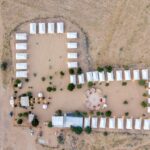
The camp is sized at a scale typical of mid-range properties — larger than a boutique camp but smaller than a major lodge — which creates a social atmosphere that can be either appealing or intrusive depending on your preference.
Wildlife and Game-Drive Access
From Soroi Mara Bush Camp, game drives access the Masai Mara ecosystem’s wildlife circuits. Depending on the camp’s exact position relative to the reserve boundary and any conservancy arrangements, the specific access model — whether guests drive into the national reserve, access a conservancy, or have both options — affects the daily game-drive experience.
Camps in the Olare Orok area tend to be positioned near the Masai Mara National Reserve boundary or within the ecosystem’s broader community zones, often with access to the main reserve for game drives. The wildlife of this section of the Mara ecosystem includes all of the reserve’s resident populations: lion, leopard, cheetah, elephant, buffalo, and the full plains game community.
River systems in this area are known for leopard sightings, particularly in the early morning and late evening when the cats are most active along the vegetation corridors. The open grassland sections accessible from this location are good for cheetah, which favour open terrain for hunting.
Who This Camp Suits
Mid-range travellers who want a genuine tented bush camp experience — canvas walls, river sounds, direct immersion in the landscape — without paying conservancy-tier prices will find Soroi Mara Bush Camp a natural fit.
Couples doing a first Masai Mara trip on a moderate budget, independent travellers who have researched camp options carefully and want river frontage as a specific camp characteristic, and travellers assembling multi-park Kenya itineraries at a consistent mid-range price point are the typical audience.
It is not the obvious choice for first-time Kenya visitors who place highest priority on facilities and service consistency — those travellers may find larger, more established lodges a safer first experience. Nor is it the right camp for travellers specifically seeking the conservancy experience of night drives and walking safaris, which typically require a private conservancy camp booking.
Practical Notes
The drive from Nairobi to the Masai Mara area via Narok takes five to six hours under normal conditions. Most guests at mid-range Mara camps use the same road transfer options as other Mara visitors: road from Nairobi or bush flight to a nearby airstrip.
A three-night stay is a reasonable minimum to make the most of a riverside mid-range camp in the Mara. Two nights gives two morning drives and one afternoon drive — enough for a solid introduction but not enough to explore the ecosystem’s range. Three nights allows for a full-day drive option, the possibility of a specific river-focused morning, and a more relaxed daily rhythm.
Seasonal timing follows the Masai Mara’s general pattern: the July to October dry season for migration and peak wildlife activity, shoulder months (June, November) for lower rates and fewer vehicles, and the green season for landscape photography and birding without the peak-season crowd and cost pressure.
Every trip described here can be tailored: dates, budget, camps, and pace built around you.
Get a Personalised SafariFurther reading
More safari planning resources
- Interactive Maasai Mara map from Valley Safaris
- Masai Mara destination guide on FindMySafari
- Nairobi to Maasai Mara route guide from Valley Safaris
- Big Five safari collection on FindMySafari
Related guides: Safari Camp Shower vs Outdoor Bush Shower in the Masai Mara.