Meals are typically provided as part of a full-board package, with breakfast timed for early departures and dinner served after evening returns. The camp is not large, and the guest count tends to be small, which creates an informal and social atmosphere.
Specifics for planning: the camp has 15 tents, each en-suite with a full-length bathtub, hot and cold water, mosquito nets, and a private balcony, with tents spaced so that none overlooks another. A suspension bridge across the Sekenani River connects the tents to the restaurant and bar. A swimming pool overlooks the river, and a small craft shop sells locally made Maasai items. Wifi is available at the main camp area, which is a genuine amenity for a camp at this price point.
Wildlife Access and Game Drives
From Sekenani River Camp, game drives into the Masai Mara National Reserve are the central daily activity. The camp’s proximity to Sekenani Gate means entry into the reserve is quick, typically a short drive to the gate and then into the open ecosystem.
The eastern Masai Mara, the section most accessible from Sekenani Gate, is characterised by open grassland plains where lion, cheetah, and the full range of plains game are routinely found. The Sekenani area is particularly strong for big cat sightings: the open terrain gives predators hunting range and good visibility for tracking.
During the July to October migration season, wildebeest and zebra fill the eastern plains in enormous numbers as the herds move through the reserve from the south. River crossings on the Mara River, the most dramatic migration spectacle, are further west, which means guests driving from the eastern side face longer internal drives to reach them. A full-day drive is usually required to cover the crossing zones during migration.
Game drives are the core activity, but the camp also arranges Maasai-guided bush walks, sundowners, and bush dinners on request, along with visits to a nearby Maasai village. Hot air balloon safaris over the Mara can also be organised through the camp, for guests who want to add that experience to an otherwise budget-focused stay.
Outside migration season, the resident wildlife of the eastern Mara delivers consistent game viewing throughout the year. Lions, leopard in the riverine areas, cheetah on the open plains, and large elephant herds make the Masai Mara a productive destination in every month.
Who This Camp Suits
Sekenani River Camp is best suited to travellers who prioritise value and authenticity over comfort and facilities. Backpackers, independent budget travellers, and younger visitors doing East Africa on a limited budget will find it one of the more appealing options for getting into the Masai Mara without spending lodge-tier prices.
It also works well for overland groups and for travellers who are combining the Mara with other budget-tier destinations across Kenya or East Africa, where maintaining a consistent price point matters for the overall trip budget.
Families with children should assess whether the basic facilities and bush-camping atmosphere suit their particular needs. Young children adapt well to simple environments if parents are comfortable with them; teenagers on an adventure trip often find budget camps more engaging than polished lodges.
Getting There
The drive from Nairobi to Sekenani takes approximately five to six hours under normal traffic conditions. The route via Narok and the C12 is the standard approach. Road conditions vary seasonally, the rainy months of April, May, and November can make some sections rougher, and a vehicle with reasonable ground clearance is useful though not always mandatory.
Bush flights to Sekenani Airstrip, a small airstrip close to the gate, are available from Wilson Airport in Nairobi and take under an hour. For travellers whose time is limited or for whom the road journey is a deterrent, the flight is the more efficient option, though it adds significantly to the total cost.
The Broader Mara Ecosystem Context
The Masai Mara is not just the national reserve. The broader ecosystem includes the reserve, the surrounding private conservancies, and the community land beyond. Sekenani River Camp sits within this wider zone, near enough to the reserve boundary to access its wildlife but in the community-managed buffer that forms the landscape between the reserve and the nearest towns.
This position is representative of a large category of Kenya safari accommodation: camps and tented lodges outside park boundaries that offer affordable access to wildlife areas without the costs of operating within a protected zone. For budget travellers, this model is an important part of making Kenya safari accessible.
A stay at Sekenani River Camp is not a conservancy experience or a luxury lodge experience. It is an honest, affordable entry to the Masai Mara ecosystem, the right match for the right traveller.
Every trip described here can be tailored: dates, budget, camps, and pace built around you.
Get a Personalised SafariFurther reading
More safari planning resources
- Interactive Maasai Mara map from Valley Safaris
- Budget safari collection on FindMySafari
- Masai Mara destination guide on FindMySafari
- Nairobi to Maasai Mara route guide from Valley Safaris
Six to seven kilometres from Sekenani Gate on the eastern boundary of the Masai Mara, Sekenani River Camp occupies a riverside position on the Sekenani River that delivers more character than its price point might suggest. For budget-conscious travellers who want to experience the Masai Mara ecosystem without the cost of an established lodge or a conservancy camp, it represents a practical and honest option.
Location: Eastern Mara, Sekenani River
Sekenani Gate is the main entry point for most visitors driving to the Masai Mara from Nairobi. The C12 road from Narok leads directly to it, making this the eastern gateway into the reserve. Sekenani River Camp sits just outside the reserve boundary, which means it is in the broader Mara ecosystem, within easy daily drive access of the reserve, without the higher tariffs that come with staying inside.
The Sekenani River itself runs through the property, providing river frontage that adds a natural dimension to the camp setting. Rivers in the Mara ecosystem attract wildlife: hippo are common in Mara rivers, and crocodiles are present in most larger watercourses. Depending on water levels and season, the Sekenani River brings its own wildlife encounters to the camp’s doorstep. Elephants use river corridors routinely, and predators, particularly leopard, move through riverine forest at night.
Being outside the reserve means the camp is not subject to reserve park fees for the accommodation itself, which contributes to the lower overall cost. Game drives into the reserve carry the standard daily park fee, currently around USD 80 per adult, which needs to be factored into daily budgets.
Camp Style and What to Expect
Sekenani River Camp operates in the budget to lower-mid-range tier. The accommodation is in tented units, typically canvas tents on raised platforms or solid bases, with attached or nearby bathroom facilities. The experience is genuine bush camping rather than the curated luxury of a high-end tented camp: you hear the night sounds clearly, the accommodation is simple, and the atmosphere is closer to the original spirit of safari camping than to hotel-style comfort.
For travellers who approach safari as an outdoor adventure rather than a luxury break, this is part of the appeal. Morning sounds, birds at first light, the possibility of hippo grunts from the river, the chorus of an African dawn, are experienced without the insulation of solid walls.
Meals are typically provided as part of a full-board package, with breakfast timed for early departures and dinner served after evening returns. The camp is not large, and the guest count tends to be small, which creates an informal and social atmosphere.
Specifics for planning: the camp has 15 tents, each en-suite with a full-length bathtub, hot and cold water, mosquito nets, and a private balcony, with tents spaced so that none overlooks another. A suspension bridge across the Sekenani River connects the tents to the restaurant and bar. A swimming pool overlooks the river, and a small craft shop sells locally made Maasai items. Wifi is available at the main camp area, which is a genuine amenity for a camp at this price point.
Wildlife Access and Game Drives
From Sekenani River Camp, game drives into the Masai Mara National Reserve are the central daily activity. The camp’s proximity to Sekenani Gate means entry into the reserve is quick, typically a short drive to the gate and then into the open ecosystem.
The eastern Masai Mara, the section most accessible from Sekenani Gate, is characterised by open grassland plains where lion, cheetah, and the full range of plains game are routinely found. The Sekenani area is particularly strong for big cat sightings: the open terrain gives predators hunting range and good visibility for tracking.
During the July to October migration season, wildebeest and zebra fill the eastern plains in enormous numbers as the herds move through the reserve from the south. River crossings on the Mara River, the most dramatic migration spectacle, are further west, which means guests driving from the eastern side face longer internal drives to reach them. A full-day drive is usually required to cover the crossing zones during migration.
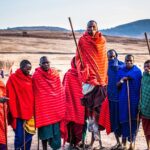
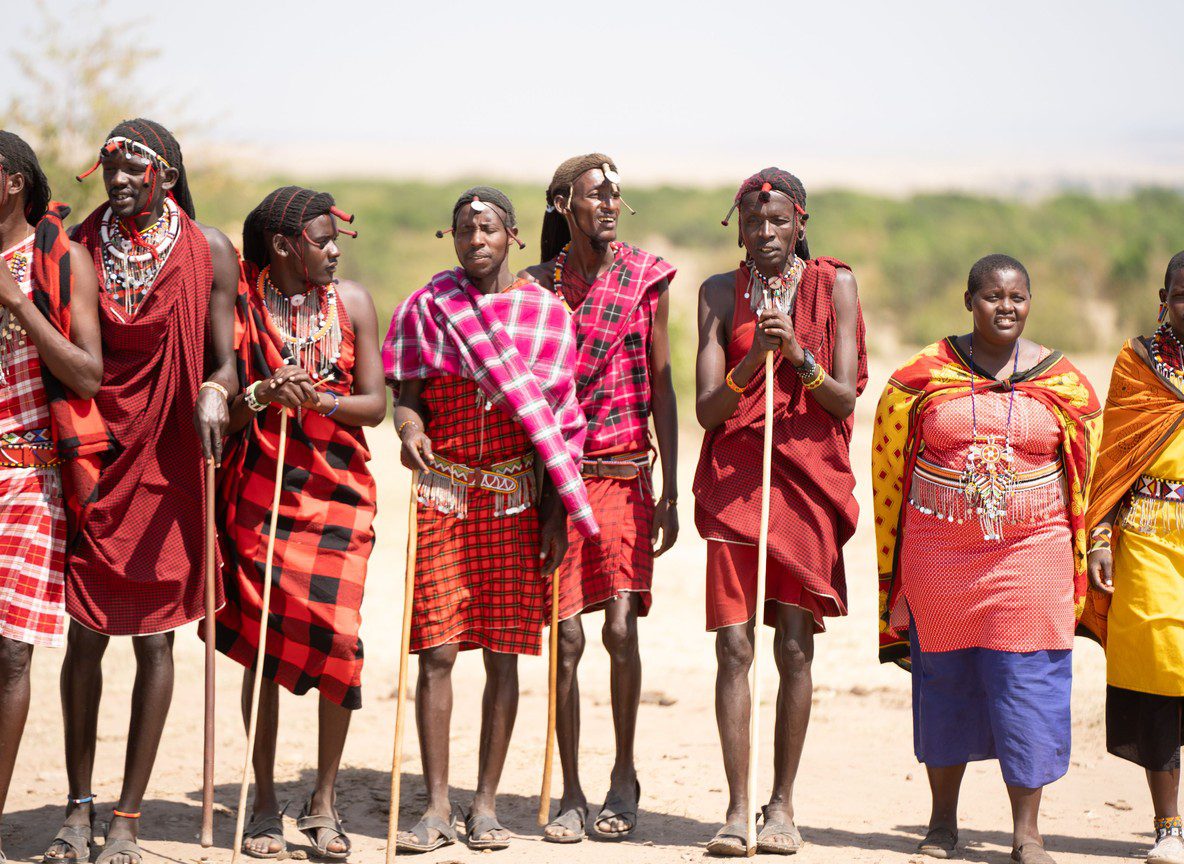
Game drives are the core activity, but the camp also arranges Maasai-guided bush walks, sundowners, and bush dinners on request, along with visits to a nearby Maasai village. Hot air balloon safaris over the Mara can also be organised through the camp, for guests who want to add that experience to an otherwise budget-focused stay.
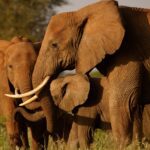
Outside migration season, the resident wildlife of the eastern Mara delivers consistent game viewing throughout the year. Lions, leopard in the riverine areas, cheetah on the open plains, and large elephant herds make the Masai Mara a productive destination in every month.
Who This Camp Suits
Sekenani River Camp is best suited to travellers who prioritise value and authenticity over comfort and facilities. Backpackers, independent budget travellers, and younger visitors doing East Africa on a limited budget will find it one of the more appealing options for getting into the Masai Mara without spending lodge-tier prices.
It also works well for overland groups and for travellers who are combining the Mara with other budget-tier destinations across Kenya or East Africa, where maintaining a consistent price point matters for the overall trip budget.
Families with children should assess whether the basic facilities and bush-camping atmosphere suit their particular needs. Young children adapt well to simple environments if parents are comfortable with them; teenagers on an adventure trip often find budget camps more engaging than polished lodges.
Getting There
The drive from Nairobi to Sekenani takes approximately five to six hours under normal traffic conditions. The route via Narok and the C12 is the standard approach. Road conditions vary seasonally, the rainy months of April, May, and November can make some sections rougher, and a vehicle with reasonable ground clearance is useful though not always mandatory.
Bush flights to Sekenani Airstrip, a small airstrip close to the gate, are available from Wilson Airport in Nairobi and take under an hour. For travellers whose time is limited or for whom the road journey is a deterrent, the flight is the more efficient option, though it adds significantly to the total cost.
The Broader Mara Ecosystem Context
The Masai Mara is not just the national reserve. The broader ecosystem includes the reserve, the surrounding private conservancies, and the community land beyond. Sekenani River Camp sits within this wider zone, near enough to the reserve boundary to access its wildlife but in the community-managed buffer that forms the landscape between the reserve and the nearest towns.
This position is representative of a large category of Kenya safari accommodation: camps and tented lodges outside park boundaries that offer affordable access to wildlife areas without the costs of operating within a protected zone. For budget travellers, this model is an important part of making Kenya safari accessible.
A stay at Sekenani River Camp is not a conservancy experience or a luxury lodge experience. It is an honest, affordable entry to the Masai Mara ecosystem, the right match for the right traveller.
Every trip described here can be tailored: dates, budget, camps, and pace built around you.
Get a Personalised SafariFurther reading
More safari planning resources
- Interactive Maasai Mara map from Valley Safaris
- Budget safari collection on FindMySafari
- Masai Mara destination guide on FindMySafari
- Nairobi to Maasai Mara route guide from Valley Safaris