Ol Pejeta Conservancy sits at around 1,800 meters above sea level on the equator in Laikipia, flanked by the distant silhouette of Mount Kenya to the east. That elevation shapes the experience in ways that travelers accustomed to lower-altitude Kenyan destinations do not always anticipate: mornings are cool enough to require a proper warm layer, afternoons are active and bright, and the landscape cycles between rich green and golden dry through a rhythm that is distinct from the more widely discussed patterns at Maasai Mara or Amboseli.
Ol Pejeta is Africa’s largest black rhino sanctuary, and it is the only place in Kenya where you can see chimpanzees. It also holds the last two northern white rhinos on earth, kept under armed guard around the clock. These facts alone explain why the conservancy draws a particular type of visitor: one with genuine interest in wildlife, conservation, and the specific encounters that no other destination in East Africa can offer.
Choosing when to go is genuinely consequential here. The timing of your visit affects not only wildlife sighting odds but your access to certain conservancy activities, your experience of the terrain, and what the landscape itself looks like on any given morning.
The Seasonal Framework
Ol Pejeta follows the general Kenyan highland rainfall calendar, though its elevated position moderates extremes compared to coastal or low-altitude parks:
- Dry season: June to October. Clear skies, shorter grass, concentrated wildlife movement.
- Dry shoulder: January to March. Warm, settled, and well-suited to first-time visitors.
- Long rains: April to May. Wettest period, green landscape, lower occupancy.
- Short rains: November to December. Transitional, variable, less crowded than peak dry season.
Because the conservancy controls access and vehicle density, even busy periods feel quieter than high-traffic parks. This is one of the structural advantages of private conservancy travel.
January to March: Settled Conditions and Reliable Access
These three months represent some of the most straightforward travel conditions at Ol Pejeta. Rainfall is low, roads are dry, and animal movement across the conservancy’s open grasslands is consistent and readable.
Rhino sightings during this period tend to be strong. Black rhino move more freely across the conservancy in settled weather, and the shorter scrub in some sections makes them easier to locate on morning drives. The resident southern white rhino population is also reliably present near the water sources of the Ewaso Nyiro River corridor.
Other wildlife patterns during this window:
- Lions are active on the open plains in the early hours and easier to track in shorter grass
- Cheetahs cover ground efficiently in the dry-leaning conditions
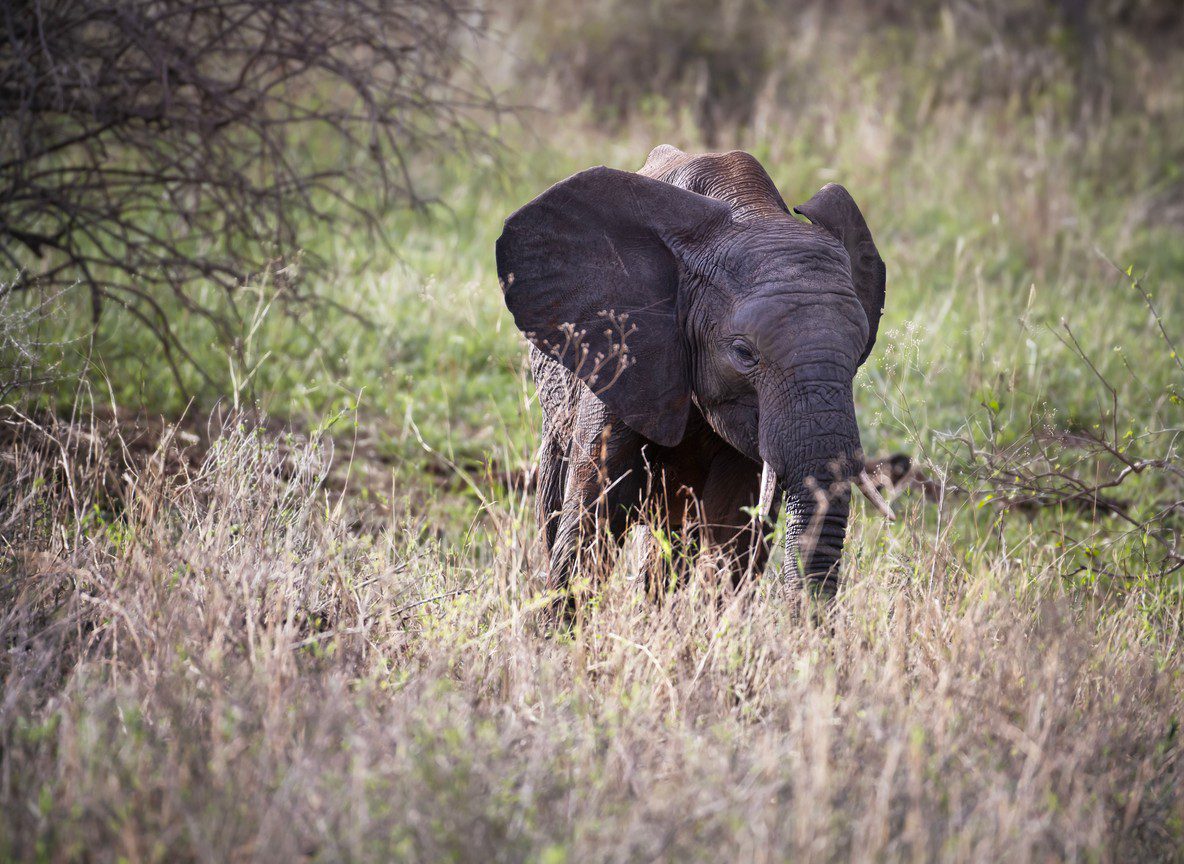
- Large elephant herds move between the riverine zones and open grazing areas
- Bird activity is solid, particularly along the river
Accommodation rates through January and March sit in a mid-range band between peak dry-season highs and the green-season lows. This makes it a good period for travelers who want reliable conditions without competing for dates against the July-to-August surge.
April to May: Long Rains and Green-Season Rewards
April and May bring the long rains, and conditions at Ol Pejeta shift noticeably. Tracks in lower sections of the conservancy can become soft, and some routes require track-aware vehicles and drivers. Afternoon or overnight rain is common, and daily schedules work better with flexibility built in.
What the green season offers in return:
- Landscape color at its most dramatic, with the Mount Kenya backdrop frequently visible before clouds build in the afternoon
- Significantly lower occupancy across conservancy properties, making the experience more private
- Better accommodation rates, sometimes substantially so
- Rich birdlife, with nesting activity underway and migratory species still present in April
Chimp sanctuary visits run year-round and are not affected by seasonal track conditions. This makes April and May particularly appealing for travelers whose primary interest is the chimpanzee experience rather than open-plain wildlife drives. You get the chimp visit, quieter camp atmosphere, and vivid green scenery without the logistical complexity that sometimes comes with dry-season peak demand.
Packing for this period: a good waterproof layer, quick-dry fabrics, and waterproof storage for cameras and electronics handle most situations. Early-morning departure for game drives often catches excellent conditions before the afternoon rain window opens.
June to October: The Prime Wildlife Tracking Window
June through October is when Ol Pejeta is at its most efficient for wildlife observation. Grass is short and dry, water sources concentrate animal movement, and the early-morning light on clear days is exceptional.
What this period is particularly known for:
- Black rhino tracking is at its most accessible, with animals moving to reliable water points
- The Ewaso Nyiro River corridor holds concentrated wildlife as surrounding areas dry
- Predator sightings improve as cover thins and prey animals cluster near water
- Full-day conservancy circuits are logistically straightforward
The specific Ol Pejeta activities that benefit most from dry conditions are the night game drives and the extended rhino-area loops. Night drives require passable track conditions, and the longer daylight hours of July and August support full-morning and full-afternoon drive combinations.
One practical note: June through August are the coolest months at Ol Pejeta’s elevation, and early mornings in July and August can be genuinely cold. A fleece and a windproof outer layer are not optional for open-vehicle drives at 5:30am. The chill clears quickly once the sun is up, but the first hour on track can be sharp.
Peak occupancy is highest in July and August. Booking preferred lodges in these months needs to happen well in advance, often six months or more for specific properties. Rates reflect demand.
November to December: Short Rains and a Quieter Experience
November and December sit in a sweet spot for travelers who want good wildlife access without the crowds or pricing of the peak dry season. Rain arrives in shorter bursts rather than sustained patterns, and many mornings are dry enough for excellent game drives.
The conservancy greens up quickly after the first rains, which creates a more dynamic visual environment than the dusty browns of October. Wildlife remains active and visible.
What works in favor of this window:
- Lower camp occupancy than July through September
- Rates drop from peak-season highs
- Bird diversity is strong, with returning migratory species
- The landscape shift from dry to green happens quickly and is visually striking
What requires attention:
- Rain timing is less predictable than in fully dry months
- Some tracks can become soft in concentrated rain spells
- Flexible daily scheduling is more important than in the dry season
For travelers who value a more private and relaxed pace, this transitional window at Ol Pejeta consistently delivers.
Wildlife and Activity Planning by Season
Ol Pejeta’s range of activities extends beyond standard game drives, and season affects each one differently.
Black rhino tracking: Best accessed in dry-season conditions when animals move predictably between water and grazing areas. Possible year-round, but sighting efficiency is highest June through October.
Northern white rhino visits: The two remaining individuals (Najin and Fatu) are accessible year-round within their dedicated enclosure. Season does not materially affect this experience.
Chimpanzee sanctuary: Operates year-round regardless of weather. The experience is consistent across all months.
Night game drives: Available in dry conditions and shoulder months. Restricted or weather-dependent during peak rain periods.
Walking and cycling safaris: Best suited to dry-season months when tracks and terrain are stable underfoot.
The activity stack at Ol Pejeta means that even travelers visiting during green months have a full and genuinely rewarding programme. The key is adjusting the order and emphasis of activities to match current conditions rather than expecting every element to work identically in all seasons.
Explorer Notes: Combining Ol Pejeta with Other Destinations
Ol Pejeta sits on the Laikipia Plateau, which places it within reasonable distance of several other wildlife areas including the Aberdares and Samburu National Reserve to the north. Travelers building multi-destination Kenya itineraries often combine Ol Pejeta with Samburu (for the northern Kenya wildlife contrast) or with the Aberdares (for forest elephant and mountain scenery).
The drive from Nanyuki, the nearest town, takes around 15 minutes. Nanyuki has a small airport with regular connections to Nairobi’s Wilson Airport, which keeps Ol Pejeta accessible even on tight itineraries.
For current rates, availability, and routing advice for Ol Pejeta visits, Trunktrails Safaris focuses on Kenya-wide safari planning and can offer up-to-date ground intelligence on conservancy conditions.
You may also want to read our Laikipia safari overview and Kenya national parks comparison to understand how Ol Pejeta fits a broader itinerary.
Frequently Asked Questions
What is the best time to see rhinos at Ol Pejeta? June through October is the most consistent window for black rhino sightings, when water concentration makes movement more predictable. The northern white rhinos are accessible year-round.
Is Ol Pejeta good for first-time safari visitors? Yes. The conservancy format, controlled vehicle numbers, and range of guided activities make it well-suited to first-time visitors in any season. January through March is the easiest entry point.
Can you combine Ol Pejeta with the Maasai Mara in one trip? Yes, though they are not adjacent. Most travelers combine them via internal flight through Nairobi’s Wilson Airport. A week allows three to four nights at each location comfortably.
Are green-season visits to Ol Pejeta worthwhile? Genuinely yes. Chimpanzee visits, rhino encounters, and quieter camp conditions all perform well in April, May, and November. The wildlife experience differs from dry-season visits but is not lesser.
Every trip described here can be tailored: dates, budget, camps, and pace built around you.
Get a Personalised SafariFurther reading
More safari planning resources
- Ol Pejeta and Sweetwaters safari package from Valley Safaris
- Big Five safari collection on FindMySafari
- Best time to visit Kenya month-by-month map from Valley Safaris
- Interactive Maasai Mara map from Valley Safaris
Related guides: How to Book an Ol Pejeta Conservancy Visit in 2026.