Lewa Wildlife Conservancy is one of the most significant conservation properties in Kenya, not just as a safari destination but as a functioning model for how community-based wildlife protection can work at scale. Located in Laikipia County on the slopes below Mount Kenya, it sits at an elevation between roughly 1,600 and 2,000 meters, which gives it a climate that is distinctly cooler and more varied than the lower northern reserves of Samburu or Shaba.
Planning a visit to Lewa means thinking about three things together: the conservation calendar that shapes what you might see, the seasonal patterns specific to this highland-edge habitat, and the practical reality that Lewa’s deliberately limited accommodation inventory means timing affects availability as much as it affects the experience itself.
Understanding Lewa’s Wildlife Draw Before the Seasons
Before the month-by-month breakdown, it is worth being clear about what makes Lewa‘s wildlife particularly distinctive, because this context changes how you read the seasonal advice.
Grevy’s zebra: Lewa holds one of the largest remaining populations of Grevy’s zebra anywhere in Africa, representing a significant share of the world’s total population. These are substantially larger than common zebra, with narrower stripes, a broader neck, and a more mule-like build. If Grevy’s zebra is a priority for your Kenya trip, Lewa is the clearest place to look for them.
Rhinoceros: Lewa is among Kenya’s most important rhino sanctuaries, protecting both black and white rhino. The conservancy has contributed meaningfully to Kenya’s broader rhino recovery program, and sightings here are among the most reliable in the country across all seasons.
Other wildlife: Alongside the headline species, Lewa holds reticulated giraffe, elephant, lion, leopard, cheetah, and a diverse woodland bird community. Wild dog are occasionally recorded.
Low vehicle density: Lewa’s limited visitor numbers are a defining feature. Game drives feel genuinely private even in peak season. This matters for photography, for comfort, and for the quality of time spent at a sighting.
Lewa’s Seasonal Structure
Lewa’s climate follows the central-highland pattern of Kenya:
- Long rains: April to May
- Short rains: November to December
- Primary dry season: June to October
- Dry inter-season: January to March
Because of the elevation, Lewa’s dry season is cooler and more temperate than Samburu or Tsavo to the north and east. Mornings in July and August can be cold enough to require proper layering. This actually works in favor of game drives: comfortable cool temperatures through the morning period allow longer, more focused sessions than the heat that builds quickly at lower-altitude destinations.
Rainfall at Lewa tends to be moderate compared to coastal or high-forest Kenya. Even during the long rains, many days are clear enough for good activity. The landscape changes character significantly between seasons, from dry gold grassland to deep green, and both versions have genuine appeal depending on what you are looking for.
January to March: Reliable, Well-Balanced, and Accessible
The early-year window is among the most versatile for Lewa. Dry conditions keep most tracks in good condition, temperatures are comfortable without being cold, and wildlife is spread across the conservancy’s varied terrain.
Grevy’s zebra are visible year-round, but in January through March they tend to aggregate in more accessible grassland areas rather than dispersing across wider distances. Rhino sightings are consistent. Predator activity around the conservancy’s dams and river sections is strong through the morning hours.
This period suits first-time visitors, mixed-age groups, and anyone who wants reliable conditions without peak-season pressure on availability or rates. Lodges that fill quickly in August often have good availability in February. For travelers building a wider Kenya circuit, January through March allows Lewa to sit comfortably within a multi-destination itinerary without the advance booking pressure that July and August require.
April to May: Long Rains, Green Landscape, and Quiet Camps
The long rains transform Lewa. Grasses grow tall, the Ngare Ndare forest edge deepens, and the conservancy’s water sources fill. The wildlife does not disappear during this period, but patterns shift: grazers spread across a wider area rather than concentrating at water, making some species harder to locate consistently.
Rhino sightings remain good because rhinos are less mobile than other grazers and maintain smaller home ranges. Grevy’s zebra are present but may require more time to locate across denser vegetation. Predators become more efficient hunters in longer grass and tend to be less visible from vehicles as a result.
The practical benefits for travelers who accept variable conditions:
Camp rates reach their lowest point of the year in April and May. Some of Lewa’s high-end lodges, which sit at the top tier of Kenya safari pricing, offer their most accessible rates during this window. For travelers who want a premium Lewa experience at a more flexible price point, this period is worth considering seriously.
The conservancy feels genuinely private. The vehicle density that is already lower than any national reserve drops further still, making the experience feel even more exclusive than usual. Photography in the green season produces lush backgrounds and dramatic cloud formations that contrast sharply with the dry-season aesthetic of most Lewa imagery you will see in travel guides.
Route flexibility does matter. Some tracks in lower-lying sections of the conservancy can become soft after heavy rain. Bush vehicles handle this well, but daily activity planning needs to account for current conditions.
June to October: Peak Season and Best Predator Activity
The dry season from June through October is Lewa’s most requested period. Vegetation dries and shortens, concentrating both grazers and predators at dams and river sections. Game drives become highly productive in terms of sighting frequency. Cool mornings are balanced by warm, clear afternoons that allow longer sessions than many travelers expect.
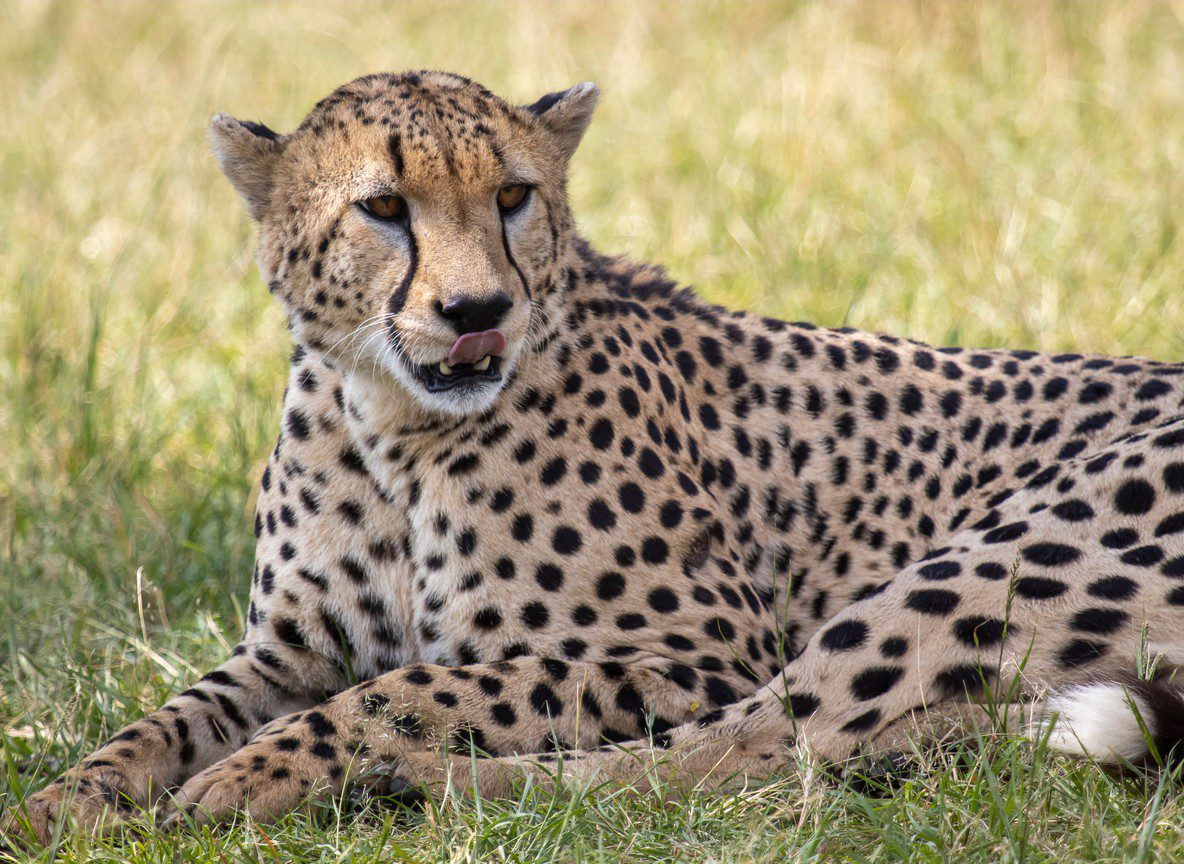
Predator activity reaches its annual peak in this window. Lion prides with cubs are regularly seen in the open grassland sectors. Cheetah are more visible in shorter vegetation and hunt with a frequency that makes them easier to observe than in green months. Leopard sightings around rocky outcrops and wooded drainage lines are consistent through the early morning hours.
The rhino population is most accessible during dry months, when tracking from vehicles is easier across open terrain. Grevy’s zebra foaling season overlaps with parts of this window, and seeing newborn foals alongside adults is one of the conservancy’s distinctive seasonal moments that photographers specifically seek out.
What to plan for during peak season:
Book well in advance. Lewa’s accommodation inventory is small, and the best-positioned camps fill early for July and August. Six months ahead is a reasonable lead time for peak-season stays. Some camps at Lewa fill up to a year in advance for premium dates.
Budget for peak rates. Lewa’s top camps sit in the premium tier of Kenya safari pricing, and peak season commands the highest rates in the year.
Layer for morning cold. July dawns at Lewa’s elevation can be cold enough for down jackets before the sun rises. Afternoon temperatures are pleasant, but the morning temperature swing of ten degrees or more requires proper preparation rather than safari-weight shirts alone.
November to December: Short Rains and Transitional Value
The short rains period is arguably the most underused season at Lewa for international visitors, and it is worth understanding why.
Rain tends to come in concentrated bursts rather than sustained all-day coverage, leaving many mornings clear and game drives fully operational. The landscape transitions from dry to green during this window, producing a mixed visual character that suits certain photography styles particularly well: fresh green against dry-season-tawny residual areas creates tonal contrast that does not exist in any other part of the year.
Camp availability is significantly better than in the August peak. Rates are below their peak-season high. The full activity menu remains available: night drives on the conservancy, bush walks with armed rangers, off-road tracking. Wildlife is active, including predators that built up during dry-season abundance and are maintaining territories into the transitional months.
Late December shifts toward peak holiday pricing and availability pressure as school holiday travel increases. If you can travel in November or early December, you tend to get better value and a more private conservancy experience than the late-December window offers.
Activity Planning by Season
Lewa’s activity structure is built around the conservancy’s low-volume, high-quality philosophy. Unlike national parks, where night drives and off-road driving are prohibited, Lewa’s conservancy status allows a wider range of activities throughout the year.
Dry-season activity structure: Dawn drives with good visibility from the start. Clear afternoon sessions. Night drives for nocturnal species including aardvark, honey badger, and genet. Bush walks practical in almost all sectors, with excellent tracking opportunities in dry conditions.
Wet-season activity structure: Dawn drives with occasional mist that burns off by mid-morning, producing soft light conditions that many photographers specifically value. Afternoon activity may need to flex around showers. Night drives on clear evenings. Bush walks possible in most areas, with modified routes in lower-lying sections after heavy rain.
Planning by Traveler Type
First-time visitors to Lewa: June to October is the clearest choice for a first experience. Sighting frequency is high, conditions are reliable, and the conservancy’s character is at its most immediately dramatic.
Conservation-focused travelers: April and May, when the conservancy is at its quietest, offer the most immersive sense of Lewa as a working conservation property rather than a safari venue. The community conservation context is easier to explore when visitor numbers are low.
Photographers: The dry season suits wildlife portraiture and behavioral sequences. The green season suits landscape-integrated images and dramatic cloud formations. Both are worth planning around depending on your style and what portfolio gaps you are trying to fill.
Value-focused travelers: April to May and November to December offer the most accessible rates. For a premium conservancy at lower cost, these are the right windows.
Families: The dry season is most practical for family logistics. Night drives and bush walks may have minimum age requirements that vary by camp. Check these before booking.
Practical Explorer Notes
Lewa connects naturally with a Mount Kenya or northern Kenya itinerary. It is approximately three hours by road from Nairobi, or accessible via Nanyuki airstrip with connections from Nairobi Wilson Airport and from Samburu or Laikipia circuit airstrips.
Three nights is the recommended minimum for a meaningful Lewa experience. This allows morning and evening drives with genuinely different characters from one day to the next, and gives enough time to properly locate the Grevy’s zebra and rhino that are the conservancy’s signature species. Four nights suits photography-focused visits or travelers who want to combine game drives with extended bush walking.
For broader northern Kenya context and comparisons between conservancy options, explore the Tourinsights Northern Kenya guides. Trunktrails Safaris builds Lewa itineraries for travelers combining the conservancy with Samburu, Mount Kenya, or the Laikipia plateau circuit.
Frequently Asked Questions
What is the best time to visit Lewa for Grevy’s zebra? Grevy’s zebra are visible year-round at Lewa. January through March and the June to October dry season offer the easiest viewing in open terrain where the animals are most accessible from vehicle tracks.
Is Lewa open during the long rains? Yes. Most camps operate year-round. Activity and access may be modified based on current conditions, but the conservancy does not close during the rains.
How does Lewa compare to Samburu for a northern Kenya trip? Lewa sits at higher elevation, is cooler, and operates with significantly lower vehicle density than a national reserve. Samburu offers a broader species range in a different landscape type and a wider accommodation selection. Many travelers combine both for a rounded northern circuit.
Is Lewa suitable for families? Yes, with appropriate camp selection. Night drives and bush walks typically have minimum age requirements that vary by property. Check these before confirming your booking.
How early should I book for peak-season travel? For July and August travel, six months ahead is a practical minimum for preferred camps. Some Lewa camps take bookings up to a year in advance for the most sought-after dates.
Turn this reading into a real itinerary with help from a Kenya-based safari team.
Start Planning Your SafariFurther reading
More safari planning resources
- Best time to visit Kenya month-by-month map from Valley Safaris
- Big Five safari collection on FindMySafari
- Map of Samburu from Valley Safaris
- Samburu destination guide on FindMySafari
Related guides: When to Visit Tanzania: A Month-by-Month Safari Planning Guide.