Lake Nakuru National Park is compact by Kenya safari standards. The whole park covers just over 180 square kilometers, which means you can cover it thoroughly in a well-planned day of driving. What you see in that day depends enormously on when you visit.
The lake itself is the organizing principle of the park. Its water level, alkalinity, and the algae blooms that feed flamingos shift across the year in ways that affect not just the flamingo numbers but the positioning of other wildlife across the surrounding woodland and savanna. Understanding how each season interacts with the lake ecology gives you a clearer picture of what to plan around.
How Lake Nakuru’s Seasons Work
The seasonal pattern at Lake Nakuru follows the general structure of Kenya’s highland calendar. The park sits at roughly 1,750 meters above sea level in the Rift Valley, which keeps temperatures moderate year-round. Cold dawns and warm middays are the norm even in the dry season.
The broad seasonal groupings:
- Primary dry season: June to October
- Long rains: April to May
- Short rains: November to December
- Dry inter-season: January to March
Because of the lake’s position in the Rift Valley and the surrounding highland topography, local weather can shift quickly. Morning game drives in Nakuru often feel different from afternoon drives in the same location, and the light at dawn on the water’s edge is one of the park’s genuine photographic rewards regardless of season.
January to March: Clear, Comfortable, and Consistent
The early-year window is among the most predictable for planning. Skies are generally clear, afternoon storms are rare, and game drive routes in most sectors are in good condition. This period suits a wide range of traveler types, from first-timers to families to photographers who want reliable morning light.
Flamingo numbers in January through March depend partly on the lake’s water level coming out of the short rains. When lake levels are moderate and alkalinity is optimal, flamingo aggregations along the southern and western shoreline can be substantial. In years when water levels have risen significantly, flamingos may disperse or shift to other Rift Valley lakes such as Bogoria or Elmenteita.
This variability is important to understand up front. Lake Nakuru’s flamingo numbers are never entirely predictable because the birds move across the Rift Valley lake system in response to algae availability rather than calendar dates. January through March is generally a productive period for flamingo viewing, but do not plan your visit solely around a guaranteed spectacle.
What the period delivers reliably: good rhino sightings in the southern woodland and Euphorbia forest zones, consistent lion and leopard activity around the lake edge and escarpment, and clear conditions for photography throughout the day.
Rates sit at a mid-season level, making this a reasonable value window relative to the June to October peak. Most camps and lodges have good availability.
April to May: Green Season and Value Window
April and May are Lake Nakuru’s wettest months. The long rains transform the park’s palette: woodland turns deep green, the savanna softens, and morning light through rain-washed air produces some of the most photogenic conditions of the year.
The practical challenges are real. Some roads in the southern sectors become muddy and require 4WD. Afternoon drives can be cut short by heavy showers. Activity timing needs more flexibility than in the dry season.
The benefits for a traveler who accepts those conditions:
Lower rates across most accommodation tiers. Some of Nakuru’s better-positioned lodges offer their strongest value in this period, which makes properties that are otherwise outside budget range more accessible.
Fewer vehicles. The park is noticeably quieter in April and May, which changes the feel of game drives significantly. Extended time at rhino or leopard sightings without a vehicle cluster is something that rarely happens in July or August.
Birding quality peaks. Lake Nakuru holds over 450 recorded bird species, and many migratory and woodland species are most active and visible in the green season. For birding-focused visitors, this is arguably the strongest window in the calendar.
June to October: The Classic Dry Window
This is the period most people associate with East African safari travel, and Lake Nakuru delivers well during it. Vegetation dries out and shortens, concentrating wildlife at water sources and making sightings in open ground easier to spot from a vehicle at distance.
Rhino viewing is particularly strong during this window. Lake Nakuru is one of Kenya’s most important rhino sanctuaries, protecting both black and white rhino. Dry conditions bring rhinos to water on predictable schedules, and shorter grass makes them easier to locate and approach from a game drive vehicle.
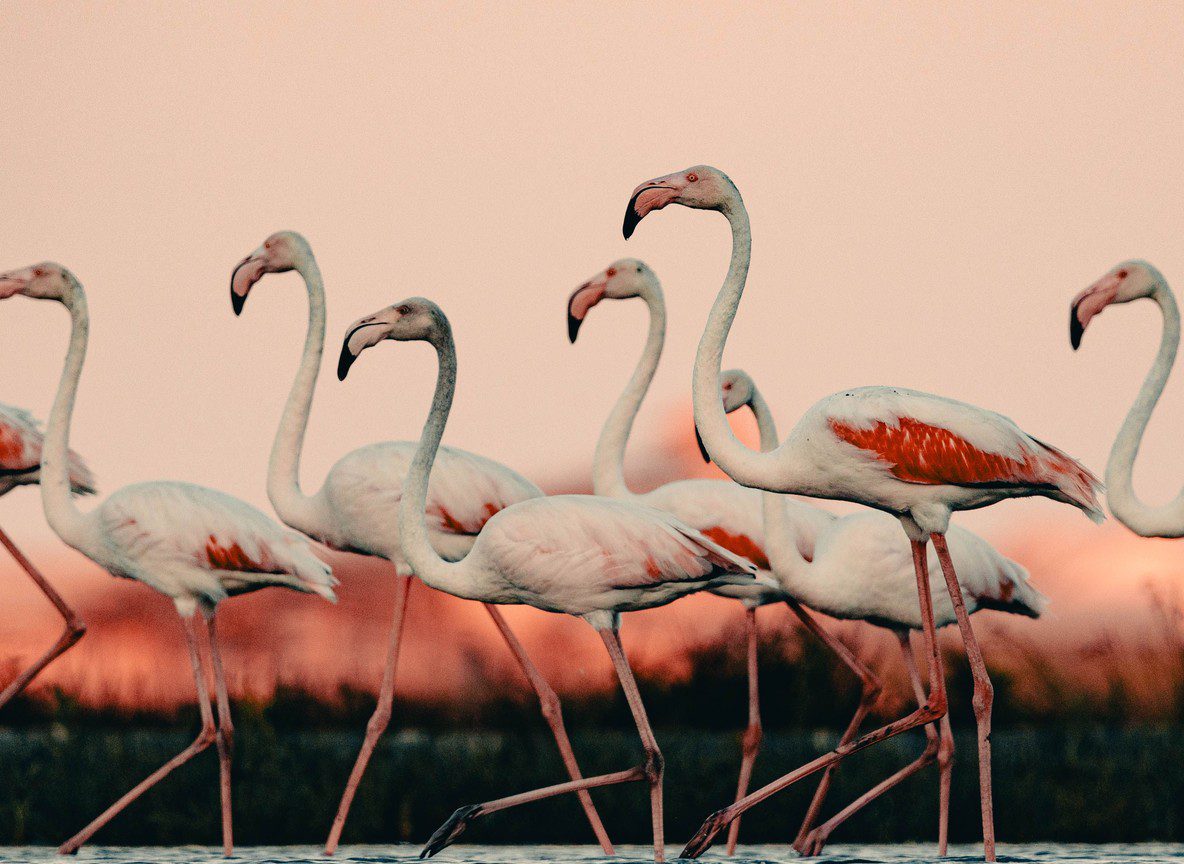
The lake edge during peak dry months can be spectacular when flamingo conditions are right. In the better years, lesser and greater flamingos feed in enormous concentrations along the southern shoreline, turning kilometers of water pink in early morning light. This is one of the defining bird spectacles in Africa.
What to plan for during this window:
Higher rates and tighter availability, particularly at camps positioned inside the park fence or with lake views. Book three to six months ahead for July and August stays.
More vehicles in the park, especially around well-known sighting spots. Early morning starts make a meaningful difference in reaching productive areas ahead of the main vehicle traffic.
Cold dawns. June and July mornings in Nakuru can drop near freezing before sunrise. Layering is not optional during these months; plan your packing accordingly.
November to December: Short Rains and Transitional Quality
The short rains rarely produce the sustained heavy rainfall of April and May. Instead, expect afternoon showers and occasional morning overcast, with many days offering clear, workable game drive windows.
This is a transition period with some of the most appealing conditions in the year for travelers who can handle moderate flexibility. The park is greener than in the peak dry season but not yet as muddy as April. Flamingo activity is often high in this period because post-rain conditions can be optimal for algae growth in the lake. Rates are generally below the peak dry levels.
The short-rains window suits travelers who want good conditions, lower crowds, and value-adjusted rates without the route risk of the long rains. It is consistently underused by international visitors and often delivers strong experiences as a result.
Wildlife Through the Seasons
Flamingos: Numbers fluctuate based on lake alkalinity and algae availability rather than season in a simple sense. The lake has seen significant ecological changes over the past decade, including periods of high water that reduced flamingo populations substantially. Before planning a visit primarily around flamingos, check recent field reports on current lake conditions.
Rhinos: Present and viewable year-round. Sightings are most reliable in dry months when animals concentrate at water sources on more predictable schedules. Lake Nakuru holds one of Kenya’s largest protected rhino populations, covering both species.
Lions and leopards: Active year-round. Lions favor the open grassland sectors south of the lake. Leopards are regularly seen in the fig tree forest and Euphorbia zones on the western escarpment. Both are most consistently visible in early morning drives.
Buffalo: Present in large herds year-round, often seen along the lake’s northern shoreline.
Waterbuck, zebra, and eland: Resident throughout the year across the savanna sectors. Waterbuck are particularly common near water edges.
Pricing and Availability Patterns
Lake Nakuru’s park fees and camp rates follow the standard Kenya structure: peak rates from July through October, mid-season rates from January to March and November to December, and green-season rates from April to May.
One practical note: because the park is compact and road access from Nairobi is straightforward (around two hours), Nakuru attracts significant day-trip traffic. Camps positioned inside the park fence give access to early morning and late afternoon drives that day visitors cannot use. For overnight stays, lake-view positioning is limited. Confirm early if your travel falls in the June to October window.
Planning by Traveler Type
First-time safari travelers: June to October is the most straightforward choice. Wildlife visibility is high and conditions are comfortable and predictable.
Families: The dry season suits family logistics best. The park’s compact size means shorter drive durations work well, and combining lake-edge walks with game drives keeps mixed-age groups engaged without overlong sessions.
Photographers: The short-rains period in November and December offers a combination of green landscape, manageable weather windows, and lower vehicle density. Dry season works better for wildlife portraiture and long-line flamingo shots.
Birders: April and May are the most productive months, with high species diversity and active woodland and waterside species across the park.
Value-focused travelers: April to May and November to early December offer the strongest rate opportunities. The short-rains window generally provides better road conditions than the long rains while still offering good value.
Explorer Notes
Lake Nakuru is a realistic add-on to a Nairobi-based itinerary or a connector between southern and central Kenya safari circuits. Given the park’s compact size, two nights is generally enough for thorough coverage. Three nights allows a more relaxed pace and gives you flexibility to revisit productive areas at different times of day.
The escarpment roads along the park’s western and southern edges offer panoramic lake views that are worth including in any itinerary regardless of season. The Baboon Cliff and Out of Africa viewpoints provide altitude perspective that changes the visual scale of the lake entirely from what you see at shoreline level.
Season-smart packing for Nakuru: during dry months, layer for cold dawn then warm midday, carry dust protection for camera gear, and bring hydration for longer drives. In wet months, a lightweight rain shell, quick-dry layers, and waterproof storage for electronics are the essentials.
For broader Kenya safari planning context and destination comparisons, visit the Tourinsights Kenya planning guides.
Frequently Asked Questions
What is the best month to visit Lake Nakuru? For most travelers, July through October offers the most reliable conditions for wildlife visibility. November to December is an underrated option with fewer crowds and lower rates.
Are flamingos always at Lake Nakuru? No. Flamingo numbers at Lake Nakuru vary significantly based on lake level and algae conditions. Check recent field reports before planning a visit primarily for flamingos.
Is April a viable time to visit? Yes, with appropriate expectations. Roads in some sectors may require 4WD and daily timing needs flexibility. The trade-off is lower rates and a noticeably quieter park.
Can I visit Lake Nakuru as a day trip from Nairobi? Yes, but an overnight stay inside the park gives access to early morning and late afternoon drives that significantly improve wildlife sighting opportunities compared to a day visit.
How many nights should I plan for Lake Nakuru? Two nights covers the park thoroughly. Three nights allows for a more relaxed pace and repeat visits to productive areas such as the lake edge and Euphorbia forest rhino zones.
Prefer a different route, budget, or travel style? This plan can be adapted to fit.
Customise Your TripFurther reading
More safari planning resources
- Rift Valley lakes map from Valley Safaris
- Big Five safari collection on FindMySafari
- Best time to visit Kenya month-by-month map from Valley Safaris
- Nairobi to Maasai Mara route guide from Valley Safaris
Related guides: Best Time to Visit Aberdare National Park: A Seasonal Planning Guide.