Richard’s River Camp is a property inside Mara North Conservancy, one of the private conservancy zones that border the Maasai Mara National Reserve in southwestern Kenya. If you are shortlisting accommodation for a Mara trip, the camp’s position in a conservancy rather than the main reserve changes several things worth understanding before you commit to a booking.
This guide covers what Mara North Conservancy means for daily game-drive quality, how the camp’s profile fits different travel styles, what to confirm before arrival, and how Richard’s River Camp compares to other accommodation options across the wider Mara ecosystem.
What Mara North Conservancy Means for Your Safari
The Geography and Why It Matters
Mara North Conservancy occupies a stretch of land north and northwest of the Maasai Mara National Reserve. It is community-owned land managed under a conservancy model, where landowner lease payments fund anti-poaching patrols and conservation management in exchange for limited, controlled tourism.
For a guest staying at Richard’s River Camp, being inside a conservancy rather than the national reserve has practical consequences:
- Fewer vehicles are permitted per sighting, so high-density wildlife moments are less crowded
- Night game drives may be possible, which are prohibited inside the national reserve
- Game drives start directly from camp into the conservancy without queuing at a reserve gate
- The Maasai Mara National Reserve remains accessible, typically within a reasonable drive
Official reserve information and entry requirements are published by the Kenya Wildlife Service.
How Camp Location Affects Daily Drive Timing
Morning light is the most productive time for wildlife photography and predator tracking. When a camp sits inside a conservancy, guests can leave at first light and be in wildlife-active terrain within minutes. There is no gate-opening wait, no early-morning traffic on the entry road, and no convoy effect at popular sightings.
Richard’s River Camp’s position in Mara North also means the camp itself can serve as a base for exploring both the conservancy terrain and the national reserve, depending on what wildlife patterns are active during your visit.
Who This Property Tends to Suit
Conservancy camps in general suit travelers who prioritize wildlife quality over amenities, value fewer vehicles at sightings, and want a quieter camp atmosphere. Richard’s River Camp is likely to work well for:
- Couples or small groups who want a more intimate camp setting
- Wildlife photographers who need controlled, uncrowded sighting conditions
- Repeat Mara visitors who have already experienced the main reserve and want a different angle
- Travelers willing to accept simpler facilities in exchange for better access
If you are traveling with young children or have specific comfort requirements, check directly with the property on room configuration and family-specific facilities before booking.
Accommodation, Facilities, and Camp Rhythm
What to Confirm Before You Arrive
Safari camps in conservancies tend to be smaller and less facilities-heavy than large lodges. That is partly a design choice. A camp with 10 to 16 tents has a lighter footprint, a smaller staff-to-guest ratio, and a daily rhythm built entirely around wildlife timing rather than resort amenities.
Before finalizing any booking at Richard’s River Camp, confirm the following directly with the property or your booking agent:
- Tent type: is it a canvas tent, a solid-walled chalet, or a hybrid structure?
- Bathroom configuration: en-suite or shared, hot water availability, flush or bush toilet
- Power supply: solar hours, generator policy, USB charging availability in tents
- Bed type and configuration: twin, double, connecting rooms for families
- Any specific dietary requirements and how they are handled
These details rarely appear in promotional copy but have a real impact on day-to-day comfort.
How Meals Work Around Drive Schedules
Safari camps in the Mara organize meals to fit game-drive windows rather than conventional dining hours. A typical day at a camp like Richard’s River Camp follows a pattern that most guests find natural once they settle in:
- Early morning: light snack or coffee before a pre-dawn departure
- Mid-morning: bush breakfast eaten in the field after the first wildlife activity, or back at camp
- Afternoon: main lunch at camp before the afternoon drive
- Evening: dinner after the sunset drive, typically around a fire or under the stars
Lunch may be packed for full-day drives if you choose to stay out in the conservancy rather than returning to camp. It is worth asking the camp what options exist so you can plan your drives accordingly.
Wildlife Access and Game-Drive Quality
What the Mara North Terrain Offers
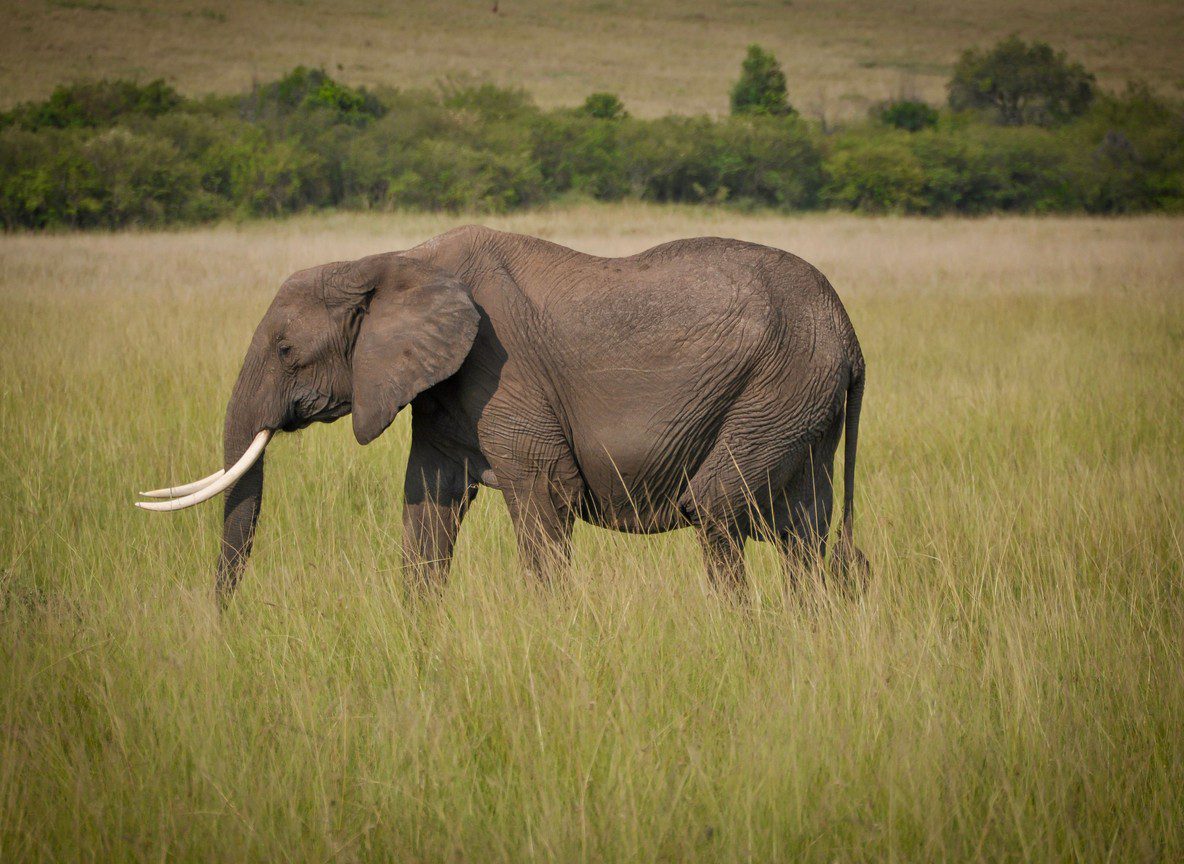
Mara North Conservancy has a mixed landscape of riverine forest, open grassland, and acacia woodland. The terrain supports a wide range of wildlife year-round, including lion, leopard, elephant, buffalo, cheetah, and the full range of smaller predators and plains game.
The conservancy’s geographic position means it receives wildlife movement from the national reserve and the wider ecosystem. During the Great Migration, wildebeest and zebra columns pass through the conservancy on their way into Kenya from Tanzania, and the Mara River crossings are accessible from camps in this zone within a short drive.
Seasonal Considerations
The Mara ecosystem changes significantly by season. Key patterns to understand:
July to October: Peak migration season. Wildebeest numbers in the ecosystem are highest. River crossings happen multiple times per week at active crossing points. This is also the dry season, grass is short, and visibility for predator activity is excellent. Camp prices and booking demand are at their highest.
November to February: Post-migration and short dry season. Resident wildlife remains high. Fewer visitor vehicles. Some operators drop their prices. Green season light produces exceptional photographic conditions.
March to June: Long rains. Grass grows tall and road conditions can become challenging. Wildlife density is not lower, but sightings require more patience. Fewer crowds. Some camps close for maintenance in April and May.
What Makes a Guide the Deciding Factor
Even with excellent camp placement, the quality of your specific guide determines most of what you actually see. A skilled guide knows the conservancy terrain, tracks individual animal behavior across days, uses radio networks to find active sightings, and reads the landscape rather than just driving circuits.
When comparing camps, ask about guide experience and whether guides are employed by the camp directly or contracted from a pool. The difference in wildlife-sighting quality between an experienced conservancy guide and a newer driver can be significant.
How Richard’s River Camp Compares to Other Maasai Mara Options
The Mara has a wide range of accommodation styles across the national reserve, the Mara Triangle, and several private conservancies. When comparing Richard’s River Camp to other options, the relevant factors are:
| Factor | What to Compare |
|---|---|
| Location | National reserve vs. conservancy: vehicle limits, night drives, gate access |
| Camp size | Number of tents: smaller camps mean less noise, more personalized guiding |
| Inclusions | Park fees, conservancy fees, game drives, meals, transfers |
| Wildlife zone access | Can the camp access both the conservancy and the reserve? |
| Price structure | Per-person per-night all-inclusive vs. itemized packages |
For a broader comparison of Maasai Mara accommodation options, the Trunktrails Safaris camp comparison guide covers properties across multiple zones with notes on what each location delivers in practice.
The Maasai Mara National Reserve planning guide is useful for understanding the reserve structure, zone differences, and what the main park entry process looks like if your itinerary includes time inside the national reserve.
Practical Planning Notes
Transfers and Getting There
Mara North Conservancy is reachable by road from Nairobi in approximately five to six hours via Narok, or by air to the Ol Kiombo or Mara North airstrips on scheduled services from Wilson Airport. Flight time is under an hour. Camp transfers from the airstrip are typically included and take 20 to 40 minutes depending on traffic conditions inside the conservancy.
If you are combining Richard’s River Camp with other Kenya destinations, factor in the domestic flight schedule. Safarilink and AirKenya operate multiple daily departures from Wilson Airport to Mara-area airstrips, but seat availability on popular dates fills early.
What a Typical Package Covers
Conservancy camp packages are usually all-inclusive. A standard package at a property like Richard’s River Camp is likely to cover:
- Accommodation and all meals
- Morning and afternoon game drives with a guide
- Conservancy fees (the daily fee charged by the conservancy for wildlife access)
- Park fees if drives extend into the national reserve
- Bush breakfasts and evening bush dinners on request
What is typically excluded: domestic or international flights, items from the camp bar, tips for guides and camp staff, and special activities if charged separately. Confirm the exclusions list before you book so your total cost is clear.
Explorer Notes: Questions Worth Asking
Before confirming Richard’s River Camp as your Mara base, get direct answers to these from the property or agent:
- Which wildlife zones does the camp’s standard game drive access? (Conservancy only, or reserve as well?)
- Are night drives available, and are they included or charged separately?
- What is the camp’s current vehicle-to-guide ratio per drive?
- Is the camp solar-powered only, or is there generator backup?
- What happens if road conditions deteriorate in the rainy season? Is there a fly-in option?
Conclusion
Richard’s River Camp offers access to the Mara North Conservancy zone, which has real advantages for travelers who value wildlife quality, fewer vehicles, and a quieter camp atmosphere over resort-style amenities. The conservancy position means direct game-drive access from camp, the possibility of night drives, and wildlife movement that is less disrupted than in the high-traffic zones of the national reserve.
Whether it is the right fit depends on your travel dates, group composition, comfort expectations, and whether the conservancy experience aligns with what you want from a Mara trip.
Related Reading
- Best Camps and Lodges in the Maasai Mara
- Maasai Mara National Reserve Guide
- How to Plan a Kenya Safari on Different Budgets
- Mara North Conservancy: What to Expect
- Maasai Mara vs. Private Conservancy: Which Zone Should You Choose?
Prefer a different route, budget, or travel style? This plan can be adapted to fit.
Customise Your Trip