Porini Mara Camp is located in Ol Kinyei Conservancy, a private conservancy in the southeastern corner of the Mara ecosystem. For travellers comparing accommodation options in the wider Maasai Mara area, the conservancy location is the defining factor: it shapes what wildlife activities are available, how busy the drives feel, and what kind of overall experience you can expect.
This guide explains the Ol Kinyei setting, what Porini Mara Camp delivers in practice, and how to decide whether it matches your travel priorities.
Ol Kinyei Conservancy: Understanding the Location
Ol Kinyei is one of the smaller conservancies in the Mara ecosystem and operates on a low-density model. The conservancy limits the number of camps and guests to reduce pressure on the land and wildlife. This is not just a conservation policy: it directly affects the on-the-ground experience for every visitor.
In practical terms, low density means:
- Fewer vehicles at any given sighting
- A more spacious, quieter feel compared to high-traffic areas of the reserve
- More responsive game driving, with guides able to slow down, stop, and track animals without competing with multiple other vehicles
Ol Kinyei is less well-known than conservancies like Olare Motorogi or Mara North, but that relative obscurity is part of its appeal for travellers who want exclusivity without the top-tier price of the most famous locations.
Official information about the Maasai Mara National Reserve and surrounding conservancies is available from the Kenya Wildlife Service at
What Porini Mara Camp Offers
The Porini brand operates a group of small bush camps across Kenya. The model is consistent: low guest numbers, knowledgeable guides, simple but functional accommodation, and a focus on wildlife over amenities.
Accommodation
Porini Mara Camp runs a small number of tented units. The tents are designed for comfort in the bush environment rather than luxury. Expect:
- Proper beds with bedding suited to Mara temperature variations
- En-suite or close-access bathroom with hot water
- Power for charging devices during specified windows
- Basic furnishings that prioritise practicality
This is not a camp with a spa, a plunge pool, or an elaborate interior. Travellers who want those things should look at the higher end of the Mara market. Travellers who want clean, comfortable accommodation and long game drives in a quiet conservancy will find the Porini setup works well.
Daily Schedule
Camp life follows wildlife timing. Pre-dawn breakfasts, morning drives that run until late morning, a rest period during the hottest midday hours, and afternoon drives that extend into the golden hour and beyond for night drives. The structure repeats with variations across a multi-day stay and rarely becomes monotonous in an active conservancy.
Meals
Meals are straightforward and filling. The camp kitchen manages the logistics of early departures and field lunches efficiently. Guests with dietary requirements should communicate these in advance, as small bush camps have limited capacity to accommodate last-minute requests.
Wildlife in Ol Kinyei Conservancy
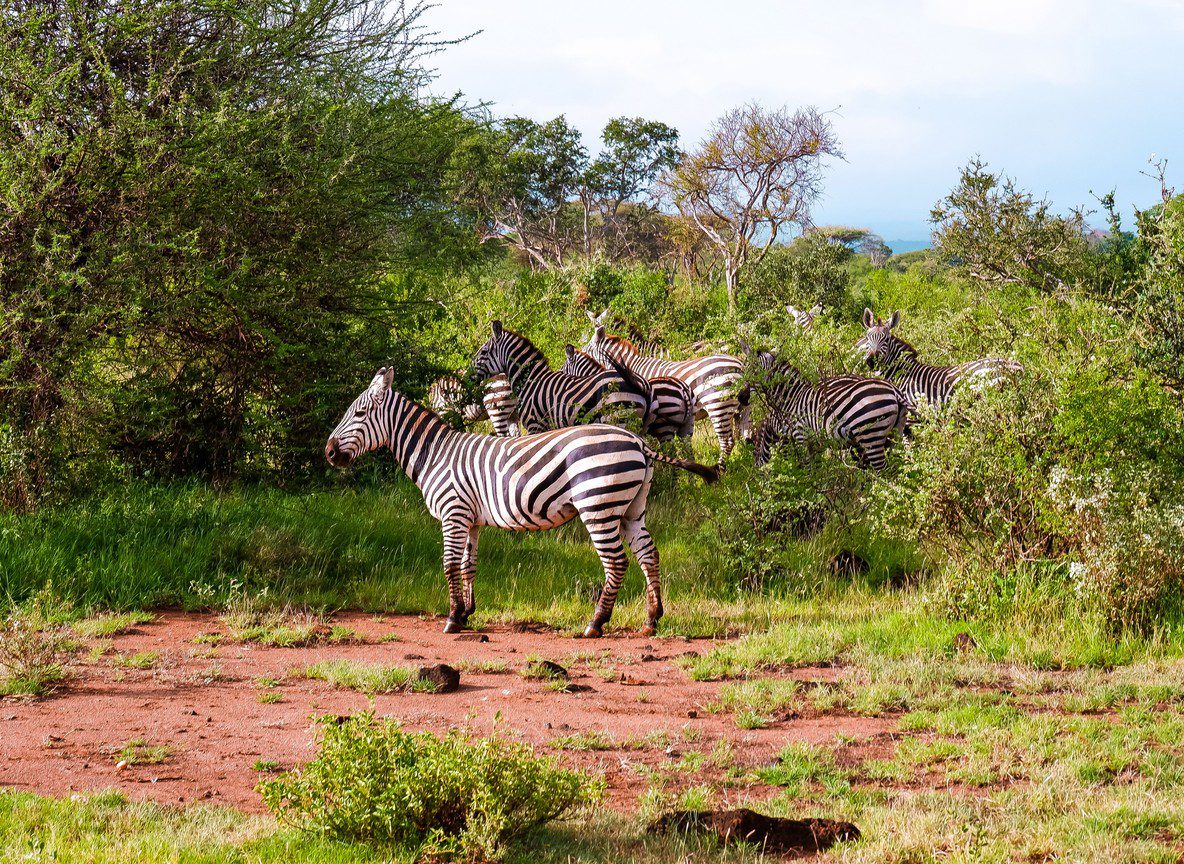
Ol Kinyei’s position in the southern Mara ecosystem gives it access to the broader Mara-Serengeti wildlife population. The resident game includes the species you expect in the Mara: lions, leopards, cheetah, elephant, buffalo, giraffe, zebra, wildebeest outside migration months, hyenas, jackals, and a wide range of antelope.
Big Cats
The conservancy’s small size and low visitor numbers make it a reasonable location for sustained big-cat sightings. When a pride of lions or a leopard is located, the absence of competing vehicles means guides can position properly, wait for movement, and give guests time to observe and photograph without rushing.
This is a real distinction. In busier areas of the Mara, a good predator sighting can quickly deteriorate into a crowd. In Ol Kinyei, the experience is likely to be calmer and longer.
The Migration
The wildebeest migration does not centre on Ol Kinyei in the same way it does on the Mara River crossing points further north. However, herds move through the wider ecosystem during July to October, and the conservancy does receive migration-related wildlife activity. For travellers whose primary goal is witnessing river crossings, a camp closer to the Mara River may be a better strategic fit. For those who want excellent resident wildlife and a quieter atmosphere during migration season, Ol Kinyei remains strong.
Activity Options
As a private conservancy, Ol Kinyei permits activities not allowed in the national reserve:
- Night drives: access to nocturnal species and behaviours
- Off-road tracking: the ability to follow an animal into terrain where standard roads do not go
- Walking safaris in some conditions: a fundamentally different perspective on the same landscape
These activities are what most distinguish a conservancy stay from a standard national reserve safari. If any of them matter to you, they are worth factoring heavily into your accommodation decision.
Who Suits Porini Mara Camp
This camp works best for:
- Wildlife-first travellers who want long, undisturbed time with animals over in-camp amenities
- Photographers who benefit from small groups, off-road access, and unhurried viewing conditions
- Couples looking for a genuinely quiet, personal bush experience
- Travellers who have already done busier areas of the Mara and want a different character of experience
- Budget-conscious travellers seeking conservancy exclusivity without the most expensive camps in the ecosystem
It is less suited to:
- Travellers with a migration crossing as their single non-negotiable goal (consider camps closer to the Mara River)
- Guests who want high-end facilities and polished interiors
- Large groups needing multiple rooms in close proximity
How Porini Mara Camp Compares
When comparing Porini Mara Camp against other Mara options, the comparison framework that matters most covers these variables:
| Variable | What to Look For |
|---|
| Conservancy vs reserve | Conservancy gives more activity flexibility; reserve gives access to migration crossing points |
|---|
| Camp size | Smaller means fewer fellow guests and more personal drives |
|---|
| Activity permissions | Night drives and off-road tracking vary by property and location |
|---|
| Rate inclusions | What is covered: conservancy fees, meals, drives, transfers |
|---|
| Guide quality | The single most important driver of daily wildlife success |
|---|
For a broader comparison of camps and lodges across the ecosystem, trunktrailssafaris.com publishes regularly updated accommodation guides.
Practical Planning Details
Getting There
Ol Kinyei is accessible by road from Nairobi, typically a four to five hour drive via the Narok route, and by scheduled bush flights to nearby airstrips. For most travellers visiting as part of a multi-destination Kenya itinerary, the bush flight option is more time-efficient.
Season and Availability
Peak-season availability in all Mara conservancy camps is limited. Porini Mara Camp has a small number of tents and fills quickly during July to October. Booking three to six months in advance for this window is prudent.
Outside peak season, availability is easier and rates are generally lower. Resident wildlife quality remains strong.
What to Confirm Before Booking
- Full rate inclusions (conservancy fees, game drives, meals, transfers)
- Night drive availability and policy
- Tent configuration and bed types
- Transfer logistics from Nairobi or Narok airstrip
- Cancellation terms for weather-related delays
Explorer Notes
Context worth having before you visit Ol Kinyei:
- The conservancy model in the Mara depends on revenue from tourism camps to fund community programmes and land conservation. Staying in a conservancy camp like Porini Mara is a more direct contribution to the local landowner community than staying in many national reserve lodges.
- Ol Kinyei is a Maasai community conservancy. Some camps in the area offer cultural visits or interactions with the community as part of the programme. This is worth asking about before arrival if it interests you.
- The conservancy’s southern position in the Mara ecosystem means it can receive wildlife from the Serengeti migration as herds move northward, but it is further from the primary Mara River crossing zones than camps positioned along the river.
Conclusion
Porini Mara Camp in Ol Kinyei Conservancy is a genuine bush option in a quieter part of the Mara ecosystem. The conservancy setting, small camp size, and activity permissions combine to produce a different quality of game driving than is available in the main national reserve. Wildlife quality is strong across the year, and the resident predator population gives the camp consistent value outside migration season.
For travellers who want less vehicle noise, more guide responsiveness, and the freedom of conservancy driving, Ol Kinyei is worth a serious look.
Related Reading
For more on choosing between conservancy and national reserve camps in the Mara, see our guide on Maasai Mara conservancy versus national reserve. For the full range of Mara accommodation options and seasonal planning, trunktrailssafaris.com has detailed destination coverage.
Turn this reading into a real itinerary with help from a Kenya-based safari team.
Start Planning Your Safari