Porini Lion Camp sits in Olare Motorogi Conservancy, one of the private conservancies that border the Maasai Mara National Reserve on its northeastern edge. For travellers deciding where to base themselves in the Mara ecosystem, understanding what this location means in practice, for wildlife access, drive options, and overall experience, matters more than any headline review score.
This guide covers what to expect from Porini Lion Camp, how the conservancy setting shapes your safari, and the questions worth asking before you commit.
Location: What Olare Motorogi Conservancy Means in Practice
Location is the single most important factor in safari satisfaction, and Olare Motorogi is a location with genuine advantages.
As a private conservancy adjoining the national reserve, Olare Motorogi offers:
- Access to wildlife that moves freely between conservancy and reserve land
- Lower vehicle numbers than the reserve itself, particularly outside peak migration season
- Permission to conduct activities not allowed in the national reserve, including night drives and off-road tracking in some conditions
- A more exclusive atmosphere than busier areas of the Mara
For travellers who want strong wildlife access without the high vehicle concentrations of the main reserve during peak season, a conservancy-based camp like Porini Lion Camp offers a genuinely different quality of experience.
Official information about the Maasai Mara National Reserve, including park regulations and seasonal access, is available from the Kenya Wildlife Service at
What to Expect from Porini Lion Camp
Porini Lion Camp operates in the budget-to-mid-range conservancy segment rather than the ultra-luxury end of the Mara market. That positioning matters because it shapes what the camp delivers and who it suits best.
Accommodation
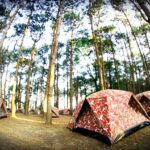
The camp runs a small number of tents, which keeps guest numbers low and the atmosphere intimate. Most Porini properties are designed around simplicity and functionality rather than elaborate design or high-end finishes. Comfort is practical: proper beds, working showers with hot water on schedule, and the basic amenities that make a multi-night stay comfortable without unnecessary excess.
Before confirming a booking, check:
- Bed configuration available for your group
- Bathroom setup and whether en-suite or shared
- Power availability for charging equipment
- Whether the tent count suits your preferred level of intimacy
Meals and Daily Rhythm
Camp dining in the Mara follows the game-drive clock. Breakfast is early enough for a pre-dawn departure. Lunch is either at camp or packed into the field for a full-day drive. Dinner is served after the afternoon drive and sundowner.
Porini camps generally emphasise the bush experience over elaborate food. Meals are satisfying and well-suited to the energy demands of a full drive day, but guests looking for gourmet dining should set expectations accordingly.
Service and Atmosphere
The Porini model is built around small camps, highly knowledgeable guides, and a focus on wildlife rather than luxury amenities. Travellers who respond well to this approach, who want deep bush knowledge from their guide and a low-key camp atmosphere, tend to rate the experience very positively. Travellers who prioritise spa facilities, polished interiors, and a hotel-style experience may be better suited to other Mara properties.
Wildlife Access from Olare Motorogi
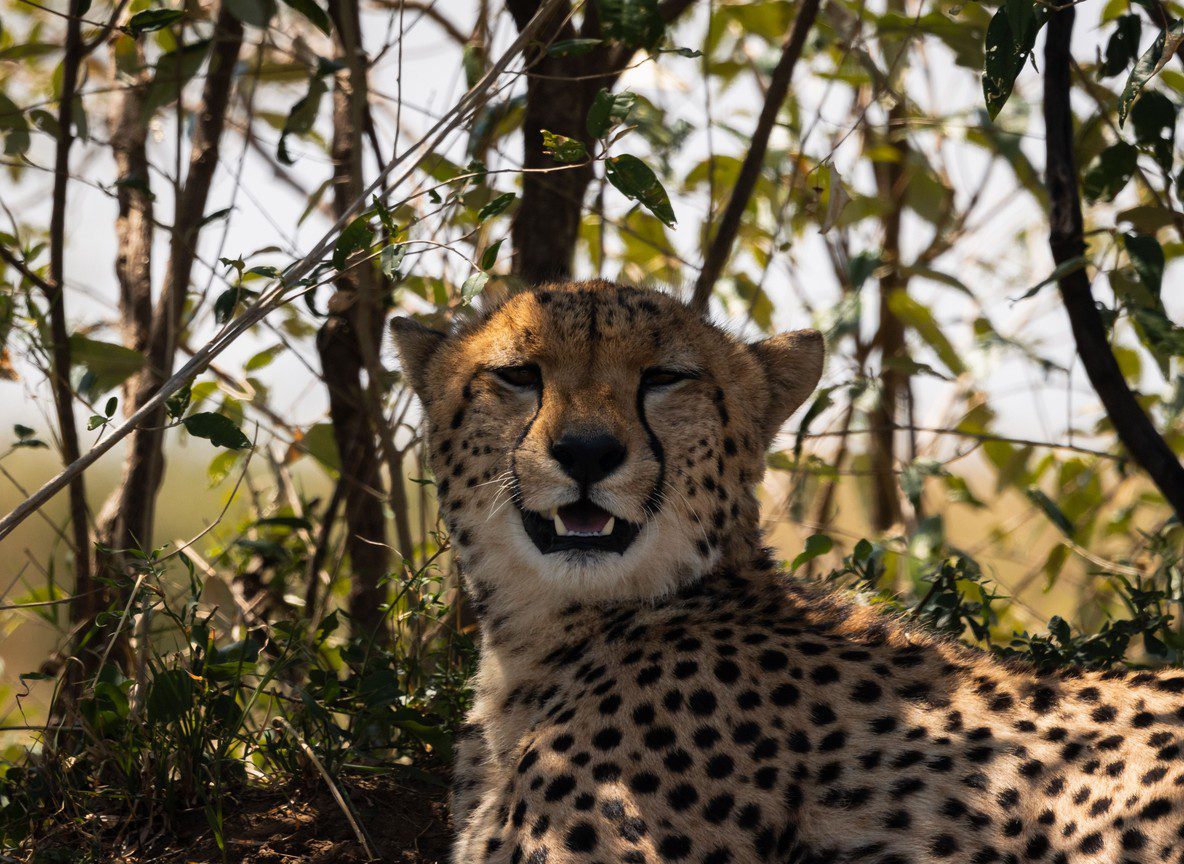
The Olare Motorogi Conservancy sits in a prime position for big-cat activity. The conservancy has historically had strong lion and leopard sightings, which is relevant context for the camp name. Cheetah are also recorded in the area.
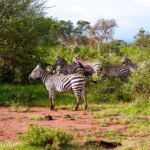
Wildebeest migration routes cross through the ecosystem seasonally, and even outside migration, resident wildlife in Olare Motorogi includes elephant, buffalo, zebra, giraffe, hyena, and a wide range of smaller species.
What Conservancy Driving Adds
In the national reserve, driving is restricted to marked roads and daylight hours. In conservancies like Olare Motorogi, the rules are more flexible. Guides can take vehicles off-road to track a specific animal, and night drives are possible in appropriate conditions. For travellers who want the most active and responsive game-drive experience, this is a meaningful difference.
Night drives open up species and behaviours that are simply not accessible during daylight: smaller predators, nocturnal mammals, and the very different atmosphere of the Mara after dark.
Migration Timing
The wildebeest migration passes through the wider Mara ecosystem between approximately July and October, with the exact timing varying by year. During peak migration, demand for all Mara camps increases sharply and prices rise accordingly. Conservancy camps like Porini Lion Camp can still offer strong migration viewing, particularly when herds are moving through the eastern Mara corridor.
Outside migration, the resident wildlife population in Olare Motorogi is substantial enough to support a rewarding visit in any month.
How Porini Lion Camp Compares to Other Options
When evaluating any Maasai Mara camp, it helps to think through the full comparison rather than just headline price or brand name.
Key variables to weigh:
- Location relative to target wildlife zones: Olare Motorogi’s position gives strong big-cat access and conservancy exclusivity. Different conservancies emphasise different experiences.
- Activity options: The conservancy model (night drives, off-road tracking) versus the national reserve model (roads only, daylight only). Porini Lion Camp offers the former.
- Camp size and atmosphere: Small camps feel different from large lodges. Porini’s small tent count produces a more private atmosphere.
- Price bracket: Porini Lion Camp is positioned below the ultra-luxury ceiling of Maasai Mara accommodation, making it accessible to a wider range of budgets while still delivering a genuine conservancy experience.
- Inclusions: What the quoted rate covers, specifically whether game drives, park or conservancy fees, and meals are included, varies significantly between camps. Confirm the full package before comparing prices.
For a broader look at camp options across the Mara ecosystem, trunktrailssafaris.com maintains a current comparison guide.
Who Suits Porini Lion Camp
The camp is a strong fit for:
- Travellers who prioritise wildlife knowledge and guide quality over room luxury
- Couples who want an intimate, low-key bush experience
- Wildlife photographers who benefit from off-road capability and night drives
- Travellers who want conservancy exclusivity without the top-end price of the most expensive Mara properties
- Solo travellers or small groups comfortable with a simple camp format
It is less suited to:
- Travellers who expect high-end interior design and spa-level amenities
- Large groups needing significant room quantity
- Families with very young children who may not manage the camp’s more rustic format
Seasonal Considerations
Maasai Mara climate and pricing change through the year. Broad patterns to be aware of:
- July to October: Peak season, migration, highest prices, best availability for crossing sightings if you are positioned correctly
- January to March: Green season, excellent resident predator action, lower prices, fewer visitors
- November to December and April to June: Long and short rains, quieter camps, value rates, but some roads and access tracks can be challenging
Olare Motorogi’s wildlife does not disappear outside migration. Resident lion prides, leopards, and other species are present year-round, and some guides argue that non-migration months produce better overall predator viewing because vehicles are fewer and animals less disturbed.
Planning Notes and Practical Questions
Before finalising a booking at Porini Lion Camp, the following questions are worth addressing:
- What is included in the rate (meals, conservancy fees, drives, transfers)?
- What is the driving policy in the conservancy (off-road, night drives, walking)?
- What is the transfer route and timing from Nairobi or the nearest airstrip?
- What is the camp’s cancellation and rebooking policy for weather-related disruptions?
- Are any specialist activities (walking safaris, cultural visits) available?
Porini camps are bookable directly and through reputable Kenya-based operators. Comparing packages, not just room rates, is the most reliable way to assess actual value.
Explorer Notes
A few broader points about staying in conservancy camps in the Mara ecosystem:
- Conservancy fees are charged separately from national reserve park fees. Most conservancy camps include these in their all-inclusive rates, but confirming this before booking avoids surprises.
- The Porini brand operates several camps across different Kenya ecosystems, including Amboseli and Ol Pejeta. If you are building a multi-destination Kenya itinerary, there may be value in understanding how the camps relate to each other across different properties.
- Early-morning light in the Mara is exceptional. Camps that allow very early departures, before official park opening in some cases, give guests a genuine advantage for photography and for finding predators before they settle into shade.
Conclusion
Porini Lion Camp in Olare Motorogi Conservancy offers a genuine bush experience in a prime Maasai Mara location, with conservancy driving privileges that the national reserve does not allow. The camp’s positioning in the budget-to-mid-range bracket makes it accessible without sacrificing wildlife quality or guide expertise.
Travellers who care most about what happens on the game drive, rather than what is in the tent, will find the Porini model works well. Those who want the Mara’s best wildlife access without the most expensive camps in the ecosystem have a real case for putting Olare Motorogi on their shortlist.
Related Reading
For more on choosing where to stay in the Mara ecosystem, see the Maasai Mara camp comparison guide and our article on conservancy versus national reserve camps. For Kenya-wide safari planning and camp comparison tools, trunktrailssafaris.com has detailed destination guides.
Prefer a different route, budget, or travel style? This plan can be adapted to fit.
Customise Your Trip