At five in the morning in Selenkay, the elephants are already moving. You hear them before you see them – a low rumble through the ground, the soft percussion of footfalls on dry earth, the occasional branch crack as a matriarch tests a tree. By the time your guide brings tea to the tent, the herd has crossed the conservancy’s western boundary and is heading for the Amboseli swamps as the sky turns from grey to pink to amber.
This is what Porini Amboseli Camp is built around – not the national park experience with its gate queues and vehicle columns, but the conservancy experience, where you are inside the wildlife’s actual daily movement patterns with a fraction of the vehicle pressure.
What Is Selenkay Conservancy?
Selenkay Conservancy covers approximately 15,000 acres of private Maasai land immediately northeast of Amboseli National Park. It was established in partnership between Gamewatchers Safaris (operating under the Porini brand) and the local Maasai landowners to create a model where conservation pays for itself through direct revenue sharing.
The structure is straightforward: the Maasai communities who own this land receive income from lodge revenues and conservation fees. In return, they maintain the land as wildlife habitat and employ anti-poaching rangers from within the community. The result is a conservancy functioning as a low-pressure wildlife corridor between Amboseli National Park and the Chyulu Hills.
Why this matters for what you experience as a guest:
- Vehicle limits are strictly enforced – Porini Amboseli is the only camp in Selenkay
- Off-road driving is permitted on guided game drives
- Night game drives are available (prohibited inside the national park)
- Walking safaris with armed Maasai guides are part of the standard programme
- Elephant herds move through the conservancy freely on their established corridors
For travelers who have experienced lodge safaris in national parks and found the vehicle density frustrating, a conservancy property like Porini Amboseli delivers a categorically different experience.
The Camp
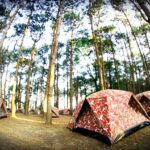
Porini Amboseli Camp is intentionally intimate: eight tents, a maximum of sixteen guests. The tents are comfortable without being opulent – properly built with good beds, hot outdoor showers, and screened windows. The camp is unfenced, which means wildlife moves through at any hour.
Camp features:
- Eight standing tents with twin or double bed configuration, solar lighting, and en-suite outdoor shower
- Central dining and lounge area open on three sides; meals are communal
- Bush breakfast option – weather and wildlife permitting, your guide will set up breakfast in the field
- Campfire area where the evening debrief happens naturally, between dinner and the sounds of the conservancy after dark
The camp operates on full board (all meals included) plus game drives. With a maximum of eight guest tents active at any time, the guide-to-guest ratio stays genuinely high. If you want to stay in the field until the last light, you stay. If you want to return early for a rest, you return early. The schedule accommodates the guests rather than the reverse.
Rates: Approximately $600 to $750 per person per night, full board including game drives and conservancy fees. Green season (April to May) rates are lower.
Wildlife in Selenkay
Selenkay’s wildlife reflects its position as a corridor between the Amboseli ecosystem and the Chyulu Hills.
Elephants are the headline. Amboseli is home to approximately 1,600 elephants and hosts one of the most studied elephant populations in the world – the Amboseli Elephant Research Project has been running since 1972. The herds moving through Selenkay include some of the most recognizable individuals from the research database. With guide familiarity with individual animals, elephant encounters here can be extraordinary in their specificity.
Lions in Amboseli are among Kenya’s most habituated. Selenkay’s lions move between the conservancy and the national park. Night drives significantly increase lion encounter rates.
Cheetah are less predictable than in the Masai Mara but resident in the Amboseli ecosystem. The open Selenkay plains are productive hunting terrain.
Other species in regular sightings:
- Buffalo herds (often 100+ animals in dry season)
- Maasai giraffe
- Plains zebra
- Wildebeest (resident population, distinct from the northern migratory herds)
- Spotted hyena (clans active around wetland edges)
- Black-backed and common jackal
- Extensive bird life: superb starling, secretary bird, martial eagle, ground hornbill
| Activity | Available | Notes |
|---|---|---|
| Morning game drive | Yes | First light departure; 3 to 4 hours |
| Evening game drive | Yes | Late afternoon; sundowner included |
| Night game drive | Yes | Selenkay permit; not available inside national park |
| Walking safari | Yes | Armed Maasai guide; 2 to 3 hours |
| National park drive | Yes | Porini guides access both conservancy and park |
| Bush breakfast | Yes | Weather and wildlife permitting |
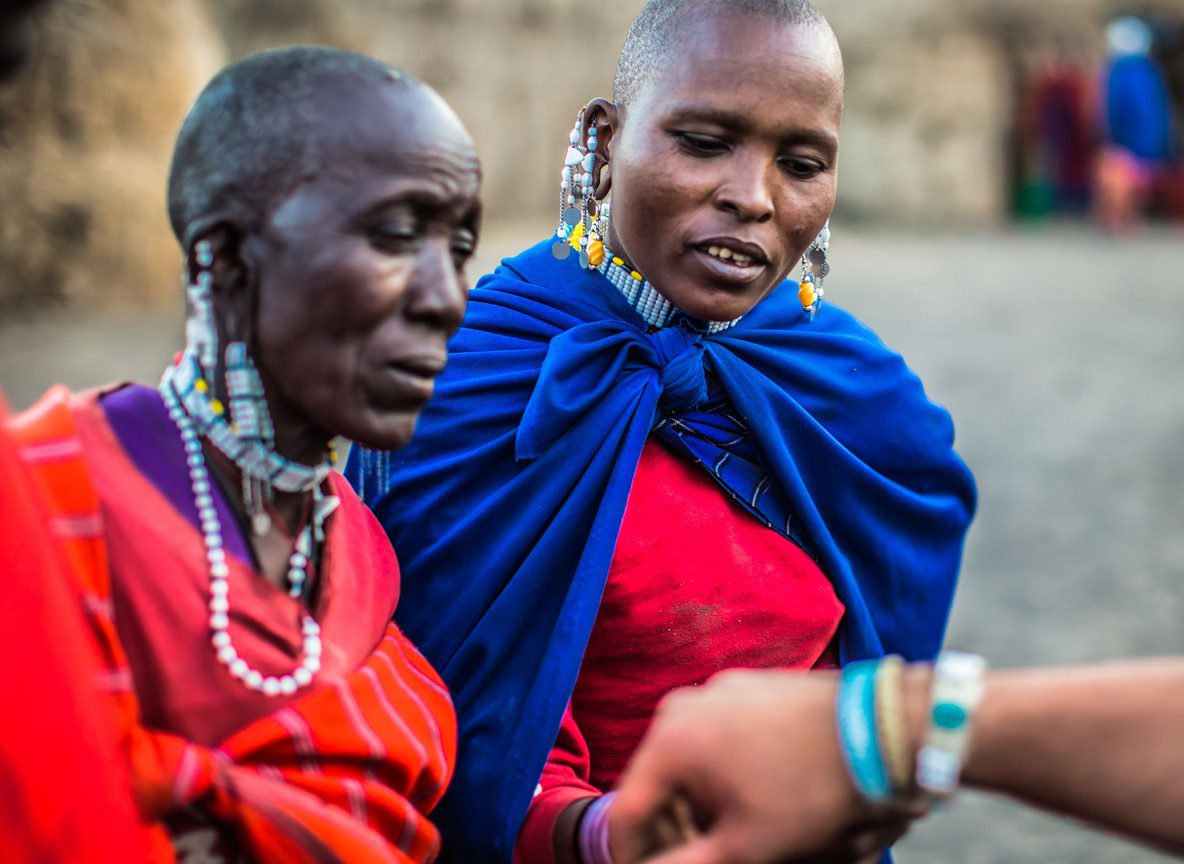
| Maasai village visit | Yes | Community visit arranged through camp |
The village visit often extends to the local school on request, arranged the same way through the camp. It is a direct look at where conservancy income actually lands: the community’s earnings from Porini Amboseli and Selenkay have funded both a school and a local water supply, one of the more tangible answers to how tourism dollars translate into everyday infrastructure here.
The Pacing Structure: Why This Camp Works for Certain Travelers
Porini Amboseli’s format is well-suited to travelers who want full engagement without physical exhaustion:
Unhurried mornings. The camp does not start with a 5 AM klaxon. Tea comes to the tent. The first game drive departs when you are ready, typically around 6 to 6:30 AM.
Midday rest is built in. The heat in Amboseli between noon and 2 PM is significant. The camp structure accommodates this naturally. Comfortable shaded seating, a quiet tent, and a proper midday break are part of how the day is designed.
Accessible terrain. The camp is flat. Tents are at ground level. Vehicles are standard Land Cruiser configuration with step boards. Guests with limited mobility can participate fully in the game drive programme.
Small group intimacy. With a maximum of sixteen guests, there is no shuffling, no waiting, no large-group dynamics. If you and a companion want a private vehicle for a drive, it is usually possible to arrange.
Professional guiding. Porini’s guides are trained through the Kenya Professional Safari Guides Association with multi-year knowledge of Selenkay and the broader Amboseli ecosystem. The information density on a Porini game drive is significantly above what is typical at national park lodges.
Porini Amboseli Compared to Other Amboseli Options
| Camp | Location | Vehicle limits | Night drives | Walking | Approx. per person per night |
|---|---|---|---|---|---|
| Porini Amboseli Camp | Selenkay Conservancy | 1 camp only | Yes | Yes | $600 to $750 |
| Tortilis Camp | Park boundary | Shared access | Limited | Yes | $800 to $950 |
| ol Donyo Lodge | Chyulu Hills edge | Private concession | Yes | Yes | $1,200+ |
| Amboseli Serena Lodge | Inside national park | No vehicle limits | No | No | $450 to $600 |
| Satao Elerai | Outside park | Small | Limited | No | $550 to $700 |
The central trade-off in Amboseli is clear from this comparison: properties inside the national park have uncontrolled vehicle access but no night drives or walking safaris. Conservancy properties give you the additional activities at a modest premium. For guests whose primary interest is the depth of the wildlife experience rather than the headline nightly rate, the conservancy tier consistently justifies the difference.
Getting to Porini Amboseli Camp
By road from Nairobi: Approximately 4.5 hours via the Namanga or Emali route. The road to Selenkay is accessible by 2WD in dry conditions; 4WD is recommended after rain. Most road-transfer guests combine the drive with an arrival-night Nairobi stopover.
By air: Charter flights from Nairobi’s Wilson Airport to Amboseli’s Oltukai Airstrip take approximately 50 minutes. Porini Amboseli collects from the airstrip.
The fly-in option is strongly recommended for guests with limited time or who want to reduce road transfer fatigue. The airstrip collection drive through the conservancy is itself a wildlife introduction.
What to Know Before You Book
Selenkay Conservancy is a low-footprint operation by design. The camp has limited dates available at any given time, particularly during the July to October dry season when elephant sightings and clear Kilimanjaro views align. The April to May green season offers a different version of the same experience – fewer guests, lower rates, dramatic photographic light – that is underappreciated by travelers focused on dry-season peak dates.
Questions worth asking during the planning stage:
- Which tents are currently positioned closest to active elephant movement corridors?
- Is there an active research team in residence during your dates?
- What is the current Kilimanjaro visibility record? (The mountain is cloud-covered more mornings than many expect in shoulder season)
- What is the walking safari distance and difficulty level?
What to Read Next
- Amboseli National Park guide: wildlife, timing, and how to plan your visit
- Selenkay Conservancy vs Amboseli National Park: which experience is right for you
- Amboseli camps compared: conservancy vs park lodge
The elephants in Selenkay move through the conservancy on their own schedule, on their own routes. Porini Amboseli Camp exists to place guests quietly inside that movement without disrupting it. That is a specific kind of safari experience, and for the right traveler it is one of the most compelling in Kenya.
If this guide has you ready to travel, a safari specialist can handle the route, camps, and logistics end to end.
Want to Book a Tour With Us?Further reading
More safari planning resources
- Map of Amboseli from Valley Safaris
- Amboseli destination guide on FindMySafari
- Nairobi to Maasai Mara route guide from Valley Safaris
- Kenya national parks map from Valley Safaris
Related guides: Amboseli Swamp Wildlife vs Open Plains Wildlife: Which Habitat Should You Prioritise?.