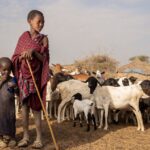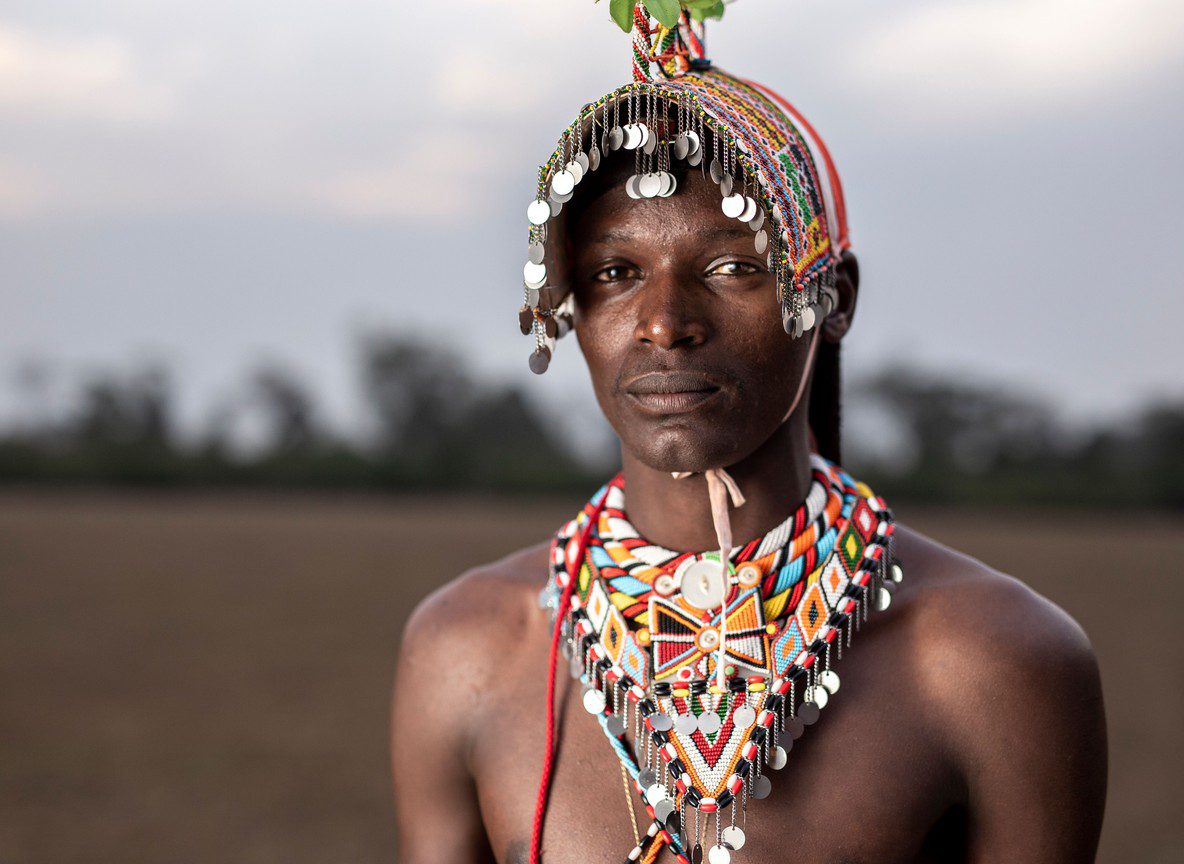
Ololaimutiek Village sits on the southern edge of the Masai Mara Game Reserve, and camps in this area have a particular character: they are close to active pastoral communities, positioned for a specific zone of the reserve’s game-viewing territory, and oriented toward a price point that values wildlife access over room luxury. Orng’atuny Mara King Camp is one of the properties in this cluster worth examining before booking.
This guide covers what the location means for your safari, what the camp offers, and how to decide whether this is the right fit for your travel style and budget.
Location: Ololaimutiek Village and the Southern Mara
The southern approaches to the Masai Mara National Reserve carry a distinct landscape character. The terrain transitions from the surrounding pastoral land through acacia scrub before opening into the reserve’s grassland ecosystem. Ololaimutiek Village is near the Sekenani Gate approach corridor, which gives camps in this area access to the southern and central reserve plains.
This part of the Mara holds resident lion populations, elephant herds that move across the southern border areas seasonally, and the consistent plains game — zebra, wildebeest, giraffe, buffalo — that constitutes the daily wildlife background of any Mara safari.
For the Great Migration specifically, the southern entry point means the wildebeest columns are visible through much of the migration season as they push north. Guests in this area during July to October will encounter the main migration body without necessarily reaching the Mara River crossings in the northwest, which require a longer drive from the southern camps.
The Kenya Wildlife Service provides current Maasai Mara National Reserve information including gate access and conservation fees.
Camp Profile: What Orng’atuny Mara King Camp Offers
The name “Mara King Camp” signals an ambition toward a certain level of experience at the budget-to-mid-range price point. Practically, camps in this tier at Ololaimutiek are built for function over decor: the tent is comfortable, the meals are organized around drive timing, and the guide and vehicle are the primary tools for delivering safari value.
What this property is suited for:
- Travelers whose primary goal is time in the reserve, where the accommodation is a base rather than a destination
- Solo travelers or couples where per-person cost is a constraint but a genuine Mara experience is the goal
- First-time safari visitors who want to experience the reserve without paying luxury tier rates
- Groups traveling in multiple vehicles where accommodation cost is one of several major line items
Where expectations should be calibrated:
- This is not a high-end tented camp. The room design and amenities are functional rather than premium.
- The camp’s community location near Ololaimutiek Village adds local character but also places it outside the reserve boundary, meaning park fees and daily game drive logistics are a routine part of the structure.
- Wildlife viewing happens on game drives, not from the tent. The camp itself is not inside a conservancy where animals move through freely at night.
Accommodation and Facilities
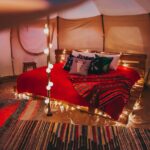
Safari camps at this level structure the guest experience around the game drive schedule, not the room. Tent quality, meal timing, and operational reliability matter more than decor.
Before confirming a booking, these are the practical questions to resolve:
- Bed configuration: twin or double, and whether family or triple options are available for groups
- Bathroom: en-suite or shared; hot water availability (solar or campfire-heated with set availability windows)
- Power: USB charging access and generator hours — important for camera users managing battery cycles
- Meals: full board standard at most Mara camps; confirm whether lunch is served in camp or as a packed meal for full-day drives
Camp meals typically follow the game drive schedule: pre-drive tea or coffee before 6 AM, late breakfast on return by 9 to 10 AM, lunch in or out of camp depending on the day’s drive plan, then dinner after the evening drive concludes around 7 PM.
Wildlife Access and Game Drive Performance
What the Southern Mara Delivers
The Mara’s wildlife does not concentrate in one location. Different areas of the reserve have different species distributions, and guides who know a particular zone know where specific prides, cheetah territories, and elephant movement routes are concentrated.
From Ololaimutiek, the open southern and central plains are accessible within a short drive. These areas are consistently productive for:
- Lion: Multiple resident prides occupy territories in the southern Mara. The guide network among Mara drivers is the most reliable real-time locating tool.
- Cheetah: The open grassland terrain suits cheetah hunting behaviors. Southern Mara cheetah sightings are consistent across seasons.
- Elephant: Herds move across the southern boundary seasonally. Dry season concentrates them near permanent water sources.
- General plains game: Wildebeest, zebra, buffalo, giraffe, and the attendant predators are dense across this zone throughout the year.
The Morning Drive Priority
The first 90 minutes after sunrise is the most productive game-drive window in the Mara. Predators that were active overnight are either finishing hunts or moving to resting positions. The guide network circulates overnight sighting information by early morning. Getting out of camp by 6 AM positions you to be at a known location — a kill site, a pride resting spot, a cheetah’s scanning termite mound — before the day’s heat settles and activity slows.
From the Ololaimutiek area, productive zones are reachable within 15 to 25 minutes of departure. This is a reasonable commute.
Seasonal Context
July to October (peak migration): The full Mara migration experience from the southern access area means watching the main wildebeest body move through the reserve. River crossings at the Mara River require a longer game drive to reach but are achievable. Rates and occupancy peak across all camps in this period.
November to February (green season): Resident wildlife remains strong. Visitor numbers drop. Rate reductions are meaningful at budget camps. Wildebeest calving in January brings predator concentration back up.
March to May (long rains): Some tracks become challenging after heavy rainfall. Wildlife density stays high. The lowest guest numbers of the year create a genuinely uncrowded experience.
Comparing the Ololaimutiek Area Against Other Mara Zones
| Location | Reserve zone | Drive time to Mara River crossings | Night drives | Best for |
|---|---|---|---|---|
| Ololaimutiek / southern | Central-south | 60 to 90 min | No (main reserve) | Plains game, migration body |
| Talek River area | Central-east | 45 to 70 min | No (main reserve) | River species, central plains |
| Oloolaimutia Gate | Central-east | 50 to 75 min | No (main reserve) | Open plains, migration |
| Olare Motorogi (conservancy) | North-central | 20 to 40 min | Yes | Lions, exclusivity, night drives |
| Ol Kinyei (conservancy) | East | N/A | Yes | Leopard, night drives |
The conservancy camps to the north and east offer activities (night drives, walking safaris, vehicle exclusivity) that are not available inside the national reserve. The trade-off is a higher nightly rate. For travelers at budget tier, the main reserve camps deliver strong wildlife value; the conservancy premium buys additional activity types and reduced vehicle pressure at sightings.
Practical Planning Notes
Getting there: Road transfer from Nairobi via Narok is typically 5 to 6 hours to the southern gate area. The unpaved stretch after Narok can be rough, particularly after rain. Charter flights to airstrips within the reserve corridor take approximately 45 minutes from Wilson Airport and significantly reduce travel fatigue.
What to pack: Morning drives are cold regardless of season. Layers are essential. Binoculars reward the open-plains environment significantly. Neutral clothing colors reduce disturbance at close wildlife encounters.
Booking lead time: For July to October, early booking (four to six months out) is advisable across all Mara camps including budget tier. Shoulder and green season have more flexibility.
Explorer Notes
Travelers at budget price points who want to stretch their game-drive value should ask specifically about full-day drives with a packed lunch. Staying in the reserve through the midday hours — when it appears quiet but cheetah are sometimes active and the afternoon predator buildup begins around 3 PM — is significantly more productive than returning to camp and going out again. Many camps can arrange this for a small addition to the package cost.
It is also worth asking your guide to explain what they know about current pride and territory locations before the first drive. The best Mara guides carry an accurate mental map of where the resident animals are, updated daily through their guide network. Understanding the logic behind where you are going produces a richer experience than simply observing what appears.
What to Read Next
- Maasai Mara accommodation: budget, mid-range, and conservancy options compared
- First Maasai Mara safari: what to expect and how to plan
- Great Migration timing guide: when and where to see the crossing
Prefer a different route, budget, or travel style? This plan can be adapted to fit.
Customise Your Trip