Proximity to the right gate matters more than most people expect when choosing a Maasai Mara camp. It affects how long you spend moving before you reach active wildlife zones, which areas of the reserve your guide prioritizes, and the route your transfer takes on arrival. Olmoran Tented Camp, positioned near the Oloolaimutia Gate in the Masai Mara Game Reserve, is worth understanding in those terms before you commit.
This guide covers what the camp offers, the gate’s significance for game driving, and who this property suits at its price point.
Why the Oloolaimutia Gate Location Matters
The Maasai Mara National Reserve has several gates, and each connects to a different part of the ecosystem. Oloolaimutia Gate (sometimes spelled Ololaimutia) is one of the main eastern entry points, and camps in this area have direct access to the southern and central plains of the reserve.
This part of the Mara is productive year-round for resident wildlife. The open grasslands here hold lion territories, cheetah hunting ranges, and some of the densest wildebeest and zebra concentrations outside of peak migration. For travelers whose priority is full-day open-plains game driving rather than river-crossing spectacles specifically, the eastern access points serve the reserve’s backbone territory well.
Practical access implications of the Oloolaimutia area:
- Road transfers from Nairobi travel via Narok and typically take 5 to 6 hours
- The gate access puts the central plains within reach quickly from camp
- Charter flights to nearby airstrips are the time-efficient alternative for guests arriving from Nairobi or connecting from other Kenya parks
For official reserve information including conservation fees, gate hours, and seasonal access conditions, the Kenya Wildlife Service maintains an updated resource.
Camp Profile and Who It Suits
Olmoran Tented Camp sits in the budget-to-entry-mid-range tier of Maasai Mara accommodation. This positioning makes it relevant for specific traveler profiles and less suited to others.
Good fit:
- Travelers prioritizing wildlife time over room comfort, where the extra budget goes to additional game drives rather than upgraded bedding
- Solo travelers or couples where cost per person is a meaningful constraint
- Groups where covering multiple parks across a longer itinerary means allocating accommodation spend proportionally
- First-time visitors who want a genuine Mara experience without the full premium of top-tier camps
Less suited for:
- Travelers whose comfort expectations require mid-range or above standards throughout
- Families with young children where bed configuration and facilities need careful matching
- Guests who want conservancy access, night drives, or walking safaris (these typically require properties in the adjacent private conservancies rather than the main reserve)
Accommodation and Daily Camp Rhythm
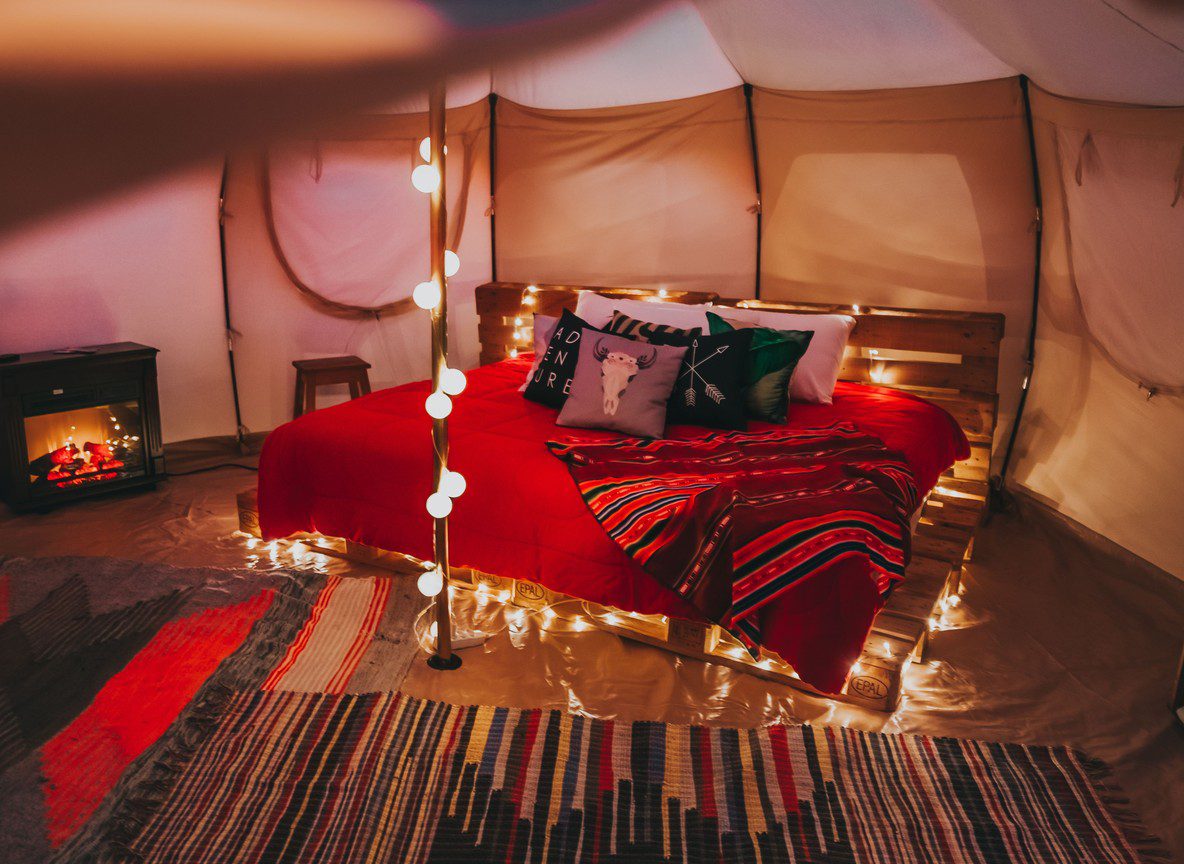
Tented camps at this level in the Mara are built to be functional and clean rather than lavish. The tent itself is a place to sleep and prepare for the next drive. Travelers who approach the Maasai Mara primarily as a wildlife destination — rather than a hospitality experience — tend to find the format works well.
Before booking Olmoran or any camp in this category, confirm:
- Tent configuration: whether twin beds, double, or a mixture; family tents if needed
- Bathroom: most bush camps at this level have en-suite facilities, but hot water may be solar or campfire-heated with set availability windows
- Power: USB charging is usually possible in communal areas; generator hours vary
- Meals: standard safari board (full board at most camps in this reserve zone) times drives to the dawn and afternoon windows
The camp’s schedule should revolve around early mornings. Morning game drives departing by 6 to 6:30 AM capture the most active predator window before the heat builds. Returning to camp by 9 to 10 AM for a late breakfast, then heading out again at 4 PM for the afternoon drive into the golden hour — this is the standard Mara rhythm, and a well-run camp at any price level organizes everything else around it.
Wildlife Access from the Olmoran Area
What the Central-Eastern Mara Offers
The plains accessible through Oloolaimutia Gate are among the core game-viewing areas of the reserve. Resident lion prides occupy territories across this zone. Cheetah are more predictable on the open grasslands here than in the more forested areas of the Mara. Elephant herds cross regularly, and the giraffe, buffalo, zebra, and wildebeest populations are dense.
For the Great Migration specifically, this part of the reserve receives the main body of wildebeest columns during the July to October peak. While the famous Mara River crossings are to the north and west, the movement of hundreds of thousands of animals through the central plains is itself a spectacle worth experiencing.
Morning Drive Strategy
The Mara’s game-drive productivity is heavily weighted toward the first two hours after sunrise. Predators active at night are finishing or abandoning hunts as light builds. The radio network among guides means that a known kill or pride location from overnight will be known to your guide by the time you leave camp. Getting out early matters.
From the Oloolaimutia area, the open central plains are reachable quickly. If your guide has good intelligence on where lions were spotted at dawn, the drive to that area should be under 20 minutes.
Seasonal Planning
July to October: Peak migration season. The plains fill with wildebeest and zebra. Predator activity peaks alongside prey density. Rates are at their highest and camp availability is tight. Book this window well in advance — several months minimum.
November to February: Green season. Resident wildlife remains excellent. Visitor numbers fall. Rate reductions at budget camps can be meaningful. The landscape after the short rains is photogenic and the calving wildebeest in January bring predator activity up again.
March to May: Long rains. Some tracks become impassable after heavy rain. Wildlife density stays high. The lowest rates of the year. Birding quality peaks with the arrival of migrant species.
Comparing Budget-Tier Mara Options
Olmoran Tented Camp competes with several other budget properties near the main reserve gates. When evaluating across this peer group, the useful comparisons are:
| Factor | What to compare |
|---|---|
| Gate position | Which part of the reserve does each camp access most directly? |
| Package inclusions | Are park fees, game drives, and meals included, or priced separately? |
| Camp size | Smaller camps (under 20 guests) typically provide more attentive service |
| Guide continuity | Is the same guide with you across all drives, or do you rotate? |
| Vehicle setup | Pop-top Land Cruisers are the standard; confirm configuration |
The total cost of a three-night stay at a budget camp where park fees, drives, and meals are included can compare favorably to a mid-range camp where some of those components are extra. Read the inclusions carefully before using headline rates for comparison.
Practical Notes for Visitors
Getting there: The main road transfer takes 5 to 6 hours from Nairobi via Narok. The stretch from Narok to the gate is unpaved and can be rough after rain. Charter flights to nearby airstrips (approximately 45 minutes from Wilson Airport) are a significantly more comfortable option if the budget allows.
What to carry: The Mara morning drives are cold. Even in dry season, temperatures before sunrise can drop to 10 to 12 degrees Celsius at altitude. Bring a warm mid-layer regardless of the time of year. Binoculars are worth the bag weight. Neutral clothing colors (no white, no bright red or blue) minimize disturbance at close wildlife encounters.
Booking timing: For the migration window (July to October), confirmed bookings are advisable at least four to six months out. Shoulder and green season travel has more flexibility and last-minute options occasionally appear at reduced rates.
Explorer Notes
Travelers on tighter budgets who want to maximize wildlife time from a budget camp base should think carefully about how they structure their days. The single most effective upgrade at any price level is adding a full-day drive with a packed lunch rather than returning to camp at midday. This keeps you in the reserve through the midday hours when cheetah are sometimes active on the open plains when other predators are resting, and positions you for the late-afternoon transition into the golden hour without the dead transfer time of returning to camp and going out again.
Ask specifically about full-day drive options when confirming your package. Many budget camps can arrange this for a modest additional fee even if it is not in the standard package.
What to Read Next
- How to plan your first Maasai Mara safari: timing, camps, and what to expect
- Budget safari Kenya: what you actually get, and where to spend versus save
- Maasai Mara seasonal guide: migration windows, rain patterns, and monthly breakdown
The Mara delivers strong wildlife at every price point. What changes is the comfort margin and the experience surrounding the game drives — not the game drives themselves.
Every trip described here can be tailored: dates, budget, camps, and pace built around you.
Get a Personalised SafariFurther reading
More safari planning resources
- Nairobi to Maasai Mara route guide from Valley Safaris
- Compare Kenya safari packages on FindMySafari
- Budget safari collection on FindMySafari
- Wildebeest migration route map from Valley Safaris
Related guides: &Beyond Kichwa Tembo Tented Camp: A Guide to This Maasai Mara Private Concession.