Nkorombo Camp is positioned within the Masai Mara National Reserve — one of the camps that sits inside the protected area boundary rather than in a private conservancy adjacent to it. That distinction shapes everything about the game drive experience, the wildlife access, and the logistical framework of a stay here.
What It Means to Stay Inside the Reserve
The Masai Mara National Reserve is managed by the Narok County Government and Kenya Wildlife Service. Camps within the reserve operate under a different set of rules from the private conservancies bordering it:
Inside the reserve:
- Game drives must remain on defined tracks — off-road driving is not permitted
- Night drives are not allowed — all vehicles must exit through gates by dusk
- Vehicle numbers at sightings are not contractually limited
- Morning game drives can begin at first light; afternoon drives continue until park closing time
- Park fees apply: non-resident adult rate was USD 200 per day from July 2026
The advantage of reserve positioning:
- Access to the full reserve road network, including the Mara River corridor and the central plains
- Proximity to the main wildebeest crossing points on the Mara River during July-October
- Established roads that cover significant ground in a single drive
- The main reserve’s wildlife is the same ecosystem as the conservancies — lion, leopard, cheetah, elephant, buffalo, hippo, wildebeest, and over 450 bird species
Camp Location
Nkorombo Camp sits within the Masai Mara National Reserve, positioning it in the heartland of the ecosystem rather than on the private land buffer surrounding it. Reserve camps in this position have direct access to the open plains, the Talek and Mara river systems, and the central game-watching circuits without requiring additional driving to reach the reserve boundary.
The camp name — Nkorombo — derives from the Maa (Maasai) language and connects the property to the landscape and cultural context of the ecosystem.
Camp Style
As a national reserve property, Nkorombo Camp operates in the format typical of established Mara bush camps: canvas tents with wooden platforms and decking, en-suite bathrooms, and an open communal dining and lounge area. The emphasis is on proximity to wildlife and simplicity of experience rather than architectural elaboration.
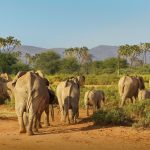
Staying inside the reserve means the wildlife is immediately present — predators, herbivores, and birds move through the camp perimeter on their normal routes. This is the genuine bush experience that reserve camps provide: animals treating the camp as part of their territory rather than a fenced enclosure.
Game Drive Access
Within the reserve: All driving follows defined tracks. The reserve’s road network covers the primary wildlife zones — the Mara River crossing area, the central savannah, the Talek River woodland, and the southern plains. A well-guided morning drive on these tracks can cover the most productive wildlife areas efficiently.
Sighting quality: The on-road restriction means vehicle positioning depends on where the track is relative to the animal. At popular sightings during peak season, multiple vehicles share the same stretch of track, which can affect the intimacy of the experience.
For migration crossings: Reserve camp positioning is often an advantage during July-October. The Mara River crossing points are within the reserve, and camps inside the reserve can position vehicles at crossing banks at first light without the additional drive from a conservancy outside the boundary.
Wildlife
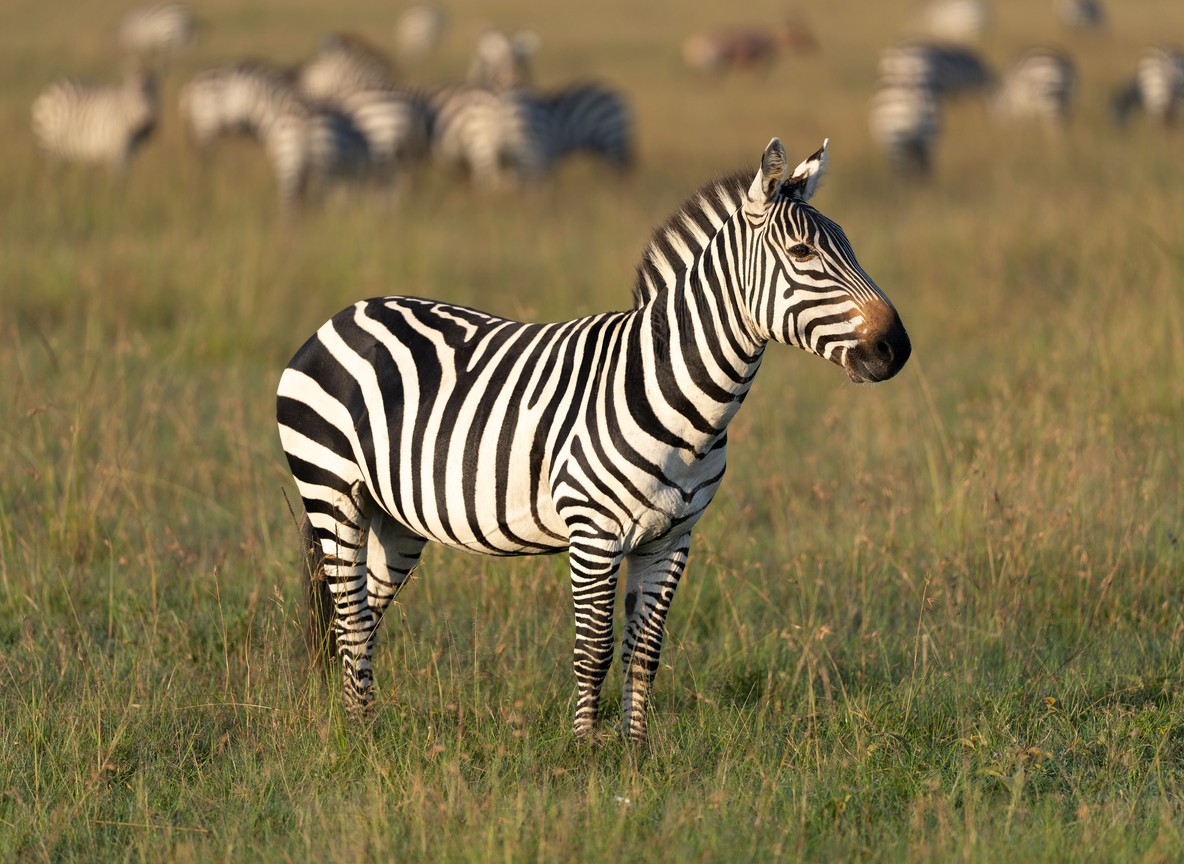
The full Masai Mara species list applies: lion, leopard, cheetah, elephant, buffalo, hippo, crocodile, giraffe, zebra, wildebeest, topi, kongoni, impala, and over 450 bird species. The reserve’s wildlife is the same ecosystem as the conservancies — the difference is access rules, not the animals themselves.
Black rhino are historically very rarely seen in the Masai Mara Reserve (unlike in the conservancies or protected areas with active rhino management programmes), but this does not significantly affect the overall game drive quality.
Who This Camp Suits
Nkorombo Camp is well matched to travellers who:
- Want to be inside the reserve boundary for direct access to the migration crossing areas
- Are comfortable with on-road game drives and the standard reserve experience
- Are visiting during the July-October migration peak and want Mara River access
- Are on a budget that fits reserve camp pricing (which is sometimes lower than private conservancy luxury camps)
It is less suited to travellers who:
- Want night drives and off-road game drives (which require a conservancy camp)
- Are prioritising photographic positioning flexibility
- Want the exclusivity of very limited vehicle numbers at sightings
Reserve Camps vs Conservancy Camps: The Core Distinction
The Masai Mara ecosystem offers two different models of stay. Reserve camps like Nkorombo provide direct access to the full reserve territory and the Mara River without additional driving costs. Conservancy camps provide night drives, off-road access, and limited vehicle numbers at sightings, typically at higher price points and with smaller territorial coverage.
For migration season visitors whose primary goal is witnessing wildebeest crossings, a reserve camp’s Mara River access is a genuine advantage. For visitors whose priority is intimate predator encounters and maximum photographic control, a conservancy camp provides a different quality of experience. Many itineraries of four nights or more combine both — a conservancy camp for predator encounters and a reserve camp for migration access.
If this guide has you ready to travel, a safari specialist can handle the route, camps, and logistics end to end.
Want to Book a Tour With Us?