There is a question that circulates in safari planning searches more often than you might expect: which volcano can you see from Ol Donyo Lodge? The answer is Kilimanjaro – Africa’s highest peak – visible from the lodge on clear mornings across the Amboseli basin to the south. But there is a second volcanic story worth knowing: the Chyulu Hills themselves, a range of dark volcanic cones forming the lodge’s immediate backdrop, rising from the Maasailand plains like a crumpled green ridge.
Ol Donyo Lodge is what a certain kind of traveller has been looking for without quite knowing what to call it. Not a camp in the conventional sense, it is 12 suites on community land with private plunge pools, a horseback safari programme across open conservancy terrain, a star-gazing terrace, and 275,000 acres co-managed with the local Maasai community. It sits in a landscape most visitors fly straight over between Nairobi and Amboseli, and it offers a safari experience unlike anywhere else in Kenya.
Where Ol Donyo Lodge Is: The Chyulu Hills Context
Ol Donyo Lodge sits within the Chyulu Hills National Park and the surrounding community conservancy in Kajiado County, approximately 250 kilometres southeast of Nairobi. The Chyulu Hills are a geologically young volcanic range – some of the youngest mountains in the world, formed over the last 500 years – and they rise steeply from the flat Amboseli-Tsavo corridor to around 2,100 metres altitude.
The lodge takes its name from a Maasai phrase meaning “the one who herds cattle.” The Mbirikani Group Ranch surrounding the park covers 275,000 acres and forms one of the most significant wildlife dispersal corridors between Amboseli and Tsavo. Elephant corridors cross it. Lion prides use it. The community derives direct income from tourism, which creates the economic foundation that makes human-wildlife coexistence viable here.
The volcano question answered: The Chyulu Hills immediately behind the lodge are volcanic in origin. The dark lava flows on their flanks are clearly visible, and the youngest cones on the range are less than 500 years old. Kilimanjaro appears as a white dome 80 kilometres to the south on clear mornings between roughly 6:00 and 9:00 am before haze builds. Both are visible from the lodge’s main terrace and from the private plunge pools of most suites.
What the Lodge Offers: A Full Activity Programme
Most Kenya safari lodges deliver one or two core activities and do them well. Ol Donyo builds a programme that covers the full range of ways to engage its landscape.
Game drives: The conservancy supports lion, leopard, cheetah, elephant, buffalo, and the full range of East African antelope. Vehicle density is low – you may complete an entire morning drive without seeing another vehicle. Drives typically run from 6:00 am and return before the midday heat builds.
Horseback safaris: The lodge’s equestrian programme is among the most respected in Kenya. Guided rides across open conservancy allow riders to approach wildlife at closer range than a vehicle and to cover terrain that a 4×4 cannot reach. Horses are matched to rider ability. For equestrian-inclined travellers, this experience alone justifies choosing Ol Donyo over other Kenya properties.
Bush walks: Walking safaris with Maasai guides cover the volcanic terrain of the Chyulu Hills. The lava cave systems – including Leviathan Cave, one of the longest lava tubes in Africa – are accessible on half-day excursions.
Night game drives: Unlike Kenya’s national parks, the conservancy permits night drives. Aardvark, pangolin, porcupine, and African wild cat are seen regularly after dark.
Star gazing: A dedicated programme uses a high-powered telescope on the main terrace with a guide trained in astronomy. At this altitude, away from city light, the night sky is extraordinary.
Spa treatments: A dedicated spa offers wellness therapies for guests who want a rest day built into an activity-heavy itinerary.
Kilimanjaro at dawn: The morning ritual at Ol Donyo is tea on the terrace before breakfast, watching cloud clear from Kilimanjaro’s cap as the light shifts from grey to gold. On approximately 60 to 70 percent of mornings, visibility is good enough for a clear view.
The Suites: Private Pools and Panoramic Views
Ol Donyo Lodge has 12 suites and one private house. Each suite is built into the hillside in a way that gives every room an unobstructed view across the plains. The architecture is stone and thatch – materials that regulate temperature well in a landscape that swings from cool mornings to hot midday.
Every suite has a private plunge pool. Rooms are generous doubles with outdoor showers, inside showers, large bathrooms, and sitting areas.
Guests who want to sleep even closer to that landscape can request the suite’s star-bed: the bed is rolled onto the private deck for the night, under the open sky, a step beyond the terrace telescope programme described below.
The Family Suite has two bedrooms and interconnecting space suited to families or parents and adult children travelling together. The lodge’s minimum recommended age for children is five years old.The private house offers six bedrooms with a dedicated vehicle and guide, available for exclusive-use bookings. It is the preferred option for groups of friends, corporate retreats, or multi-family holidays.
On rates: Ol Donyo Lodge operates on a fully inclusive basis – meals, game activities, and house safari fees are included. For 2026, rates are in the range of USD 800 to 1,200 per person per night. Horseback safaris are included in the rate for participating guests.
Getting There: Road and Air Options
By air: The most common approach is a scheduled or charter flight from Nairobi Wilson Airport to Kamboyo Airstrip, the lodge’s private strip 25 minutes from the property. AirKenya and Safarilink run scheduled services. Flight time from Wilson is approximately 50 minutes.
By road: Nairobi to Ol Donyo is roughly 280 kilometres via the Mombasa Road and the Emali junction turn-off. A road transfer takes four to four and a half hours in good conditions. The final section from the main road through the conservancy is a dirt track – and frequently one of the best game drive routes of the trip, with regular elephant encounters in the afternoon.
Combination circuits: Ol Donyo integrates naturally into a southern Kenya circuit with Amboseli (one hour by vehicle or a short charter flight), Tsavo West, Tsavo East, or the coast. The lodge works particularly well as a centrepiece for the Chyulu-Amboseli corridor on 8 to 12 day itineraries.
Wildlife: What the Conservancy Supports
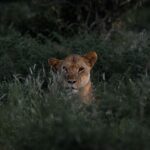
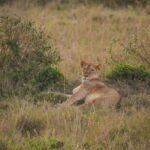
The Mbirikani Group Ranch conservancy’s wildlife is genuinely impressive. Elephant herds move through regularly, particularly in the dry season when the Chyulu Hills’ springs draw animals from the surrounding Amboseli basin. The lion population across the ranch is one of the most studied in East Africa – researchers from the Amboseli Lion Project and Big Life Foundation have tracked these prides for decades.
Leopard are present and occasionally seen on rocky outcrops on the Chyulu Hills’ lower slopes. Cheetah use the open grasslands of the conservancy floor and are seen reliably – the low-vehicle environment means their behaviour is less disrupted than at busier Kenya destinations.
Buffalo herds of 200 to 400 animals are common in the wet season. The southern section of the conservancy, bordering Tsavo West National Park, tends to produce the best big cat sightings.
How Ol Donyo compares to nearby southern Kenya options:
| Feature | Ol Donyo Lodge | Amboseli Lodge | Tsavo Camp |
|---|---|---|---|
| Vehicle exclusivity | Very high | Medium | High |
| Kilimanjaro views | Excellent | Best in Kenya | None |
| Horseback safaris | Yes | Rarely available | No |
| Night drives | Yes | No (national park rules) | Yes (private land) |
| Lava cave access | Yes | No | No |
| Big Five | Yes | Elephant-focused | Lion and elephant strong |
The Maasai Community Partnership
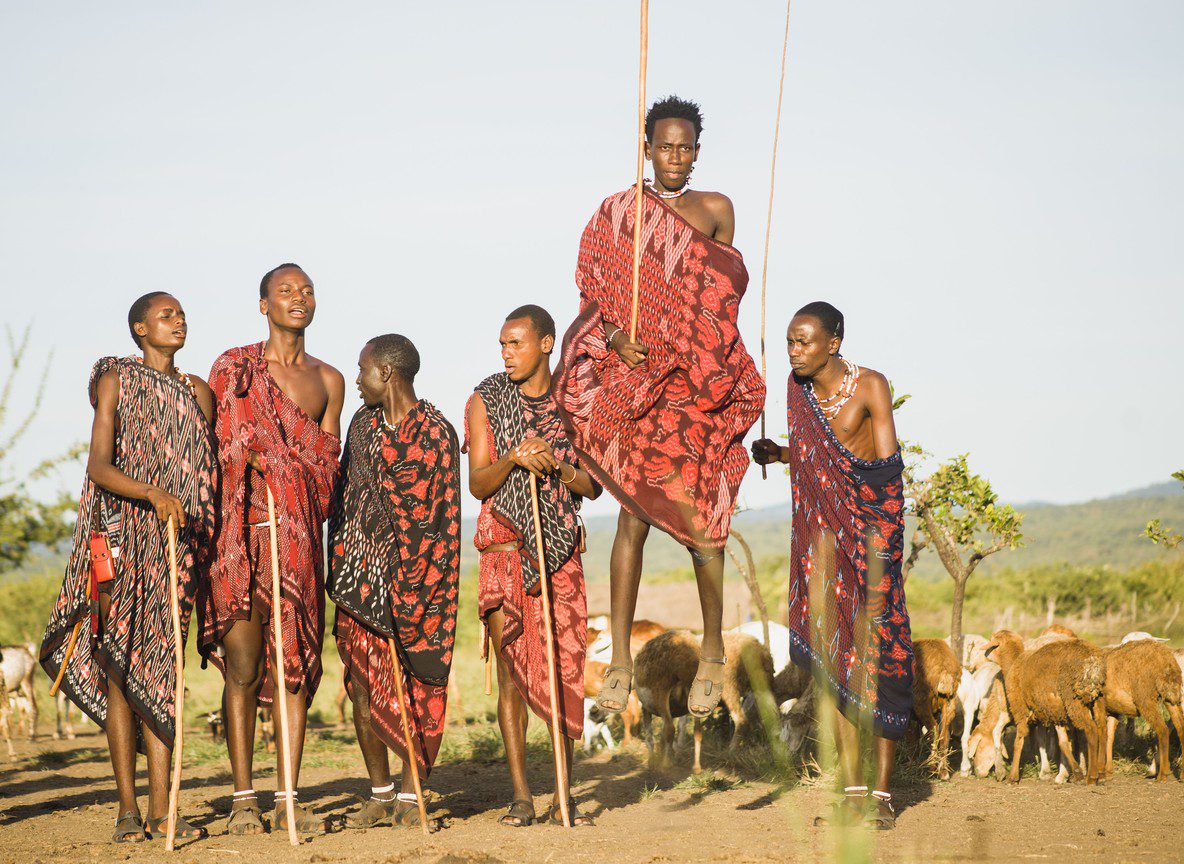
The phrase “Maasailand safari” captures something real about Ol Donyo’s character. The lodge is built on Maasai community land, and the partnership between &Beyond (who manage the lodge) and the Mbirikani Group Ranch is substantive – not a token cultural programme but an integrated model where the community receives a significant share of lodge revenue and employs most of the staff.
Guests who want to engage with this dimension can join cultural visits to Maasai manyattas within the conservancy, accompanied by a community liaison guide who provides genuine context. The Big Life Foundation’s anti-poaching work – funded partly through tourism – operates across this landscape. Its tracker teams are one reason the elephant and lion populations remain healthy.
For travellers who care about where their safari money goes and how it flows to the communities and ecosystems it touches, this credential is verifiable and built into the lodge’s operating agreement.
Explorer Notes: Planning Your Ol Donyo Visit
A few practical points for getting the most from this particular property:
- Arrive by road through the conservancy if your schedule allows. The afternoon drive from the main road to the lodge often delivers elephant sightings before you even reach the property
- Schedule the horseback safari for your first full morning. Guides match horses to ability the previous evening, so the logistics are smooth and you get the best of the early light
- Come with clear sky expectations. Kilimanjaro is visible on roughly 60 to 70 percent of mornings. It is the odds-on favourite but not a guarantee. The pre-breakfast terrace ritual is worthwhile regardless – the light on the Chyulu Hills at dawn is extraordinary on its own
- The lava cave excursion is half a day well spent. Leviathan Cave is one of the longer lava tubes in Africa. Bring a head torch and closed shoes
Where to Go from Here
Ol Donyo is not the obvious first choice for first-time Kenya safari travellers, but it is often exactly the right choice for someone who has done the Mara and wants something quieter and more distinctive. The combination of horseback safaris, night drives on community land, Kilimanjaro on the horizon, and a genuine conservation model makes it one of Kenya’s most complete and individual properties.
Prefer a different route, budget, or travel style? This plan can be adapted to fit.
Customise Your Trip