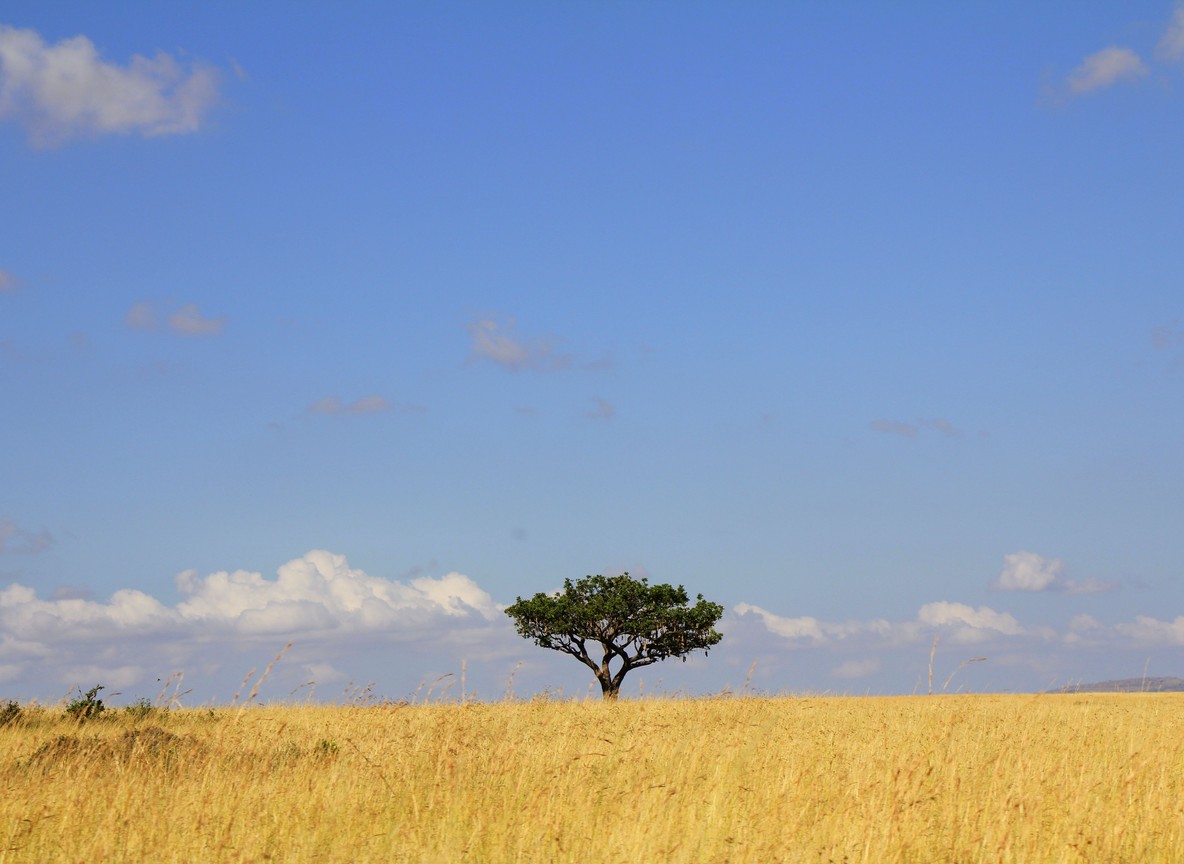
Kenya’s national parks go dark at dusk. Gates close, vehicles must be out, and the bush becomes off-limits to tourists until sunrise. Just beyond those park boundaries, on privately managed conservancy land, an entirely different world switches on: one most safari visitors never witness.
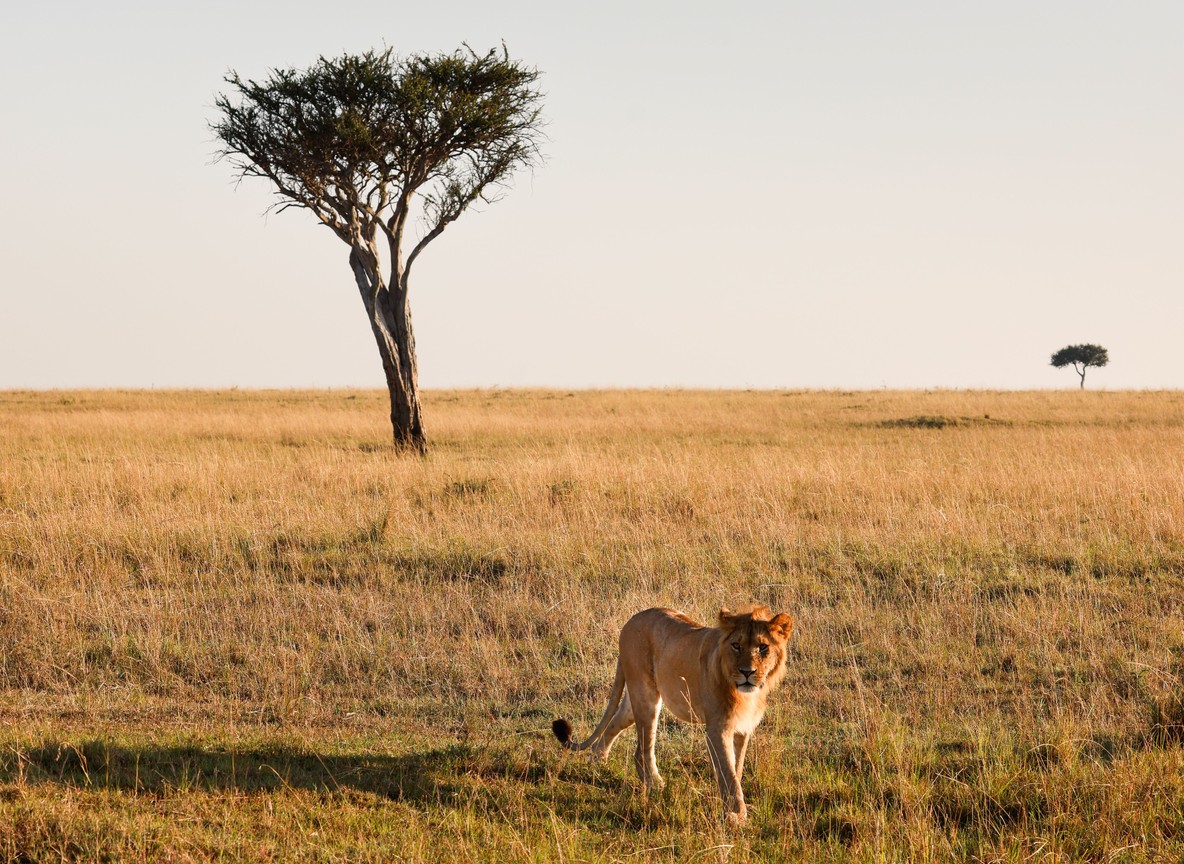
A night game drive in Kenya is not a novelty add-on. It is the only reliable way to find species that stay hidden all day: aardvark bulldozing termite mounds, genet cats moving like liquid over fallen logs, porcupines rattling quills on moonlit tracks, and leopards hunting across open ground they rarely use in daylight. This guide covers where night drives are legal in Kenya, what wildlife you can realistically expect, and the practical details for planning an after-dark safari.
Why Night Drives Are Banned in Kenya’s National Parks
Kenya Wildlife Service (KWS) prohibits night driving in all gazetted national parks and reserves. Three factors drive the policy: safety in areas without private radio networks, poaching prevention (after-dark vehicles are a documented access route for poachers), and protection of wildlife from harassment during nocturnal feeding and breeding.
Parks affected include Masai Mara National Reserve, Amboseli, Tsavo East, Tsavo West, Lake Nakuru, and the Aberdares. Rangers patrol after closing time. Vehicles found inside after dark face impoundment and fines. No legitimate operator runs night drives inside these parks. If anyone offers you a night drive inside the Masai Mara National Reserve, they are operating illegally.
Night game drives in Kenya are only available on private conservancy land, where landowners and conservancy management set their own operational rules within the broader KWS framework.
Where Night Drives Are Legally Permitted
Private conservancies operate under their own land-use agreements and can permit night drives as a premium experience, provided operators follow red-filter spotlight protocols and keep vehicle numbers low.
Mara Conservancies (Greater Mara Ecosystem)
The private conservancies bordering the Masai Mara National Reserve cover more than 200,000 acres managed by Maasai landowners and safari operators. Mara North, Ol Kinyei, Mara Naboisho, and Olare Motorogi all permit night drives for guests staying at resident camps.
These conservancies share a wildlife corridor with the national reserve. The same predator populations move freely across the boundary. The lion pride hunting on Mara North at midnight may be the same one you watched crossing the reserve at noon. After dark, the dynamic shifts: less posturing, more action.
Ol Pejeta Conservancy (Laikipia Plateau)
Ol Pejeta is Kenya’s largest black rhino sanctuary and one of the most biodiverse conservancies in East Africa. Night drives are available to guests of resident camps and are guided by trained naturalists with deep knowledge of the conservancy’s resident predator populations. Controlled access roads make after-dark navigation safe and structured.
Lewa Wildlife Conservancy (Laikipia/Meru Border)
Lewa is a UNESCO World Heritage Site and one of Kenya’s most respected conservation operations. Night drives are a standard part of the guest programme for camp residents. Open grassland, acacia thickets, and the conservancy’s substantial elephant and rhino populations give night drives here a distinct character compared to the Mara ecosystem.
Laikipia Private Conservancies
The broader Laikipia plateau, including Sosian Ranch, Borana, and Mugie, offers night drives as part of the resident-guest programme. Northern Kenya conservancies hold Grevy’s zebra, African wild dog, reticulated giraffe, and a predator community that operates heavily after dark.
What You Will Actually See: Nocturnal Wildlife in Kenya
The species list on a night game drive is almost entirely different from what you encounter during daylight hours. Here is what guides consistently find after dark across Kenya’s major conservancies.
Leopard (Panthera pardus) Leopards are genuinely crepuscular and nocturnal. The animal you watched draped across an acacia branch at midday was resting. At 9pm, the same leopard is on the ground, moving fast, hunting. Night drives in the Mara conservancies regularly produce active leopard sightings: stalk-and-rush sequences, cubs following mothers, males marking territory. These encounters are qualitatively different from daytime tree sightings.
Aardvark (Orycteropus afer) One of Africa’s most sought-after sightings for dedicated wildlife enthusiasts. Aardvarks are entirely nocturnal and spend daylight hours sealed in burrows. After dark, they appear along termite mound lines and in open sandy soils at thicket edges. The sound of one digging carries well on a still night.
African Civet and Genet Both are spotted carnivores with very different habits. Civets forage on the ground along drainage lines. Genets are tree-climbing predators with ringed tails and pointed snouts. Both are regular sightings on conservancy night drives.
Bushbaby (Galago) The eye-shine of a greater bushbaby in a spotlight is startling: two enormous orange discs suspended in darkness. Present in virtually every acacia woodland across the Mara and Laikipia conservancies.
White-tailed Mongoose Almost exclusively nocturnal and the largest mongoose species in Africa. Often seen trotting along roads with a distinctive white-plumed tail raised.
Lion Hunts Daytime lion watches are largely exercises in watching cats sleep. At night, prides coordinate hunts across open ground. A night drive during the dry season, when buffalo herds concentrate near water, can position you beside a full cooperative hunt.
Porcupine (Hystrix cristata) Large, loud, and dramatic. The sound of quills rattling as they move through the dark is often audible before the spotlight finds them.
Night Drive Locations at a Glance
| Location | Night Drives | Key Nocturnal Species | Notes |
|---|---|---|---|
| Masai Mara National Reserve | No | N/A | KWS prohibition |
| Mara North Conservancy | Yes | Leopard, aardvark, genet, hyena | Resident guests only |
| Ol Kinyei / Naboisho / Olare Motorogi | Yes | Leopard, lion hunts, bushbaby, civet | Resident guests only |
| Ol Pejeta Conservancy | Yes | Leopard, serval, aardvark, rhino | Resident guests only |
| Lewa Wildlife Conservancy | Yes | Elephant, rhino, leopard, genet | Resident guests only |
| Laikipia (Borana, Sosian, Mugie) | Yes | Grevy’s zebra, aardwolf, wild dog, leopard | Resident guests only |
| Amboseli National Park | No | N/A | KWS prohibition |
| Tsavo East/West National Parks | No | N/A | KWS prohibition |
Spotlight Ethics: Red Filters and Responsible Viewing
Responsible night drives use red-filtered spotlights. Most nocturnal mammals have retinas dominated by rod cells sensitive to blue and green wavelengths, which makes red light far less disruptive than white light. Red filters reduce disturbance significantly compared to unfiltered beams.
Ethical protocols followed by well-run conservancy camps include:
- Red filter on the primary spotlight at all times during active sightings
- No more than two to three vehicles at any single sighting simultaneously
- Minimum 20-metre distance from any feeding or hunting animal
- Engine off during extended stops to reduce noise and exhaust disturbance
- No shining directly into eyes for more than a few seconds
- Camp-defined cutoff times, typically 10 to 11pm, to limit total pressure on nocturnal wildlife
Photography on night drives requires high-ISO capability and a fast f/2.8 lens or a mirrorless body with strong noise performance. Flash is never permitted on legitimate night drives. Red-filtered spotlights give modern cameras enough light at ISO 6400 and above for atmospheric results, even if the images are not technically sharp by daylight standards.
Explorer Notes: Practical Planning for a Night Drive Safari
Night drives are camp-specific, not standalone add-ons. They come with a full-board conservancy camp package. To access a legal, guided night drive in Kenya:
- Choose a camp inside a conservancy that permits night drives.
- Book a minimum two-night stay (most conservancy camps require this).
- Request the night drive activity at the time of booking.
- Confirm the current programme, as seasonal adjustments can apply.
For a nocturnal-first itinerary, the Laikipia circuit combining Lewa with Ol Pejeta or Borana is the most reliable night-drive programme in Kenya. Pairing a Mara conservancy stay with national reserve day drives gives you both the daytime wildlife concentrations of the reserve and after-dark conservancy access.
What to pack for a night game drive:
The temperature drop after sunset on the Laikipia plateau and in the Mara highlands can reach 15 to 20 degrees Celsius below the afternoon high.
- Warm fleece or softshell jacket
- Wool or synthetic mid-layer
- Long trousers (insects are more active at dusk)
- Closed-toe shoes or ankle boots
- Headlamp with a red-light mode
- Camera body with strong high-ISO performance (mirrorless preferred)
- Lens of f/2.8 or faster
- Fully charged batteries (cold temperatures drain them faster)
- Monopod or beanbag for vehicle stabilisation
Conclusion: Building Night Drives into Your Kenya Itinerary
Night drives belong in any itinerary built around wildlife behaviour, rare species, or encounters the standard national park circuit cannot produce. The key is choosing the right conservancy and confirming night-drive access before you book, since availability is tied to specific camps rather than general park access.
The species you encounter after dark in Kenya’s conservancies, from hunting leopards and digging aardvarks to the eye-shine of bushbabies in acacia canopy, are different enough from the daytime wildlife list that a night drive adds an entirely separate dimension to any safari.
Reader Next Steps
For an overview of how Kenya’s private conservancies work across the Mara and Laikipia ecosystems, the Tourinsights guide to Kenya’s private conservancies covers the full landscape of options. For detailed itinerary-level guidance on combining conservancy night drives with daytime park access, Trunktrails Safaris builds after-dark Kenya programmes as a core wildlife objective rather than an optional add-on.
Turn this reading into a real itinerary with help from a Kenya-based safari team.
Start Planning Your SafariFurther reading
More safari planning resources
- Nairobi to Maasai Mara route guide from Valley Safaris
- Big Five safari collection on FindMySafari
- Ol Pejeta and Sweetwaters safari package from Valley Safaris
- Kenya national parks map from Valley Safaris
Related guides: Where to See Elephants in Amboseli: Best Areas and Drive Strategy.