Naserian Mara Camp sits in the Lemek Wildlife Conservancy, a private conservation area on the northeastern edge of the Masai Mara ecosystem. The conservancy model here — community-owned land managed for wildlife rather than agriculture — is what distinguishes this corner of the ecosystem from the national reserve and shapes everything about the camp experience.
Lemek Wildlife Conservancy: The Setting
Lemek Conservancy lies northeast of the Masai Mara National Reserve, on Maasai community land that has been conserved for wildlife through agreements with camps and conservation organisations. The conservancy creates a buffer between the reserve and the Maasai pastoral lands to the north, with wildlife moving freely between the two.
The landscape is open savannah with scattered acacia woodland and seasonal drainage lines. The Mara River corridor lies to the west, accessible from the conservancy with a drive through the reserve boundary. Lemek’s northeastern position means it sits outside the most crowded vehicle zones of the main reserve, which is a genuine advantage for travellers seeking quieter game drives.
What the conservancy model provides:
- Limited vehicle numbers at any sighting — far fewer than the main reserve
- Night drives permitted on conservancy land
- Guided bush walks available
- Off-road driving allowed in designated areas
- Direct financial benefit to the community from conservation fees
Camp Location and Scale
Naserian Mara Camp is positioned within the conservancy to access its wildlife-rich areas while maintaining the low-impact footprint typical of Mara conservancy camps. The camp is intentionally small — a restricted number of tents keeps total guest numbers low, consistent with the conservancy’s exclusivity approach.
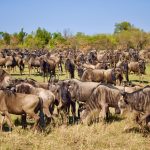
The conservancy’s northeastern position in the Mara ecosystem means it sits in territory that migration herds pass through on their movements between Tanzania and the reserve. During the July-October migration window, wildebeest and zebra are present in the conservancy alongside the main reserve.
Camp Style
Naserian Mara Camp follows the classic East African tented camp format: canvas walls, wooden floors, en-suite bathrooms with hot-water bucket showers or solar-heated systems, and an open-air communal dining and lounge area oriented toward the bush.
The camp’s design prioritises connection to the landscape over infrastructure. Evenings are spent around a shared fire rather than in separate villa units. This is a bush camp in the traditional sense — the focus is wildlife access and the conservancy experience, not spa facilities or architectural statements.
Wildlife and Activities
Game drives: The conservancy’s lower vehicle numbers mean sightings are genuinely exclusive. Finding a leopard in Lemek does not immediately generate a traffic jam of ten vehicles. The wildlife quality is equivalent to the adjacent reserve; the experience of observing it differs.
Night drives: Standard activity on conservancy land. Night drives access species not visible during daylight: African wild cat, porcupine, bushbuck, and occasionally lion and leopard on nocturnal hunts. Night drives are not permitted inside the Masai Mara National Reserve.
Bush walks: Guided walking safaris are available with trained guides, allowing a ground-level perspective on the ecosystem impossible from a vehicle.
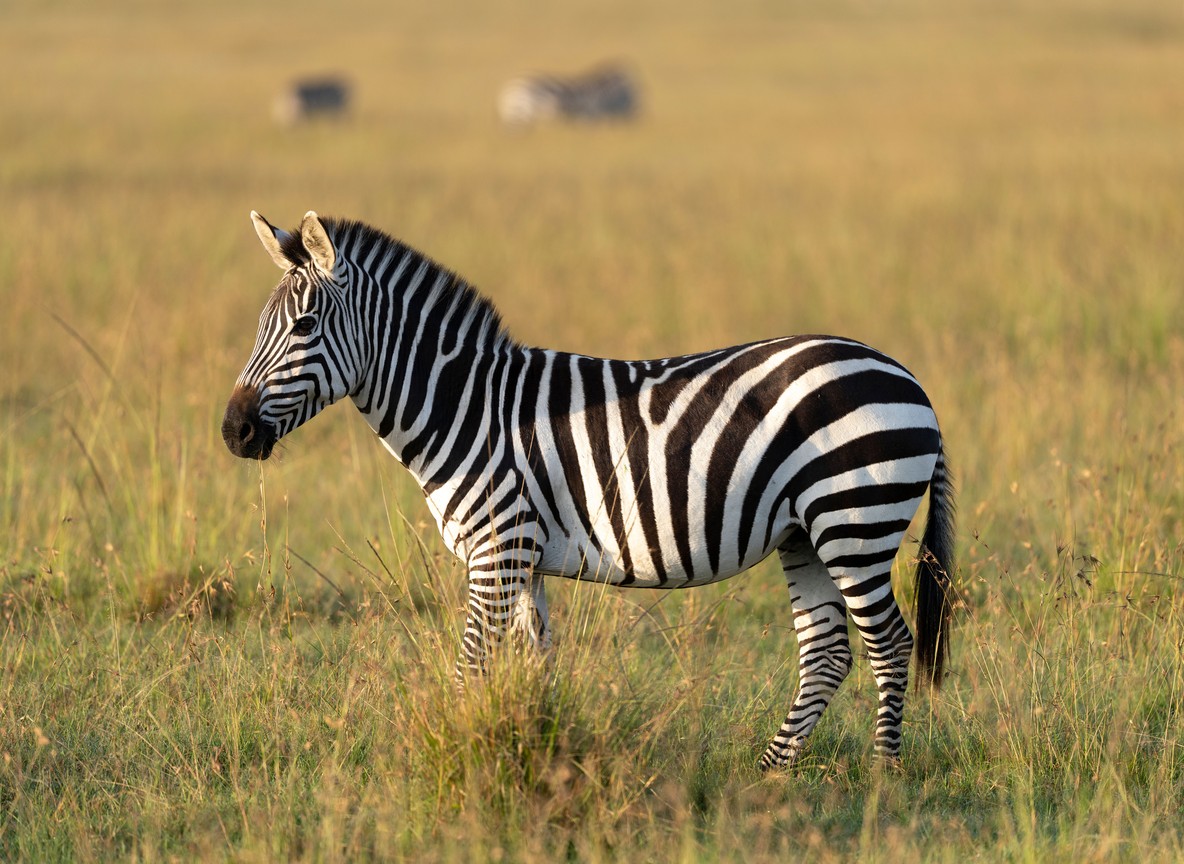
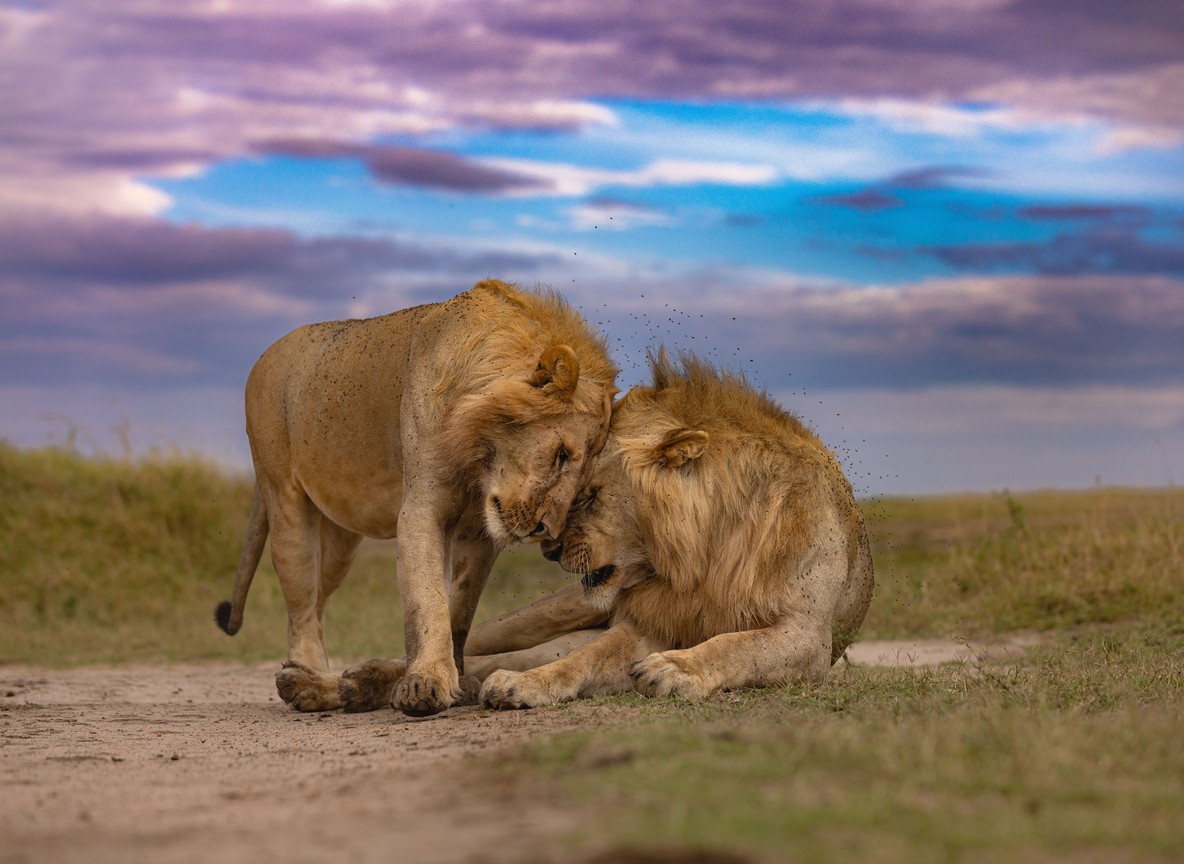
Wildlife present: The conservancy supports the full Mara ecosystem species list — lion, leopard, cheetah, elephant, buffalo, giraffe, zebra, hippo in the drainage lines, and over 450 bird species. The open northeastern grasslands are productive cheetah territory.
Migration Timing
The Lemek Conservancy receives migration herds from July through October as wildebeest move north from Tanzania toward the reserve. The conservancy position on the northeastern approach means herds are visible during the movement phase before they concentrate in the main reserve along the Mara River. During peak months, the conservancy can hold significant wildebeest numbers with far fewer vehicles than the reserve proper.
Outside migration, the conservancy operates year-round with strong resident predator populations. Green season (April-May) offers the lowest rates and most private experience.
Who This Camp Suits
Naserian Mara Camp is well matched to travellers who:
- Value low vehicle numbers and exclusive game drive access over camp luxury
- Want to add night drives and bush walks to the standard game drive experience
- Plan to stay at least three nights — the conservancy model rewards time rather than rushing the circuit
- Are travelling during or around migration season and want proximity to herds without the main reserve vehicle crowds
It is less suited to travellers who:
- Want direct, immediate access to the Mara River crossing points without additional driving
- Prioritise extensive spa or food-and-beverage facilities
- Prefer a single-night stopover approach to the Mara
Lemek vs Other Mara Conservancies
Lemek Conservancy’s northeastern position distinguishes it from Mara North (north of the main reserve), Naboisho (southeastern approach), and Olare Motorogi (central eastern position). Lemek tends to attract less attention than these three — which is precisely why the game drives here often feel more private. For travellers who have already done the flagship Mara conservancy circuits and want a less-visited corner of the ecosystem, Lemek delivers a quieter, less-published experience with equivalent wildlife quality.
If this guide has you ready to travel, a safari specialist can handle the route, camps, and logistics end to end.
Want to Book a Tour With Us?