

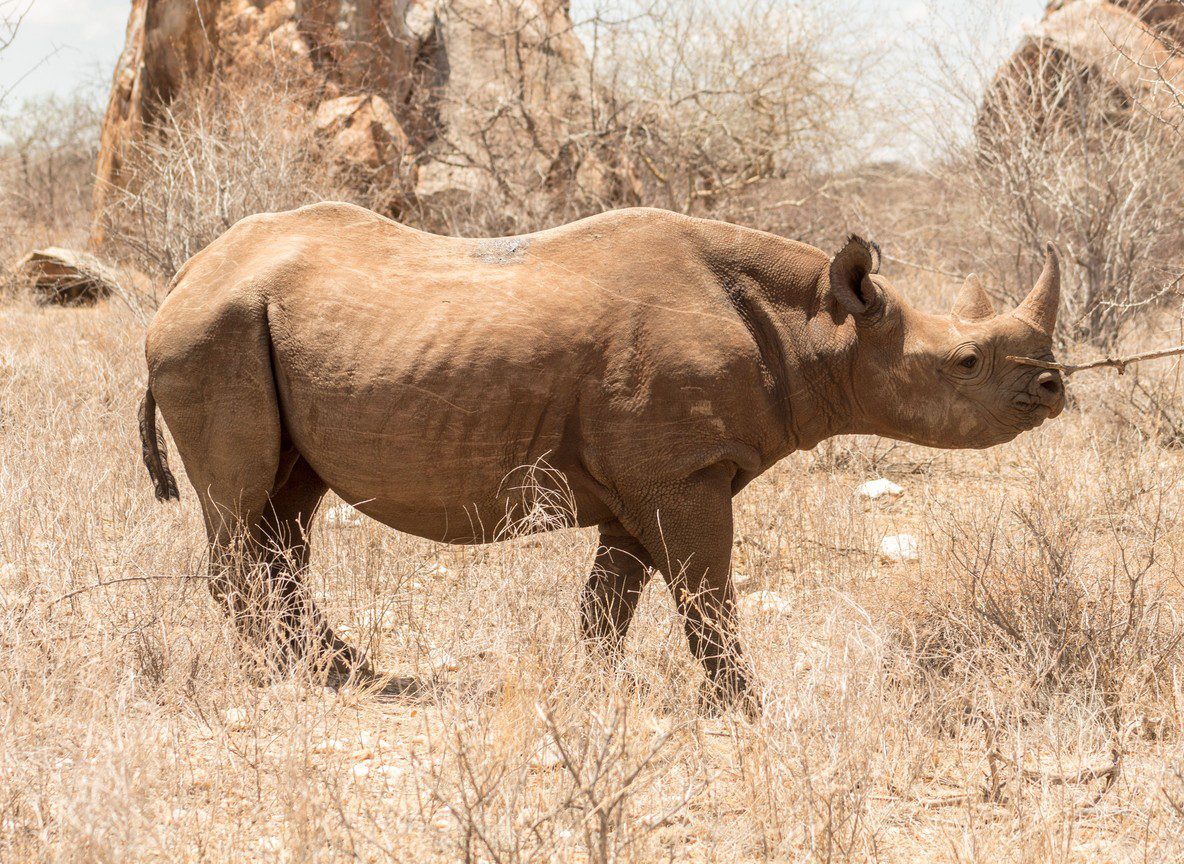
Choosing a conservancy in Northern Kenya by name recognition is one of the most common planning mistakes in this region. The names Lewa, Namunyak, Sera, and Ol Pejeta all appear in travel writing, but they are quite different destinations in terms of access, activity style, wildlife focus, conservation model, and how they feel on the ground. Selecting the right one, or the right combination, depends on being honest about what kind of travel experience you are actually after.
This guide compares the major conservancy options across Northern Kenya, including the Laikipia Plateau and Samburu County areas, and gives practical guidance on how to match them to different traveler priorities.
Understanding What Makes Conservancies Different From Reserves
Kenya’s national reserves and national parks are government-managed and operate under Kenya Wildlife Service rules. Conservancies are different. Some are privately owned and managed. Many are community-owned, where local communities hold the land and benefit directly from tourism revenue. Some are a hybrid of both models.
This structure affects what is possible during a visit. Many conservancies allow walking safaris and night drives that are not permitted in national parks. Community conservancies often include cultural engagement options with the communities who own the land. Some have specific conservation mandates, such as rhino sanctuaries, that shape the wildlife experience in particular ways.
Northern Kenya has a high concentration of conservancies, and several of them are globally significant for conservation. Understanding what distinguishes each one makes it much easier to plan a route with a coherent purpose.
Lewa Wildlife Conservancy: Accessibility and Conservation Breadth
Lewa Wildlife Conservancy, in the foothills of Mount Kenya’s northern slopes in Laikipia County, is one of Kenya’s most established conservancies and a UNESCO World Heritage Site within the larger Mount Kenya biosphere. It covers around 62,000 acres and is best known for its rhino population, which includes both black and white rhino species. Kenya’s rhino recovery story over the past three decades owes a great deal to what has been accomplished at Lewa.
From a traveler’s perspective, Lewa is among the most accessible northern conservancies. It has its own airstrip that accepts scheduled flights from Wilson Airport in Nairobi, and the road transfer from Nanyuki is manageable. The terrain is open rolling grassland with patches of riverine bush, which gives excellent visibility and makes for clean wildlife photography. Grevy’s zebra are present in large numbers, and the rhino population means that encountering them on a drive is realistic rather than aspirational.
Lewa suits travelers who want genuine wilderness, high-quality conservation credentials, and relatively comfortable logistics without the access challenges of the more remote northern areas. It is also notably family-friendly, with properties that cater well to children and programs that engage younger guests. First-time visitors to Northern Kenya often find Lewa a less daunting entry point than the more remote conservancies further north.
The limitation is density. Lewa is popular, and during peak months, the conservancy can feel busier than the community conservancies further into Samburu County. Travelers seeking genuine remoteness or community immersion depth will find more of both further north.
Ol Pejeta Conservancy: Game Volume and Infrastructure
Ol Pejeta, also in Laikipia, is the largest privately owned conservancy in East Africa at around 365,000 acres. It holds the largest black rhino population in East Africa, as well as Kenya’s only chimpanzee sanctuary, which offers a genuinely unusual addition to a wildlife itinerary. The conservancy also holds large numbers of the classic big five species, and game density overall is high.
Ol Pejeta is the most infrastructure-intensive of the conservancies in this comparison. It has good internal roads, multiple accommodation options across different budget levels, and organized experiences such as rhino tracking on foot and the chimp sanctuary visit. It operates a bit more like a large park than a community conservancy in terms of the visitor experience, though its conservation work is substantial.
For families and first-time safari visitors who want strong wildlife encounters with reliable support and easier logistics, Ol Pejeta delivers. For travelers seeking cultural depth or community engagement, it offers less than the community conservancies to the north. It pairs well with Lewa as a Laikipia double, or as an anchor before moving into the Samburu ecosystem further north.
Sera Community Conservancy: Black Rhinos and the Community Ranger Model
Sera Community Conservancy in Samburu County is one of the most significant conservation stories in Kenya over the past fifteen years. In 2015, Sera became the first community-owned conservancy in Africa to establish a rhino sanctuary, reintroducing black rhinos to land where the species had been absent for decades. The animals have since bred, and the population continues to grow.
The rhino sanctuary within Sera requires visitors to enter with armed rangers for safety reasons. This is not a deterrent; it is simply part of how the sanctuary operates. The guided rhino tracking experience is slow and careful, on foot, and the encounters are less predictable than walking into a reserve where wildlife is habituated. That unpredictability is part of what makes it compelling.
Beyond rhinos, Sera holds the northern special five species and sits within the broader Samburu ecosystem. The community ownership model is mature and widely respected. Tourism revenue goes directly to the community, and the ranger force is drawn from the same communities that the conservancy protects.
Sera suits travelers who have a particular interest in rhino conservation, who want a community-owned conservancy experience in a genuinely remote setting, and who are comfortable with longer road transfers or fly-in access. It pairs well with the Samburu National Reserve and Namunyak as part of a deeper northern circuit.
Namunyak Wildlife Conservation Trust: Culture, Landscape, and the Mathews Range
Namunyak covers approximately 850,000 acres in the Mathews Range foothills and represents one of the most layered northern conservancy experiences available. The landscape shifts from semi-arid scrubland in the lower zones to forested mountain terrain near the Mathews peaks, and the combination gives wildlife watchers and photographers genuinely varied terrain across a single stay.
The conservancy is Samburu community-owned, and the cultural engagement opportunities here are stronger than in most other options in this comparison. Manyatta visits, community-guided walks, and proximity to the Reteti Elephant Sanctuary (the first community-owned elephant sanctuary in Africa) give Namunyak a dimension that is less accessible in the more infrastructure-heavy conservancies further south.
For the northern special five species, Namunyak delivers consistently. The challenge is access: road transfers are rough in places and conditions change with rainfall. Fly-in access is the practical choice for most travelers who are not already comfortable with remote Kenya logistics.
Namunyak suits travelers who want community conservation context, landscape variety, and activities beyond game drives. It is not the right choice for those prioritizing maximum game density in minimum time.
Kalama and Westgate Community Conservancies: Buffer Zones and Ecosystem Connectivity
Kalama Community Conservancy and Westgate Community Conservancy sit adjacent to the Samburu National Reserve and Buffalo Springs National Reserve, forming an extended ecosystem that allows wildlife to move freely across a much larger range than the reserves alone would provide. These conservancies are less frequently discussed in international travel media but play a critical role in the ecological function of the entire Samburu area.
A stay in one of the camps operating within or adjacent to Kalama or Westgate, combined with game drives that cross between conservancy and reserve, gives travelers a sense of the landscape at a scale that reserve-only visits do not. The conservancy areas tend to be quieter than the reserve, and encounters in these zones can feel more private.
These suit travelers doing a Samburu-focused trip who want to add spatial depth without the logistics complexity of more remote destinations.
Il Ngwesi Group Ranch: Pioneer Community Tourism
Il Ngwesi, operated by the Il Ngwesi Maasai community on the Laikipia Plateau, was one of the first community-owned tourism ventures in Kenya when it launched in the 1990s. The single lodge on the property is fully community-owned, and it offers a more intimate and culturally embedded experience than larger conservancies. Wildlife is present, including the Laikipia special species such as reticulated giraffe and Grevy’s zebra, but the scale is smaller and the feel is more like staying in a working community landscape than in a dedicated wildlife reserve.
Il Ngwesi is a strong option for travelers who want a community-first experience with some wildlife on the side, particularly those who connect with the longer story of how African communities have built tourism on their own terms. It pairs well with Lewa, which is close by.
How to Match Conservancy to Travel Style
The useful frame here is not which conservancy is best but which one matches what you actually want from your time in Northern Kenya.
| Conservancy | Best For | Wildlife Focus | Cultural Depth | Access |
|---|---|---|---|---|
| Lewa | Families, first-timers, photographers | Rhino, Grevy’s zebra, big five | Moderate | Easy (scheduled flights) |
| Ol Pejeta | Game volume, families, structured activities | Black rhino, big five, chimp sanctuary | Low | Easy (road from Nanyuki) |
| Sera | Rhino conservation focus, remote experience | Black rhino, northern special five | High | Remote (fly-in recommended) |
| Namunyak | Landscape variety, community culture, depth | Northern special five, elephant | High | Remote (fly-in recommended) |
| Kalama/Westgate | Ecosystem extension to Samburu | Northern special five | Moderate | Moderate (via Samburu) |
| Il Ngwesi | Community-first, cultural immersion | Laikipia species | Very high | Moderate (Laikipia road) |
Wildlife intensity versus community immersion is the primary axis on which most travelers should position themselves. If your goal is maximum encounters with large mammals in a short window, the more established conservancies with higher game density and easier access serve that goal better. If your goal includes understanding the human side of conservation and engaging with the communities who make it possible, the community conservancies further into Samburu County are where that experience lives.
Route Combinations That Work
A seven-to-ten day northern circuit can combine two conservancies effectively if transfers are planned around activity time rather than minimized on paper. Some patterns that hold up well:
Lewa then Samburu or Namunyak: Start in Laikipia for accessibility and strong wildlife, then move north into the Samburu ecosystem for landscape change and community depth. The transition from Lewa’s open grasslands to Namunyak’s mountain terrain is a genuine contrast.
Samburu National Reserve then Sera or Namunyak: Use the reserve as a high-density wildlife anchor, then move into a community conservancy for the second half of the trip. This order lets the community conservancy experience land when guests are already familiar with the northern wildlife and can give more attention to the conservation and cultural dimensions.
Namunyak into the Marsabit corridor: For travelers interested in going genuinely deep into northern Kenya, Namunyak as a starting point before moving toward Marsabit gives an extended arc from conservancy country into remote volcanic terrain and the Lake Turkana approaches.
Seasonal Considerations
All Northern Kenya conservancies are at their most accessible from January to March and June to October. These windows cover both the post-long-rains dry period and the cooler mid-year months, and most conservancies have reliable road conditions during these times.
Community conservancies in more remote areas, particularly Namunyak and Sera, can become very difficult to access overland during the long rains of April and May. Fly-in access removes this constraint entirely and is the reliable option for those months or for travelers who cannot afford to lose days to road delays.
The short rains in November and early December bring greener landscapes and sometimes lower rates, particularly in the community conservancies where demand is less consistent than at the established Laikipia properties.
Practical Planning Checklist
Before booking a conservancy visit, get clear answers on these questions:
- What is the minimum age for children if applicable?
- Does the conservancy permit walking safaris, and is it included in the rate?
- What is the transfer method and how long does it take from the nearest airstrip?
- How are cultural visits structured and how much advance notice is required?
- What is the community revenue-sharing model for this specific property?
The answers will tell you quickly whether a given conservancy matches your travel style and logistical constraints.
Where to Go Next
A closer look at the Namunyak experience, including Mathews Range routes and Reteti Elephant Sanctuary, is covered in the Namunyak Conservancy Safari Guide. For community engagement and cultural visit ethics, the Northern Kenya Cultural Safari Guide covers the practical side of responsible community visits.
For conservancy-specific logistics and itinerary options across the northern circuit, trunktrailssafaris.com carries detailed current information on access and rates.