Every full day on safari in the Masai Mara includes at least two game drives. That structure reflects a simple truth: the Mara changes dramatically between dawn and dusk. The morning vs afternoon game drive question matters more than many travelers expect. Wildlife activity, photography conditions, atmosphere, and the types of encounters available are substantially different across the two windows. Understanding both helps you read the day and get more from every hour in the park.
How the Two Drive Windows Are Structured
A standard morning game drive departs between 6:00 and 6:30 am, before the sun clears the horizon. Most guides are through the park gate as dawn breaks, running the first hour in low golden light. The drive covers three to four hours total, returning to camp by 10:00 or 11:00 am for breakfast or brunch.
The afternoon drive departs around 3:30 to 4:00 pm, after the midday heat has subsided. It runs until sunset or park closing time, approximately 6:30 to 7:00 pm. Some afternoon drives include a sundowner stop: guides choose a scenic point, whether a hilltop, riverbank, or rocky kopje, and serve drinks as the light fades.
Full-day drives combine both windows with a bush lunch in the field. That format deserves its own consideration; this guide compares the two standard windows.
What the Morning Game Drive Delivers
The predator sighting statistics for early morning are consistently better than any other part of the day. The reason is behavioral, not coincidental.
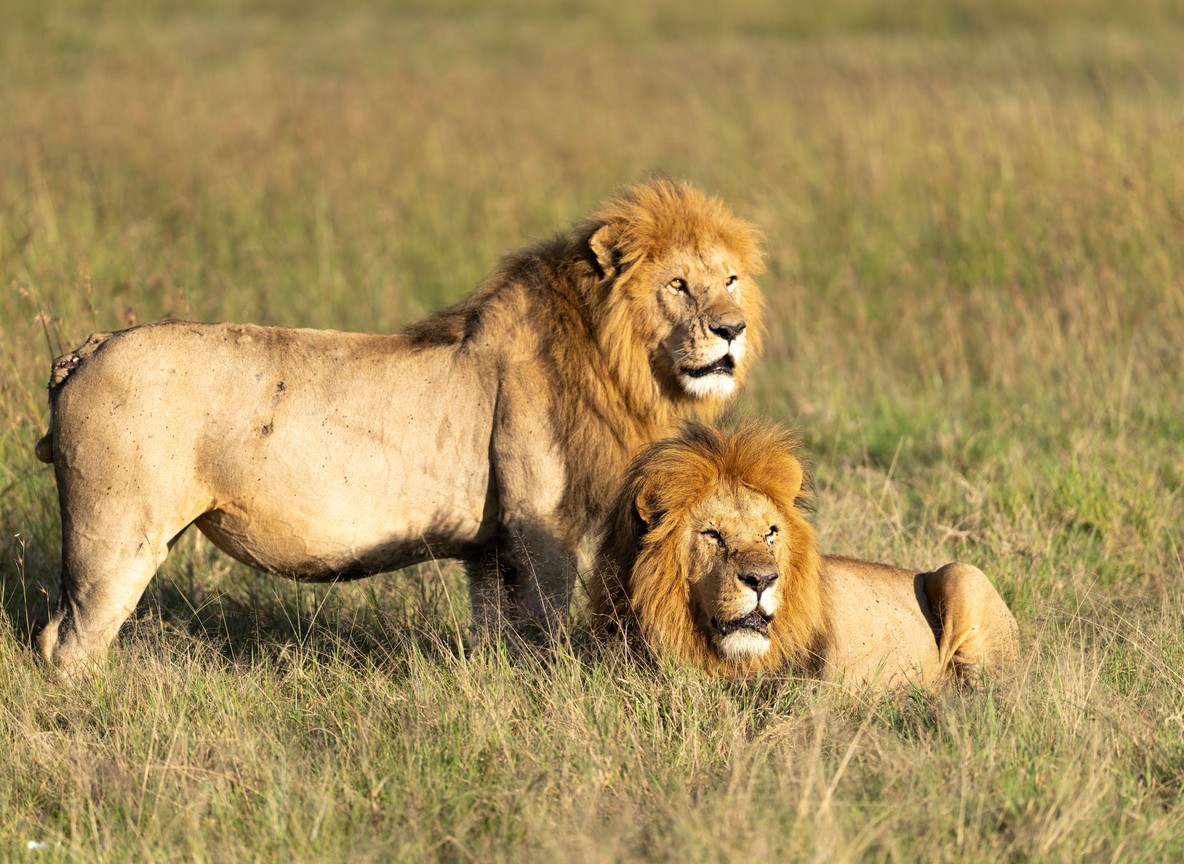
Nocturnal predators — lions, leopards, and hyenas — are still active between first light and approximately 9:00 am. They may be finishing a night hunt, settled near a fresh kill, or returning to their daytime resting areas. This overlap period is when visibility is highest and predator energy is most concentrated.
What you are likely to see:
- Lions near or at a kill from overnight hunting
- Leopards in or below trees, most visible at dawn before the heat drives them into canopy
- Hyenas returning to den sites after a night of scavenging
- Cheetahs beginning their first hunting run of the day on open plains
The 6:30 to 9:00 am window is the single most active wildlife period in a Masai Mara day. Prey animals are alert and moving. Predator behavior is legible and directed. Guides who have driven the Mara for years consistently call this window the most reliable for quality sightings.
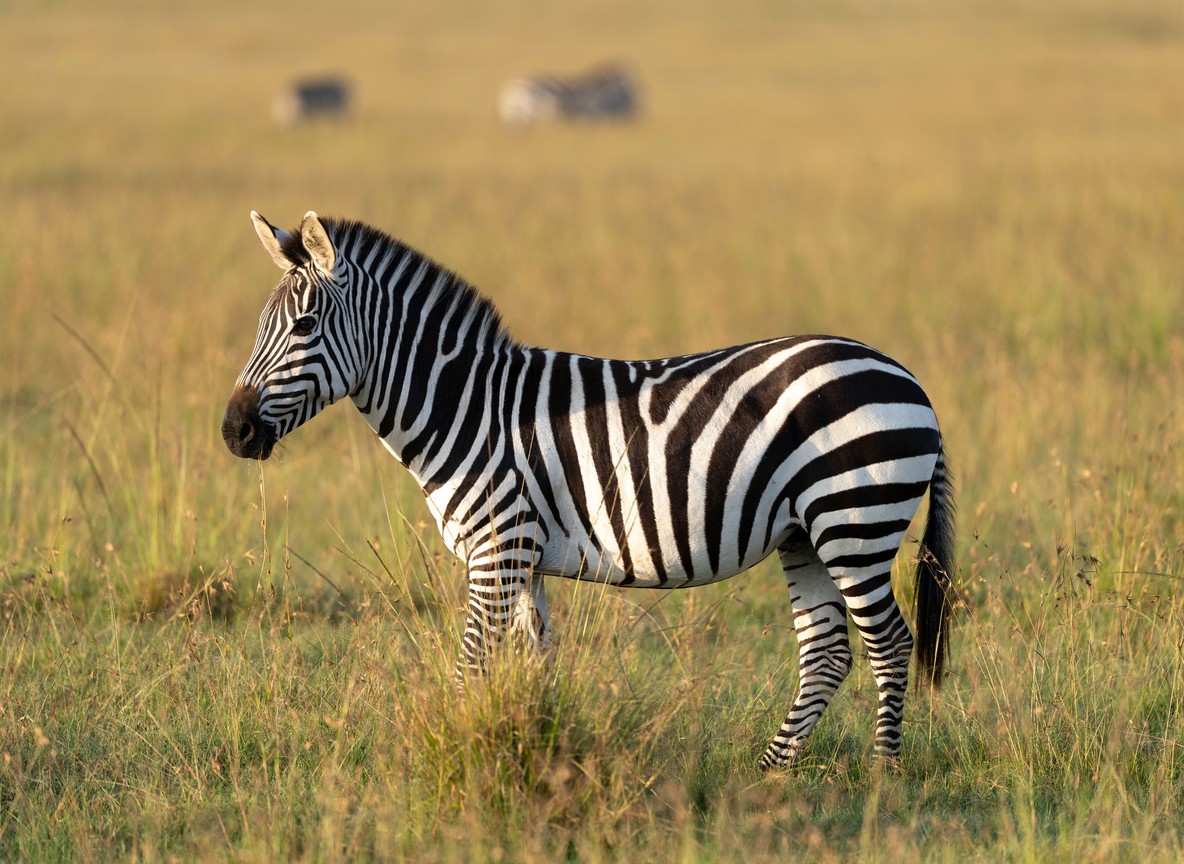
Photography conditions at dawn are equally strong. The light immediately after sunrise is low-angle and directional — warm amber tones, long shadows, and a quality of illumination that photographs dramatically well. Elephant dust catching the early sun, a lion’s mane lit from the side, or a cheetah scanning pale open grass at first light produce images that the flat overhead light of midday cannot replicate.
One practical note: early morning in the Mara runs cool, typically between 14 and 17 degrees Celsius before the sun climbs. Open-sided game drive vehicles expose you fully to the wind, so a warm fleece or light jacket is worth packing regardless of the season.
What the Afternoon Game Drive Delivers
The afternoon drive operates on a different logic. The midday rest period, shared by predators and large herbivores alike, ends as temperatures drop in the late afternoon. Movement picks up across the ecosystem, but in a distinct pattern from the morning.
What you are likely to see:
- Lions emerging from shade, beginning to reposition for the evening hunt
- Cheetahs taking their second hunting window of the day
- Large elephant herds moving toward the Mara River at dusk
- Hippos leaving the water to graze on land, typically visible from around 5:30 pm
The atmosphere of an afternoon drive is different in character. The urgency of dawn activity has settled. What replaces it is a slower, richer quality of light as the afternoon deepens — warm red-orange tones, lengthening shadows, and the possibility of silhouette compositions against a coloured sky that morning drives cannot offer.
The sundowner element is exclusive to afternoon drives. A guide who knows the Mara well will choose a viewpoint with purpose: a position overlooking the river, a site that catches the western light, a quiet area away from vehicle traffic. The ritual is brief and unhurried, and it belongs entirely to the evening window.
Morning vs Afternoon Game Drive: Side-by-Side
| Factor | Morning Drive | Afternoon Drive |
|---|---|---|
| Wildlife activity | Highest (predators returning from night) | High (predators beginning evening hunt) |
| Photography light | Golden hour, warm and directional | Sunset, red-orange with silhouettes |
| Predator sightings | Excellent | Very good |
| Elephant movement | Herds heading to rivers | Herds returning from water at dusk |
| Hippo visibility | Active in water | Emerging to graze |
| Temperature | Cool (14-17C, layer recommended) | Warm afternoon, cooling at dusk |
| Sundowner stop | Not applicable | Yes, at a selected viewpoint |
| Vehicle crowd levels | Slightly higher | Slightly lower |
When Seasonal Timing Shifts the Balance
During the Great Migration (July through October), both windows are highly productive, but for different reasons. Morning drives give the best chance of catching predator activity around wildebeest concentrations on the open plains. Afternoon drives offer the best light for photographing large herds at water, and sometimes coincide with late Mara River crossings as animals move in the cooling hours.
Outside migration season, the morning drive is particularly strong for big cat sightings on short grass, where visibility is unobstructed and predators are easier to locate by their own behavior. After a full moon night, when lions have been hunting through the dark, dawn drives frequently turn up cats near kills or still in extended morning activity.
Explorer Notes
- Arriving at the park gate before sunrise protects the most valuable part of the morning window. A late departure of even 30 minutes noticeably shortens the period when predators are still active.
- If you have one full day in the Mara, doing both drives covers more behavioral range than any single extended outing. The two windows complement rather than duplicate each other.
- For photographers, the morning drive is the priority if forced to choose. The afternoon, however, gives silhouette and sunset color compositions that morning light cannot produce.
- Afternoon drives with sundowner stops run close to park closing time. Confirm your vehicle will return before the official closing window, as late departures can result in fines at the gate.
- Neither drive guarantees any specific encounter. The Mara’s wildlife is genuinely unpredictable. Guides read tracks, radio networks, and animal behavior, but outcomes vary day to day.
Putting the Two Windows Together
The question of morning vs afternoon game drive rarely needs a single answer. Both windows produce distinct wildlife experiences and photograph differently. Together they cover the full behavioral rhythm of the Mara from first light through sunset.
If choosing one, the morning drive is the stronger option for predator activity and photography conditions. If circumstances allow both, the case for doing both is straightforward: the character of a full day in the park — starting in cool dawn light and finishing with a sundowner as the sky turns — divides into two halves that only make sense together.
Every trip described here can be tailored: dates, budget, camps, and pace built around you.
Get a Personalised Safari