Most first-time visitors to the Maasai Mara focus on the national reserve. Mara Nyika Camp points you somewhere different: Naboisho Conservancy, a private wildlife area that shares wildlife with the reserve but operates on its own terms. If you have been weighing up where to stay in the Mara ecosystem, understanding what Naboisho offers helps you make a sharper call.
This guide covers what Mara Nyika Camp’s location actually means for your safari, what kind of traveler it suits, and the questions worth asking before you commit.
What Naboisho Conservancy Is and Why It Matters
Naboisho Conservancy sits northeast of the Maasai Mara National Reserve and forms part of the Mara ecosystem’s broader patchwork of community-owned land. The name means “coming together” in Maa, reflecting the conservation partnership between the Maasai landowners and the camps that operate there.
The practical difference from staying in the national reserve: vehicle limits per sighting. Naboisho caps the number of game drive vehicles at any single sighting, which changes the character of wildlife encounters significantly. When you pull up to a lion kill or a cheetah with cubs, you are more likely to be one of two or three vehicles than one of twenty.
That matters most for photographers and for people who find crowded sightings deflating. It matters less for first-time visitors who are simply trying to see as many species as possible and are less sensitive to the crowd dynamic.
The conservancy also permits night drives and off-road driving in some areas, activities that are not allowed inside the national reserve. These add genuine range to the game drive schedule.
Mara Nyika Camp: Location and Access
Mara Nyika Camp sits within Naboisho Conservancy, roughly in the northern section of the Mara ecosystem. Getting there from Nairobi typically involves either a scheduled bush flight to Ol Kiombo airstrip or a road transfer of around five to six hours depending on road conditions and route.
The nearest major airstrip that scheduled flights serve is Ol Kiombo, with daily connections from Wilson Airport in Nairobi. Charter options are available year-round if you prefer direct service.
Road access follows the main route through Narok toward the Mara. The final stretch into the conservancy uses dirt tracks that can get rough during the long rains in April and May. If you are travelling in that window, confirm road conditions in advance.
Who Mara Nyika Camp Suits Best
Naboisho Conservancy as a destination tends to appeal to specific types of safari traveller:
Wildlife photographers and enthusiasts who want controlled sightings without other vehicles crowding the scene. The vehicle limits make a real difference here.
Return visitors who have already done the national reserve and want a qualitatively different experience. The conservancy setting, night drives, and off-road access offer something the reserve cannot.
Couples and honeymooners drawn to a more intimate atmosphere. Smaller camps in private conservancies typically feel less like a hotel and more like a remote base in the bush.
Travellers with flexibility on timing. Conservancy camps tend to be priced at the higher end of the Mara accommodation spectrum. If you are working with a tighter budget and prioritising sightings volume over atmosphere, the national reserve may give you better value per game drive.
What to Expect from Game Drives at Mara Nyika Camp
A standard day at a Naboisho camp follows the classic safari rhythm: early wake-up call before dawn, morning drive from roughly 6am to 10am, return to camp for breakfast and rest through the midday heat, afternoon drive from around 4pm to 7pm, then dinner after dark.
The difference from reserve camps is the schedule can flex. Night drives allow you to run until 8 or 9pm. Guide discretion is broader on off-road routes. If a leopard is spotted 30 metres off the track in dense vegetation, you can ease off-road to get a clear angle rather than straining from the track.
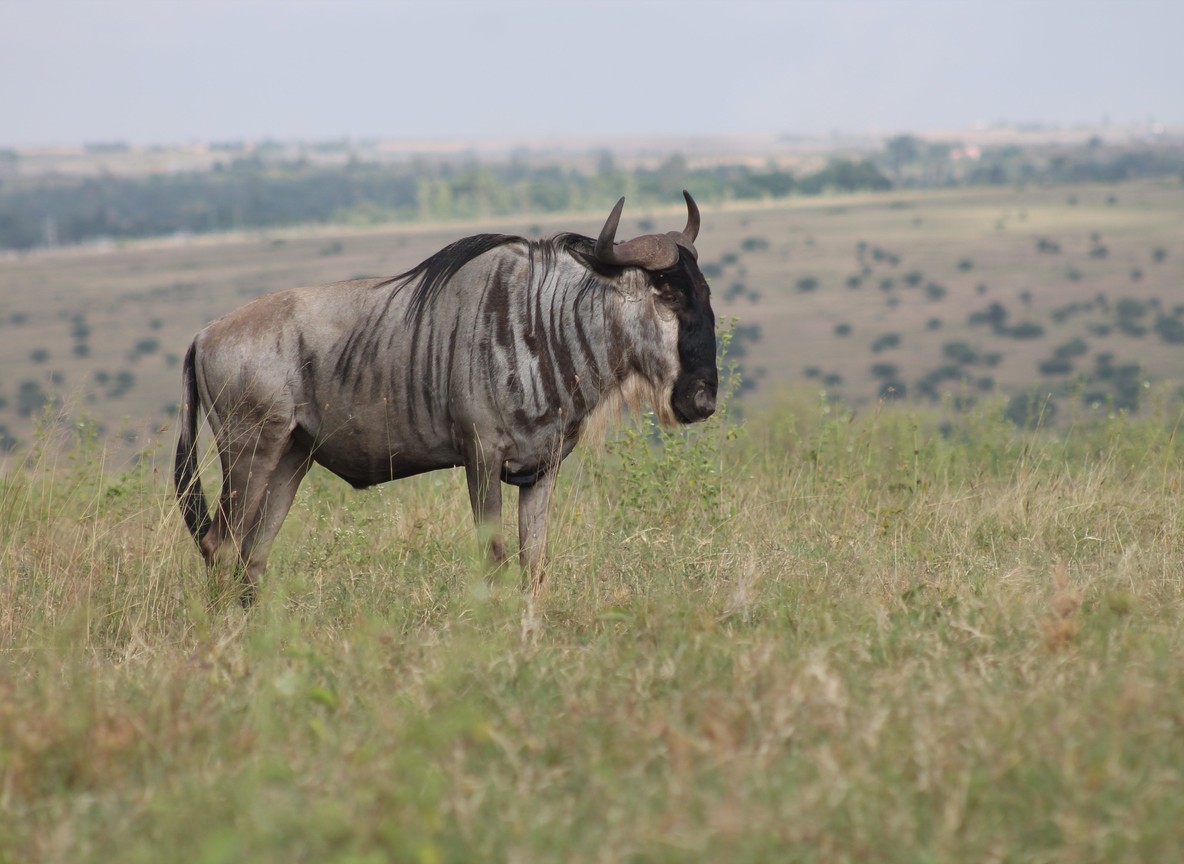
Migration season (typically July through October) brings the wildebeest herds into the broader Mara ecosystem. Naboisho does not border the Mara River crossing points directly, but the plains fill with wildebeest during this period and the predator activity that follows is substantial. If the river crossings are your primary goal, a camp with more direct river access might be worth prioritising. If you want to be in the ecosystem during migration without the vehicle congestion at the crossing points, Naboisho is a strong alternative.
Practical Booking Considerations
What to Confirm Before You Pay
Every camp has its own package structure. Before finalising a booking at Mara Nyika Camp, get clear answers on:
- What is included: is the park and conservancy fee included or added on top?
- How many game drives are in the daily programme?
- Are night drives available and included?
- What is the room type and capacity?
- Is there a minimum stay?
- What is the cancellation policy, particularly in peak migration season?
Seasonal Pricing
Conservancy camps in the Mara typically operate on a tiered rate structure: peak season (July to October, aligned with the migration), shoulder season (January to March), and green season (April to June). Peak season rates at Naboisho camps can be significantly higher than green season. The tradeoff is wildlife activity. Green season has its own appeal: the Mara is lush and uncrowded, and resident predators remain active year-round.
What Packages Typically Cover
Full-board packages at Mara-area camps generally include accommodation, all meals, game drives, and conservancy fees. Park fees, alcohol, and flights are often excluded from the base rate. Confirm this when comparing quotes from different properties.
How Mara Nyika Camp Compares to Other Naboisho Options
Naboisho has several camps operating within it. They vary by size, style, and price point. Mara Nyika positions toward the upper end of the market, with the intimacy that comes from a smaller camp count and the wildlife experience that the vehicle limits provide.
If you are comparing across the wider Mara ecosystem, consider what each zone offers:
| Zone | Key advantage | Limitation |
|---|---|---|
| Naboisho Conservancy | Vehicle limits, night drives, off-road | Higher cost, no direct river crossing access |
| Maasai Mara National Reserve | Highest wildlife volume, river crossing access | No night drives, vehicle crowding at sightings |
| Mara North Conservancy | Excellent predator density, intimate camps | Different wildlife mix from Triangle |
| Mara Triangle | Well-managed, superb plains | Smaller area, vehicle access via Mara Bridge |
For broader camp comparisons across the ecosystem, the Tourinsights Maasai Mara accommodation guide gives a full rundown by zone and budget.
Explorer Notes
A few things worth knowing that do not always appear in official camp descriptions:
The conservancy fee is a genuine conservation contribution. At Naboisho, fees go back to the Maasai community landowners. This is not a token payment. It funds the land-use model that keeps this area as wildlife habitat rather than agriculture.
Smaller camps mean less anonymity. At a camp with eight to twelve tents, the staff know who you are by your second day. This can be a real positive if you like a personal atmosphere. It can feel intense if you prefer hotel-style privacy.
Don’t underestimate the green season. April and May can be very wet, but the Mara in long grass with fewer vehicles is a different aesthetic experience entirely. If your dates are flexible and you want to avoid the peak-season pricing and crowds, it is worth researching seriously.
Combine with a different zone for a multi-park itinerary. Three nights in Naboisho paired with two nights closer to the Mara River gives you the conservancy experience and the crossing access in a single trip. It requires two transfers but many travellers find it worth the logistics.
Getting the Most from Your Stay
A few practical habits that make the difference at any Mara conservancy camp:
Go to bed early. The 5:30am wake-up call hits harder if you stayed up talking until midnight. The best game drive action is in the first two hours of morning light. Prioritise that.
Talk to your guide about your specific interests on day one. If you are primarily a photographer, say so. If you want to focus on predators rather than general game, tell them. Guides can adjust routes and timing when they know what you are looking for.
Stay on afternoon drives even if you feel tired. The hour before sunset is consistently productive. Lions and leopards start moving, the light is warmer, and the bush quietens in a way that makes wildlife sounds more noticeable.
Next Steps
If Mara Nyika Camp is on your shortlist, the most useful thing you can do is request a quote directly and compare it against two or three alternatives in Naboisho and the wider Mara ecosystem. Factors to weigh: total package price including conservancy fees, transfer cost from Nairobi, number of nights, and whether you want river crossing access to be part of the itinerary.
The Tourinsights Maasai Mara planning guide covers timing, camp zones, and how to structure a multi-night itinerary around your specific wildlife priorities.
For broader context on the Maasai Mara ecosystem, the Kenya Wildlife Service maintains reserve information at kws.go.ke.
You can also explore Naboisho camp options and itineraries at trunktrailssafaris.com, a Nairobi-based operator with on-ground experience in this conservancy.
Turn this reading into a real itinerary with help from a Kenya-based safari team.
Start Planning Your Safari